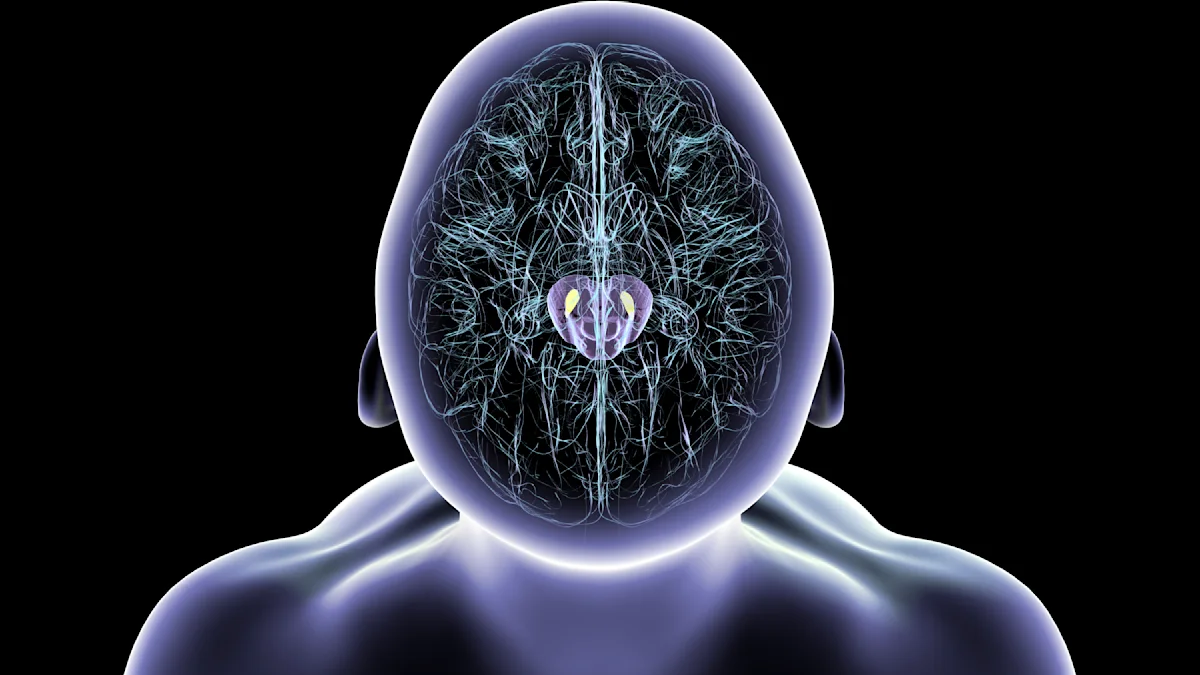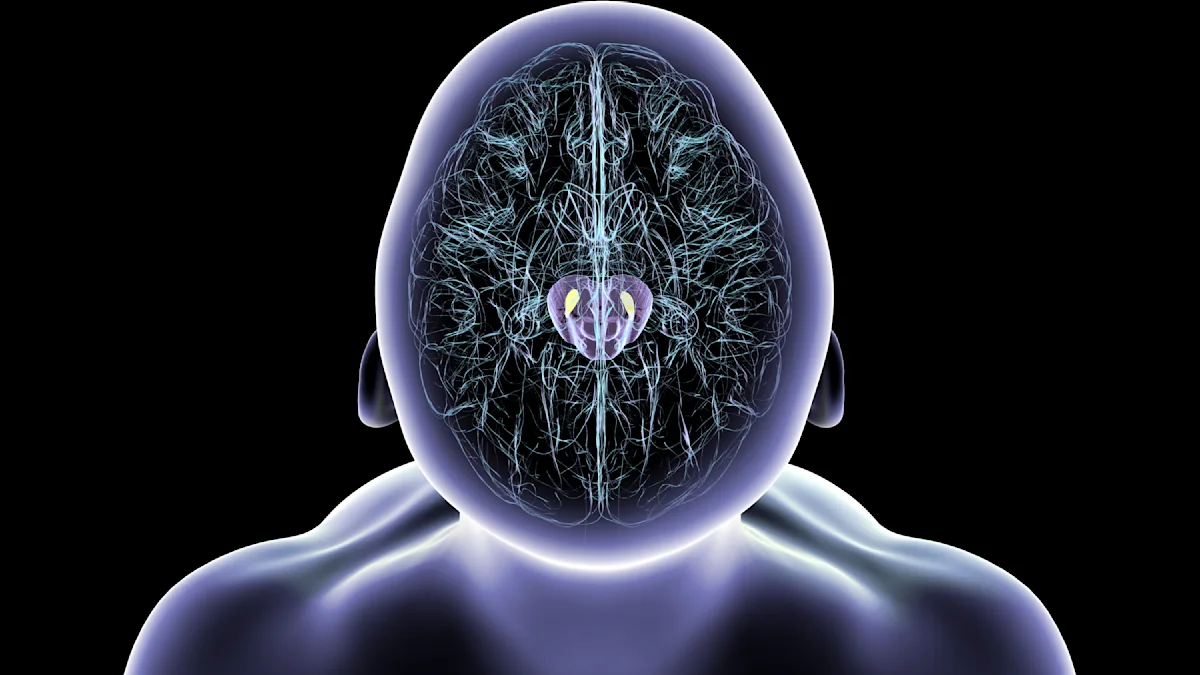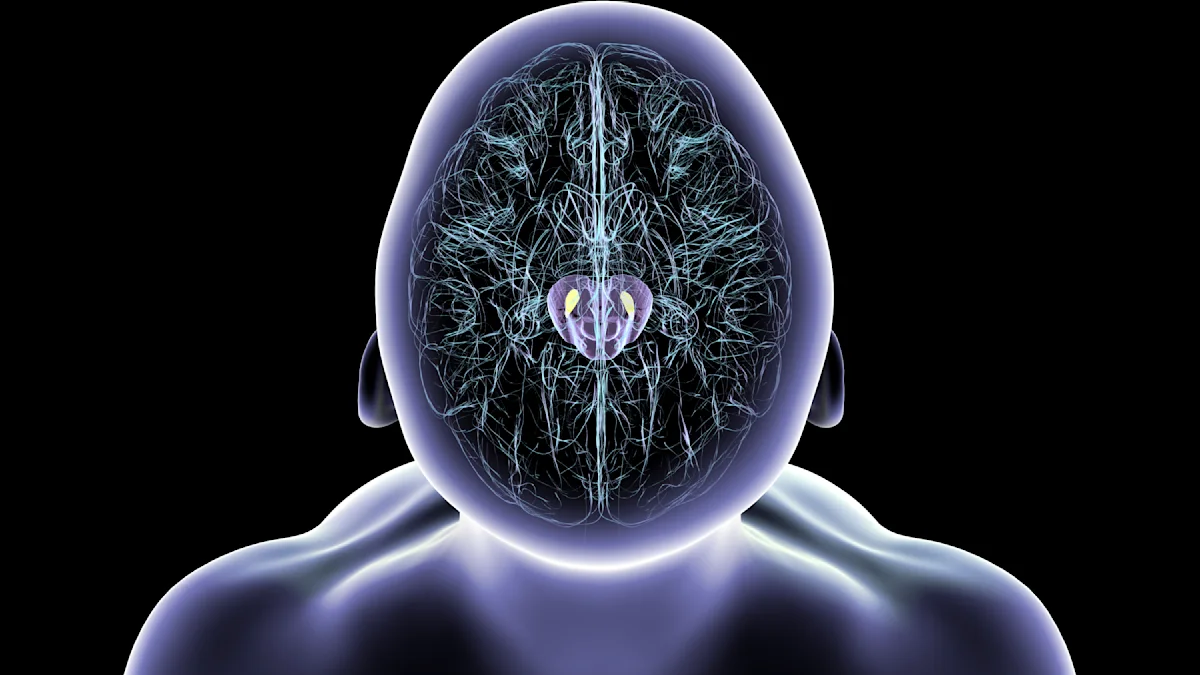
A study suggests that older men who frequently experience a common symptom could be twice as likely to develop Parkinson's disease, potentially years before other symptoms appear11:15, 23 May 2026Parkinson's disease is a debilitating condition that progressively affects movement, frequently beginning with subtle signs. A typical early symptom is a slight tremor, usually in the hands or fingers.However, one of the earliest warning signs of Parkinson's could be disturbing dreams or nightmares. This revelation comes from researchers at the University of Birmingham, who found that older men experiencing regular bad dreams are twice as likely to develop Parkinson's in later life.The study indicates that those heading towards Parkinson's may start experiencing troubling dreams and nightmares years before the appearance of more recognisable symptoms such as tremors, stiffness, and slowed movement.Health professionals advise that older people who observe alterations in their dream patterns should consult a doctor."While we need to carry out further research in this area, identifying the significance of bad dreams and nightmares could indicate that individuals who experience changes to their dreams in older age – without any obvious trigger – should seek medical advice," said Dr Abidemi Otaiku, the study's principal investigator.Using nightmares as a possible indicator of Parkinson's risk is a novel approach, though it has been previously noted that people with Parkinson's frequently experience more bad dreams.Early detection is crucial, but the study highlights that there are 'very few' warning signs for Parkinson's disease, many of which are not unique to the condition or require costly hospital examinations.The researchers analysed data from a major cohort study in the US spanning 12 years, involving 3,818 older men living independently, reports Surrey Live, reports RSVP Live.At the study's outset, the male participants filled in a series of questionnaires, including one regarding their sleep quality.Those who reported experiencing nightmares at least once a week were then tracked until the study's conclusion to determine if they were more prone to being diagnosed with Parkinson's disease.During the follow-up period, 91 cases of Parkinson's were diagnosed. The results revealed that those who regularly experienced nightmares were twice as likely to develop the disease compared to those who did not.The majority of diagnoses occurred within the first five years of the study. Participants who had frequent nightmares during this period were over three times more likely to develop Parkinson's.The researchers, whose study was published in eClinicalMedicine, believe our dreams can provide vital clues about our brain structure and function and could be an important area for neuroscience research.The team intends to use electroencephalography (EEG) to investigate the biological reasons behind changes in dreams. Researchers are now looking to broaden their study to encompass larger and more diverse groups, while also seeking to explore potential links between dreams and other neurodegenerative conditions, such as Alzheimer's.They say: "This page contains information leaflets on a variety of symptoms, ranging from motor, non motor and mental health." You can find more information here.According to Parkinson's Ireland, symptoms of the disease include:MotorTremorMotor FluctuationsPosture and FallingNon MotorBladder and BowelRestless Legs SyndromeBlood PressurePainSleepFatigue and Parkinson’s DiseaseEye ProblemsArticle continues belowMental HealthAnxiety and Parkinson’sDepression and ApathyHallucinationsImpulsive-Compulsive BehavioursCognitive
Symptom could signal Parkinson's disease risk in older men
A study suggests that older men who frequently experience a common symptom could be twice as likely to develop Parkinson's disease, potentially years before other symptoms appear
516 words~2 min read