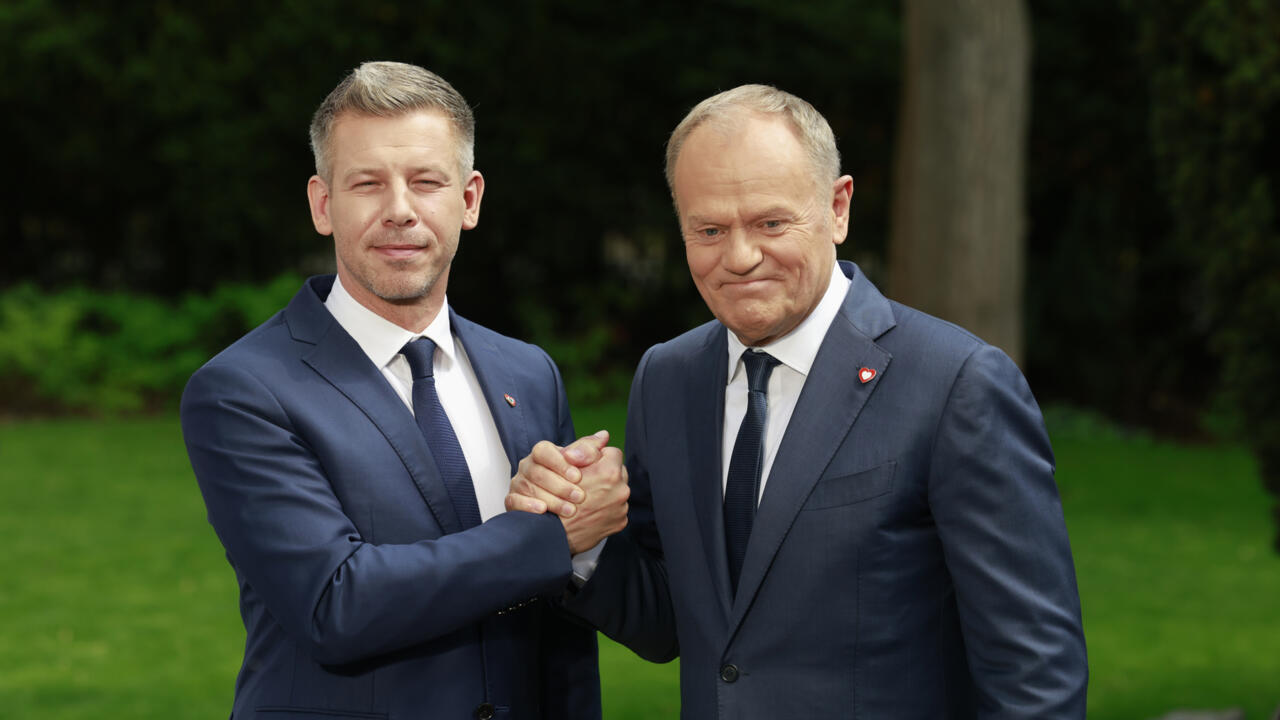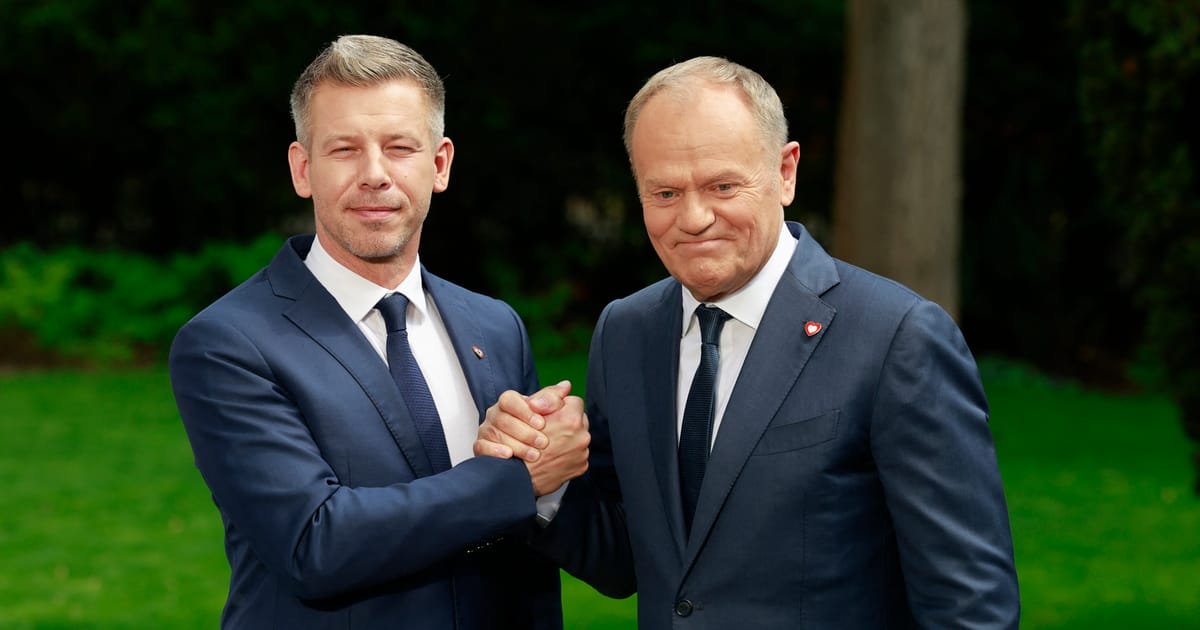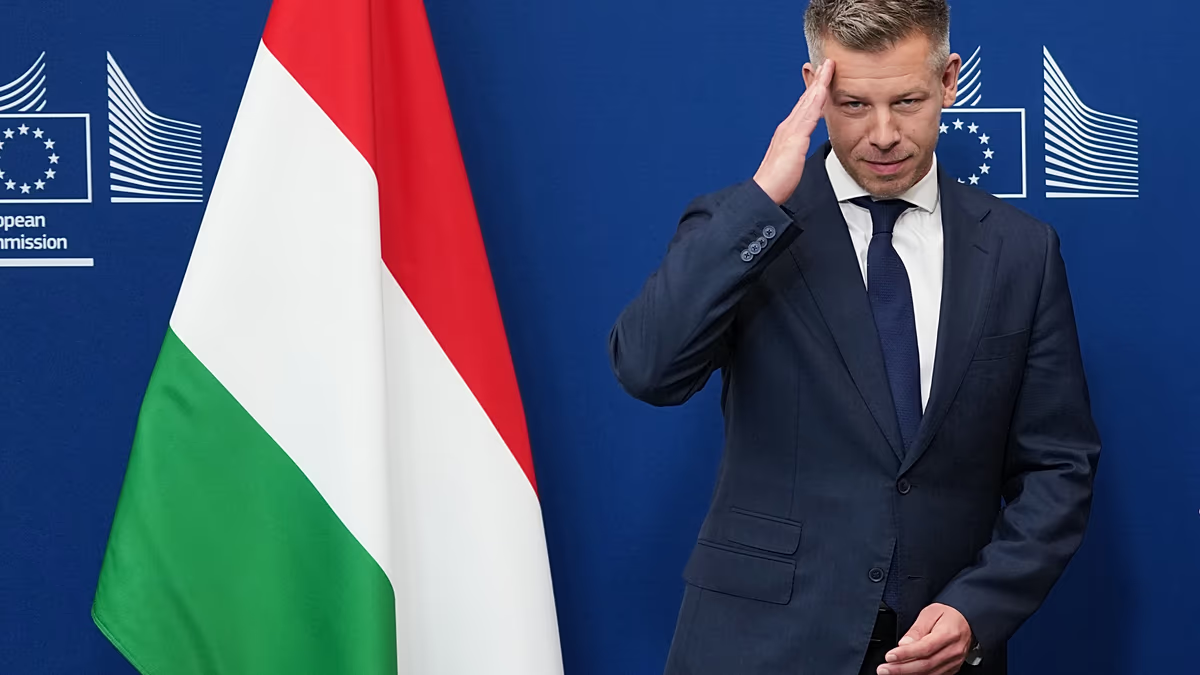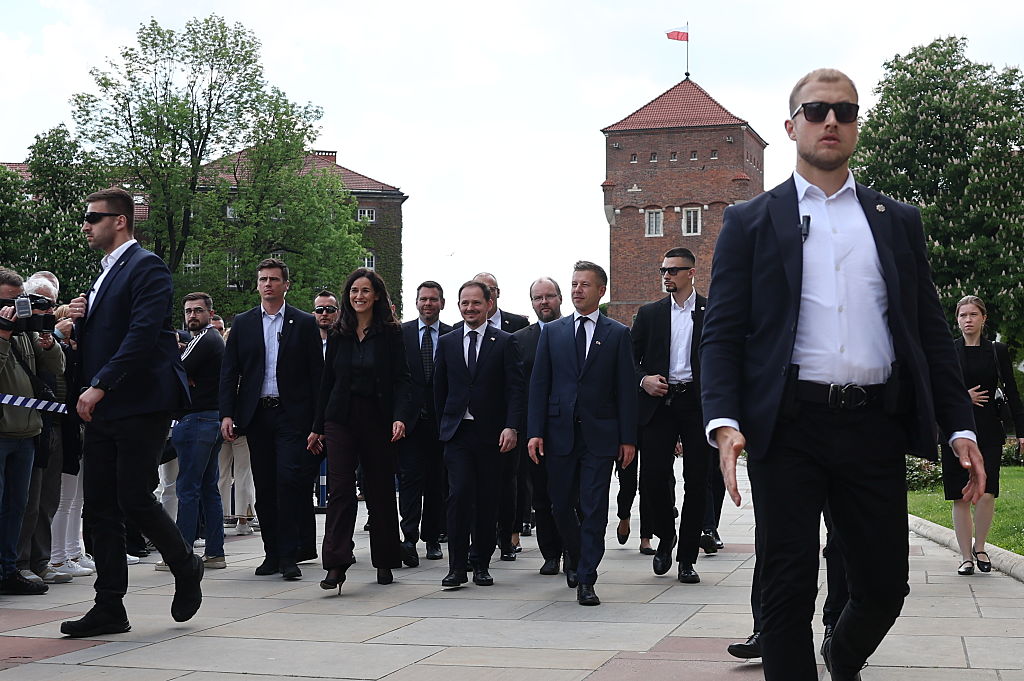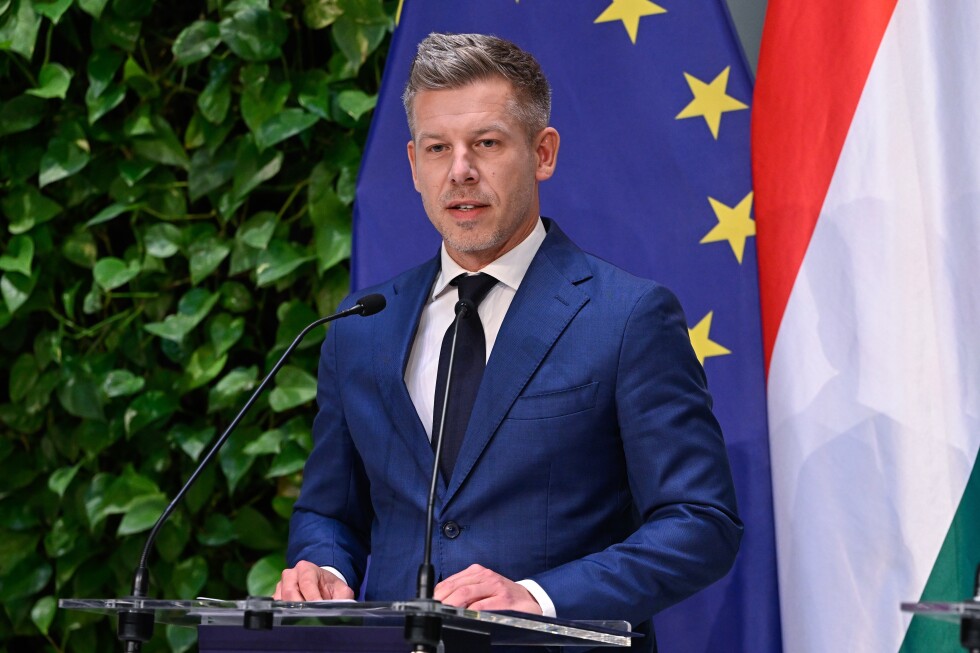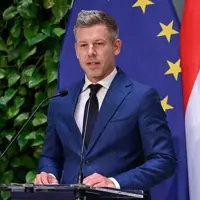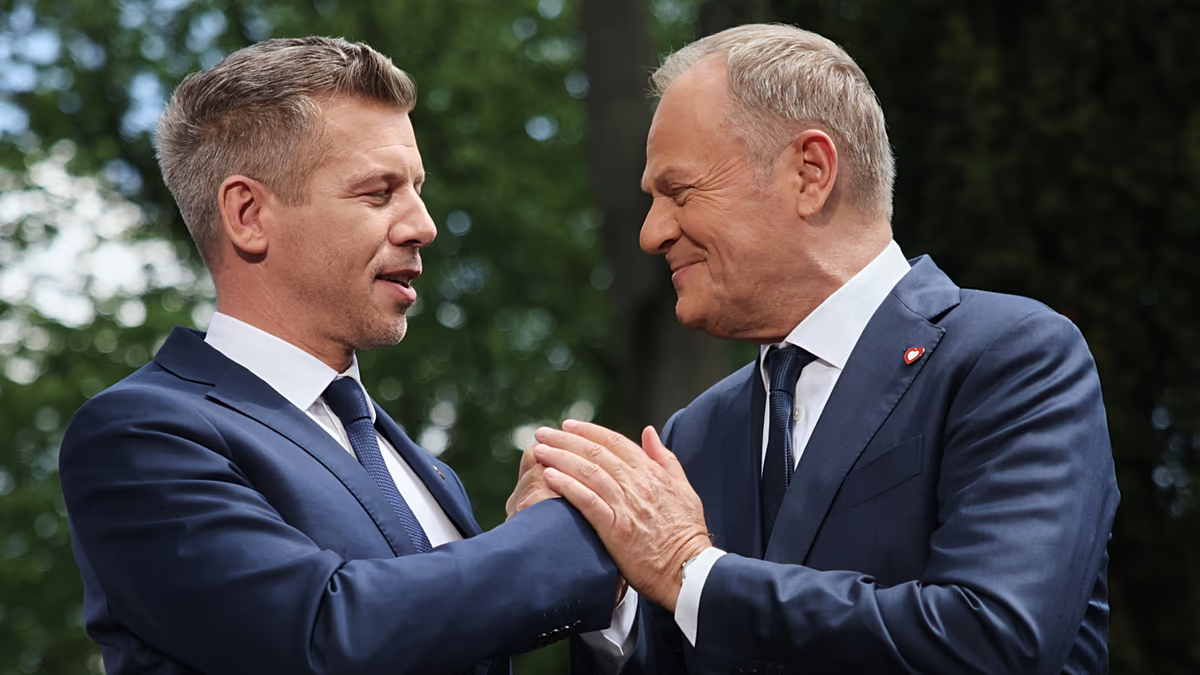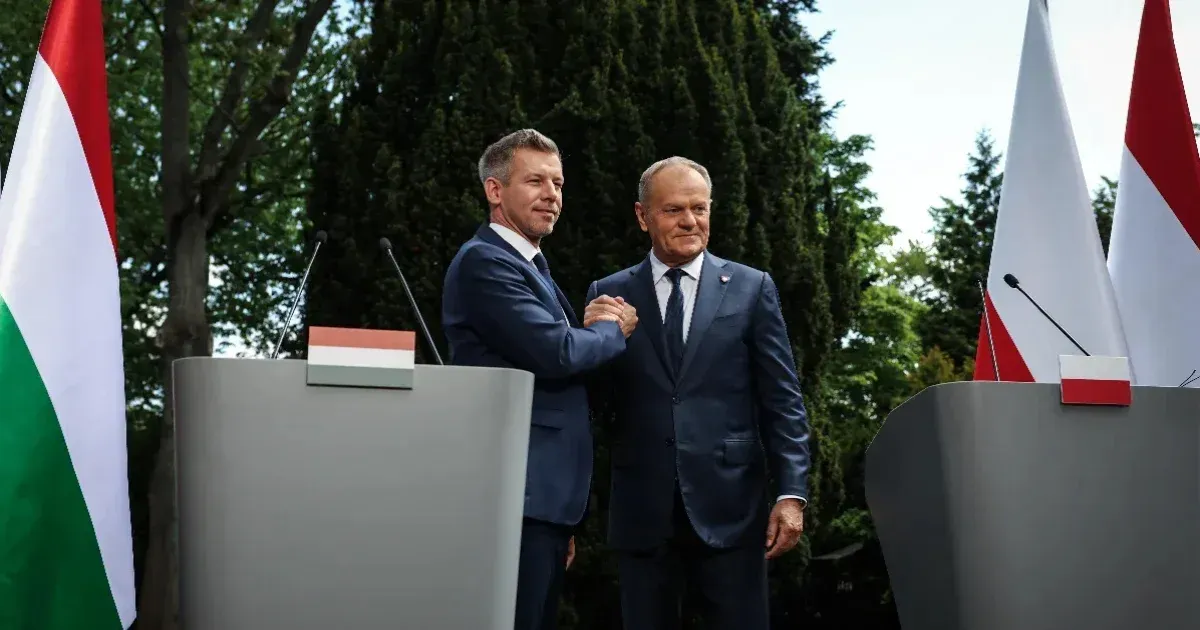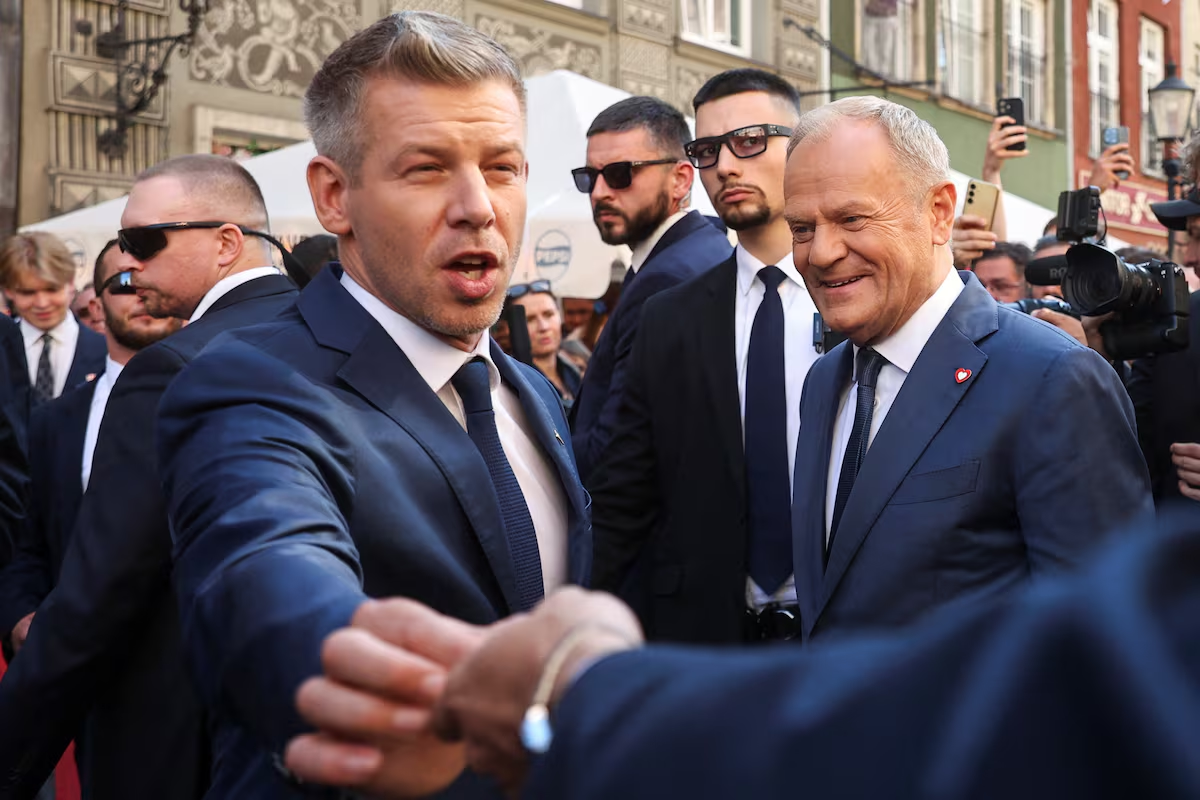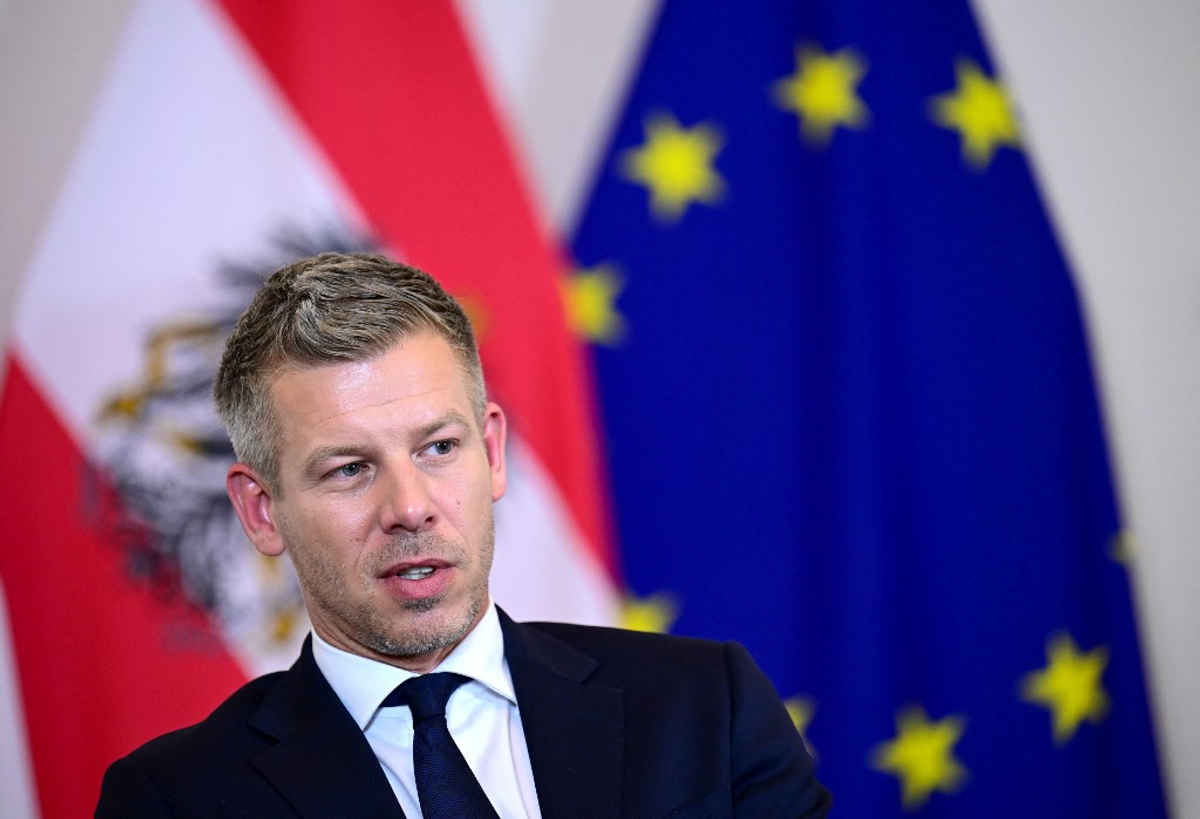
Péter Magyar spent three days in Poland borrowing the symbolism of a democratic homecoming, traveling by train from Krakow to Warsaw, laying flowers at the John Paul II monument, and standing beside Donald Tusk to declare that Hungary and Poland would again walk into Brussels “holding hands.” But the trip also restored Hungary to a club whose original meaning has largely drained away. The old Central Europe was built by countries trying to get into the West; the new Central Europe will be defined by how they handle the country still fighting to get there. JOIN US ON TELEGRAMFollow our coverage of the war on the @Kyivpost_official. That country is Ukraine, and it is the question Magyar cannot answer with symbolic choreography. His Polish visit was about legitimacy, the staged return of a post-Orbán Hungary to the European mainstream. The harder problem is that the map he wants to rejoin has been redrawn, with Ukraine no longer a buffer at the region’s edge but the fact that now sits at its center. A medieval bypass and a modern habit The instinct to organize Central Europe as a bloc is far older than the European Union, older than NATO, older than communism. In 1335, the kings of Bohemia, Poland, and Hungary met at the Hungarian castle town of Visegrád to agree on new trade routes that would bypass Vienna, then a staple port that forced merchants to unload and sell their goods there before moving on.
Central Europe Once Lined Up to Join the West, Now It Decides Who Gets In
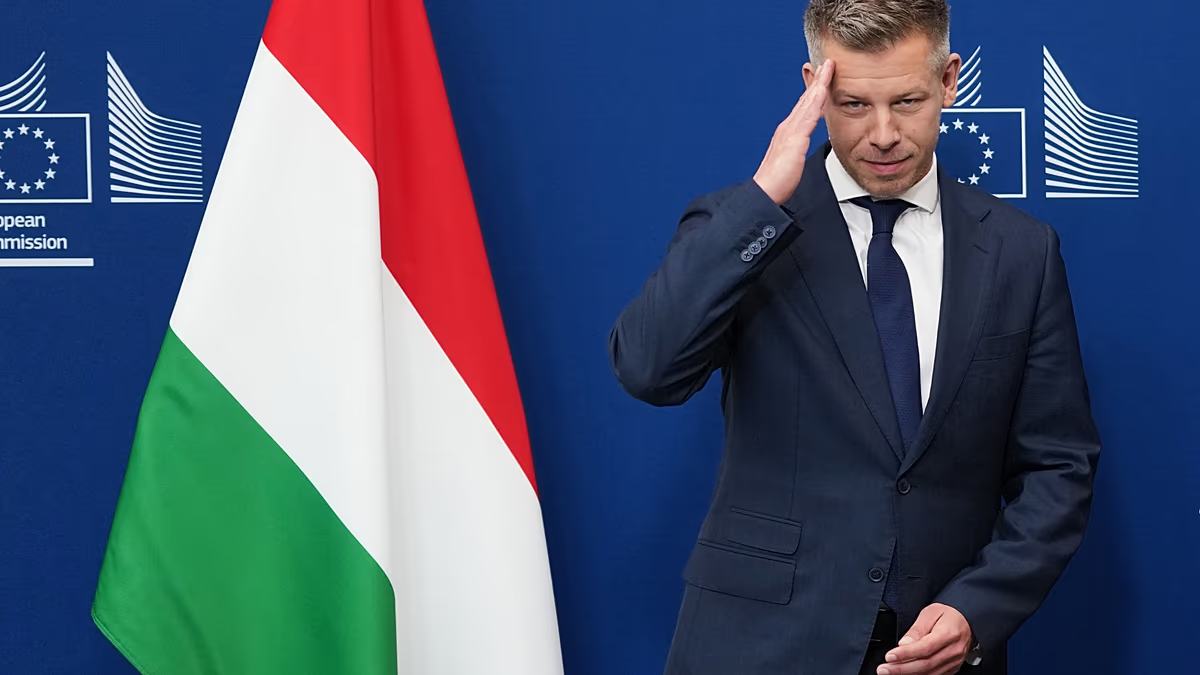
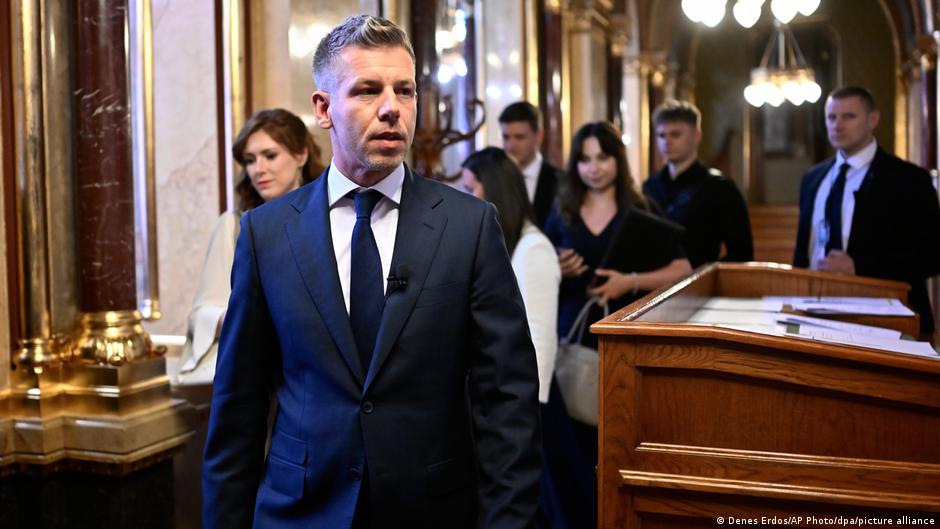
Hungarian Prime Minister Péter Magyar used a high-profile visit to Poland to signal Hungary’s return to the European mainstream
1,371 words~6 min read