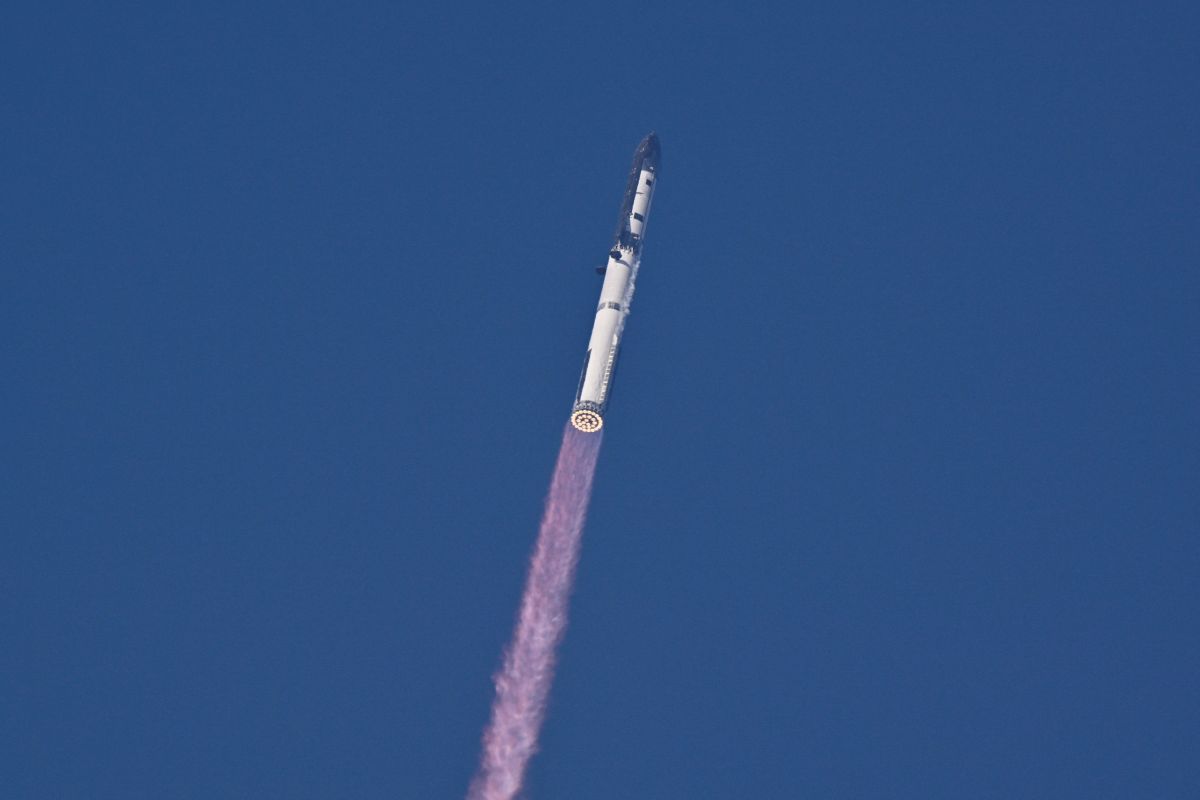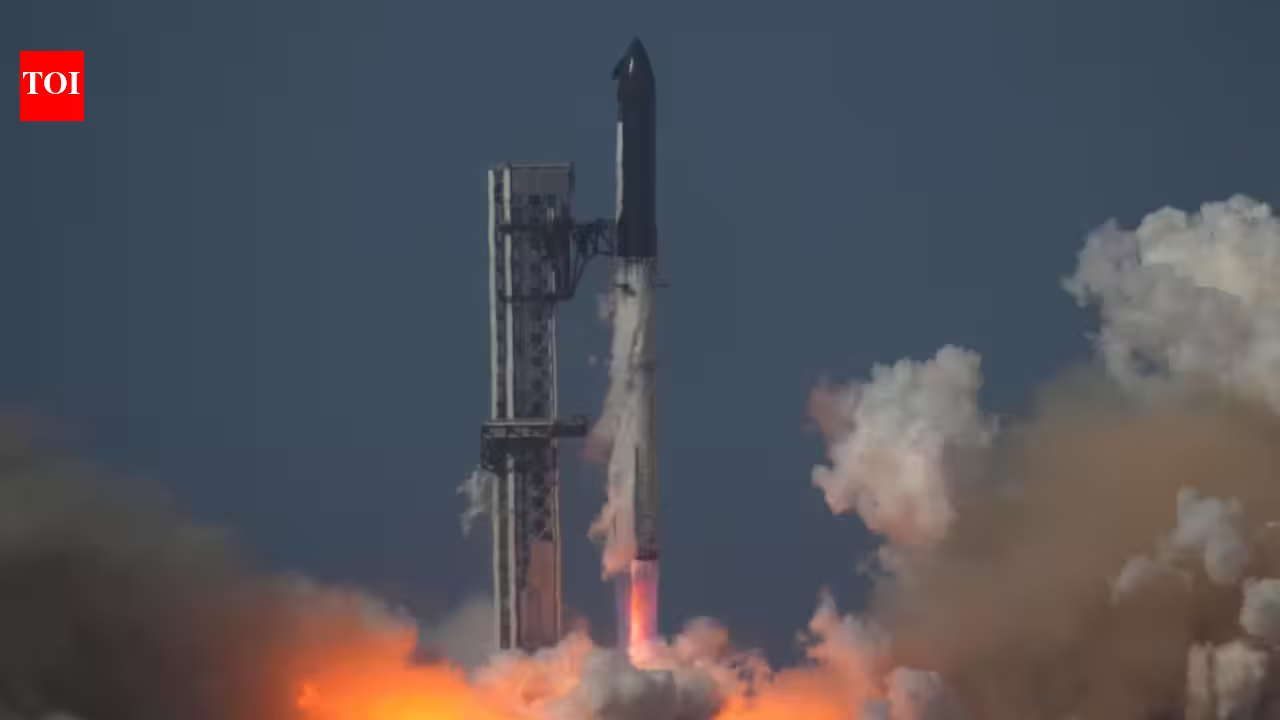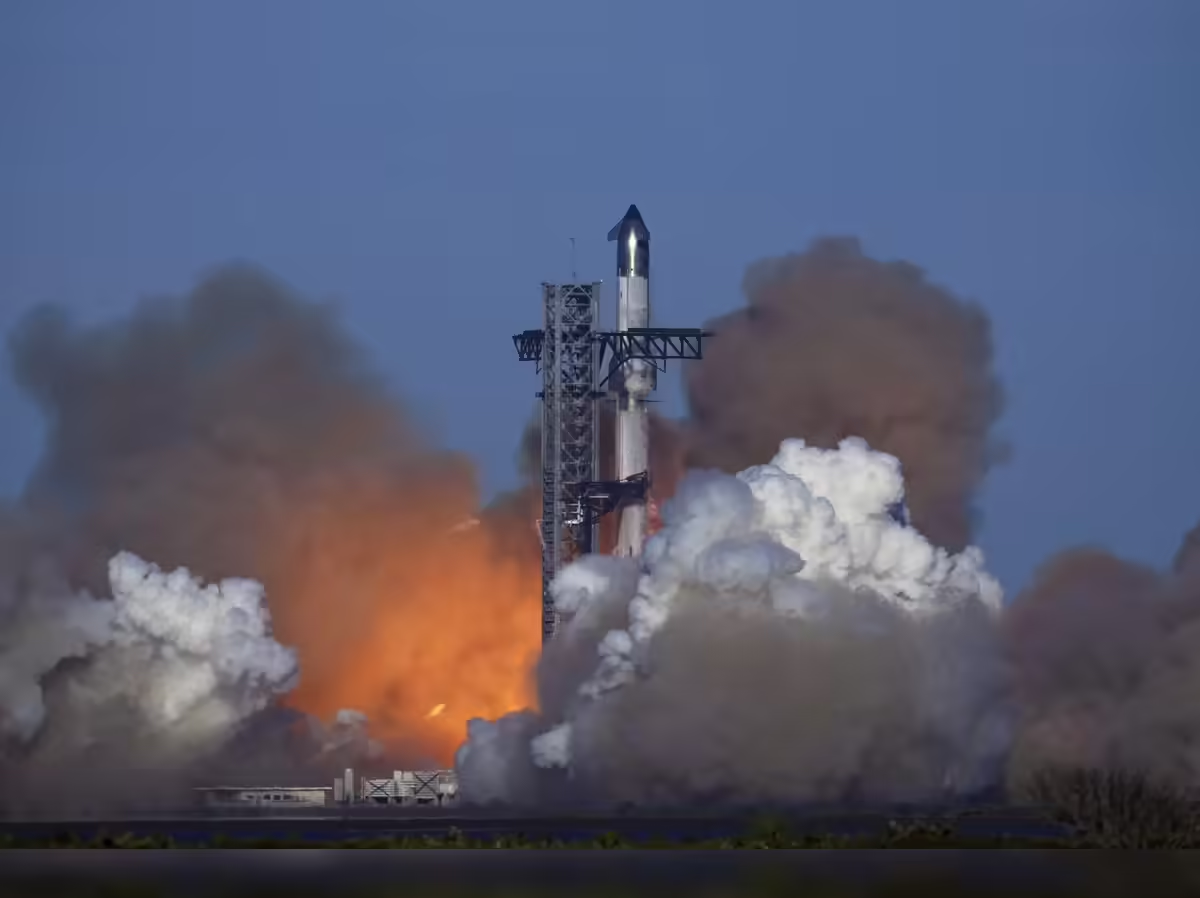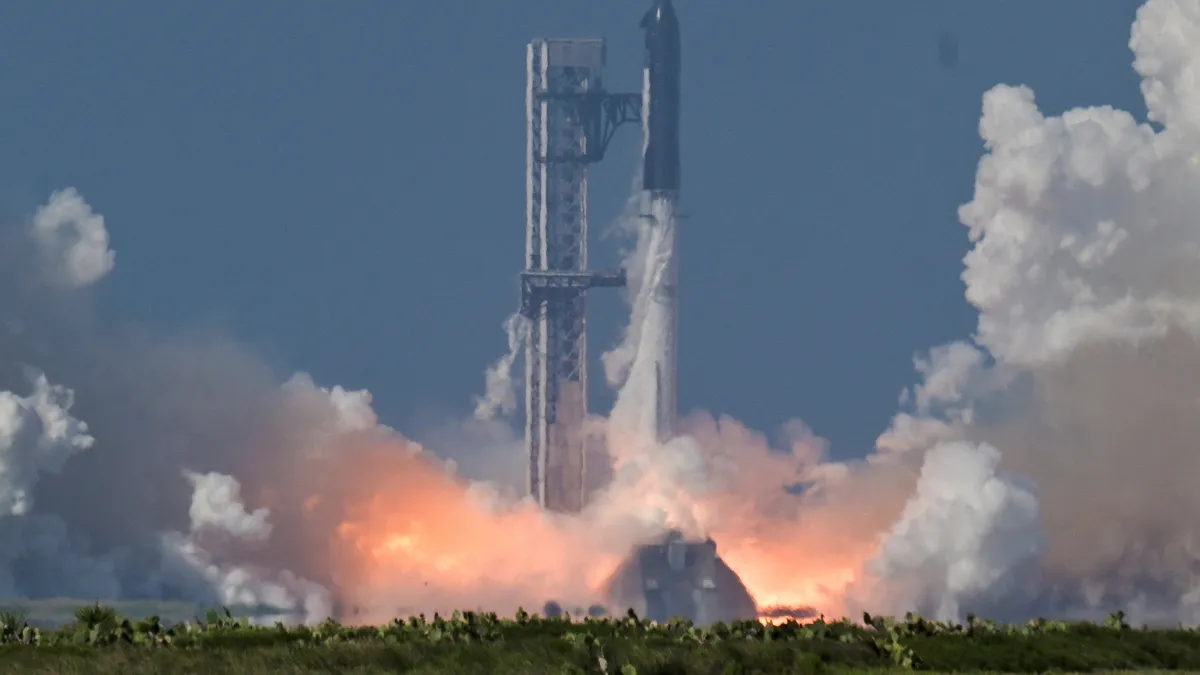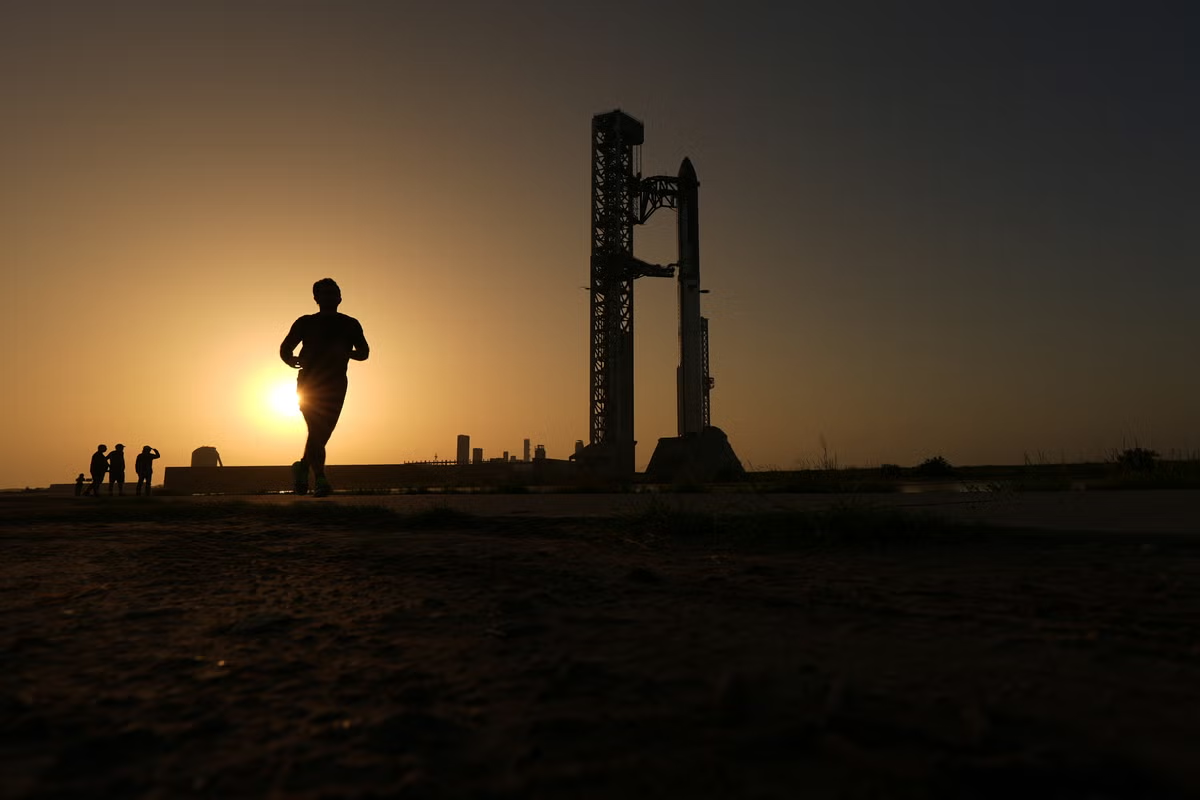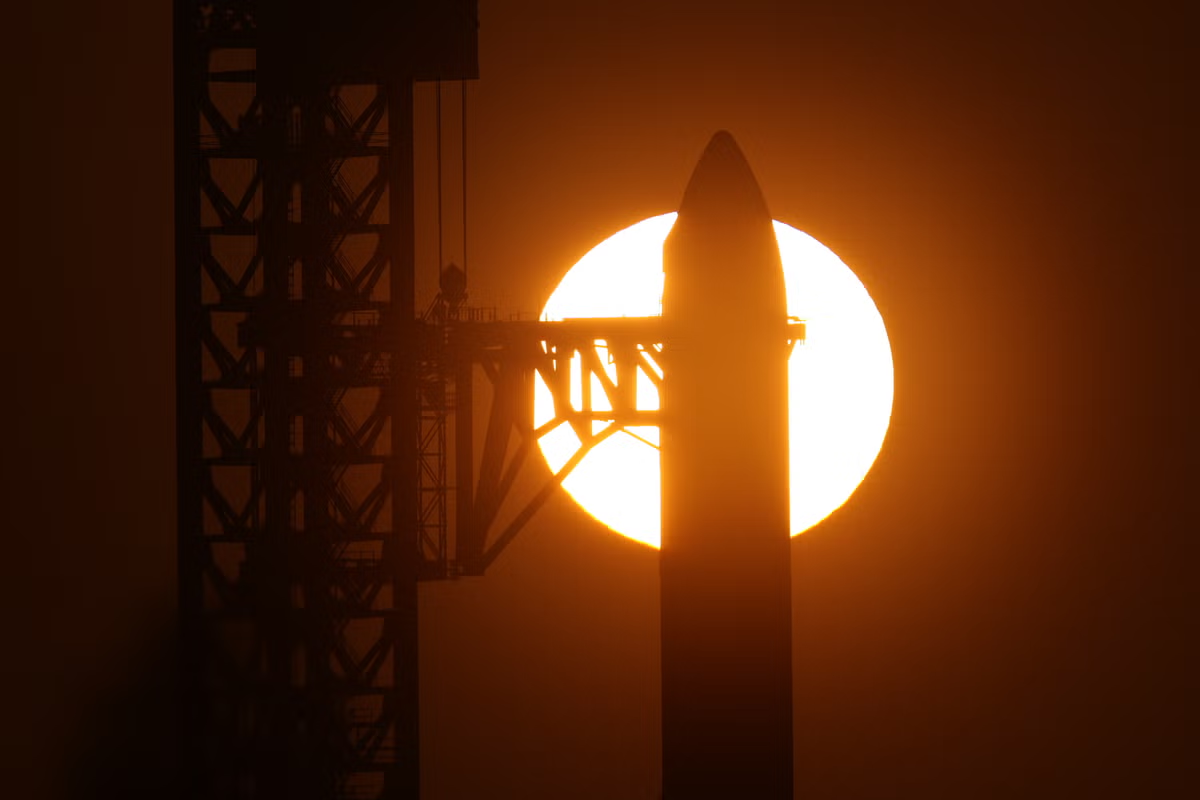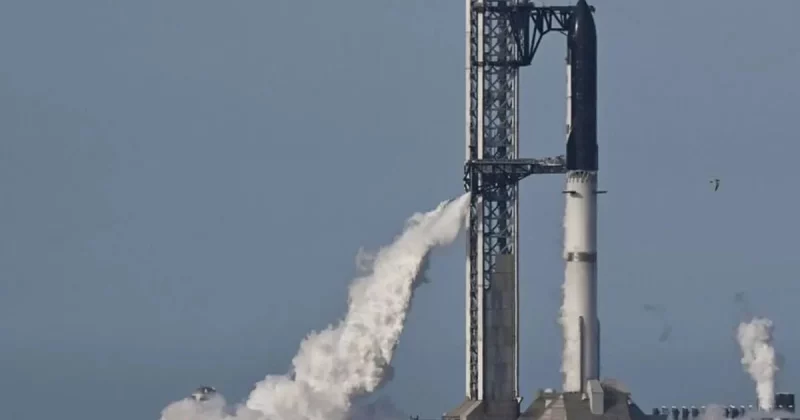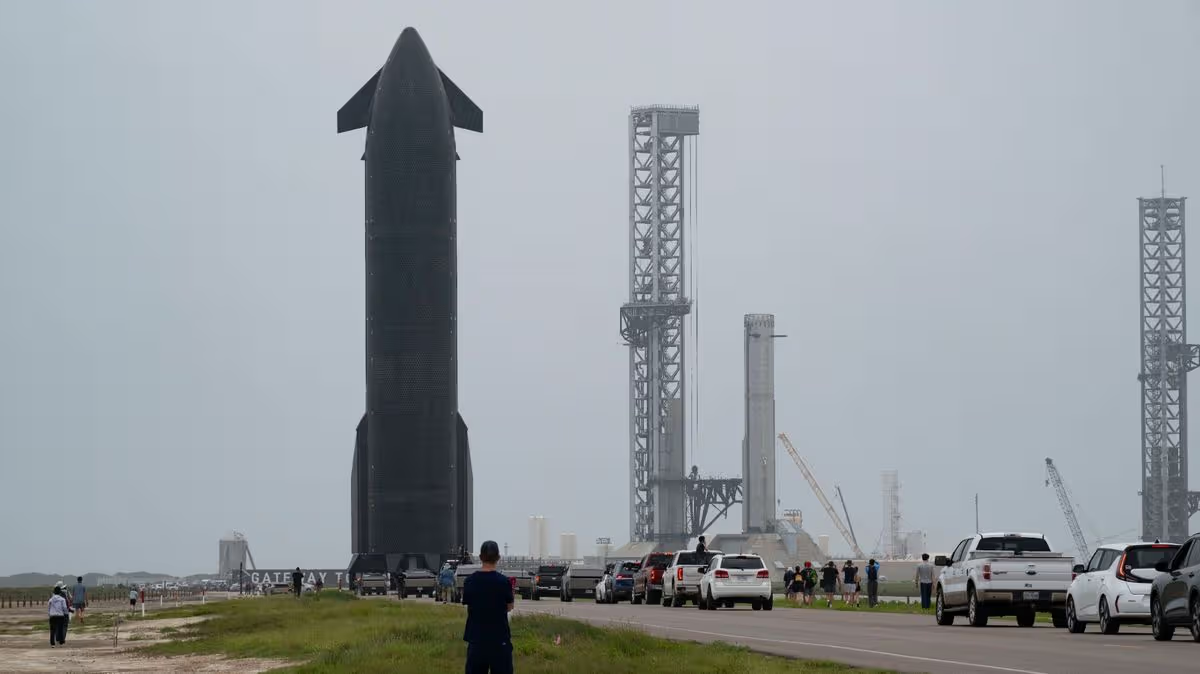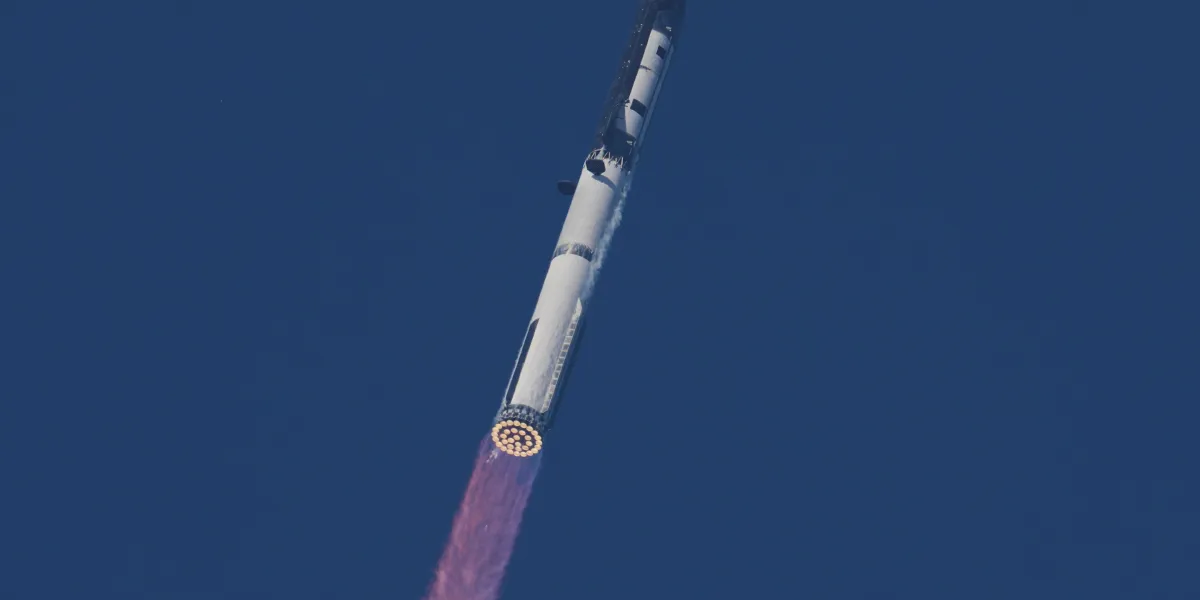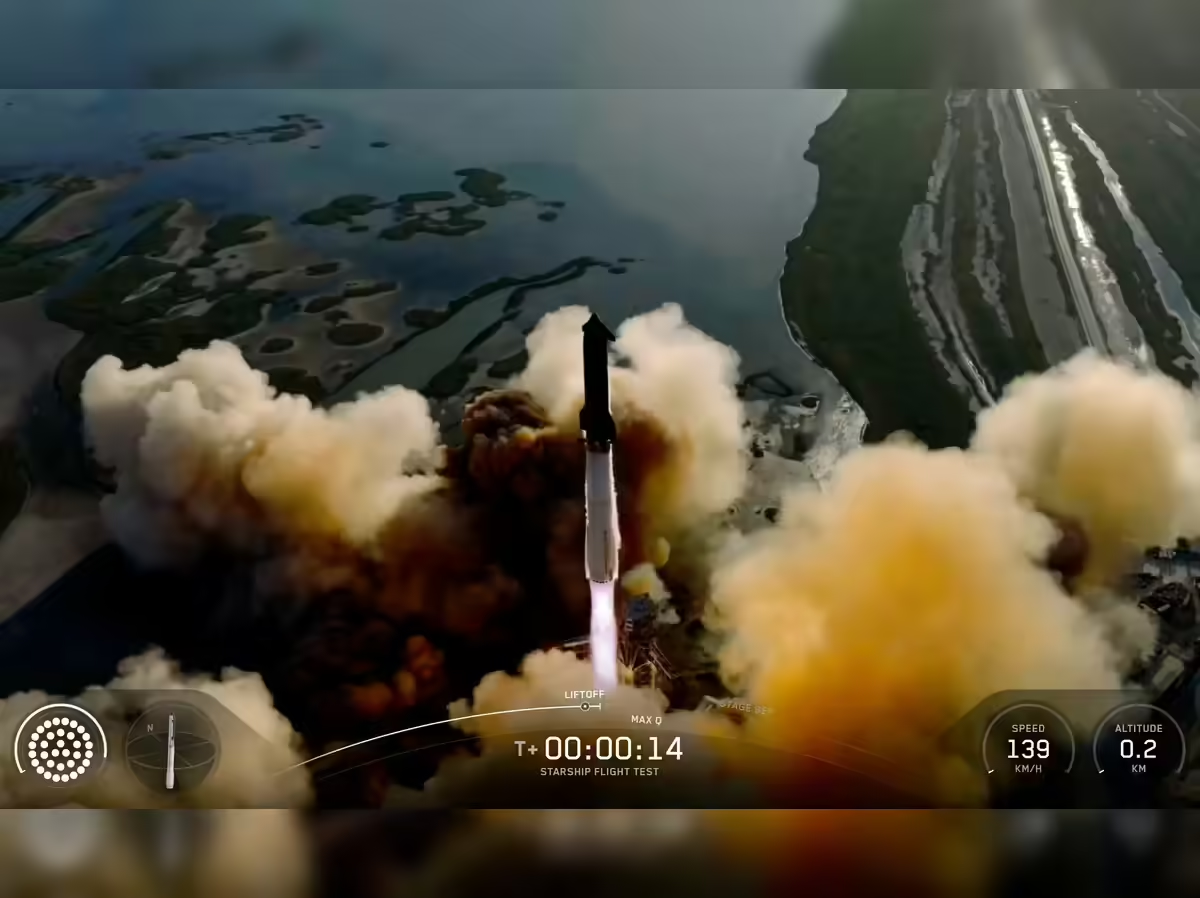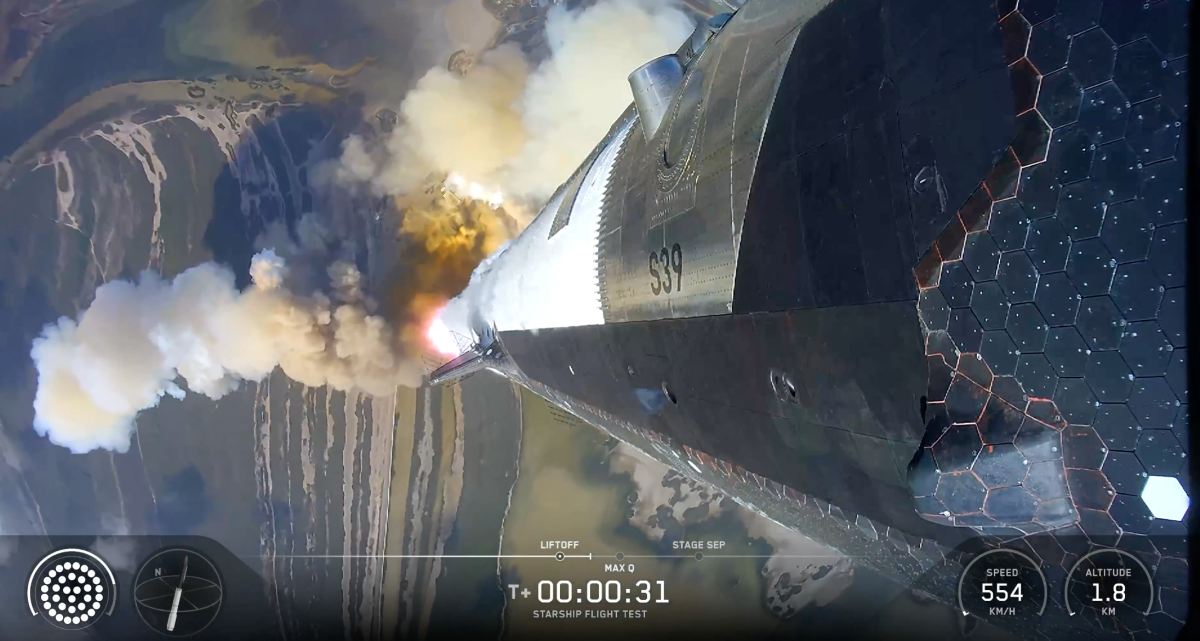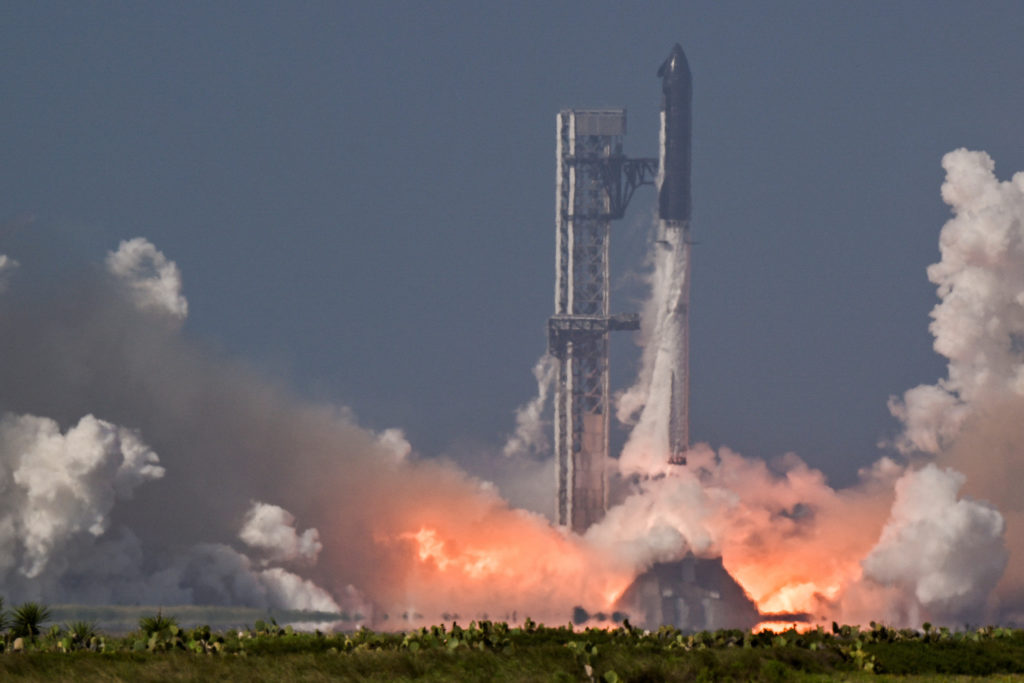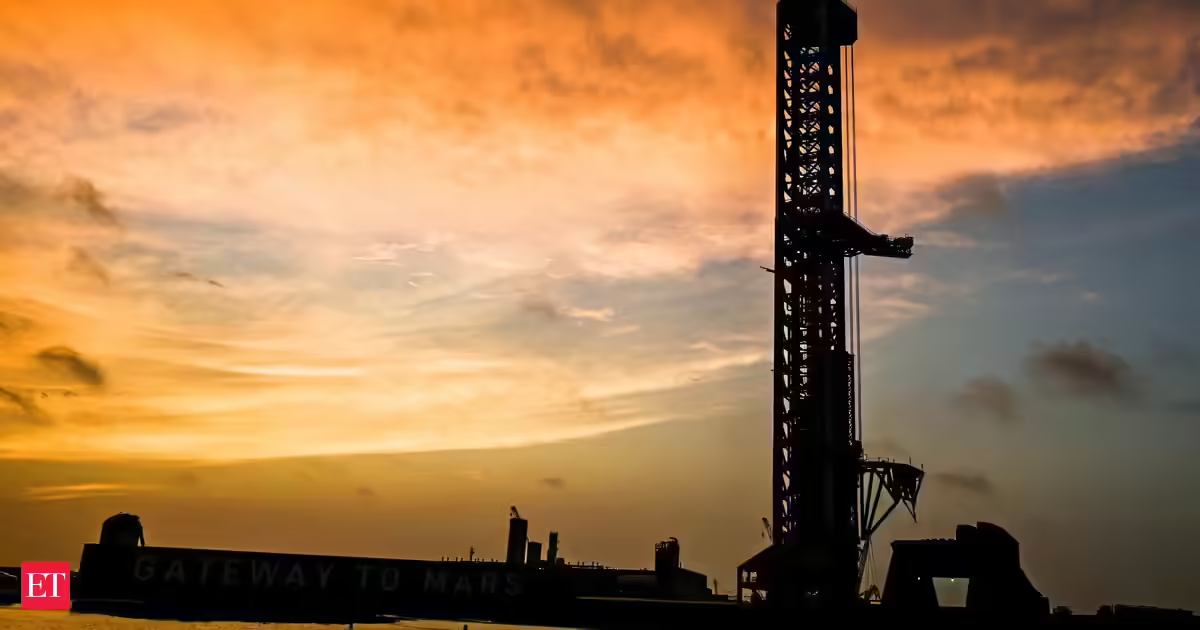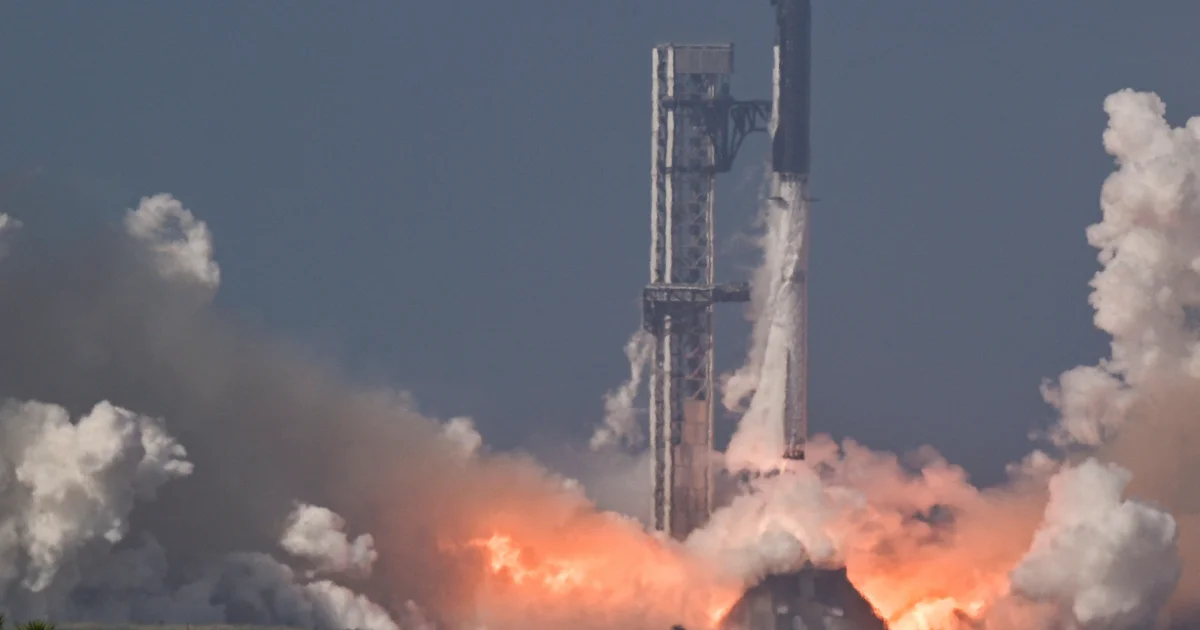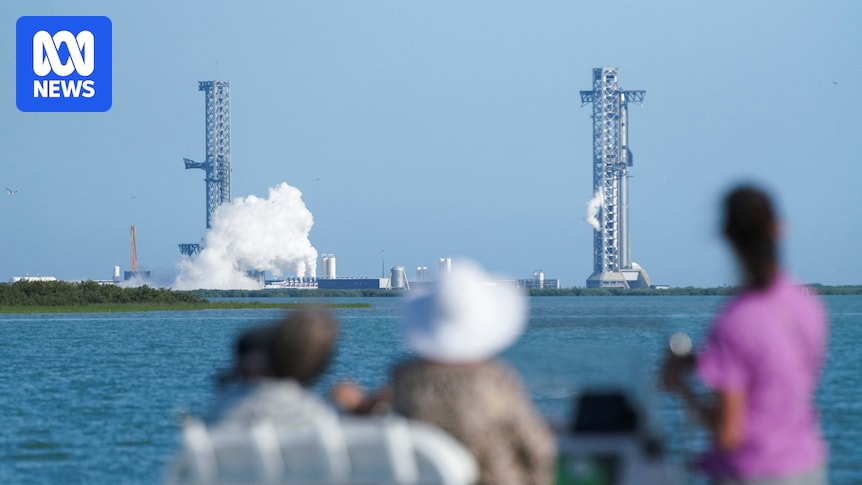
Elon Musk's SpaceX has completed the 12th uncrewed test flight of its next-generation Starship, a high-stakes trial run of a newly upgraded version of the spacecraft.Starship V3 was designed to enable more frequent Starlink satellite launches and to send future NASA missions to the moon. Friday's debut flight marked a key milestone for the vehicle after months of testing delays as Musk's rocket company nears a record-breaking public listing.The outcome could also sway investor confidence ahead of SpaceX's initial public offering next month, expected to be the largest in history.Starship, which SpaceX has spent more than $US15 billion ($21 billion) developing as a fully reusable spacecraft, is critical to Musk's goals of cutting launch costs, expanding his Starlink business and pursuing ambitions ranging from deep-space exploration to orbital data centres.The goals have been factored into his targeted $1.75 trillion IPO valuation.Elon Musk's SpaceX test appeared to have achieved most of its major objectives. (Illustration via Reuters: Dado Ruvic)Revamped rocket ship designed to be more powerfulSpaceX was counting on a successful test flight to reinforce its case that Starship, the world's largest and most powerful rocket ever flown, is nearing commercial readiness after years of explosive setbacks and development delays. The test appeared to have achieved most of its major objectives.The towering vehicle, consisting of the upper-stage Starship astronaut vessel stacked atop a Super Heavy booster rocket, blasted off about 5:30pm, local time, on Friday from SpaceX facilities in Starbase in Texas.A live SpaceX webcast of the lift-off showed the rocket ship, more than 40 stories tall, climbing from the launch tower as the Super Heavy's cluster of Raptor engines thundered to life in a ball of flames and billowing clouds of vapour and exhaust.The test ended about an hour later when the Starship vehicle made it through a blazing re-entry through Earth's atmosphere and splashed down into the Indian Ocean, nose up as planned, as SpaceX employees who gathered to watch a live webcast of the flight cheered.The lower-stage Super Heavy came down separately in the Gulf of Mexico about six minutes after blast-off.The launch marked SpaceX's 12th Starship test flight since 2023 and the first ever for the V3 iteration of both the cruise vessel and its Super Heavy booster.The launch marked SpaceX's 12th Starship test flight since 2023. (Reuters: Steve Nesius)During its suborbital cruise phase, Starship successfully released its payload of 20 mock Starlink satellites one by one, plus two actual modified satellites that scanned the spacecraft's heat shield and transmitted data back to operators on the ground during the vehicle's descent.Starship made it to its cruise phase despite the loss of one of its six upper-stage engines, and mission controllers opted not to attempt an in-flight re-ignition of the engines before re-entry.But the vehicle did execute a return-landing burn at the very end of its flight, along with several aerodynamic manoeuvres deliberately intended to place the spacecraft under maximum stress, and Starship completed those moves intact for its controlled final descent.Reuters
Elon Musk's SpaceX launches upgraded Starship
Elon Musk's rocket company has launched its new Starship design to enable more frequent Starlink satellite launches and to send future NASA missions to the moon.
494 words~2 min read