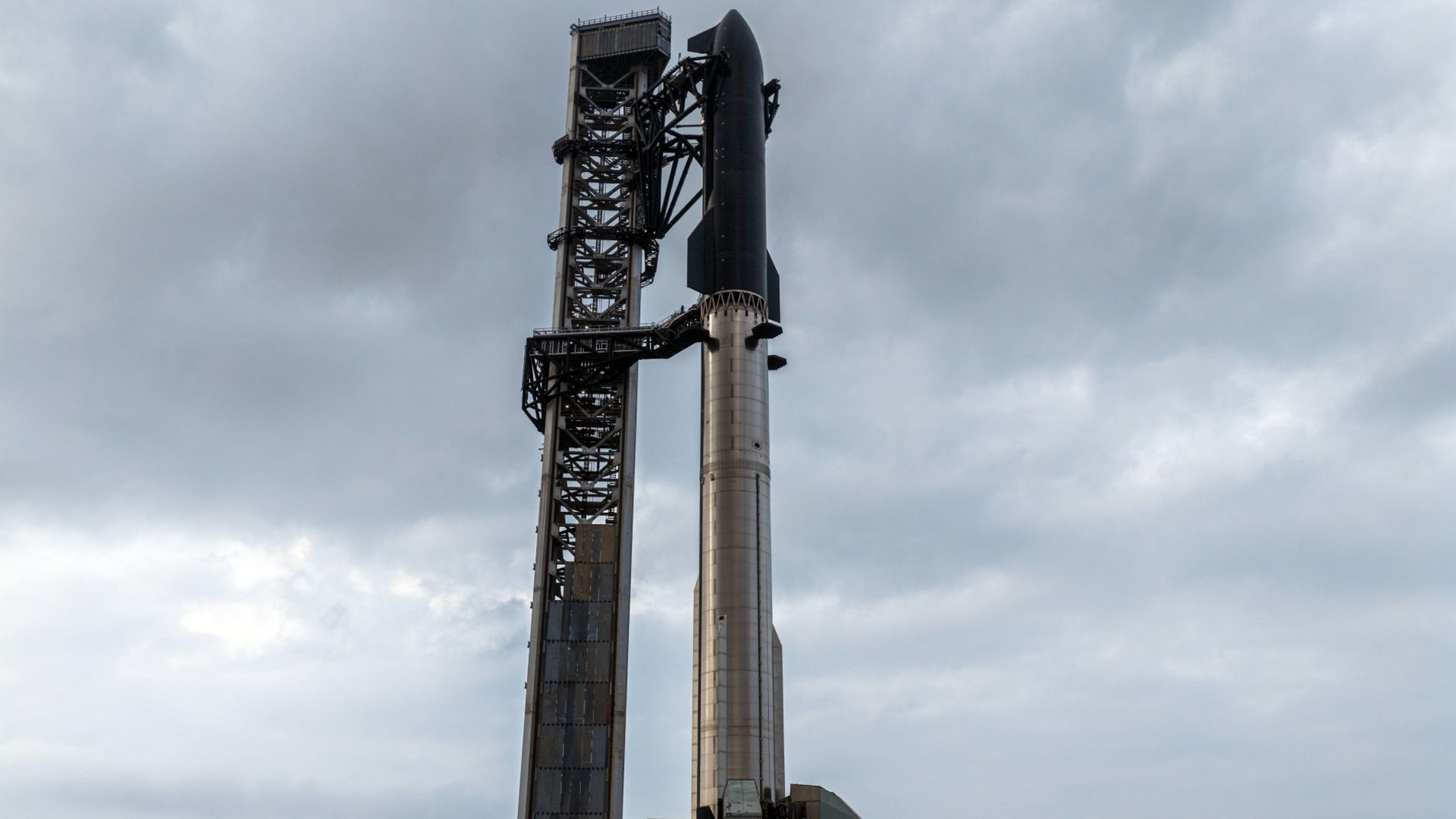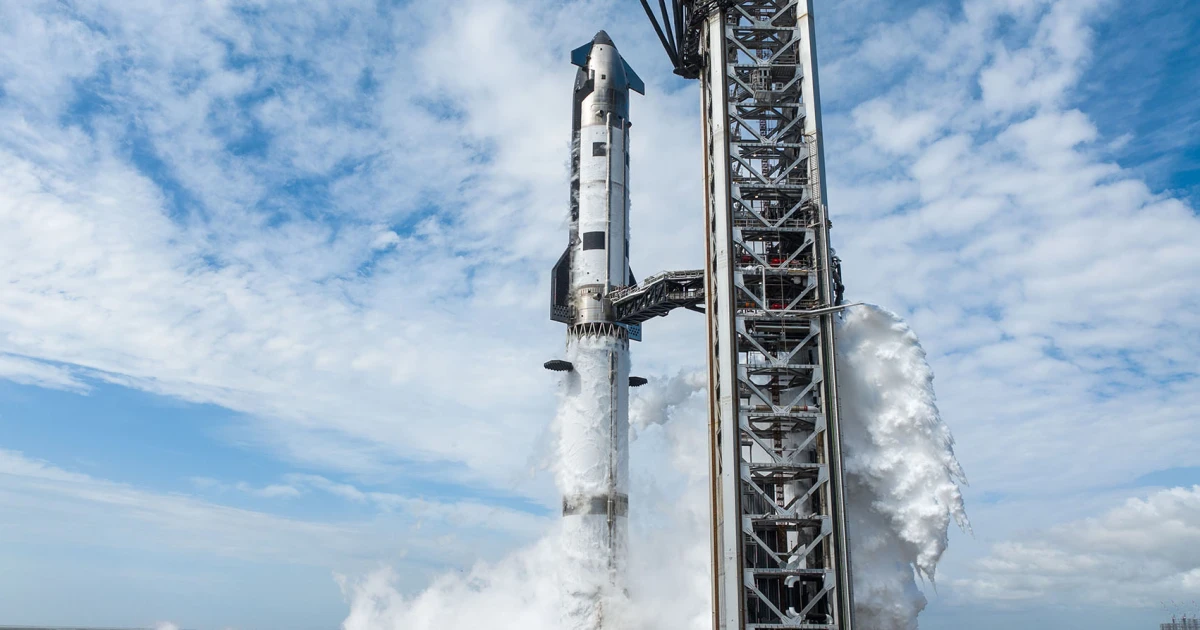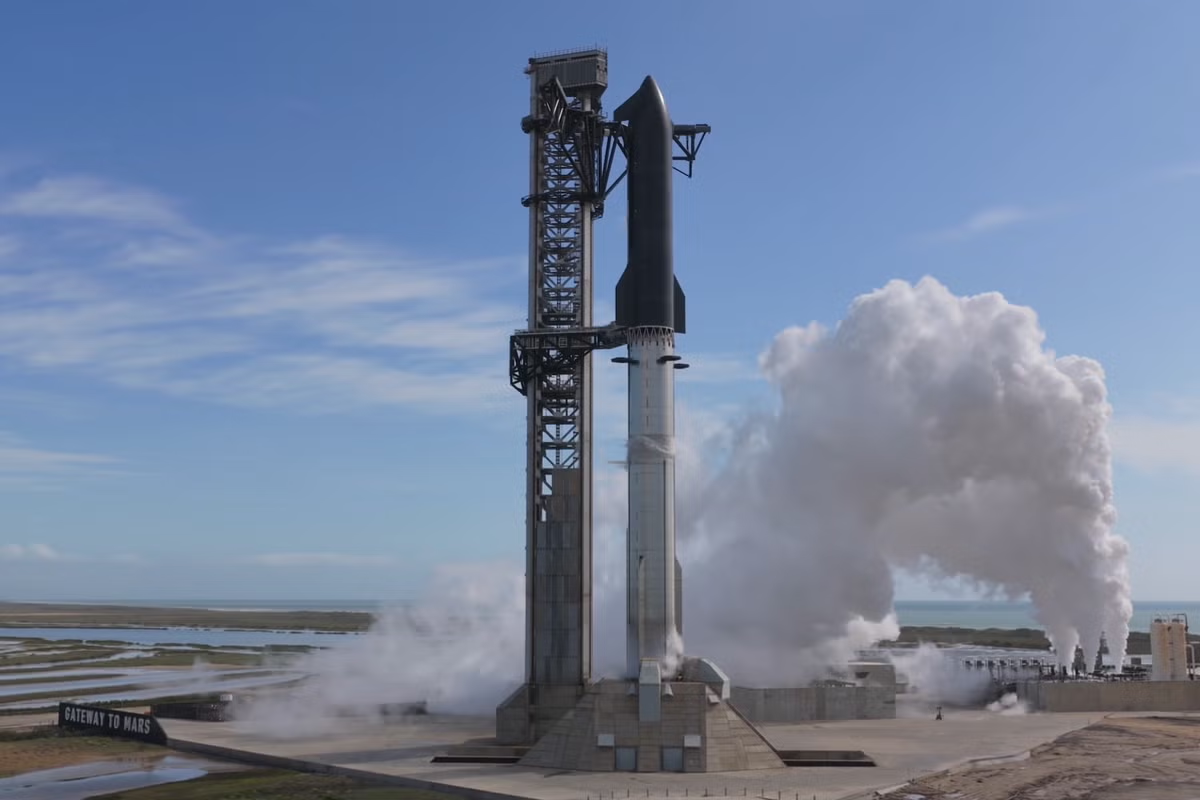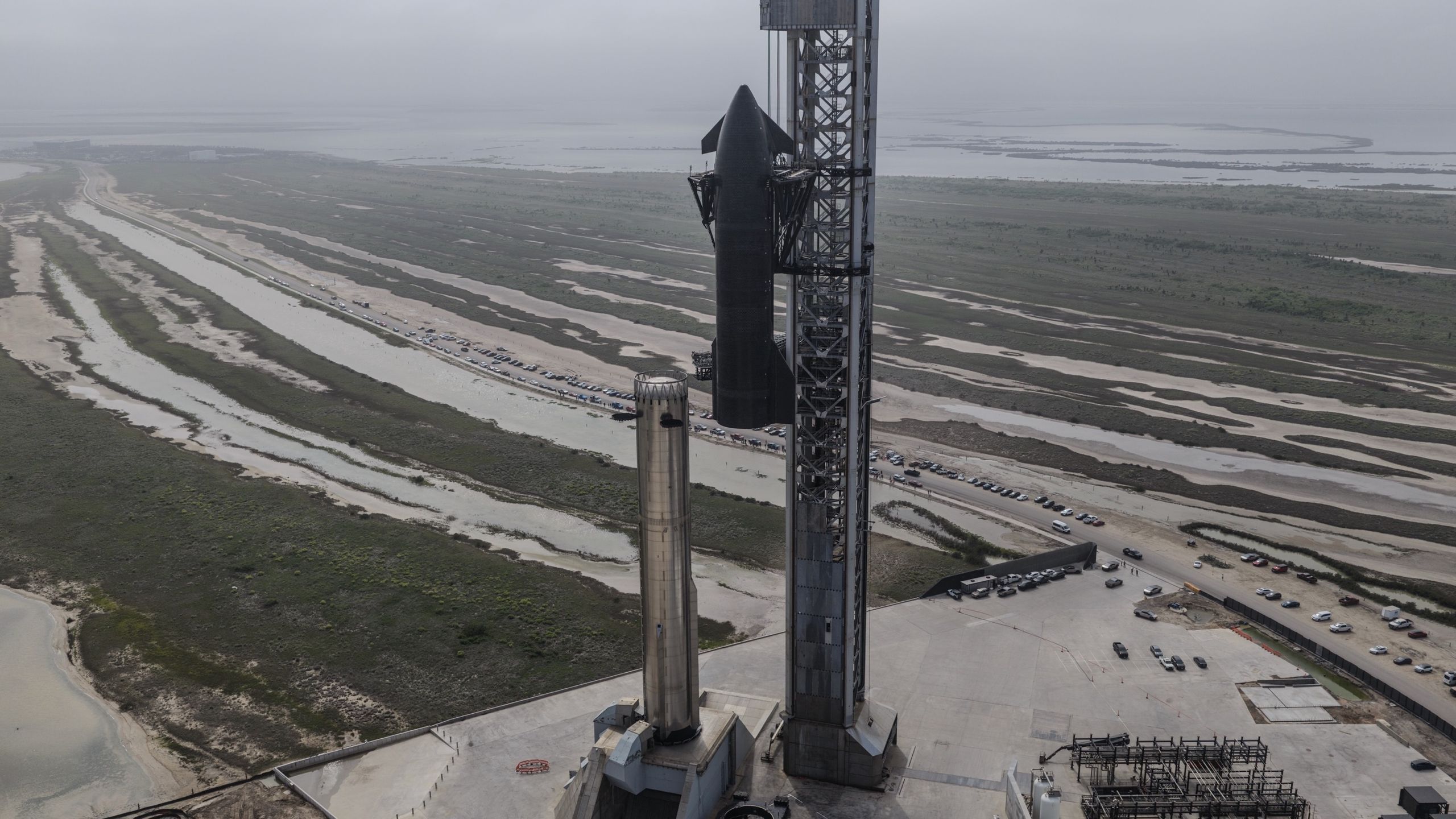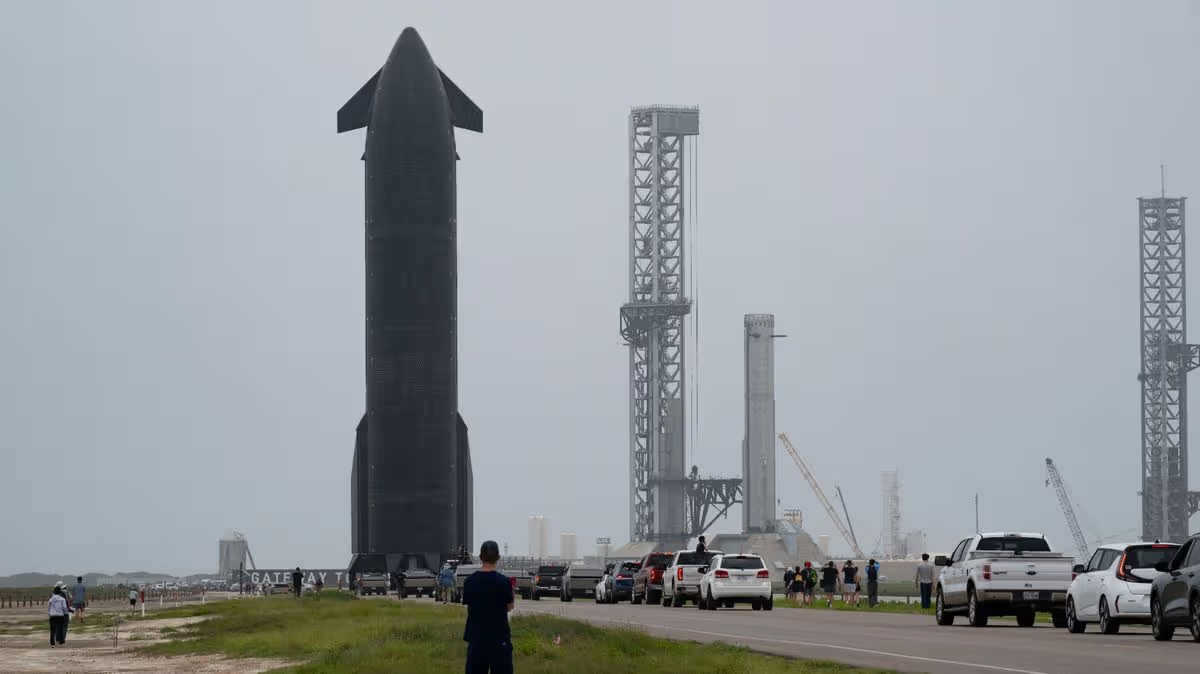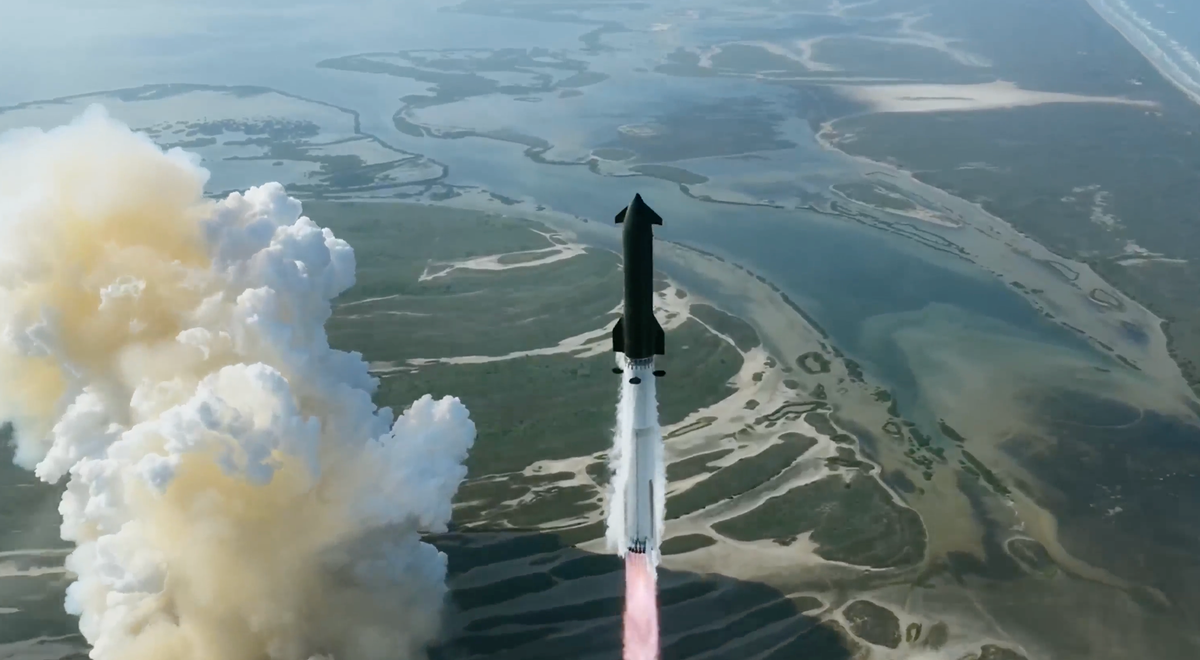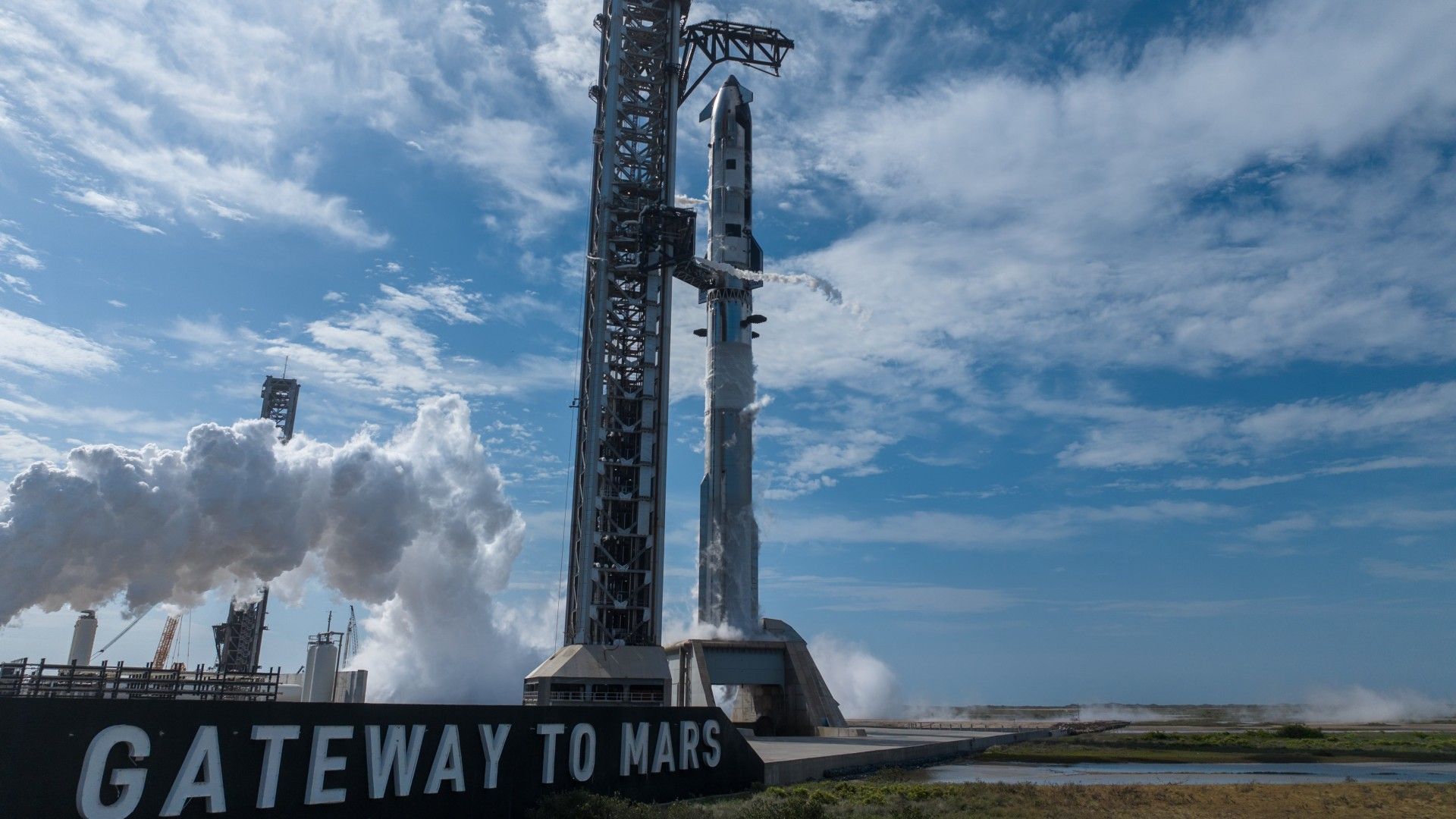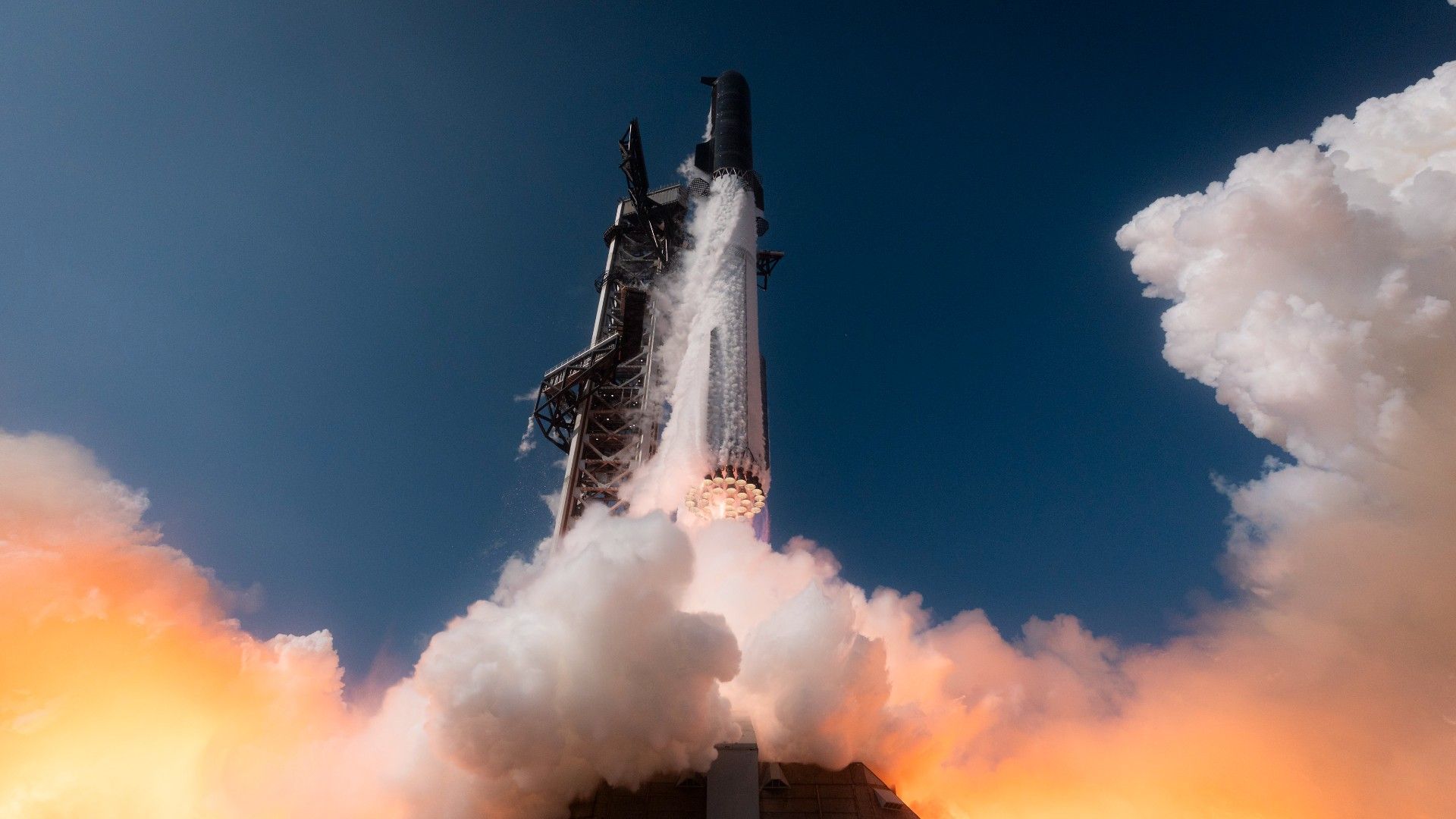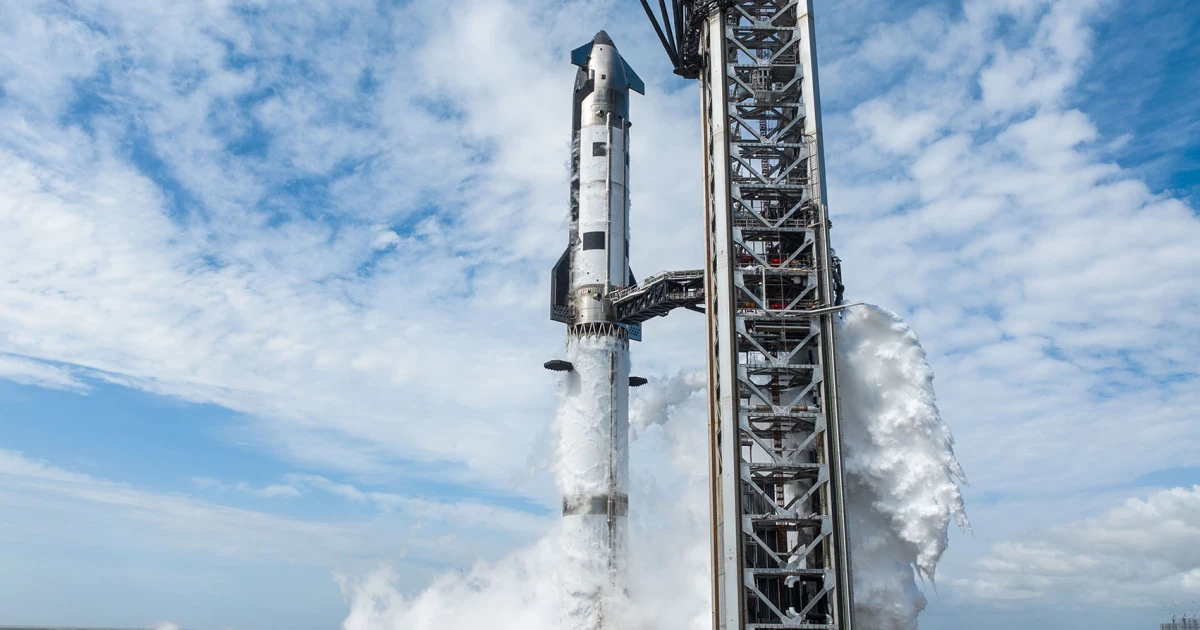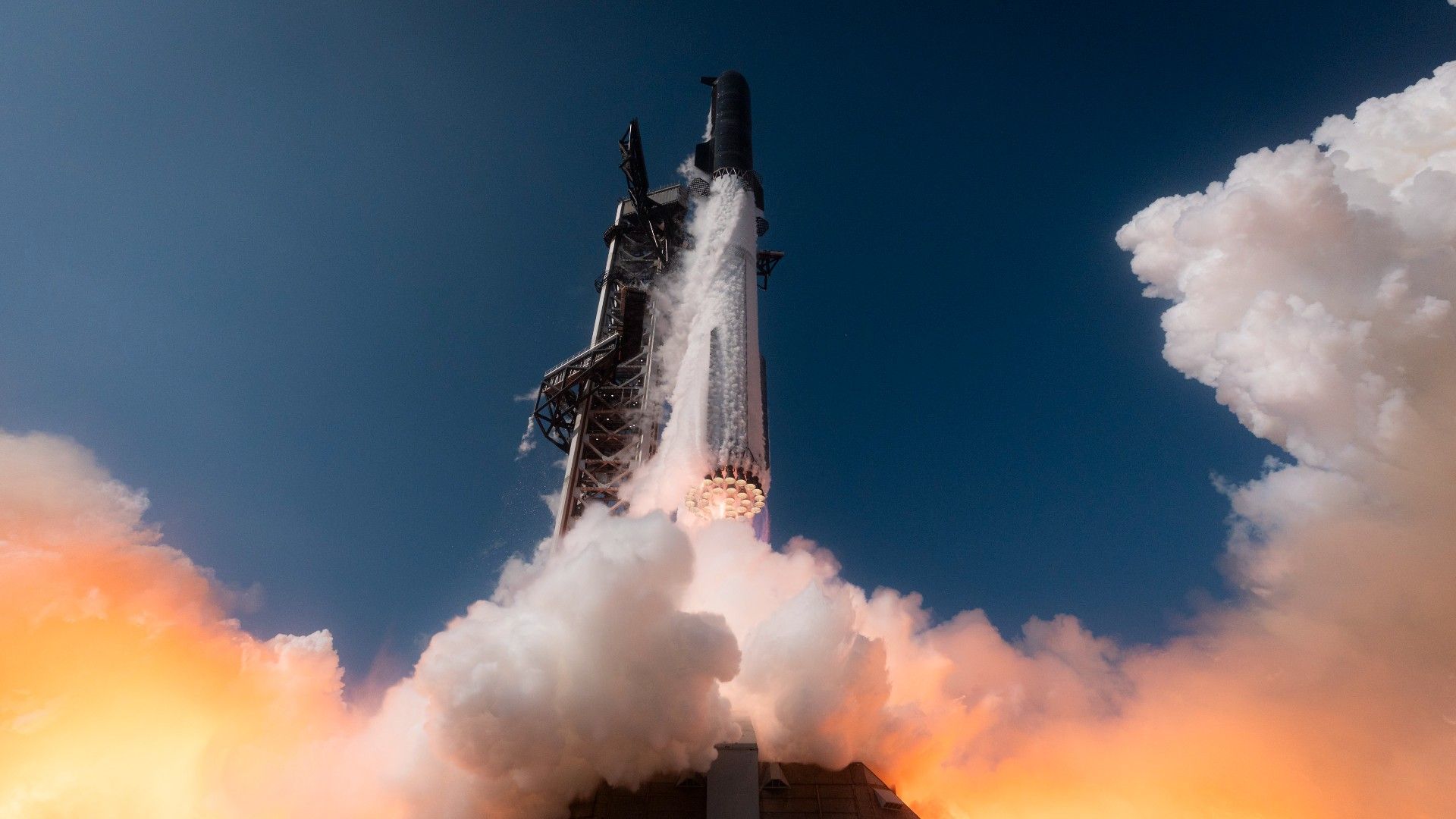
SpaceX is gearing up for a significant milestone this week with the launch of its next-generation Starship rocket, marking the first test flight of 2026 and a major step toward future Moon and Mars missions led by SpaceX. The mission launches Starship Version 3, a significantly redesigned spacecraft that surpasses earlier versions in scale and capability. When completely stacked with the Super Heavy booster, the system stands just more than 124 meters tall and weighs almost 5,000 metric tons, making it the largest and most powerful rocket ever made, even larger than London’s Big Ben Elizabeth Tower in overall scale comparison. This flight also comes at a pivotal moment for SpaceX, which is reportedly getting ready for a possible initial public offering (IPO) next month. The result of this test could influence investor confidence as much as it shapes the company’s technical roadmap.Elon Musk has earlier referred to the system as “alien-level technology”, mirroring the goal behind the design and its complexity.SpaceX Starship V3: A redesigned rocket for deep space missionsStarship Version 3 incorporates major structural upgrades that includes extended upper and booster stages to enhance fuel capacity and payload performance. It also includes upgraded Raptor 3 engines.The Super Heavy booster’s 33 engines are anticipated to produce almost 18 million pounds of thrust at liftoff, more than double the power of NASA’s Saturn V rocket utilized during the Apollo era. The rocket is being developed in partnership with NASA’s long-term lunar exploration plans under the Artemis initiative, with hopes that it could support crewed lunar missions such as Artemis IV, now aimed for 2028. That mission focuses on returning astronauts to the Moon for the first time in over 50 years.NASA has already chosen Starship as a leading lunar lander option, though delays in development could still impact timelines and future mission sequencing. Another competitor here is Blue Origin, which is developing the Blue Moon lunar lander.Testing, upgrades, and risk of SpaceX Starship V3SpaceX has stated that this is a highly experimental flight. The company mentioned in a public statement:“The flight test’s primary goal will be to demonstrate each of these new pieces in the flight environment for the first time,”It also confirmed the booster will not return for recovery this time:“As this is the first flight test of a significantly redesigned vehicle, the booster will not attempt a return to the launch site for catch.”The upgraded launch system at Starbase has better “chopsticks” used to catch returning boosters, made to enhance swift reuse in future missions.How to watch SpaceX Starship V3 LaunchThe launch will be streamed live by SpaceX through several official channels, including its website, X (formerly Twitter), and YouTube.Livestream begins: ~45 minutes before liftoffScheduled launch time: 5:30 PM local time (11:30 PM BST), Thursday, May 21Watch platforms: SpaceX official website, X, and YouTube channelSpaceX also plans behind-the-scenes coverage via “Test like you fly” series, offering additional insight into launch preparations. However, timings remain flexible due to weather conditions or technical checks, which means delays are possible up until the final countdown. If the flight succeeds, it could move Starship closer to supporting NASA’s Artemis 3 orbital operations and a potential Artemis 4 lunar landing later this decade. If not, it may force further redesigns in one of the most ambitious rocket programs ever attempted.FAQs:Q1. What is Starship Version 3? Starship Version 3 is the latest upgraded version of SpaceX’s mega rocket designed for deep-space missions. It features improved engines, larger capacity, and enhanced performance systems.Q2. When is the launch scheduled? The launch is planned for Thursday at 5:30 PM local time, subject to weather and technical conditions. It will be streamed live online.
SpaceX Starship V3 launch set this week: How to watch next-gen mega rocket test
SpaceX is getting ready to launch Starship Version 3, the next-generation spacecraft designed for Moon and Mars missions under NASAs Artemis program. The test flight marks the first significant launch of 2026 and introduces a redesigned rocket with increased size, thrust, and upgraded Raptor engines. The mission will analyze booster recovery systems, heat shield performance, and satellite deployment capabilities. It comes amid delays in development and growing expectations for future crewed lunar missions.
606 words~3 min read