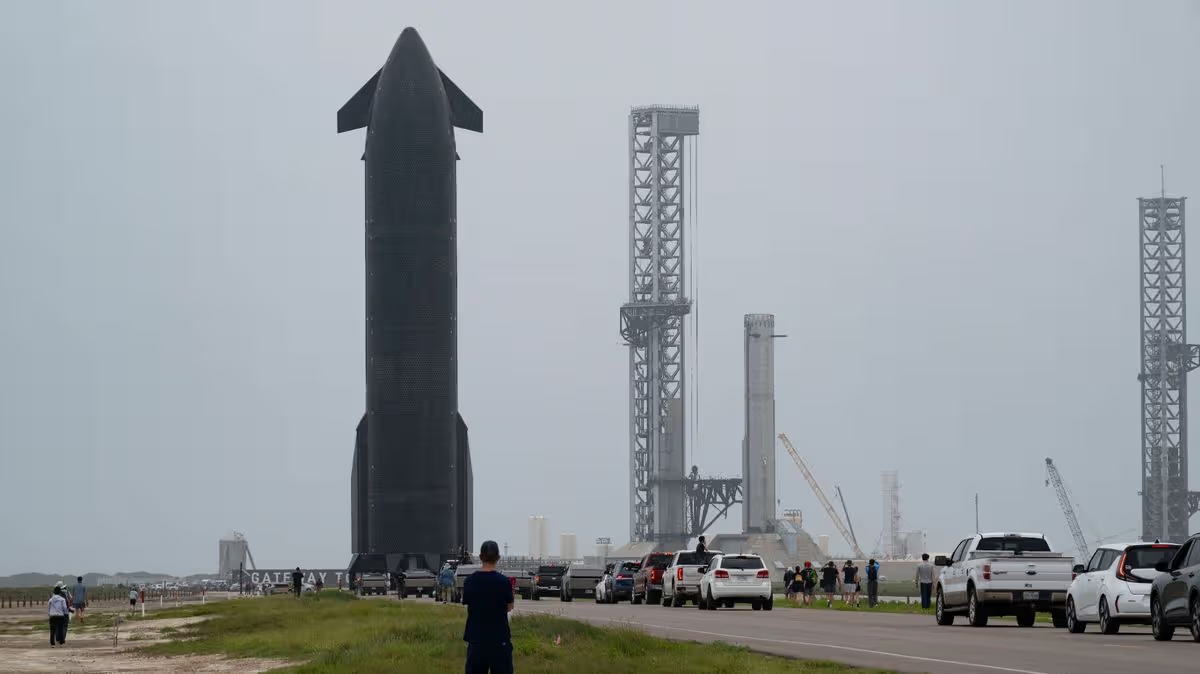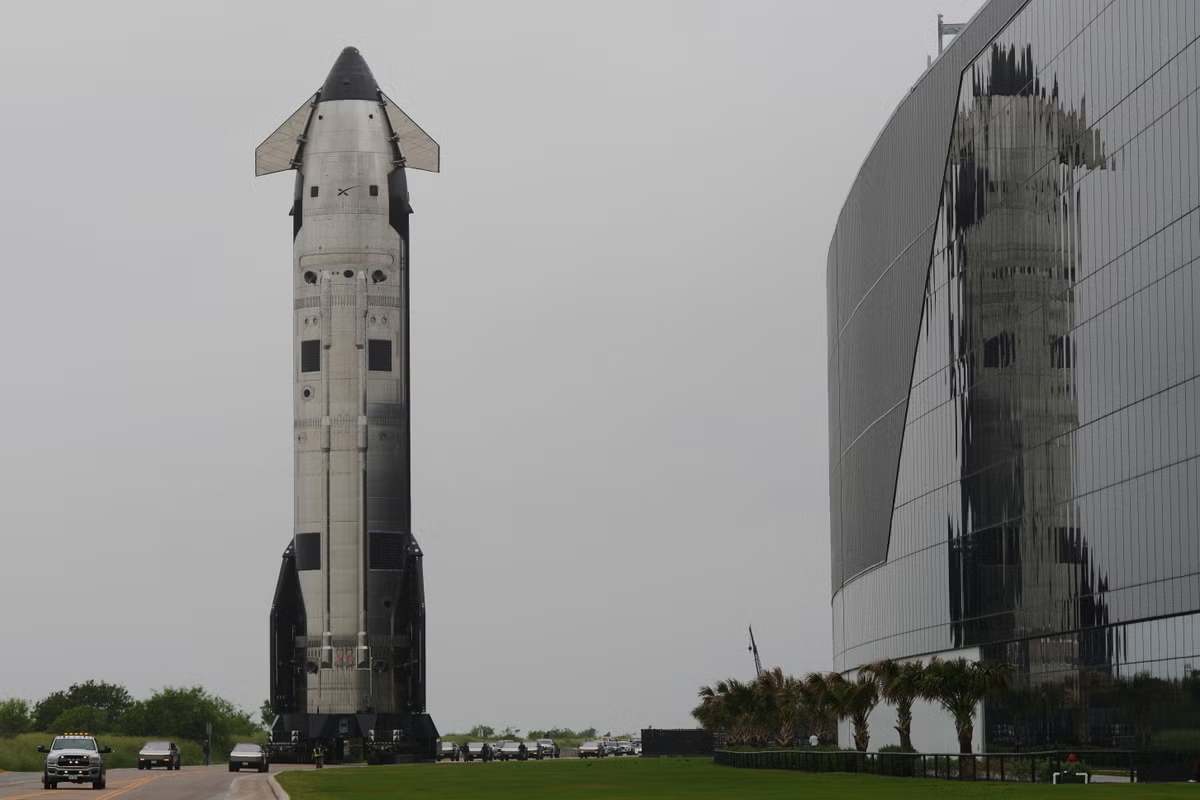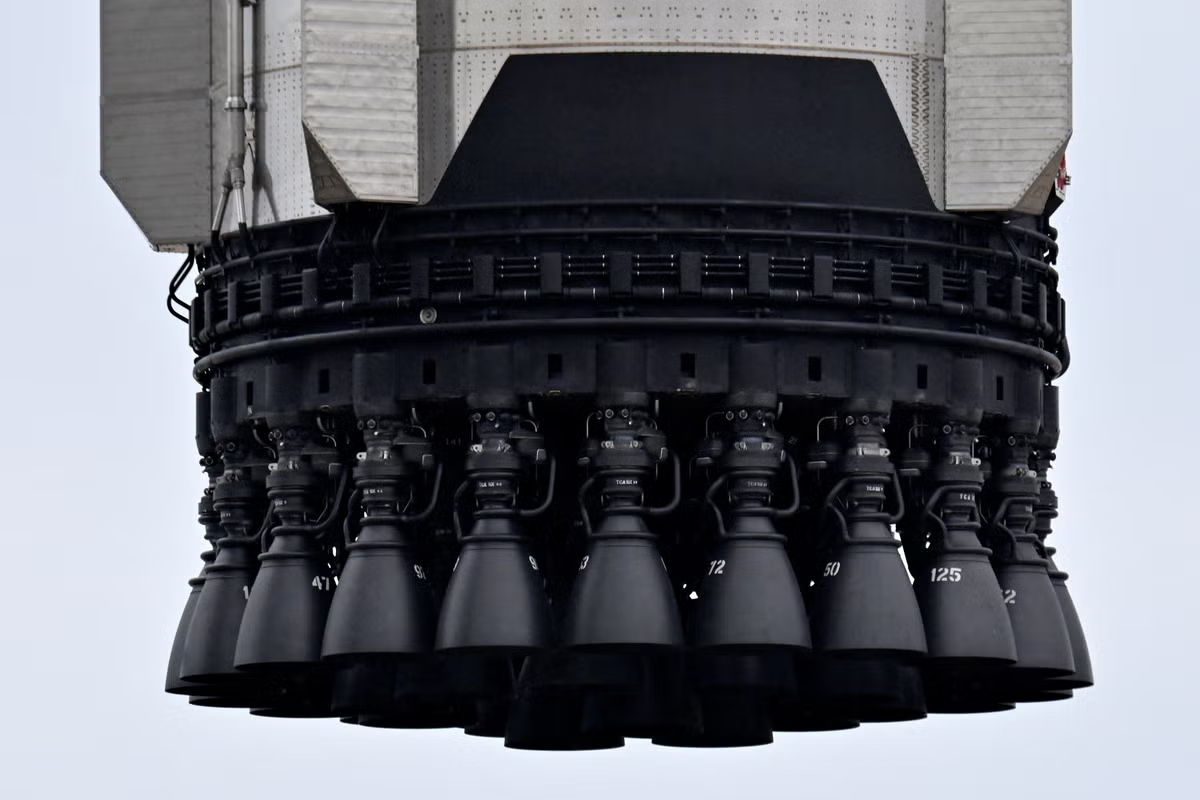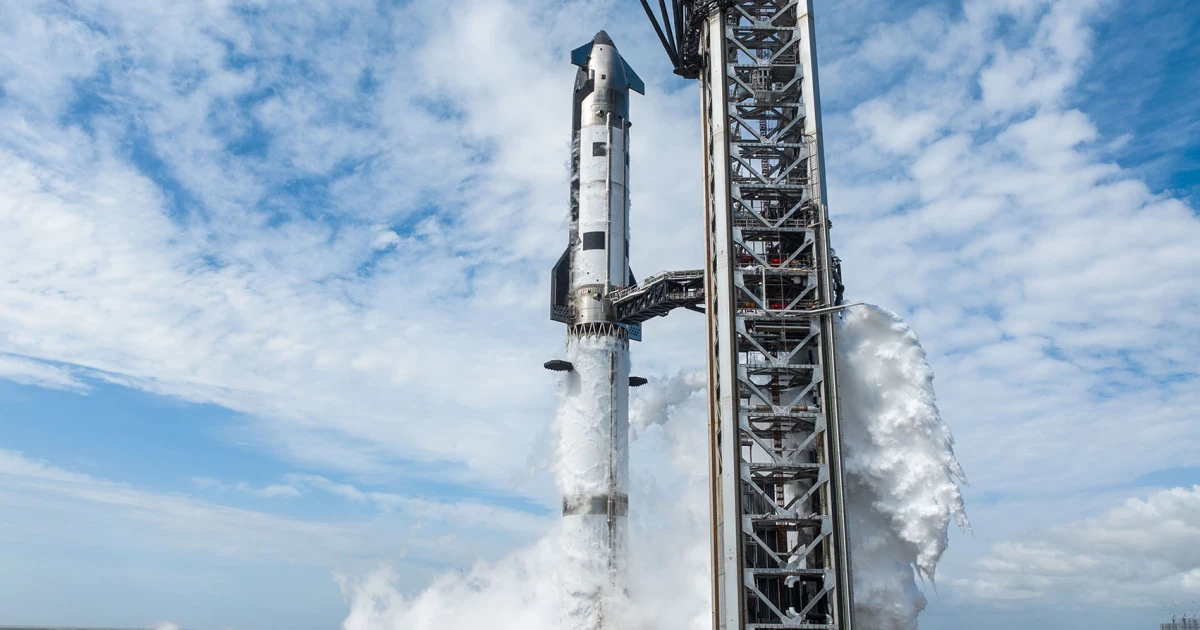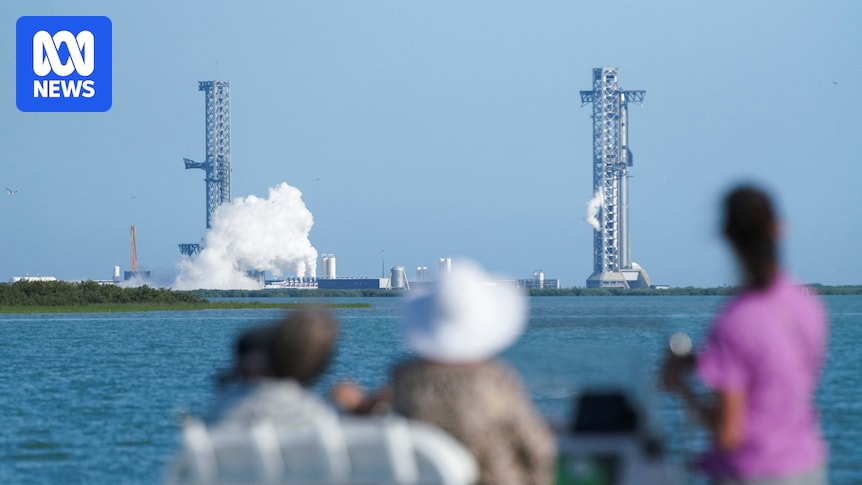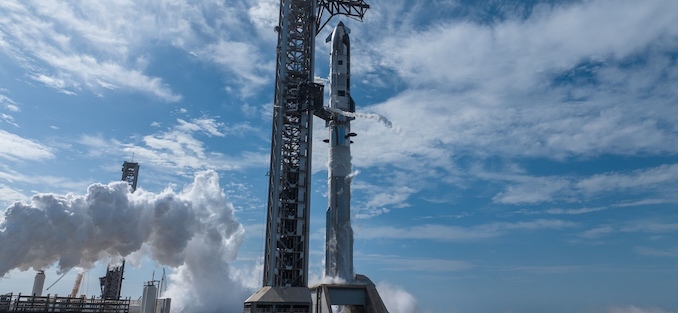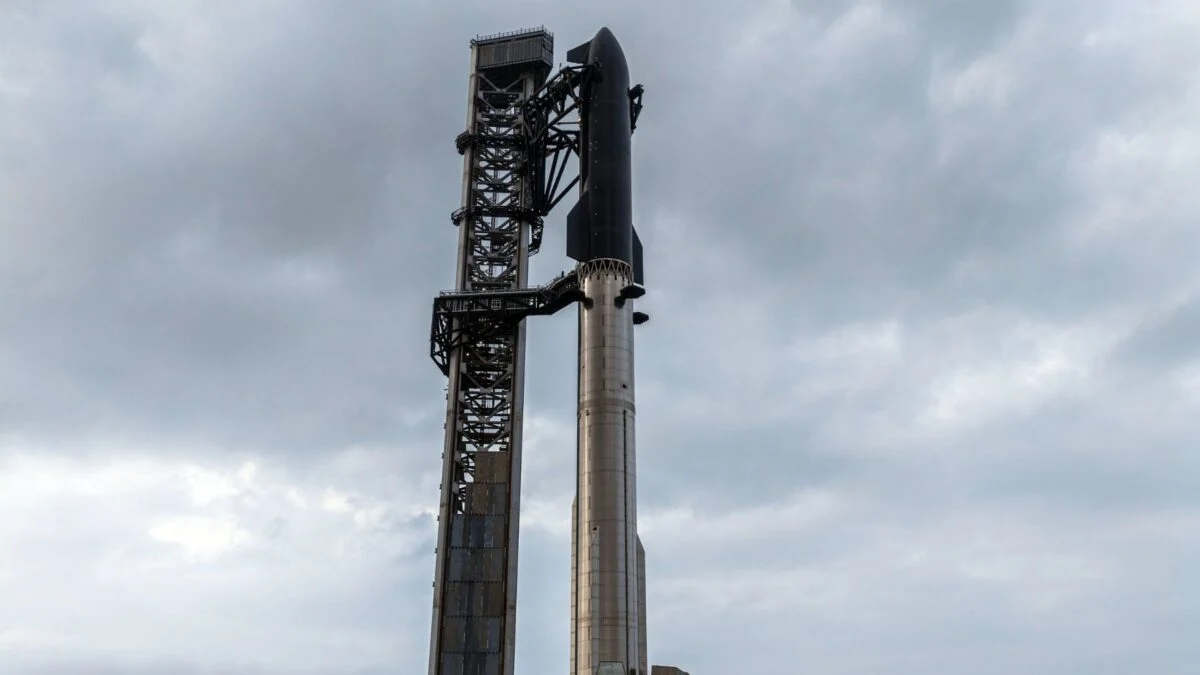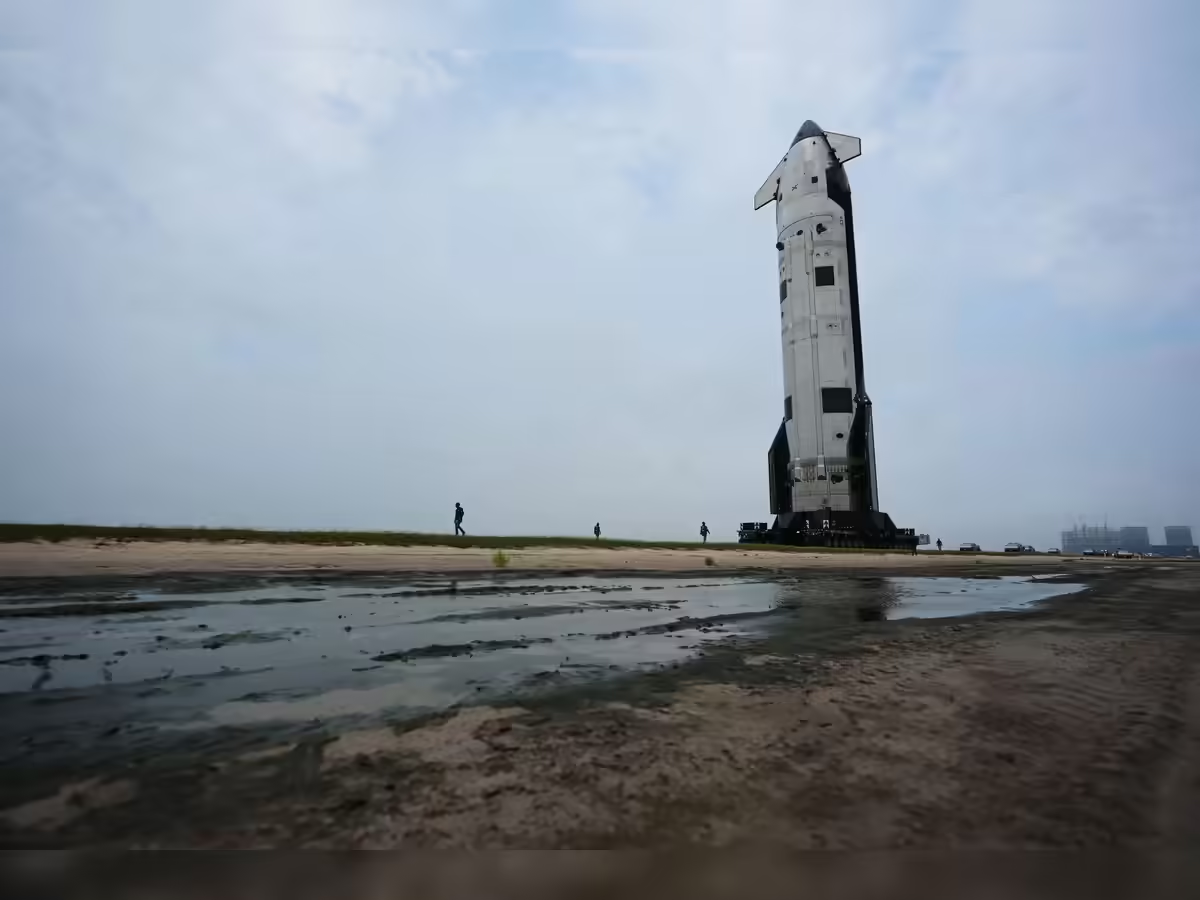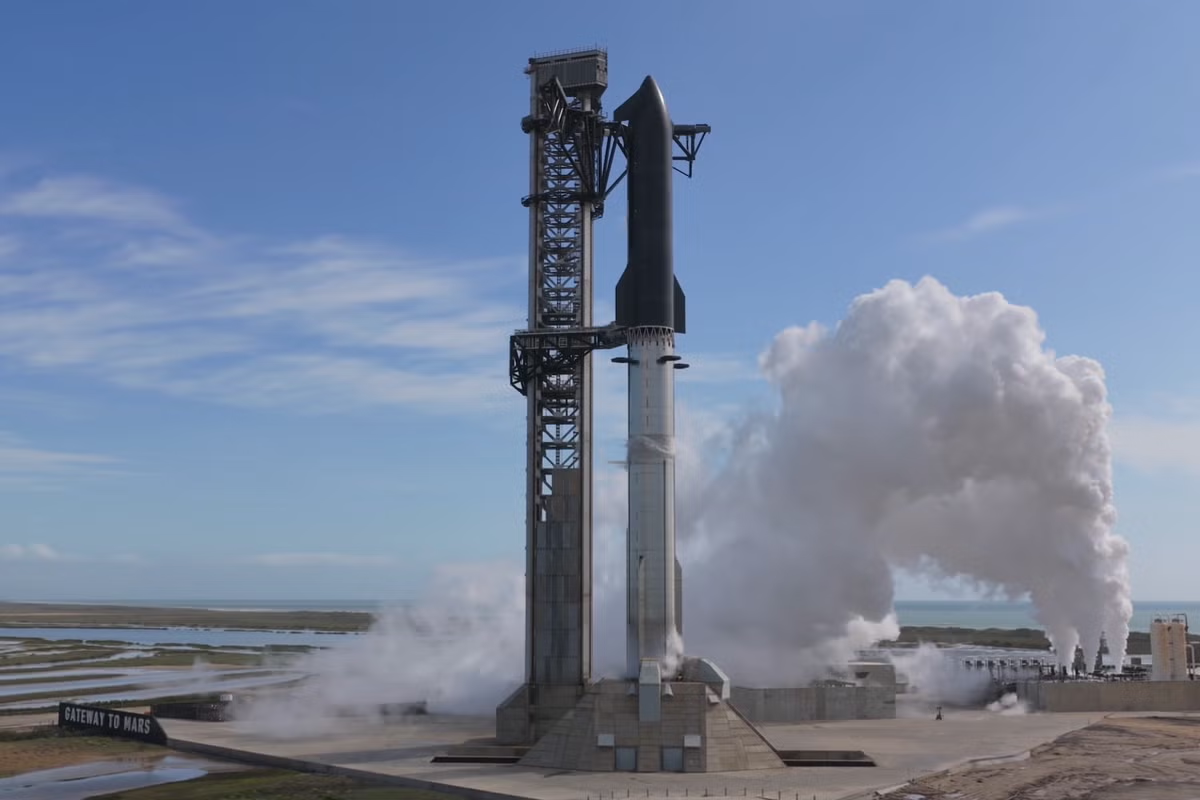
SpaceX is preparing to launch the next generation of its Starship rocket this week, just two years ahead of a planned mission to use the vehicle to carry astronauts to the Moon.It marks the first flight of Starship Version 3, which beats its predecessor to become the biggest and most powerful rocket ever built.When fully stacked, the Starship craft and Super Heavy booster measure just over 124 metres and weigh roughly 5,000 metric tons, making it larger than Big Ben’s Elizabeth Tower.It is the first Starship flight test in 2026, and could prove to be a make-or-break mission for Elon Musk’s SpaceX.What is at stake for this Starship launch?The rocket is being developed as part of Nasa’s Artemis program, with the hope that it will be ready to fly for the Artemis IV mission in 2028 that will return astronauts to the Moon for the first time in more than 50 years.SpaceX has suffered several setbacks in Starship’s development, which have caused Nasa to push back deadlines for its Artemis program.Any further delays could jeopardize Nasa’s timeline even further, as well as the plans of SpaceX boss Elon Musk to use the rocket to send people to Mars.The launch also comes at a critical time for SpaceX, as the company is currently preparing to go public in an initial public offering (IPO) that is expected to go ahead next month.The success of the IPO will depend, at least to some extent, on the success of the latest Starship flight test.What has changed for Starship V3?Musk has described Starship as “alien-level technology” due to the sheer scale and complexity of the rocket system.SpaceX lengthened both the upper stage and the Super Heavy booster of Starship Version 3 in order to expand fuel capacity, improve payload space, and upgrade its propulsion system with Raptor 3 engines.The 33 Raptor 3 engines on the Super Heavy booster will be capable of generating roughly 18 million pounds of thrust at lift-off, which is more than double the power of Nasa’s Saturn V rocket used during the Apollo program.SpaceX's Starship rocket prototypes are seen at the SpaceX Starbase in Brownsville, Texas, on 19 August, 2023 (Reuters)The latest Starship will also launch from a newly designed pad at SpaceX’s Starbase facility in Texas, designed to improve rapid reusability.Among the upgrades to the launchpad are shorter “chopsticks”, which are used to catch the booster rocket once it has separated from the upper stage and returned to Earth.“The flight test’s primary goal will be to demonstrate each of these new pieces in the flight environment for the first time,” a post to SpaceX’s website explained.“As this is the first flight test of a significantly redesigned vehicle, the booster will not attempt a return to the launch site for catch.”How to watch the Starship launchA live stream of the launch will be available on SpaceX’s website, as well as the company’s official X page and YouTube channel.The webcast will begin about 45 minutes before liftoff, which is currently scheduled for 5:30pm local time (11:30pm BST) on Thursday, 21 May.The nature of the flight test means these times are subject to change, depending on whether any issues are discovered in the build up to the launch, or if weather conditions become unfavourable.SpaceX has also launched a new ‘Test like you fly’ series that shows viewers behind-the-scenes footage of the launch team as they prepare for liftoff.
Starship launch: How to watch make-or-break SpaceX mission this week
A live stream of the launch will be available to watch what Elon Musk describes as ‘alien-level technology’
565 words~3 min read