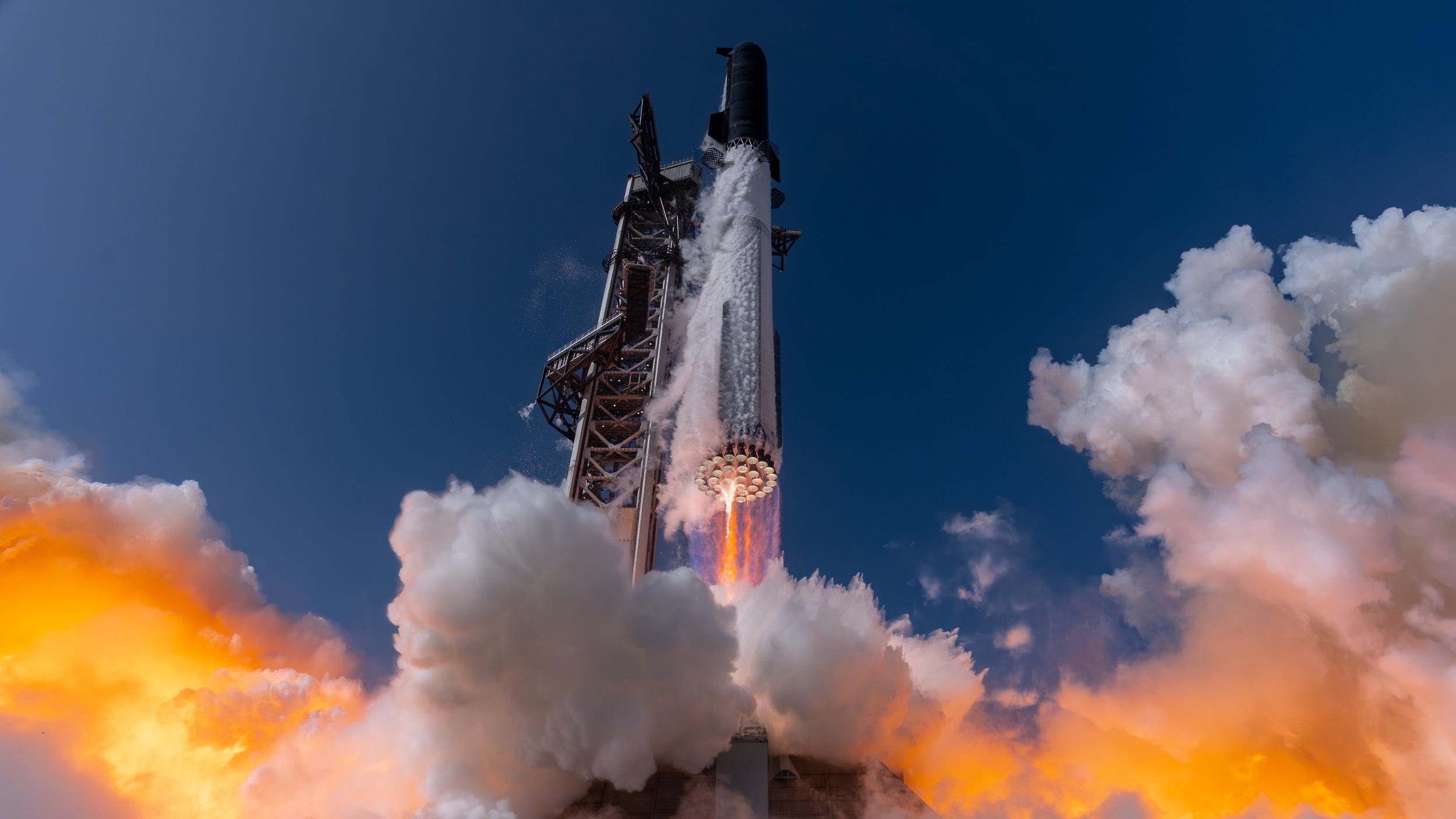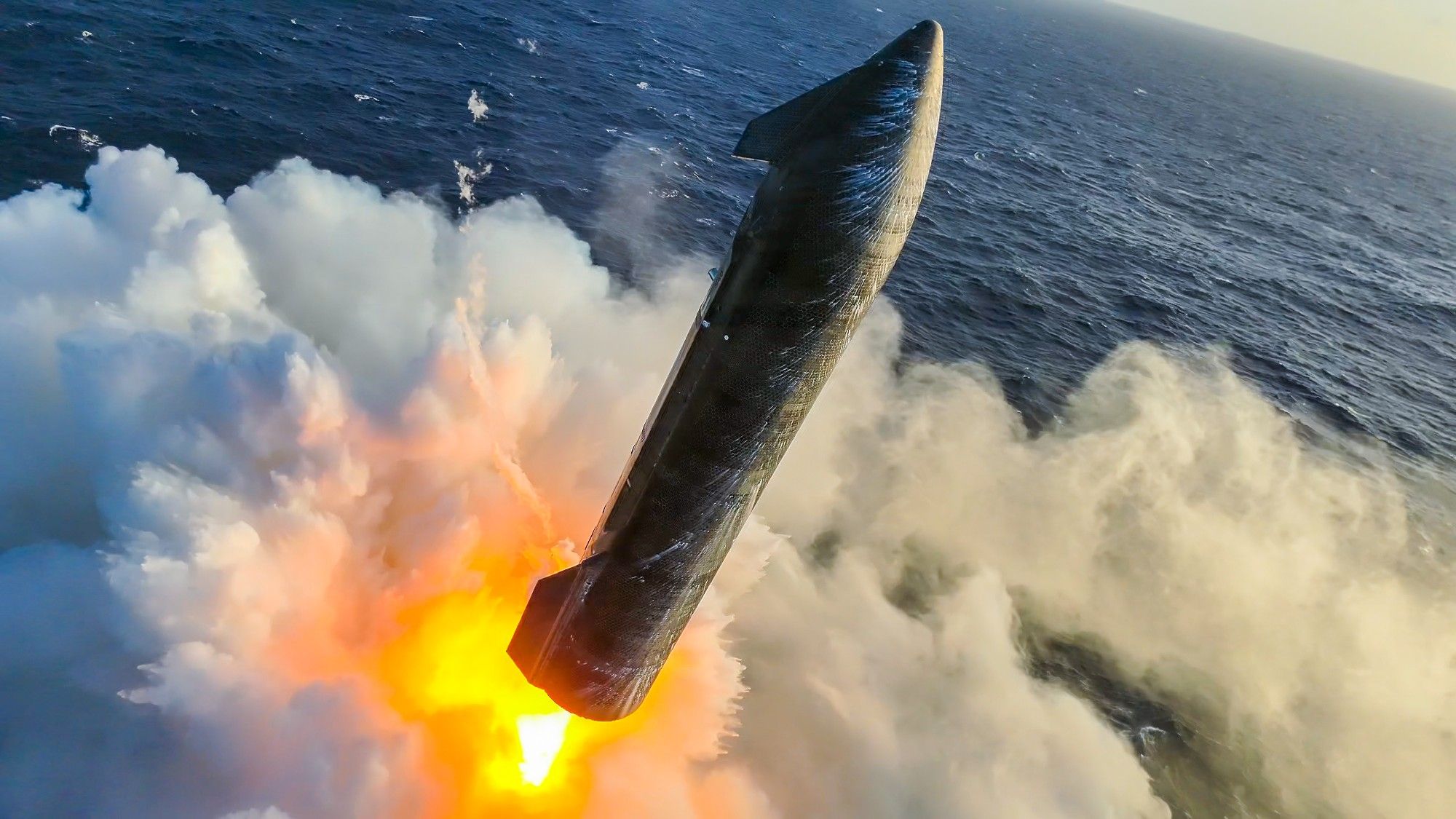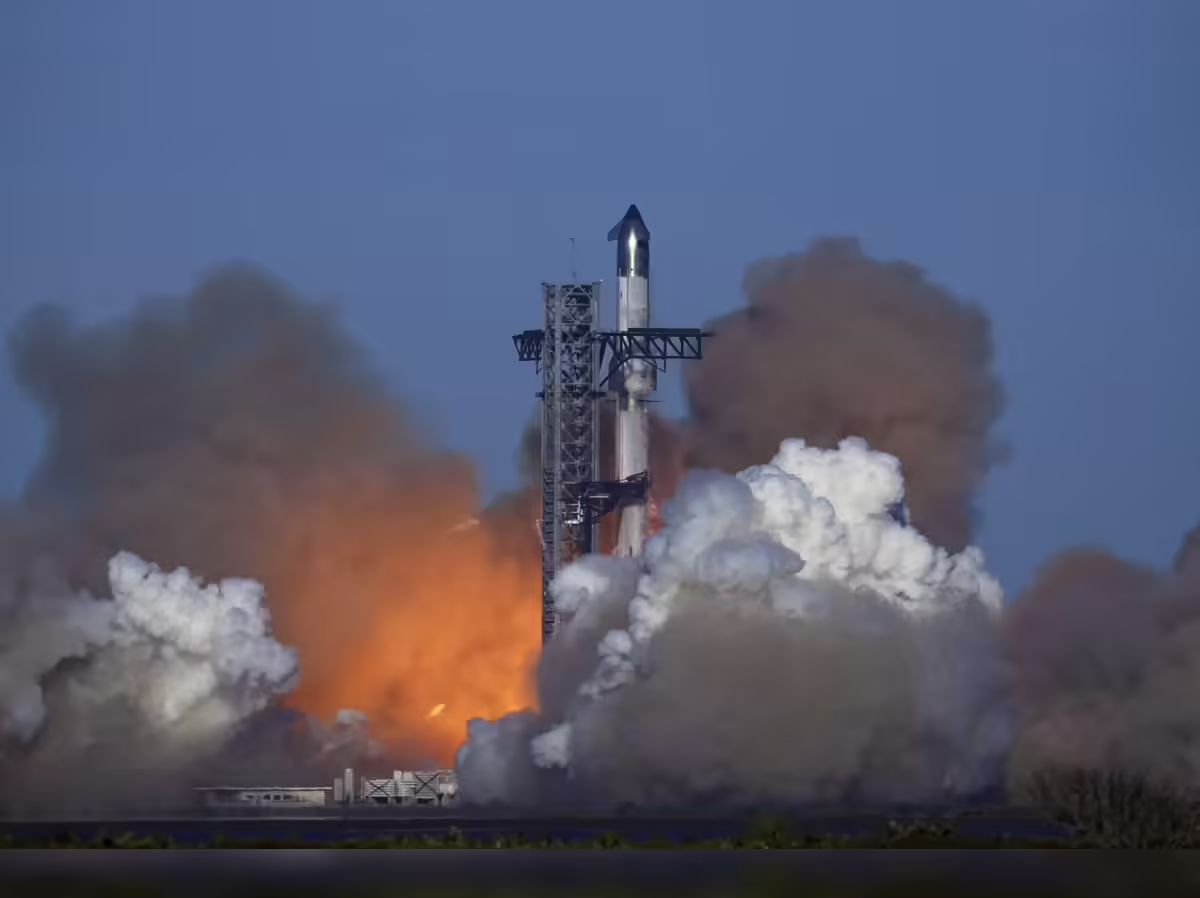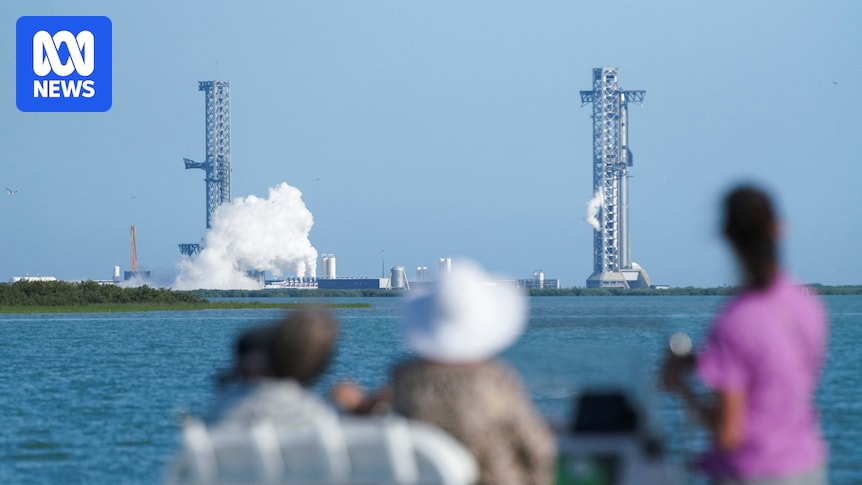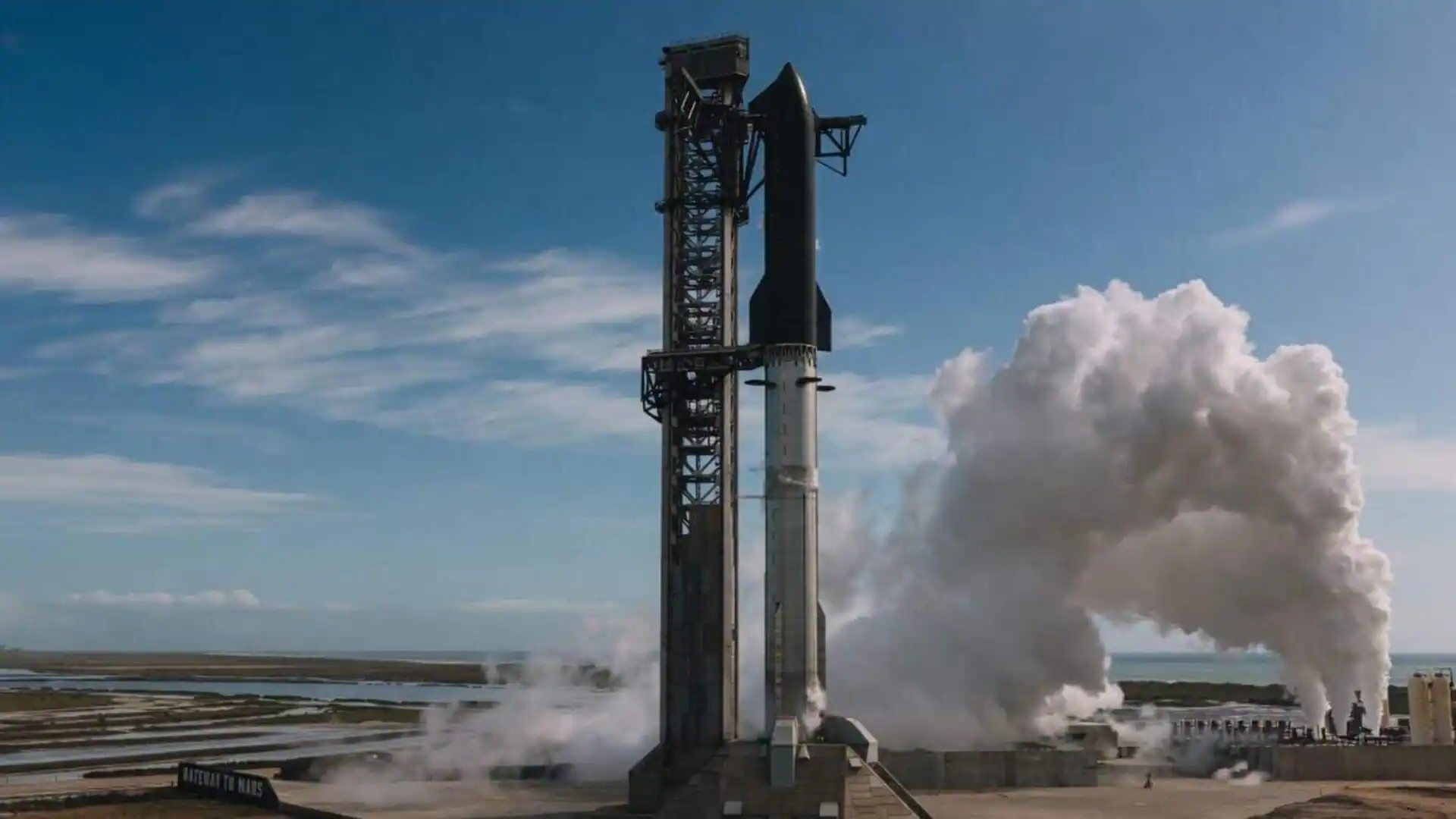
SpaceX aims to fly its Starship again as early as this month, Elon Musk has announced.The test flight of the spacecraft – the most powerful ever built – will send its first upgraded Starlink satellites into orbit before tries to bring the rocket’s upper stage back to land for the first time, Mr Musk announced during SpaceX’s first earnings call.The targets for Starship's 14th test flight mark a significant advance in the reusable rocket's development since its previous mission in July, when the upper stage demonstrated improved landing capabilities over the Indian Ocean.Musk had previously indicated that SpaceX might attempt an upper-stage land recovery later this year, potentially on the 14th flight depending on the performance of the 13th test.Ground recoveries of the upper stage, the primary "ship" element of Starship, are vital to SpaceX's ambition to create the world's first fully reusable orbital launch system. Musk intends to use this capability to significantly expand the firm's Starlink broadband network.The landing attempt will also be followed closely by NASA, which plans to use the vehicle as a moon lander.The SpaceX Starship and Super Heavy v3 Booster lift off on its 13th test flight from the SpaceX launch complex in Starbase, Texas, U.S., July 24, 2026. REUTERS/Steve Nesius/File Photo (Reuters)SpaceX is in the process of recovering the 13th test's rocket stage from the ocean for inspection, according to satellite imagery captured by Vantor. Musk said the exact timing of Starship's next flight and whether SpaceX returns the ship from the next mission to land hinges on regulatory approval."Assuming we receive regulatory approval to do so, we'll attempt to catch the ship with the tower on the next flight, which is tentatively scheduled for the end of this month," Musk said, adding he expects the Starship launch frequency to "increase rapidly."A return to land would involve catching the upper stage with giant mechanical arms attached to the tower in Texas from which the rocket launched. SpaceX has recovered the rocket's Super Heavy booster using those arms three times, the last time in March 2025.If those arms catch the upper stage, Super Heavy would land in the Gulf of Mexico, as it has done in its past five tests. But eventually Musk wants the tower to catch both stages: first Super Heavy, which will be quickly placed aside so the arms can then catch the ship some 90 minutes later, after it completes a full journey around Earth."Probably a year from now, we will be doing at least one flight a day, possibly more," Musk projected.SpaceX leadership members and guests celebrate on a balcony at the Nasdaq MarketSite on the day of SpaceX's initial public offering (IPO), in New York City, U.S., June 12, 2026. REUTERS/Brendan McDermid/File Photo (Reuters)The 14th Starship flight test will aim to send to orbit the first batch of V3 Starlink satellites. Those are "expected to deliver 10 times the amount of broadband capacity and data density from our current generations," Musk said.SpaceX ultimately aims to send 60 such Starlink satellites to space per Starship launch, it said in its IPO prospectus, and launch dozens of Starship missions carrying them.SpaceX rocket launches of its own satellites have gradually overtaken the share of its launches for external customers as Starlink revenue soars further past SpaceX's other units, tightening U.S. launch scarcity as demand for accessing space rises.
SpaceX plans another Starship test this month with new Starlink launch
The landing attempt will be followed closely by NASA, which plans to use the vehicle as a moon lander
557 words~3 min read