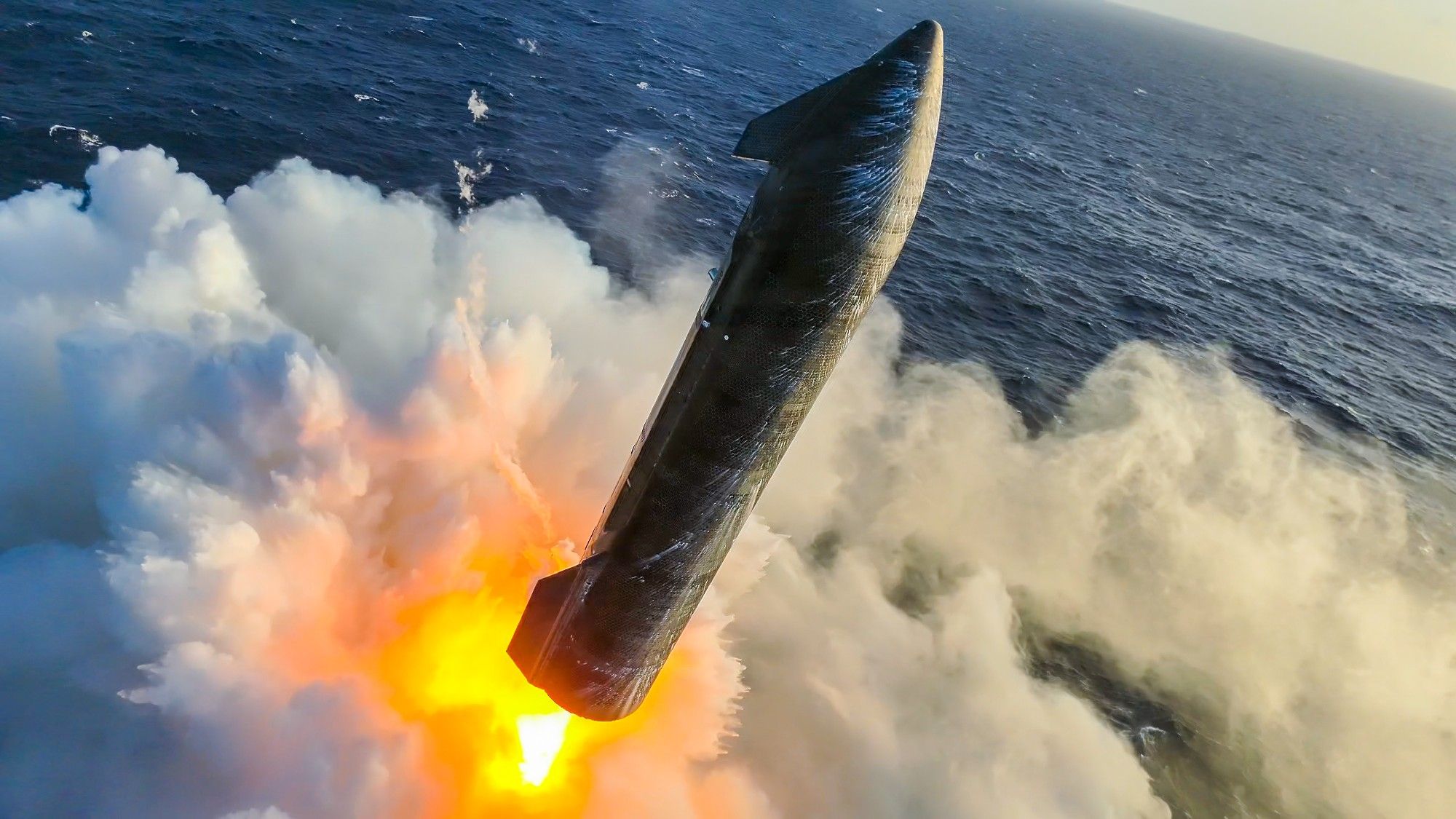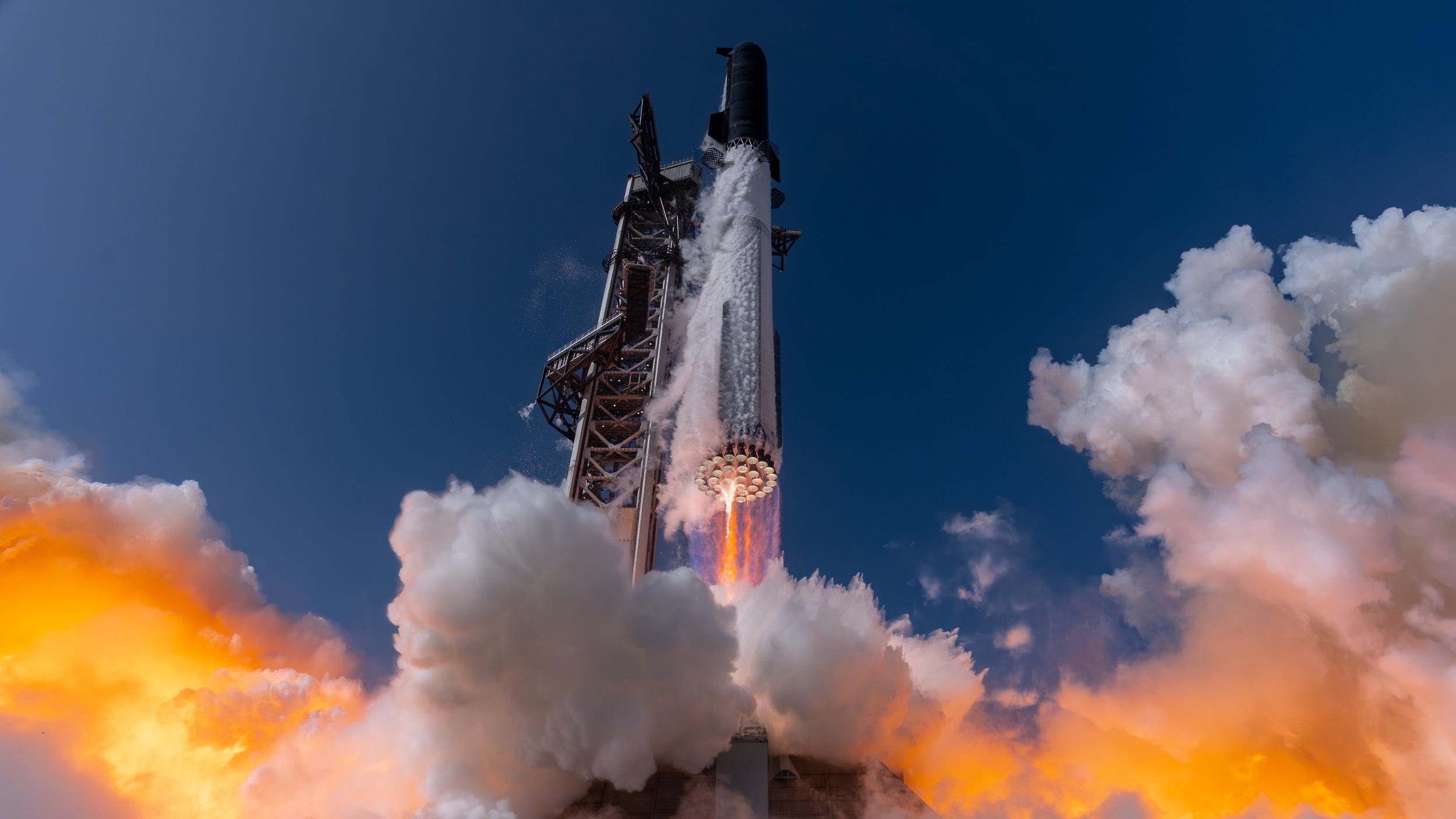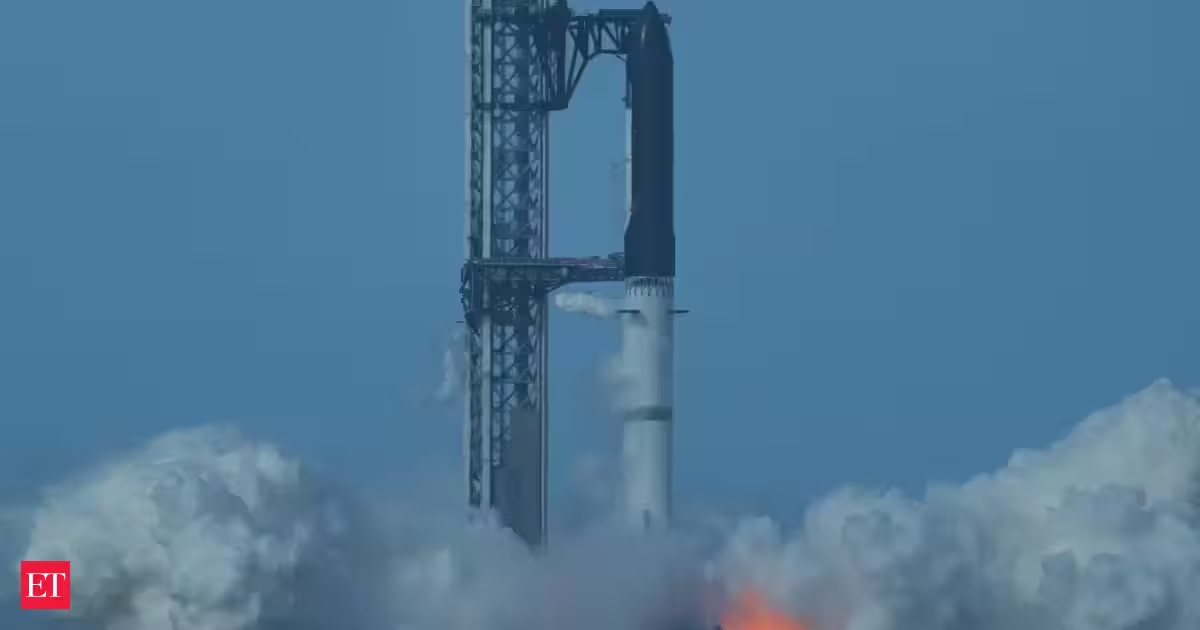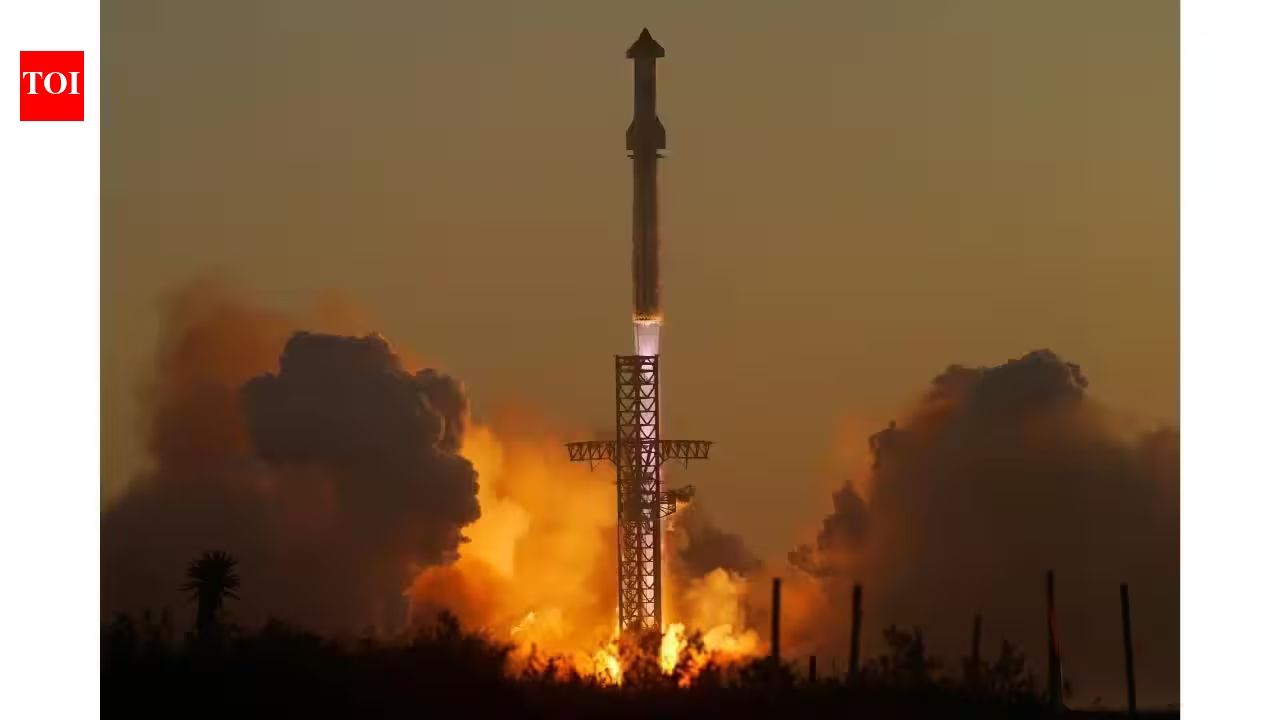
SpaceX is currently pulling the 13th test's rocket stage out of the ocean for inspection,SpaceX is planning to launch its next Starship test flight as soon as this month, CEO Elon Musk said on August 4 at the company's first earnings call. The mission will send the first upgraded Starlink satellites into orbit. It will also try to land the rocket's massive upper stage for the first time. This marks a big step up from the last test in July, when the upper stage showed better landing skills over the Indian Ocean. However, the plan still depends on getting regulatory approval, Musk said, adding that Starship's launch pace should "increase rapidly" in the coming months.Landing the upper stage, known as the "ship," is key to SpaceX's goal of building the world's first fully reusable orbital rocket system. Musk wants to use this system to grow the Starlink broadband network. NASA is also watching closely, since it plans to use Starship as a moon lander.SpaceX to seek regulatory approval for its next rocket launch dateSpaceX is currently pulling the 13th test's rocket stage out of the ocean for inspection, based on satellite images from Vantor. During the earnings call, Elon Musk said the exact launch date, and whether the ship will attempt a landing, depends on approval from regulators. "Assuming we receive regulatory approval to do so, we'll attempt to catch the ship with the tower on the next flight, which is tentatively scheduled for the end of this month," Musk said.The 14th Starship flight will carry the first batch of V3 Starlink satellites into orbit. Elon Musk said these satellites are "expected to deliver 10 times the amount of broadband capacity and data density from our current generations." SpaceX has said in its IPO prospectus that it eventually wants to launch 60 such satellites per Starship mission, across dozens of future flights.How the catch-and-land system worksA successful landing would mean catching the ship using giant mechanical arms on the launch tower in Texas. SpaceX has already used these arms to catch the rocket's Super Heavy booster three times, most recently in March 2025. If the tower catches the ship, Super Heavy would instead land in the Gulf of Mexico, as it has in its last five tests. Musk's long-term goal is for the tower to catch both parts. Super Heavy would be caught first, then quickly moved aside. About 90 minutes later, the ship would return after circling Earth and get caught too."Probably a year from now, we will be doing at least one flight a day, possibly more," Musk said at the earnings call.
SpaceX to launch its next Starship test flight this month, says Elon Musk at company’s first earnings call
SpaceX is planning to launch its next Starship test flight as soon as this month, CEO Elon Musk said on August 4 at the company's first earnings call. The mission will send the first upgraded Starlink satellites into orbit.
435 words~2 min read