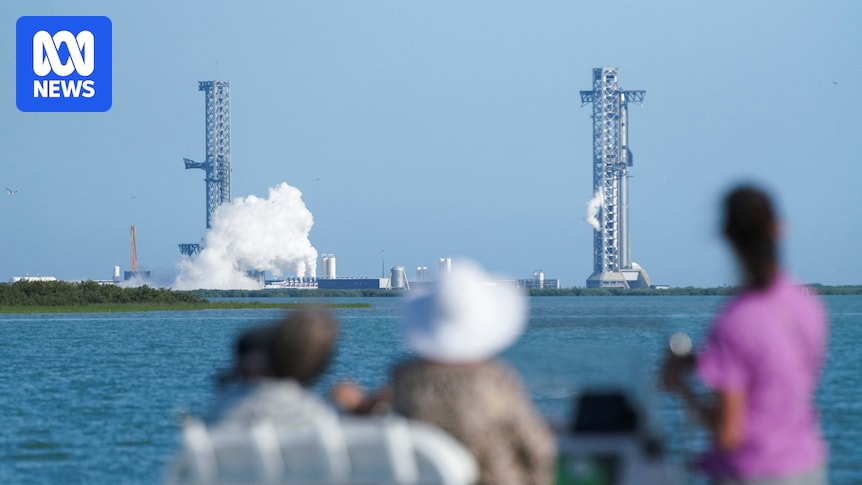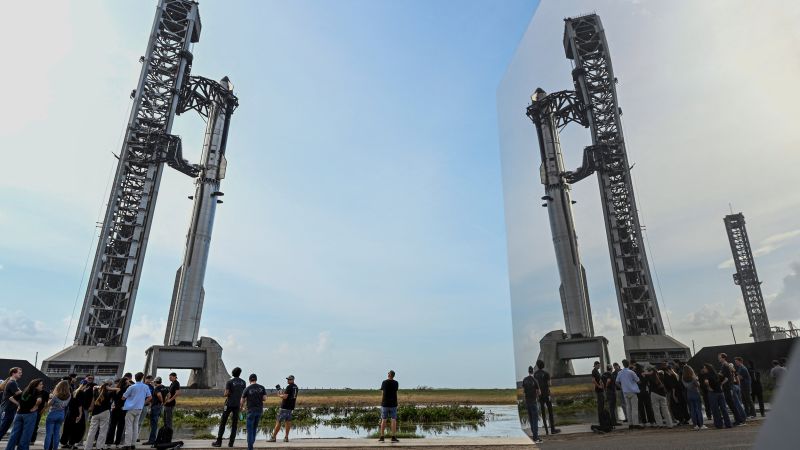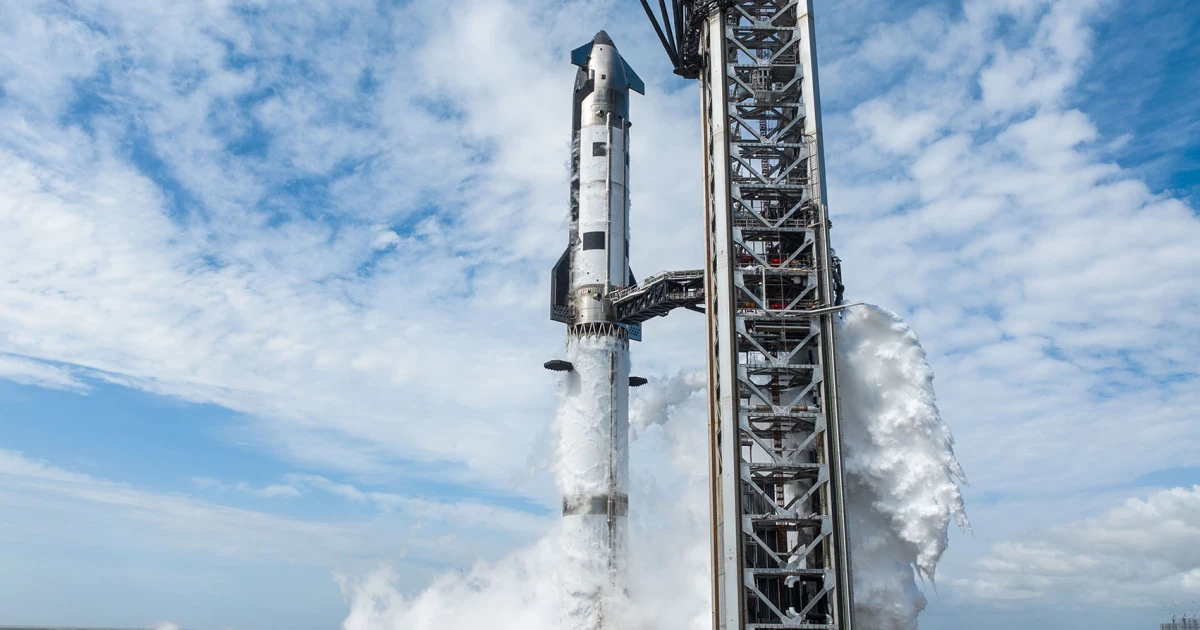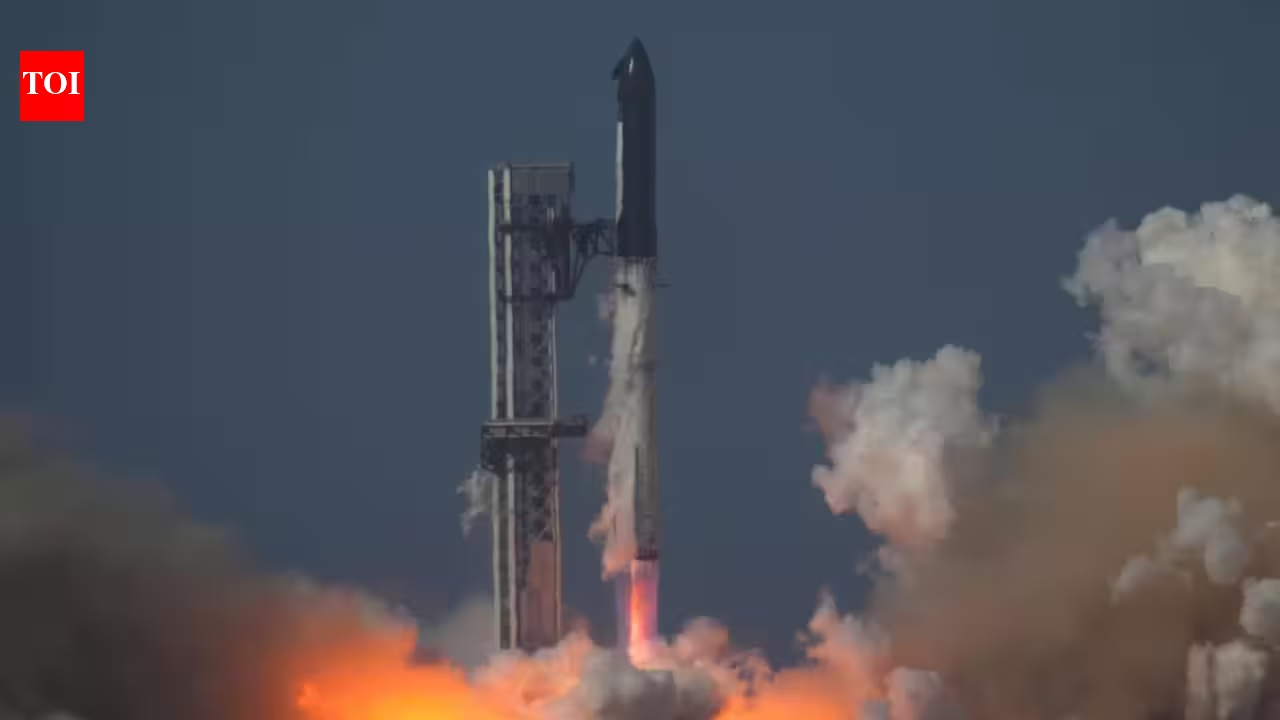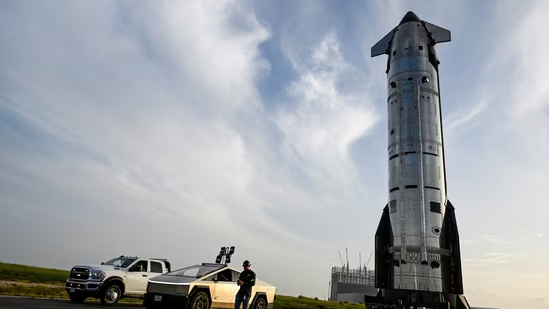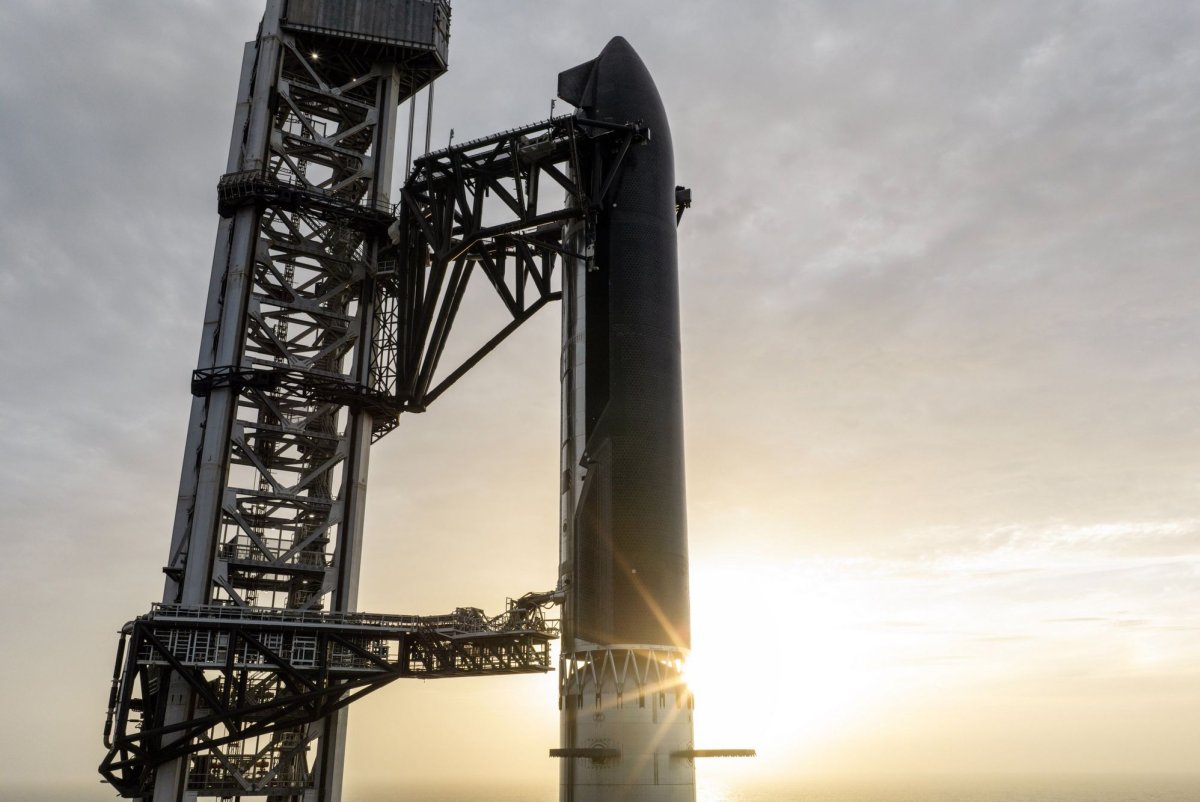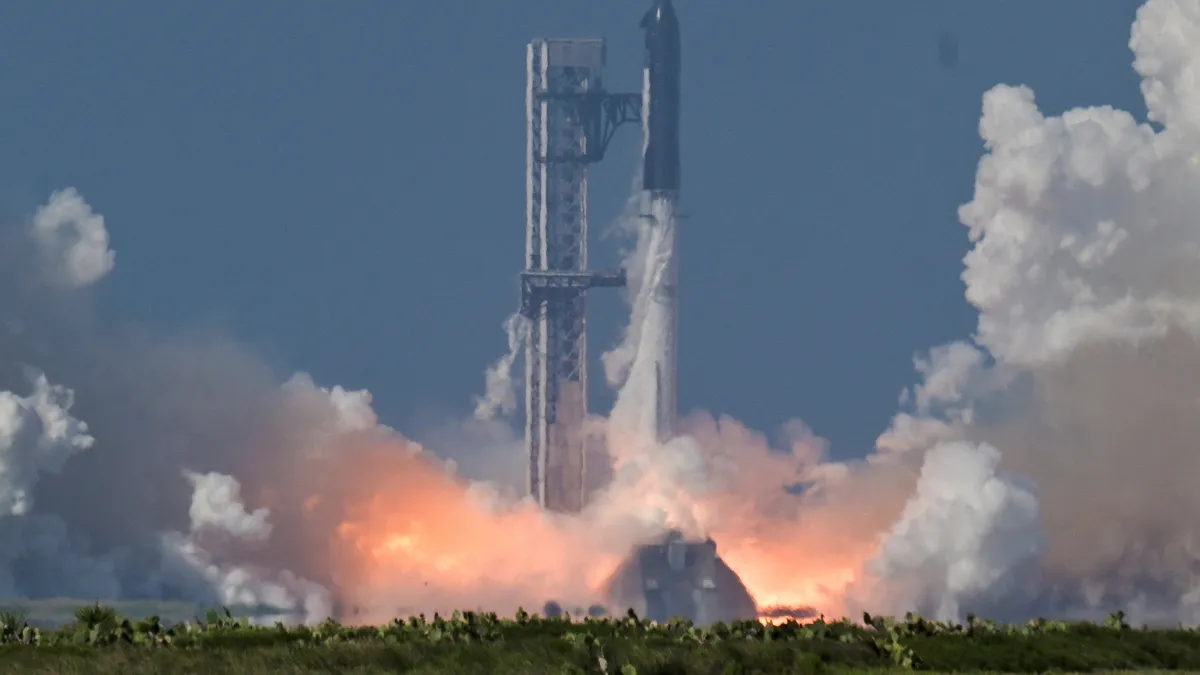
SpaceX's Starship rocket will be critical for NASA's Artemis program as the space agency races to return humans to the moon. The next flight test could come as early as July 16.SpaceX will launch the world's largest rocket for the second time in 2026 as the race heats up for Elon Musk's spaceflight company to be ready for NASA's next moon mission.The gargantuan Starship rocket, standing more than 400 feet tall, last got off the ground May 22 at SpaceX's South Texas headquarters. The flight test marked not only the first Starship launch of 2026, but the highly anticipated debut of a new-and-improved rocket prototype.On the heels of a mostly successful flight, which did require a federally supervised investigation into a mishap, SpaceX is planning Starship's 13th overall test since its maiden voyage in April 2023.The mission, which SpaceX refers to as "flight 13," comes as the company is under pressure to have Starship ready to reach space in 2027 for NASA's Artemis III mission. The follow-up to the Artemis II mission that captivated the world in April, Artemis III will send a new crew of astronauts to Earth orbit to test out SpaceX and Blue Origin's lunar landers.Here's what to know about the date for SpaceX's next Starship launch.When is the next Starship launch date? SpaceX announces flight 13SpaceX is working toward a Thursday, July 16, launch of its Starship rocket, the company announced. The launch window is due to open from 6:45 to 8:15 p.m. ET, with the massive rocket getting off the ground from SpaceX's Starbase company town and headquarters in Texas near the U.S.-Mexico border.If the launch needs to be postponed, a planning advisory from the Federal Aviation Administration, which licenses commercial rocket launches, suggests another opportunity is available the following day.Launch is 1st since SpaceX IPOThe next Starship test flight will be the first time SpaceX will launch the rocket since the company made its highly anticipated initial public offering in June.SpaceX made its debut June 12 on the Nasdaq Exchange valued at $1.75 trillion, making it the largest IPO in stock market history. The move made the commercial spaceflight company a public entity in which anyone can buy stock and invest.What is SpaceX's Starship megarocket? Elon Musk has visions of MarsStarship is the massive rocket that SpaceX, the commercial company founded by tech entrepreneur Elon Musk, has been testing since April 2023.SpaceX is developing the rocket to be a fully reusable transportation system that can carry huge satellites and other payloads to space, meaning both the rocket and vehicle can return to the ground for additional missions.Musk's vision has long been for Starship to be an interplanetary vehicle that takes humans to Mars, where they can establish a self-sustaining colony. While the world's richest man has indicated that SpaceX will focus on building a lunar city first, the company has already announced a human-led expedition to Mars' orbit – though it has not set a target date.In order for that to be possible, Starship will need to be capable of refueling midflight in a complex process that requires two Starships equipped with docking adapters to meet in orbit to transfer propellant. The maneuver is one SpaceX has yet to test.SpaceX races to develop Starship for NASA Artemis missionsSpaceX is also under contract with NASA to develop a lunar lander configuration of its Starship to ferry astronauts to the moon, known as the Human Landing System.NASA has high hopes that Starship will be ready in time for a mission due in 2027 known as Artemis III. SpaceX and Jeff Bezos' Blue Origin are competing to develop lunar landers for future crewed and uncrewed Artemis missions, both of which will be tested first in Earth orbit during the crewed Artemis III mission.The venture will be the latest under the U.S. space agency's campaign to return American astronauts to the moon as early as 2028 and build a lunar outpost to enable a longterm presence.How tall is Starship?Starship's most recent flight test in May marked the debut of SpaceX's third-generation prototype of the rocket. Standing at 407 feet tall when fully stacked, the new iteration of Starship – known as Version 3, or V3 – became the largest and most powerful rocket SpaceX has ever launched.Similar to previous designs, the fully integrated Starship spacecraft is composed of both a 236-feet-tall lower-stage booster known as Super Heavy, as well as a 171-feet-tall upper stage simply called Starship.See photos of SpaceX Starship flight 12What happened on previous Starship test flight?SpaceX last launched its Starship rocket May 22.Powered by 33 of SpaceX's Raptor-class engines, the booster provided the initial burst of thrust at liftoff before separating from the upper stage minutes after launch and making a water landing in the Gulf of Mexico, renamed in the United States under executive order as the Gulf of America.The upper stage had a much longer flight, using its own six Raptor engines to fly halfway around the world before landing and exploding in the Indian Ocean. Along the way, Starship succeeded in deploying 20 mock versions of SpaceX's Starlink satellites and two modified satellites that, in a major first, imaged Starship while it climbed into space.Eric Lagatta is the Space Connect reporter for the USA TODAY Network. Reach him at elagatta@usatodayco.com
SpaceX to launch Starship again as next Artemis moon mission looms
Elon Musk's SpaceX plans to launch its Starship megarocket for the 13th time from Texas. The latest test comes as NASA's next moon mission approaches.
881 words~4 min read