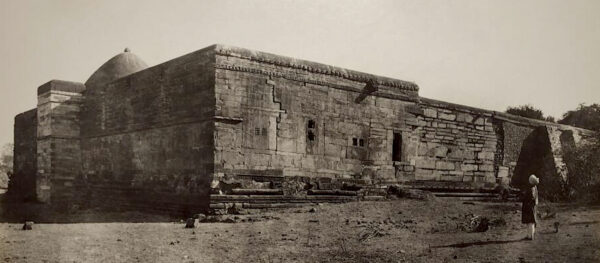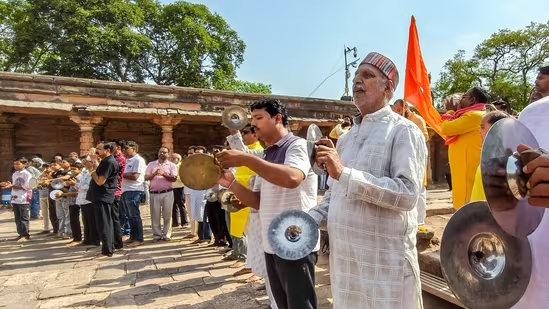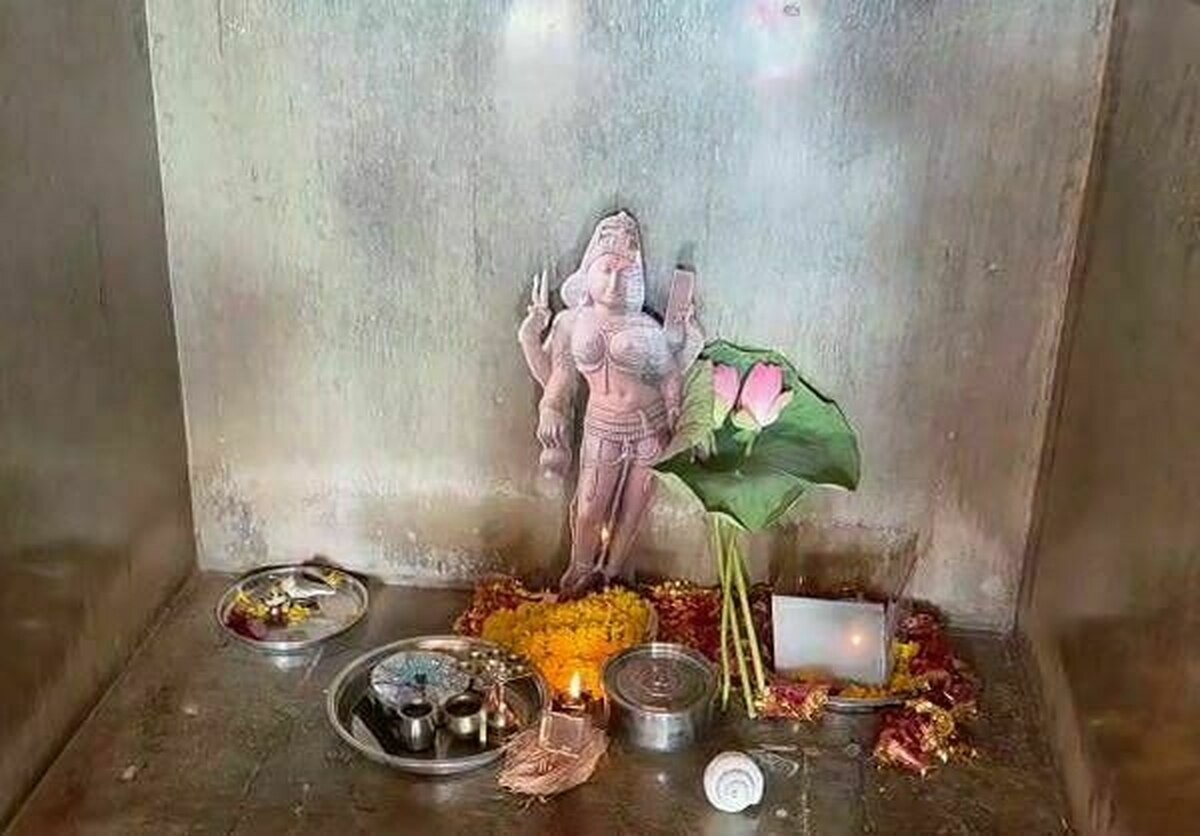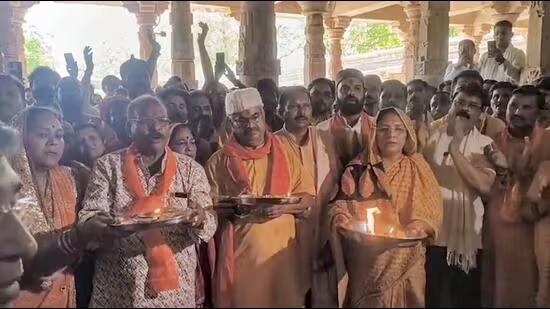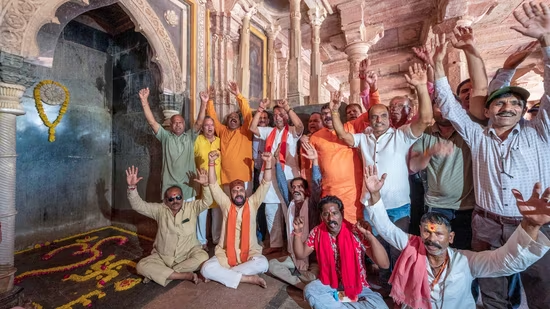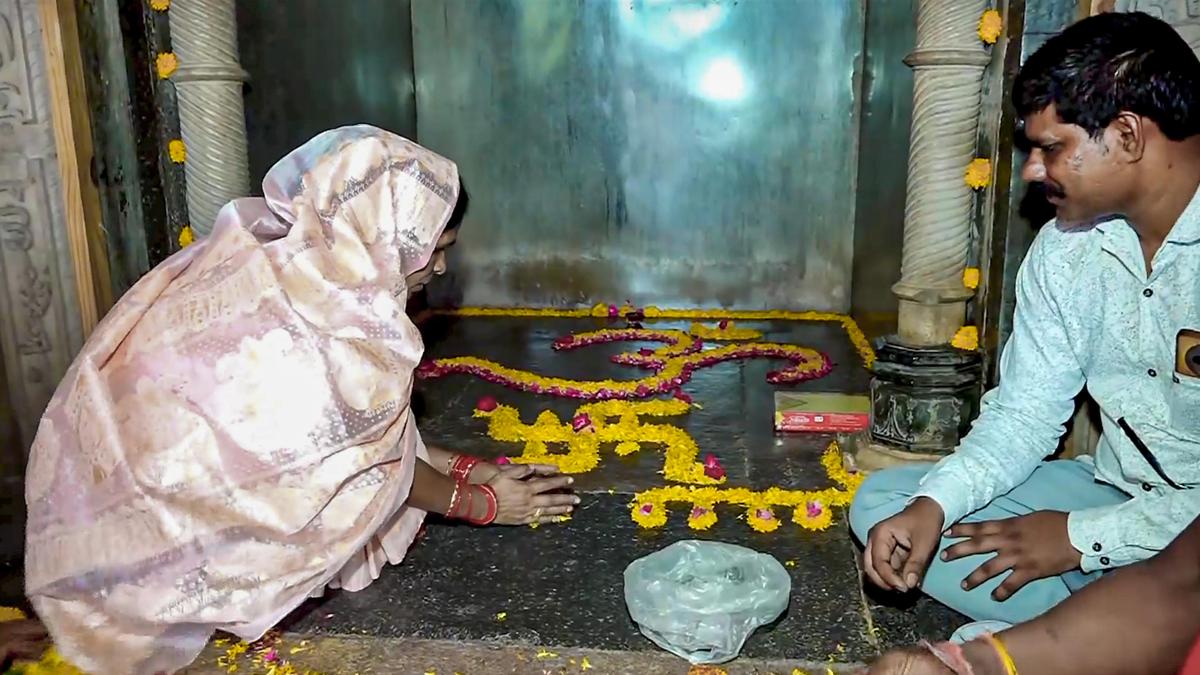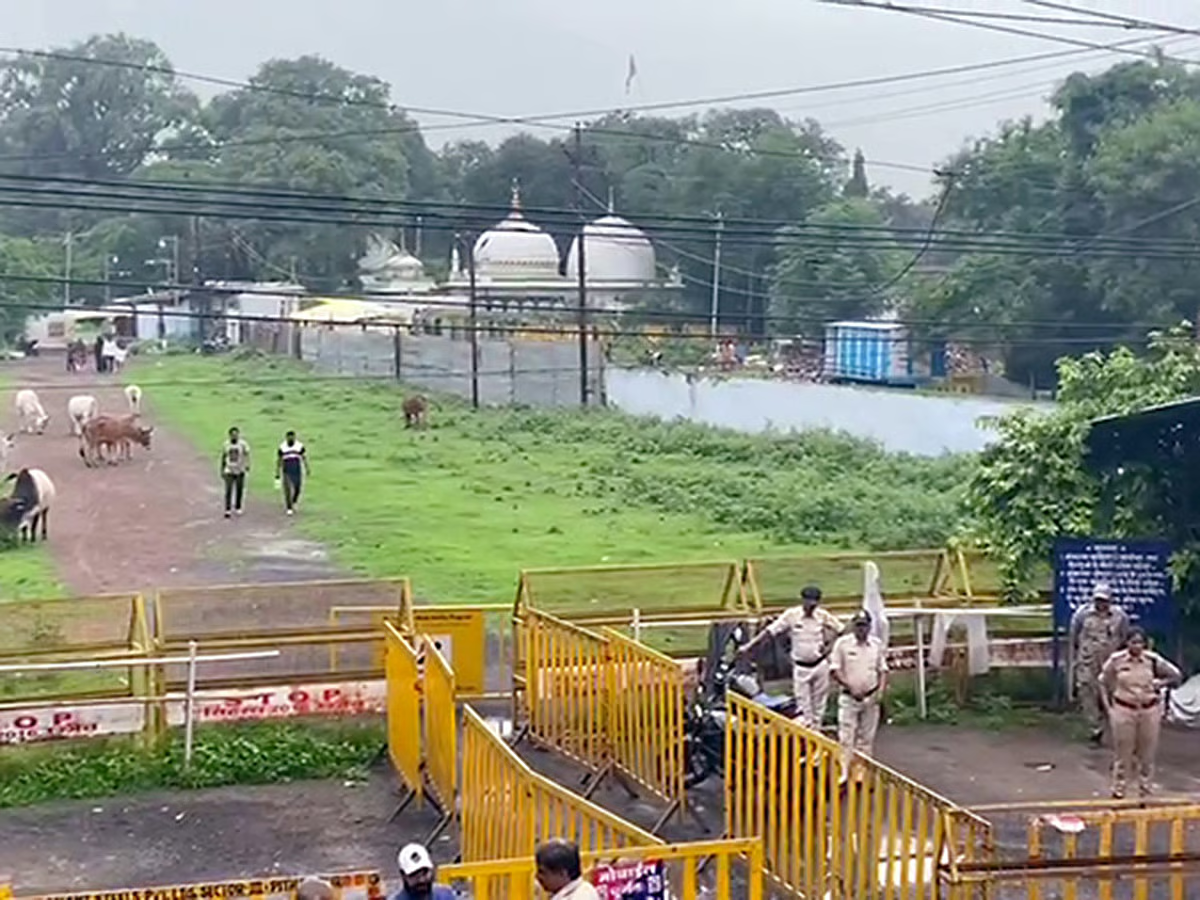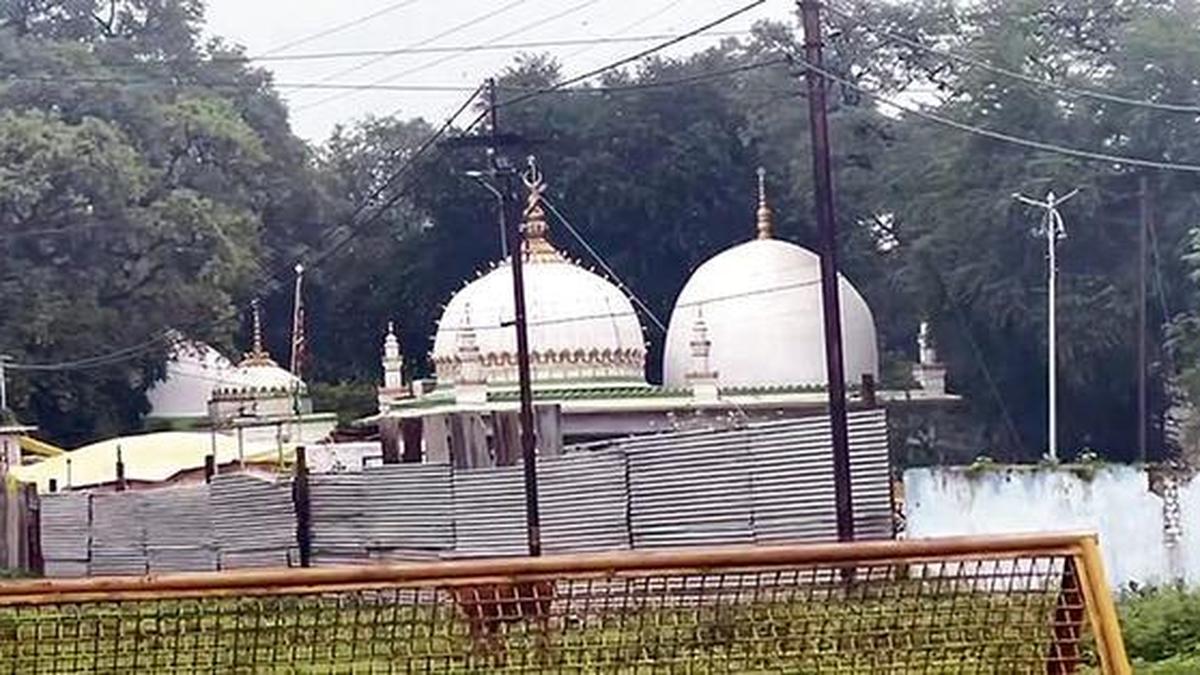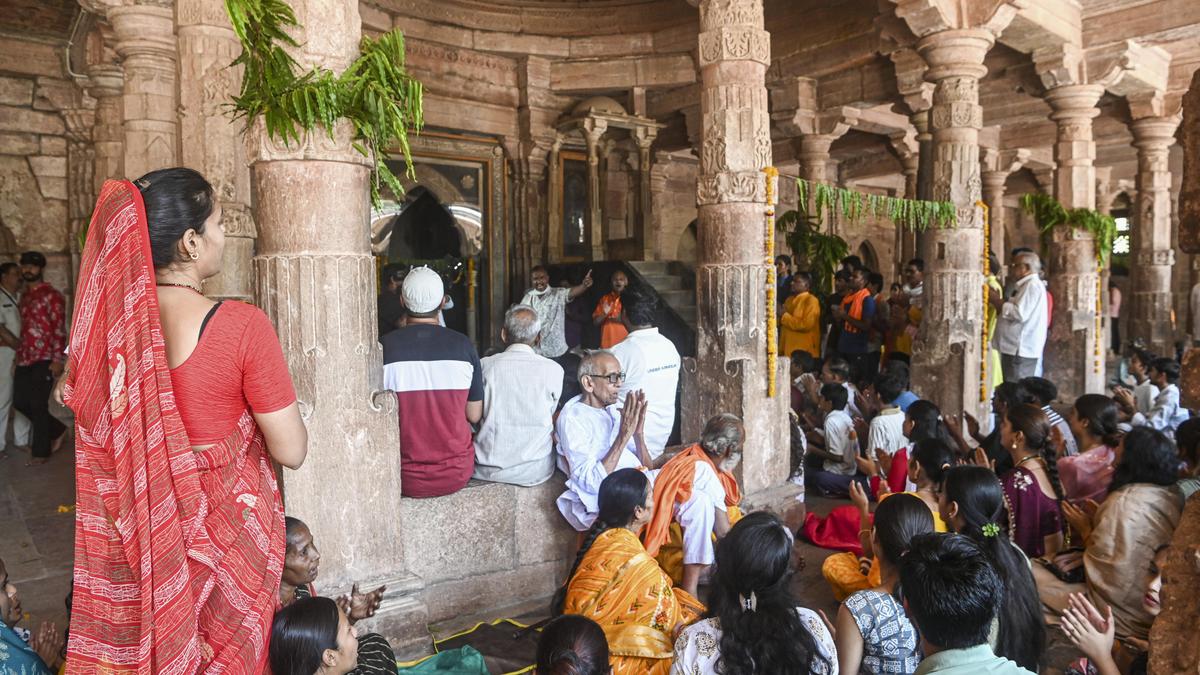
Shanno Bai sits outside her kutcha house in Urdya Baida village, about 35 kilometres from Dhar town in Madhya Pradesh. One of her eight children works in the fields, while her grandchildren play nearby.An unpaved road leading to her house has a small statue. It is of Shanno’s husband, Van Singh Araadi, who died in 2003 in police firing during communal clashes in Dhar district.Recalling the events of that time, the family says that while there had been a clarion call from a local Hindu mystic to join a protest rally in neighbouring Amjhera town, Van Singh had only gone there to get his wheat ground.“My father had gone to get atta from wheat,” says Shanno’s eldest son, Vikram. “There was a rally which ran into clashes with the police as a curfew was in place in Amjhera. My father got caught in between. After sometime, a neighbour who was also in town came and told us that he had been shot.” Vikram adds that the family had nothing to do with the communal dispute.Van Singh and two others were declared martyrs by local Hindu groups. Their pictures have been displayed at the Bhojshala complex, an Archaeological Survey of India (ASI)-protected monument and the centre of communal tensions in Dhar for generations. Hindus believe the site to be a historical temple from the 11th century dedicated to goddess Vagdevi (Saraswati), while Muslims say it is the Kamal Maula mosque from the early 1300s.With the Madhya Pradesh High Court recently declaring the disputed site to be a Hindu temple, there are celebrations in the Hindu community. Shanno’s household and village, however, are focused on making ends meet.Shanno says that some local leaders came to offer condolences after Van Singh’s death, but nobody has checked on the family for 23 years.“Two people came on Thursday [May 21] to invite us for a procession at the temple. We don’t have much to do with the whole thing but since they asked, we might go,” says Vikram.
Saffron clashes with green, again
Madhya Pradesh High Court declares Bhojshala a Hindu temple, igniting communal tensions and contrasting historical claims from Hindus and Muslims.
2,380 words~11 min read