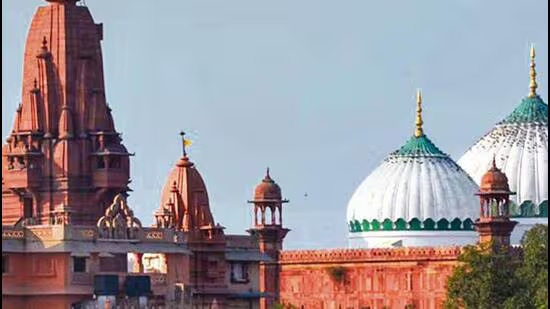
When India became independent in 1947, it inherited a range of unresolved communal issues. Foremost among them was the “disputed identity” of several historical structures, which both Hindus and Muslims claimed as their own. These places of worship included medieval era mosques that were allegedly built over ancient Hindu temples, triggering contested claims and even communal riots.
The most contentious of these structures was the Babri Masjid at Ayodhya, built by Mughal emperor Babur in the 16th century, which Hindus claimed was the site of the birthplace of the Hindu god, Ram. After the mosque was pulled down by Hindutva mobs in 1992, India’s Supreme Court, in its verdict of November 9, 2019, cleared the way for the construction of a Ram temple at the disputed site. A grand Ram temple was subsequently inaugurated by Prime Minister Narendra Modi on January 22, 2024.
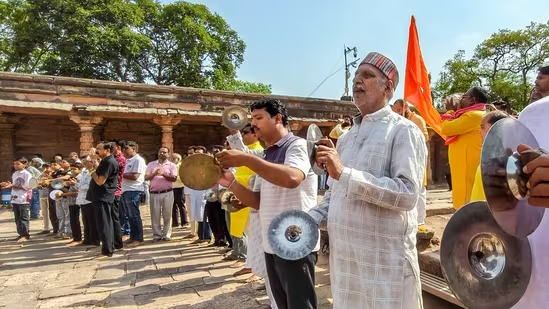
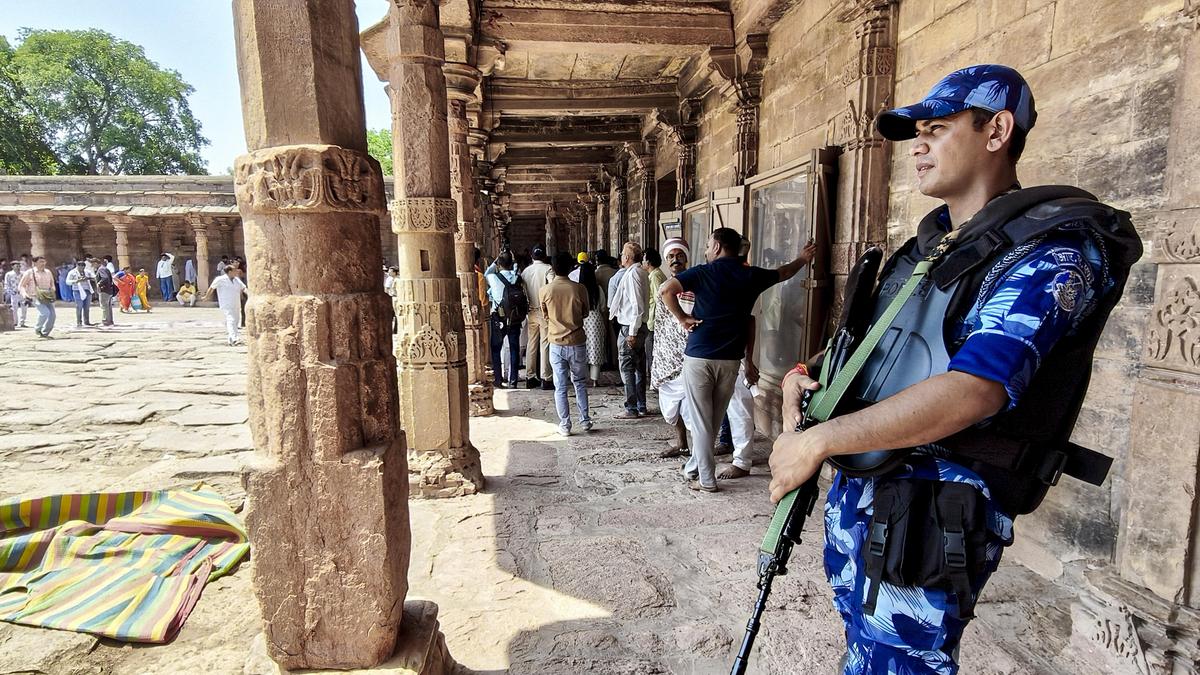
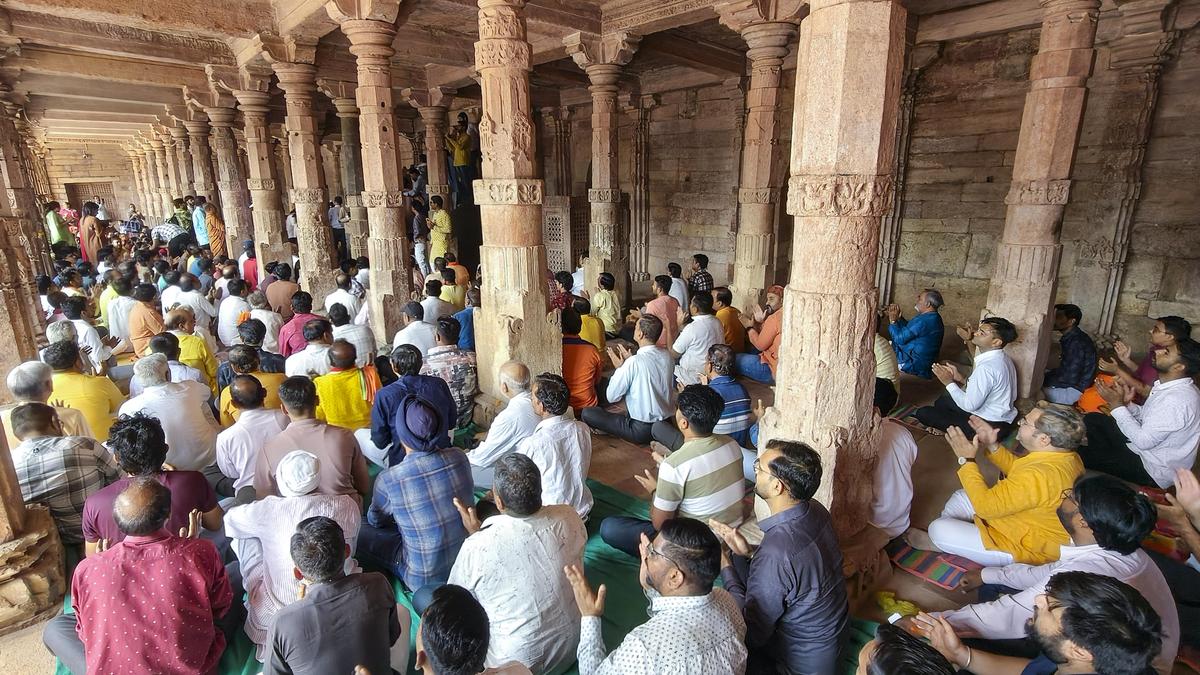
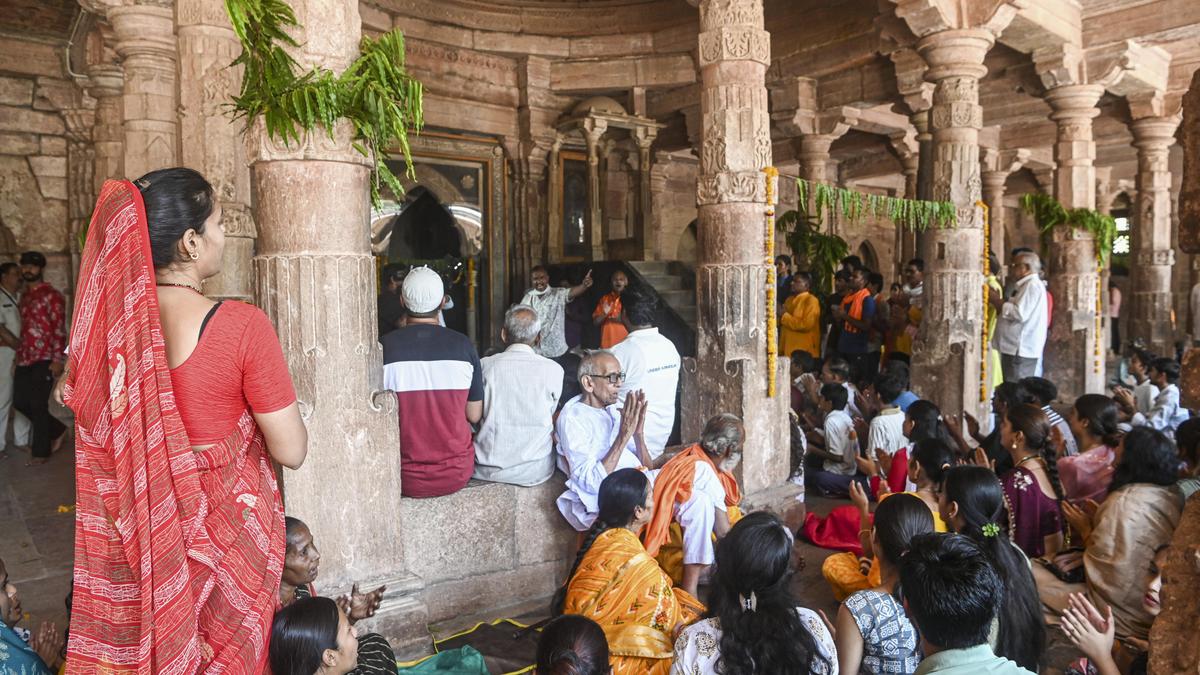
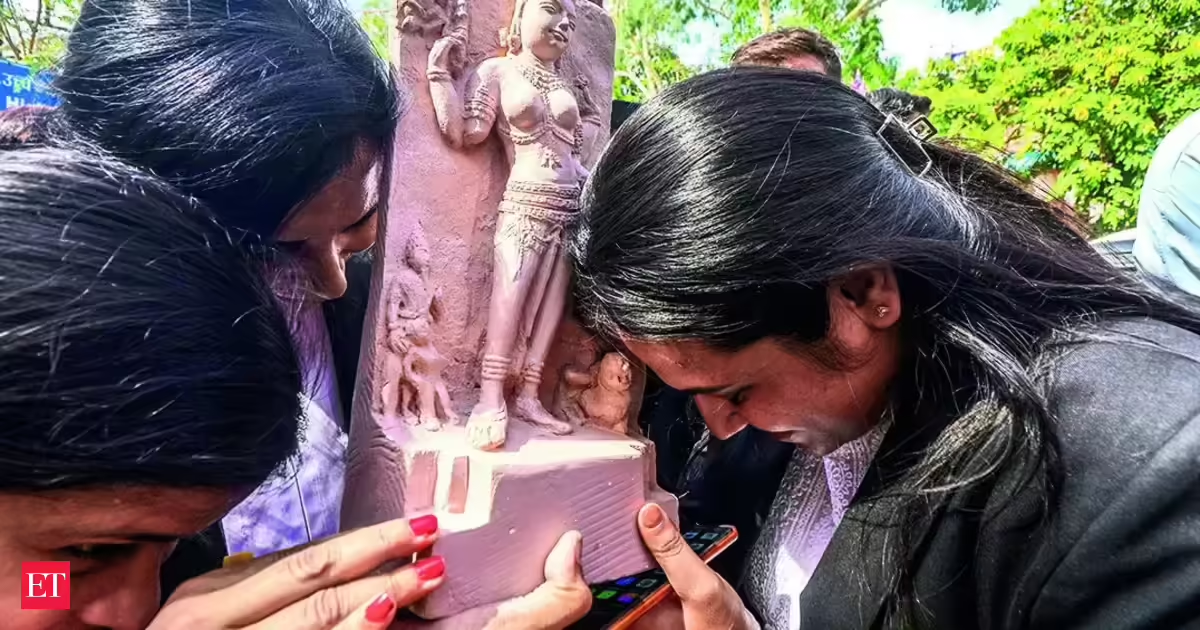
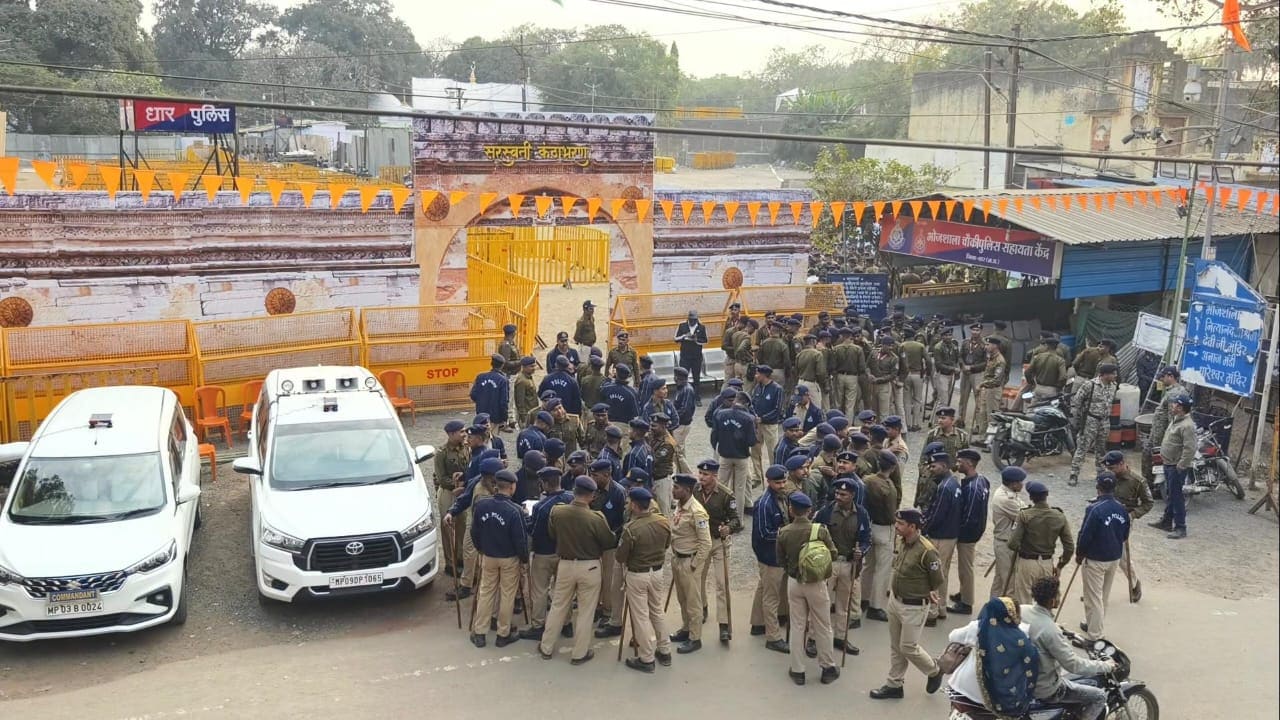
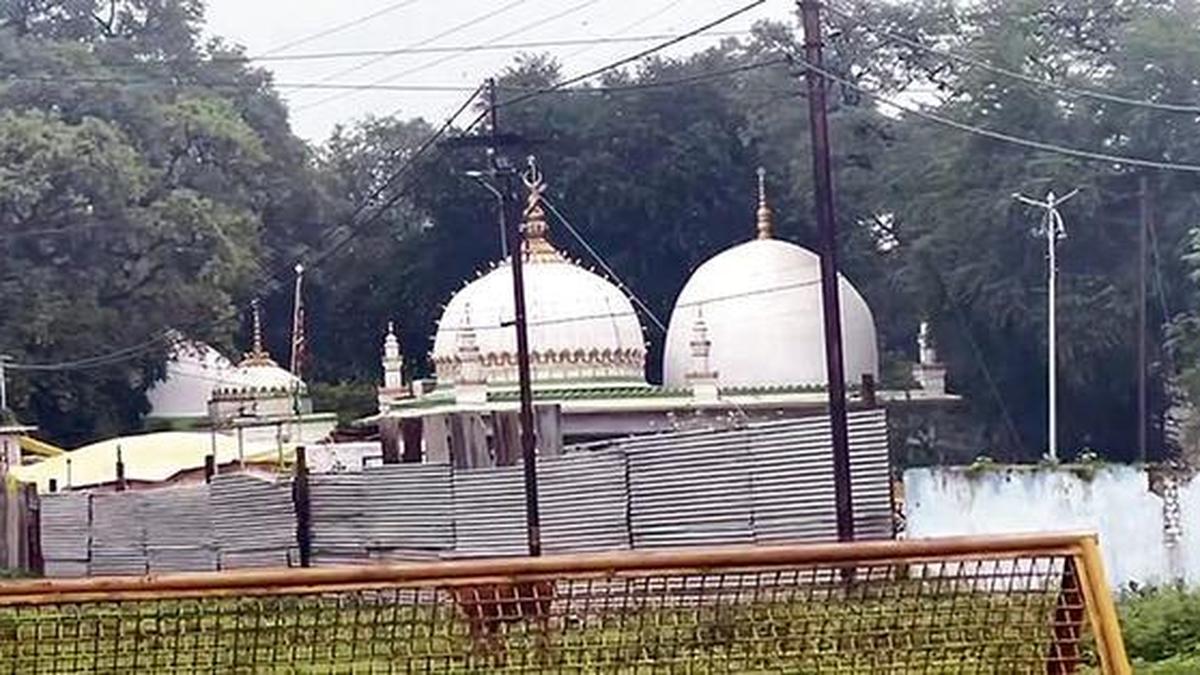
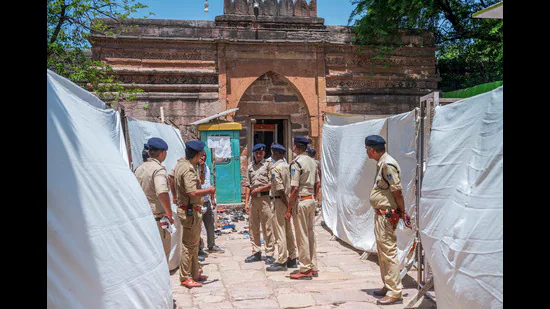
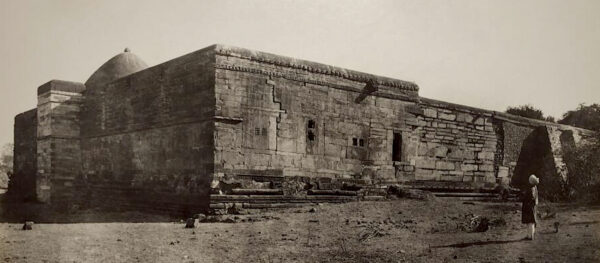
It set the precedent for the “templing” of other such mosques with contested claims, the most recent instance being the Bhojshala temple associated with the Hindu goddess Saraswati in Dhar in central India’s Madhya Pradesh, where the Kamal Maula Mosque associated with the medieval-era Sufi saint Kamal-al-din Chishti is also located.