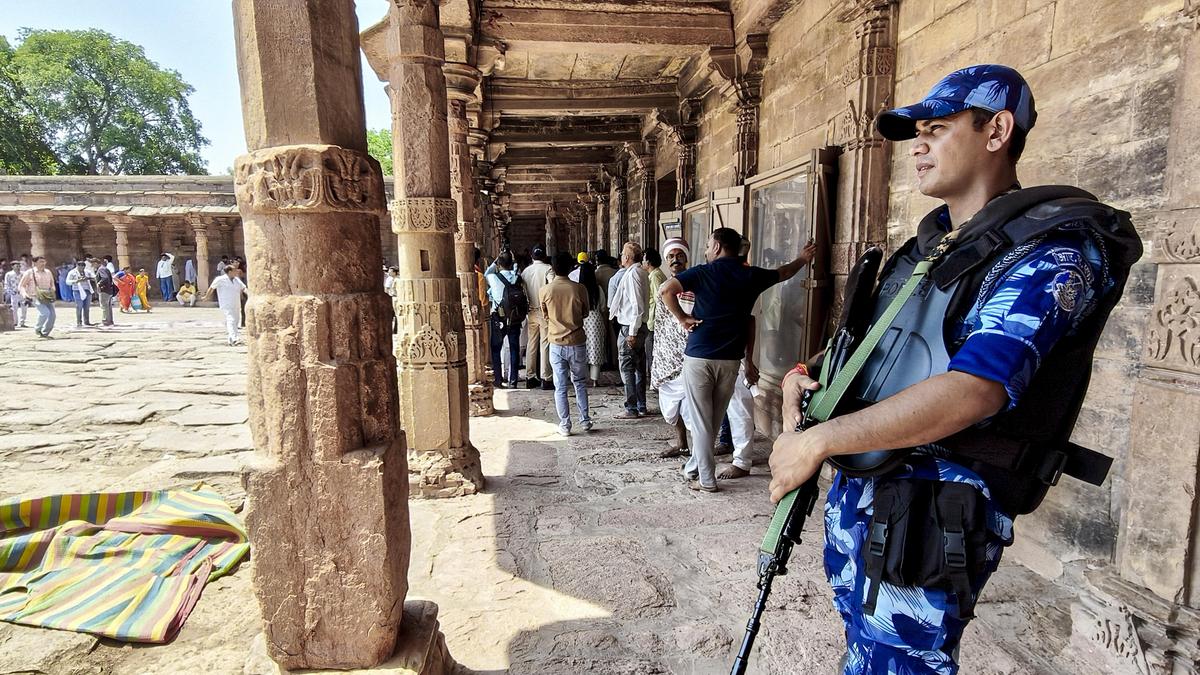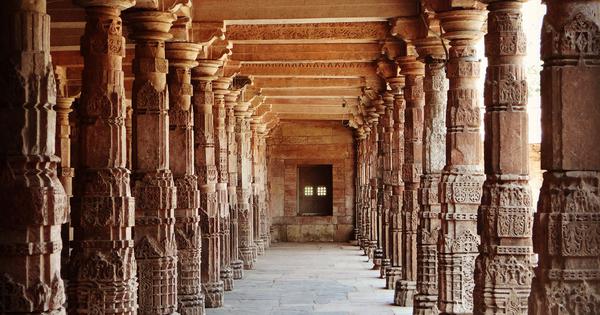
Madhya Pradesh Chief Minister Mohan Yadav on Monday announced financial assistance of Rs 5 lakh each to the families of three persons who died in February 2003 during protests seeking to declare the Bhojshala-Kamal Maula mosque complex in Dhar district as a temple, The Hindu reported.The 11th-century building, protected by the Archaeological Survey of India, had been claimed by both Hindus and Muslims. While the Hindus believe that the Bhojshala is a temple dedicated to the deity Vagdevi, or Saraswati, the building is a mosque for the Muslim community.In February 2003, several Hindutva groups, including the Vishwa Hindu Parishad, launched a protest demanding complete access to the site after claiming that it was a temple built by King Bhoja, an 11th-century ruler of the Parmar dynasty, The Hindu reported.Three men – Van Singh Araadi, Lakshman Singh and Anwar Singh – were killed in clashes with security forces at the time.Subsequently, under an arrangement made by the Archaeological Survey of India on April 7, 2003, Hindus performed prayers on the premises on Tuesdays and Muslims offered namaz in the complex on Fridays.However, on May 15, the Madhya Pradesh High Court held that the disputed complex is a temple of the Hindu deity Saraswati and quashed the 2003 Archaeological Survey of India order.During an event in Dhar on Monday, the chief minister described the May 15 verdict as the “result of a 750-year-long struggle”, The Hindu reported.“Dhar is now stepping into a new era,” the newspaper quoted Yadav as saying. “I congratulate the residents of Dhar on this judgement by the High Court. Underlying this verdict is your 750-year-old struggle.”The Bharatiya Janata Party leader added that the court had “clearly distinguished right from wrong”.The caseIn May 2022, the Hindu Front for Justice filed a public interest litigation in the High Court against the Archaeological Survey of India’s 2003 arrangement.The group had argued that the Kamal Maula mosque was constructed during the reign of Alauddin Khilji between the 13th and 14th centuries by “destroying and dismantling ancient structures of previously constructed Hindu temples”.On March 11, 2024, the High Court directed the Archaeological Survey of India to carry out a survey of the site. The Archaeological Survey of India found in July 2024 that the mosque was constructed using parts from earlier temples at the site.Holding that the disputed complex is a temple of the deity Saraswati in its verdict on May 15, the High Court allowed the Muslim side to seek alternative land within Dhar district to build a mosque.The bench said that it arrived at its decision on the basis of the precedent laid down by the Supreme Court in the Ram Janmabhoomi-Babri Masjid case from Ayodhya.In November 2019, a five-judge bench of the Supreme Court held that the demolition of the Babri mosque in 1992 was illegal, but handed over the land to a trust for a Ram temple to be constructed. At the same time, it directed that a five-acre plot in Ayodhya be allotted to Muslims for a mosque to be constructed.More than four years later, the Ram temple was inaugurated in Ayodhya in a ceremony led by Prime Minister Narendra Modi on January 22, 2024.The High Court remarked that every government has a “constitutional obligation to ensure preservation and protection of not only ancient monuments and their structures, including temples of historical and archaeological importance, but also of sanctum sanctorum as well as the deities of spiritual importance.”Edited by Sneha.
Madhya Pradesh to give Rs 5 lakh to families of 3 killed during 2003 Bhojshala protest
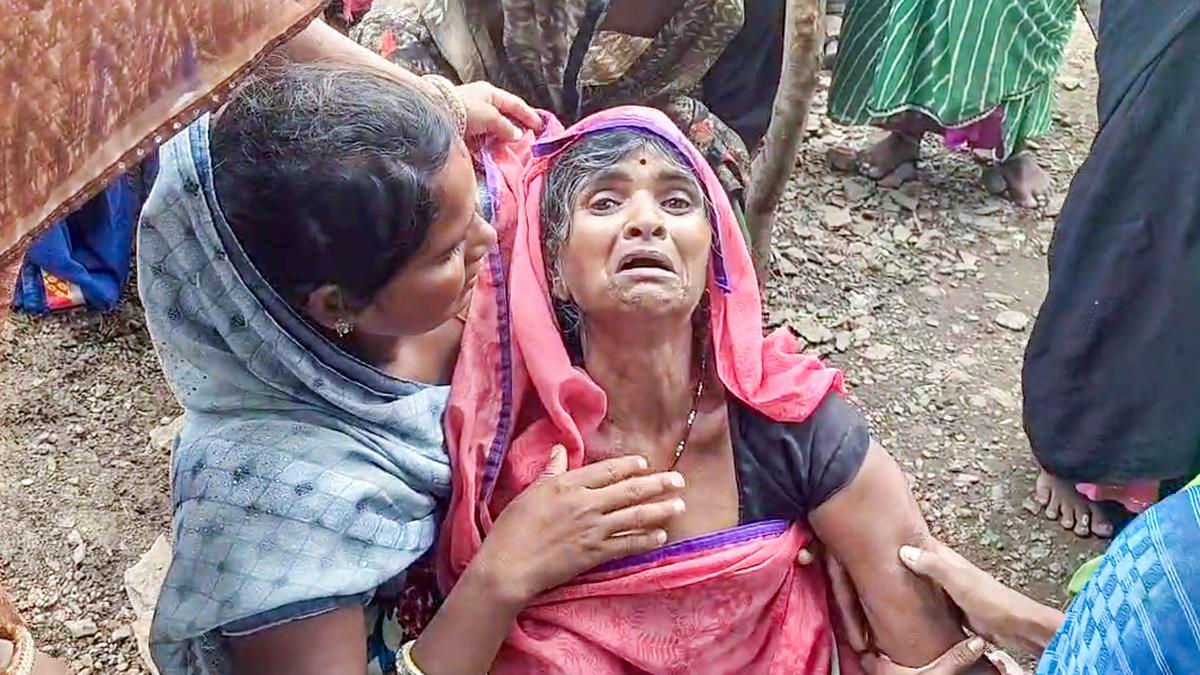
The three men died following clashes with security forces during demonstrations to declare the Bhojshala-Kamal Maula mosque complex in Dhar a temple.
572 words~3 min read