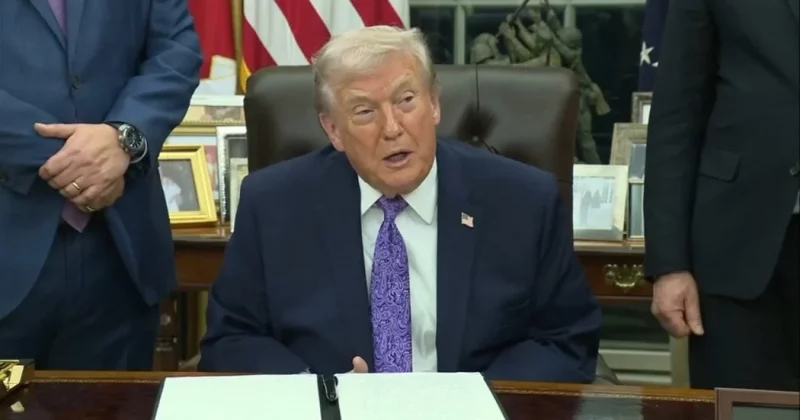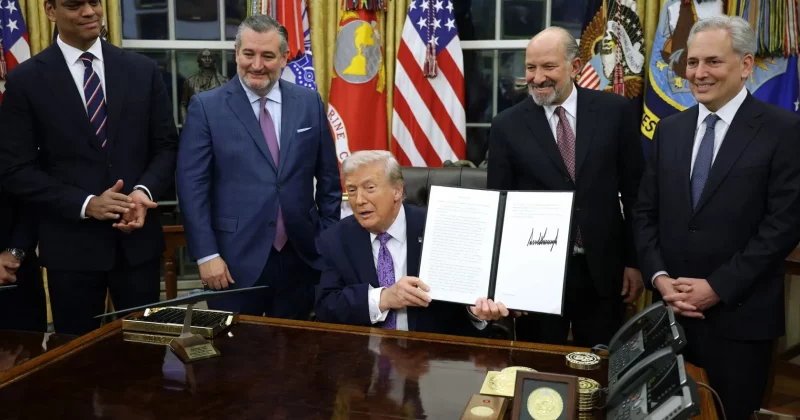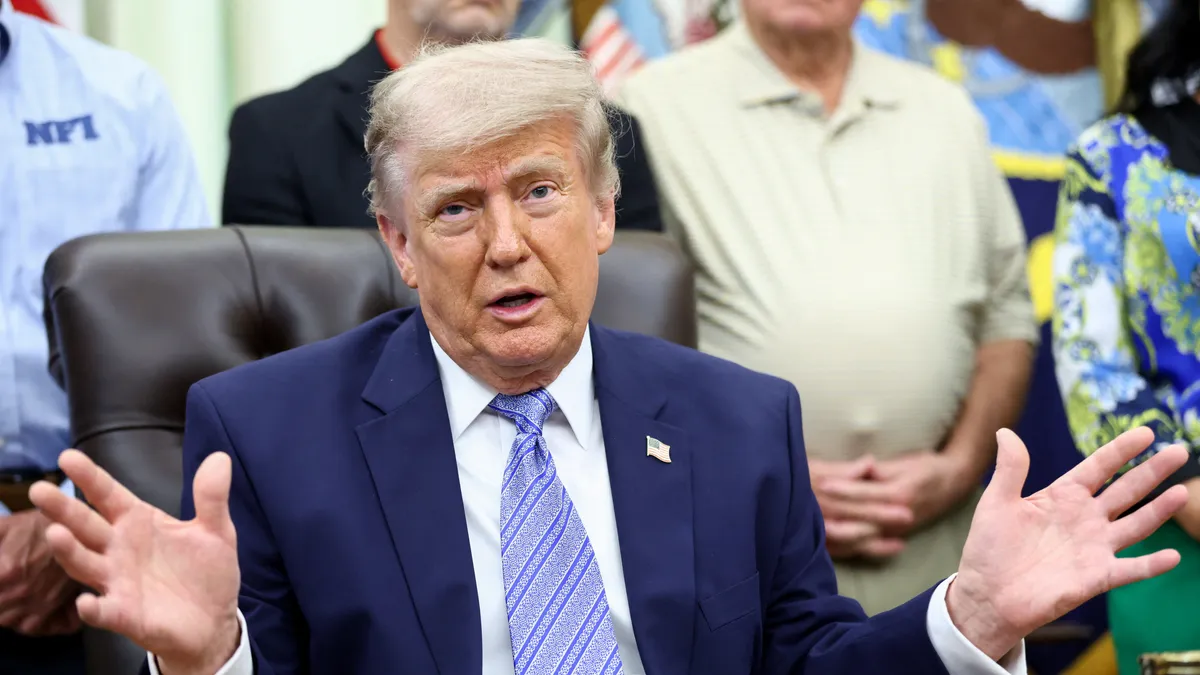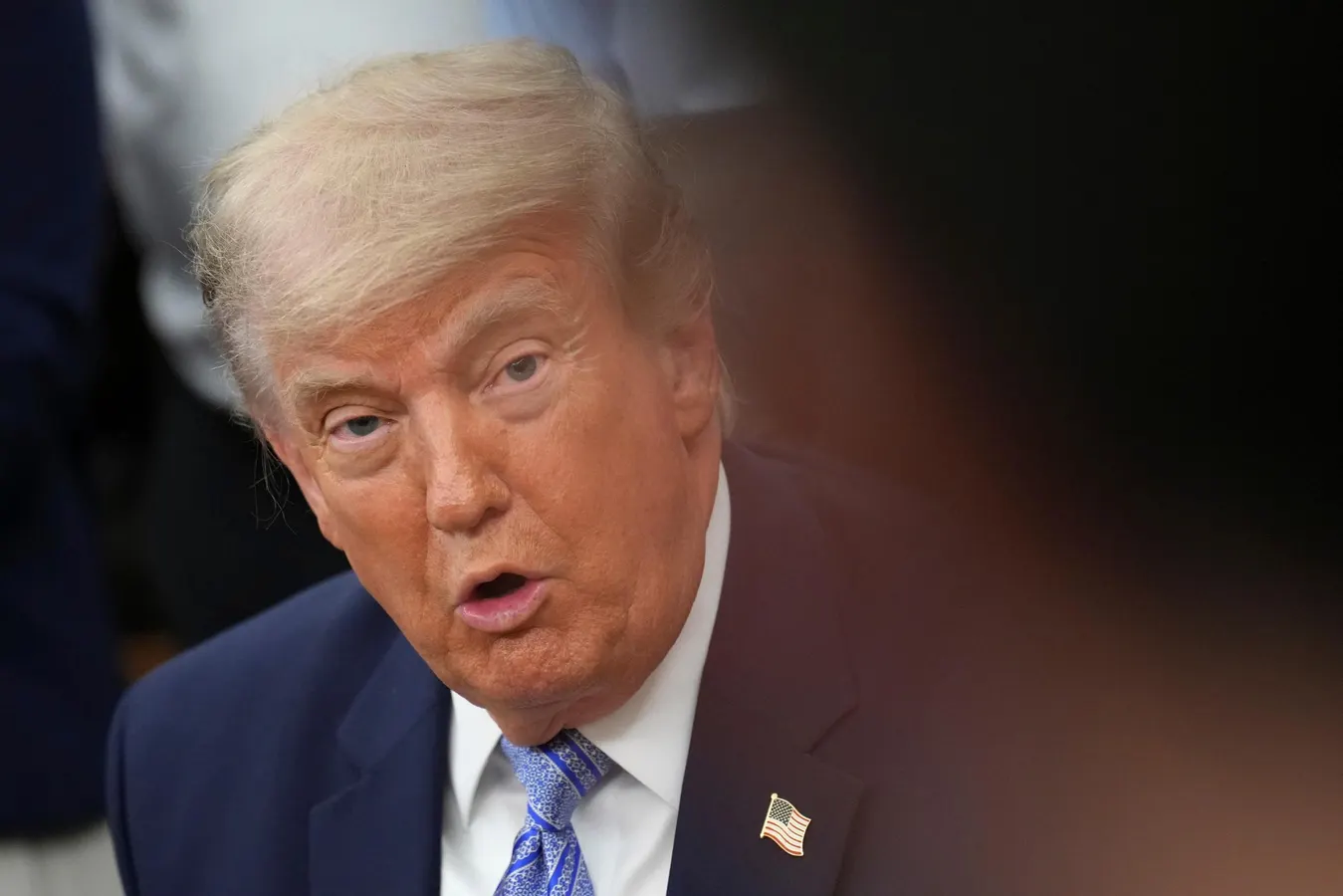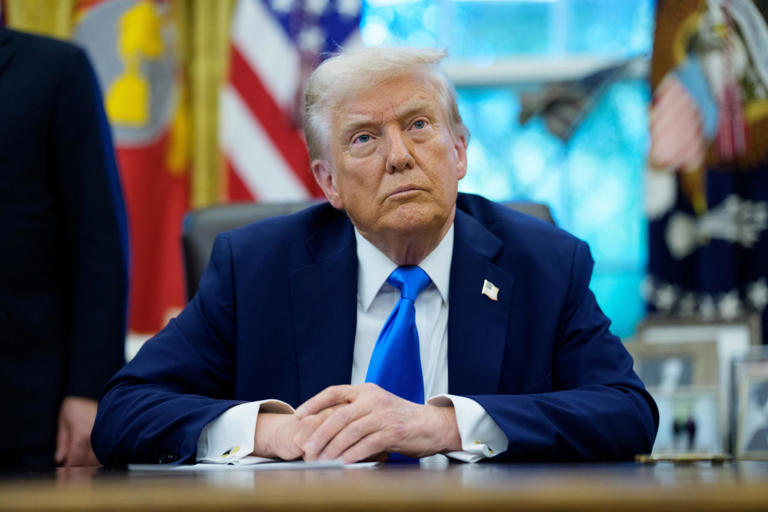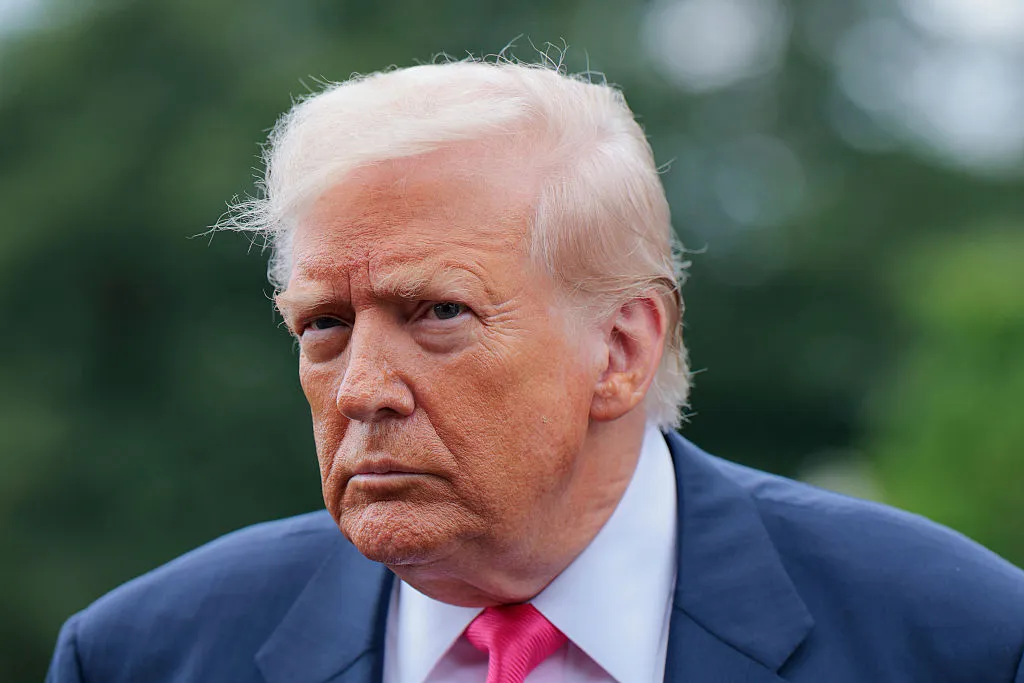
President Trump shelved a draft executive order on AI cybersecurity and oversight on May 21, just hours before a planned White House signing ceremony. The reason: tech industry allies weren’t happy with what was inside.
The draft order would have required federal agencies to build evaluation processes within 60 to 90 days for what it termed “covered frontier models,” essentially the most advanced AI systems before they hit the public. Agencies like the NSA and Treasury would assess risks to national security and critical infrastructure.
Trump reportedly wasn’t satisfied with provisions he saw as potentially slowing America’s AI race against China. And when your biggest donors and loudest cheerleaders in Silicon Valley are telling you the same thing, the pen goes back in the drawer.
What was actually in the draft
The executive order had two main pillars. The first was a cybersecurity framework designed to strengthen government defenses against AI-powered attacks. The second was a voluntary, but structured, review process giving federal agencies access to top-tier AI models so they could assess risks before widespread deployment.