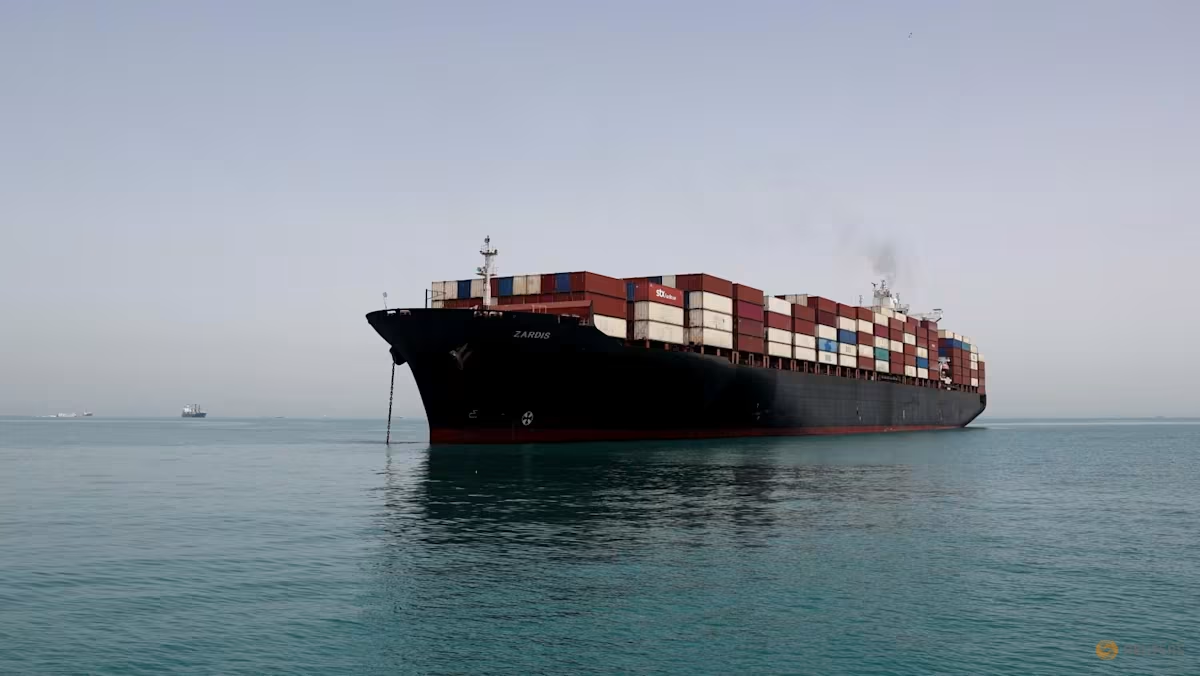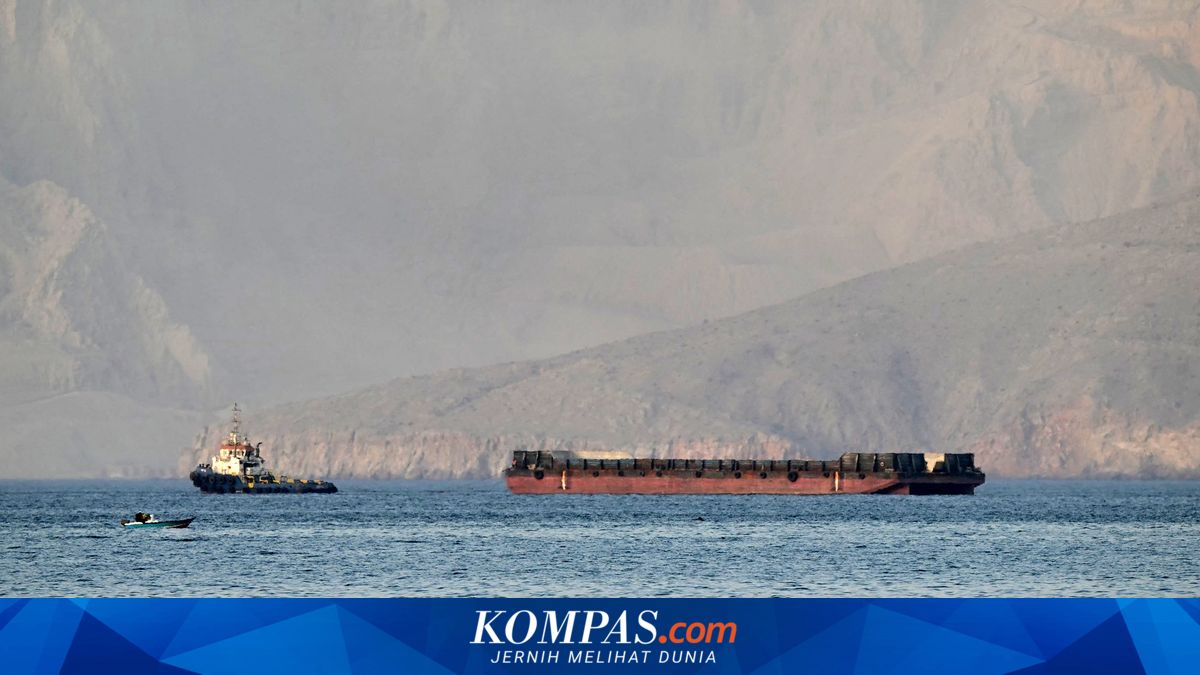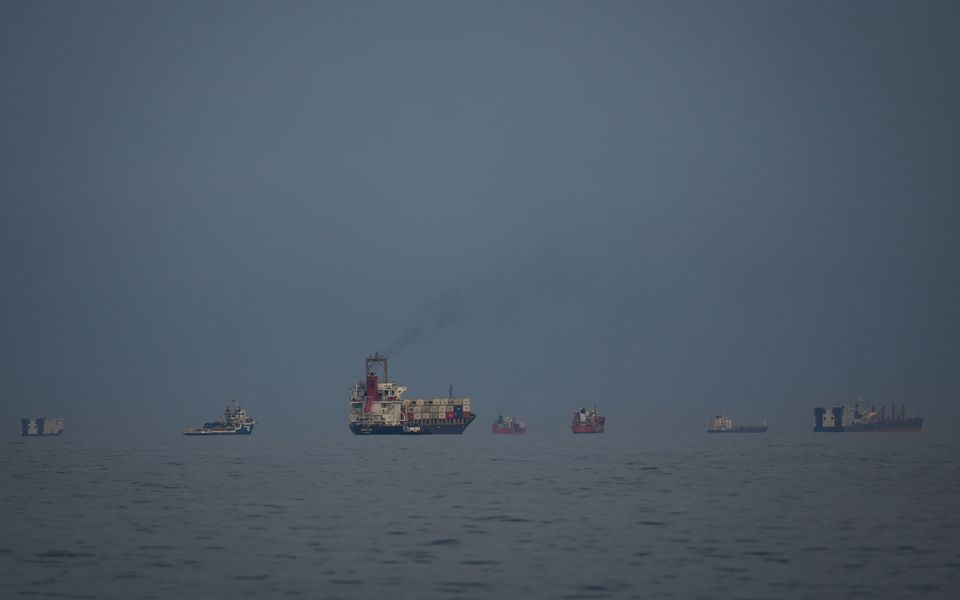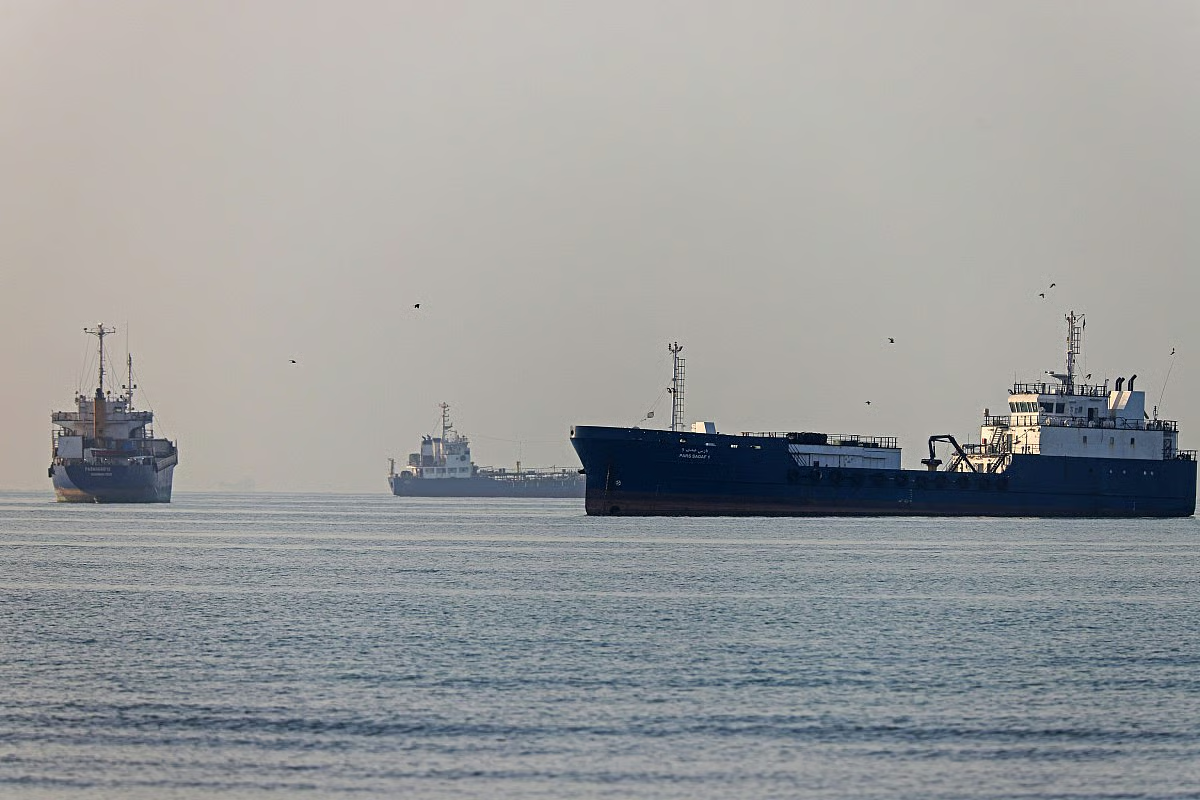
Asset freezes, travel bans to hit entities blocking transit through key straitLast updated: May 23, 2026 | 00:112 MIN READThe Council of the European Union today decided to expand the scope of the legal framework of the European sanctions imposed on Iran to include individuals and entities involved in policies and actions that infringe upon the established rights of both transit and innocent passage through international straits.Under the new amendments, the European Union will be able to impose further restrictive measures on persons and entities linked to actions undermining freedom of navigation in the Strait of Hormuz. These measures include bans on travel to or transit through EU territories, in addition to asset freezes.EU citizens and companies are also prohibited from making funds, financial assets or economic resources available to individuals and entities listed under the sanctions regime.In a statement, the Council said that EU foreign ministers had reached a political agreement on the matter during the Foreign Affairs Council meeting held on 21st April 2026.The Council stressed that Iran’s actions against vessels transiting through the Strait of Hormuz are contrary to international law. "Such actions infringe upon established rights of both transit and innocent passage through international straits."In March 2026, the European Council called for the full implementation of United Nations Security Council Resolution 2817 of 2026, stressing the need to ensure maritime security and respect freedom of navigation, while condemning any acts threatening vessel traffic or obstructing vessels’ entry into and exit from the Strait of Hormuz.The statement also noted that the High Representative of the European Union for Foreign Affairs and Security Policy had welcomed, on 9th April 2026, the ceasefire agreement between the United States and Iran, calling on all parties to ensure freedom of navigation and safe passage in the Strait of Hormuz in line with international law.Get Updates on Topics You Choose
EU expands Iran sanctions to protect freedom of navigation in the Strait of Hormuz
EU expands Iran sanctions to target those undermining freedom of navigation in the Strait of Hormuz, adding travel bans, asset freezes and stricter maritime safeguards.
308 words~1 min read