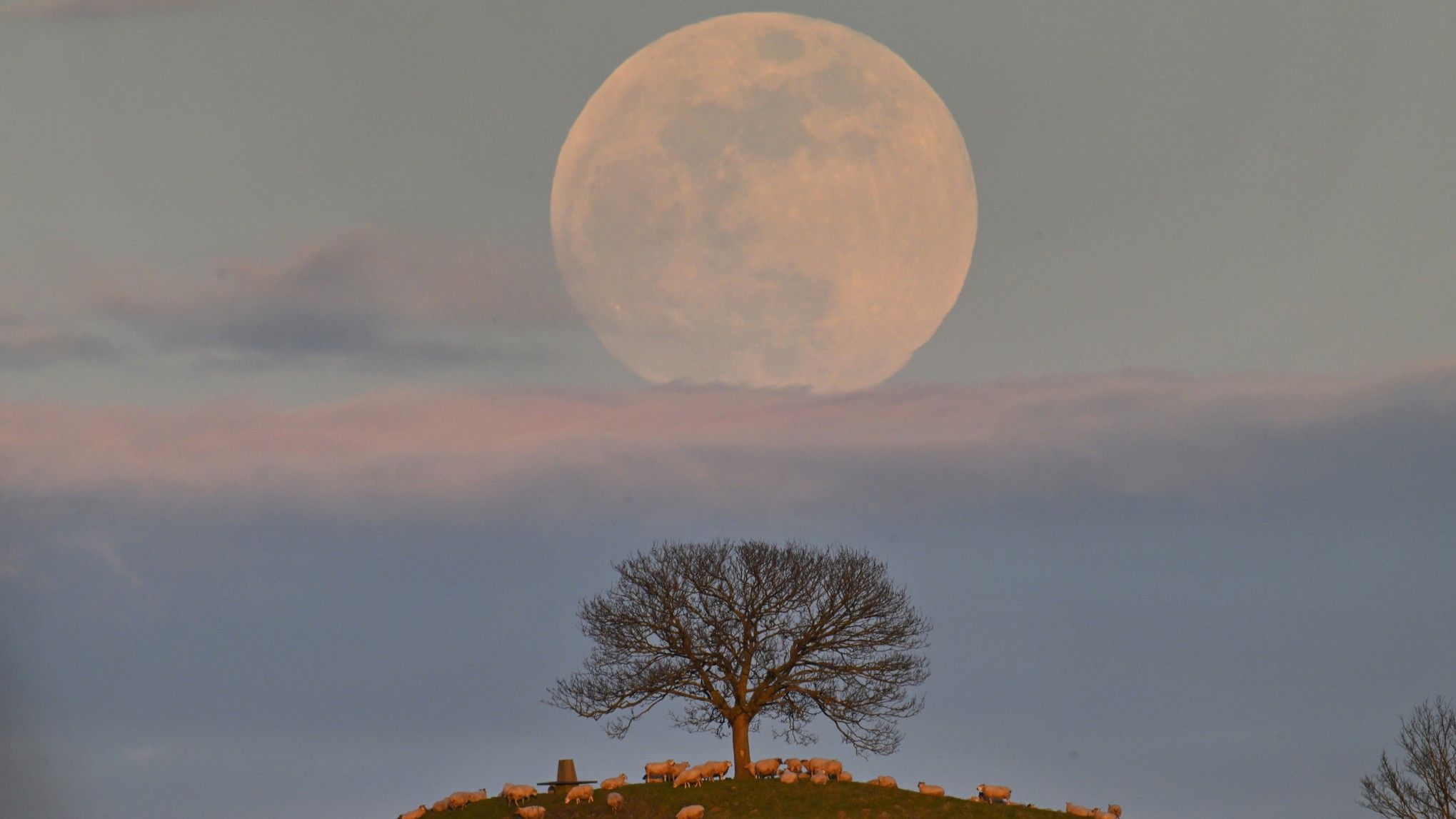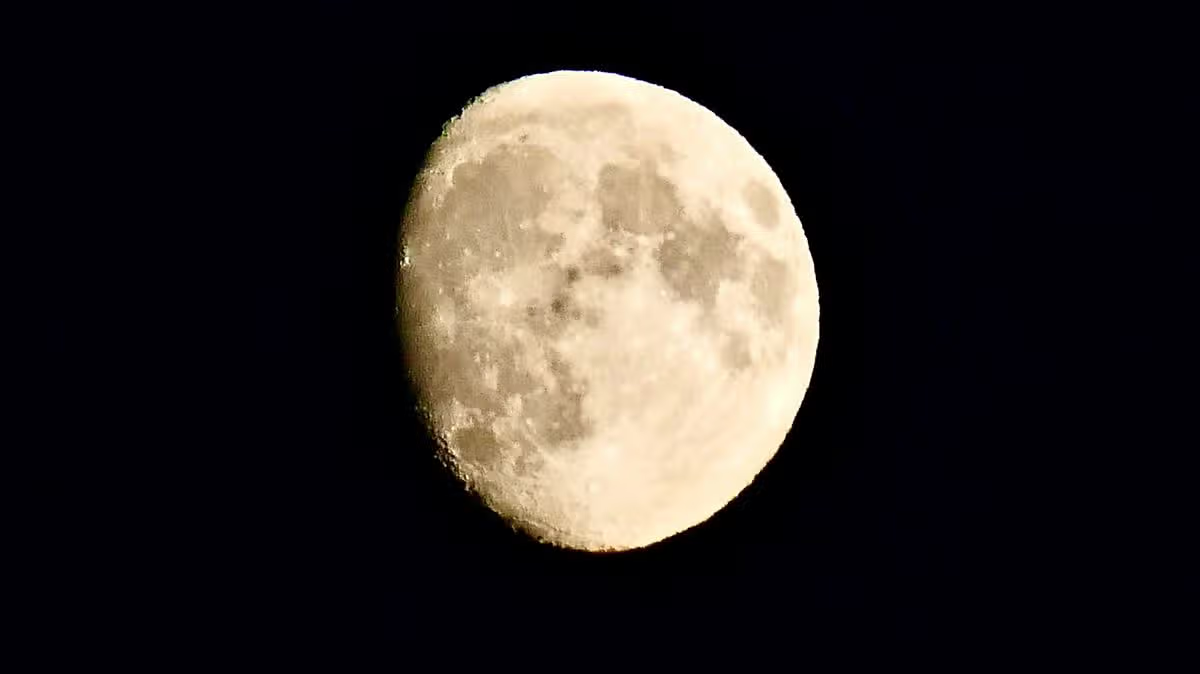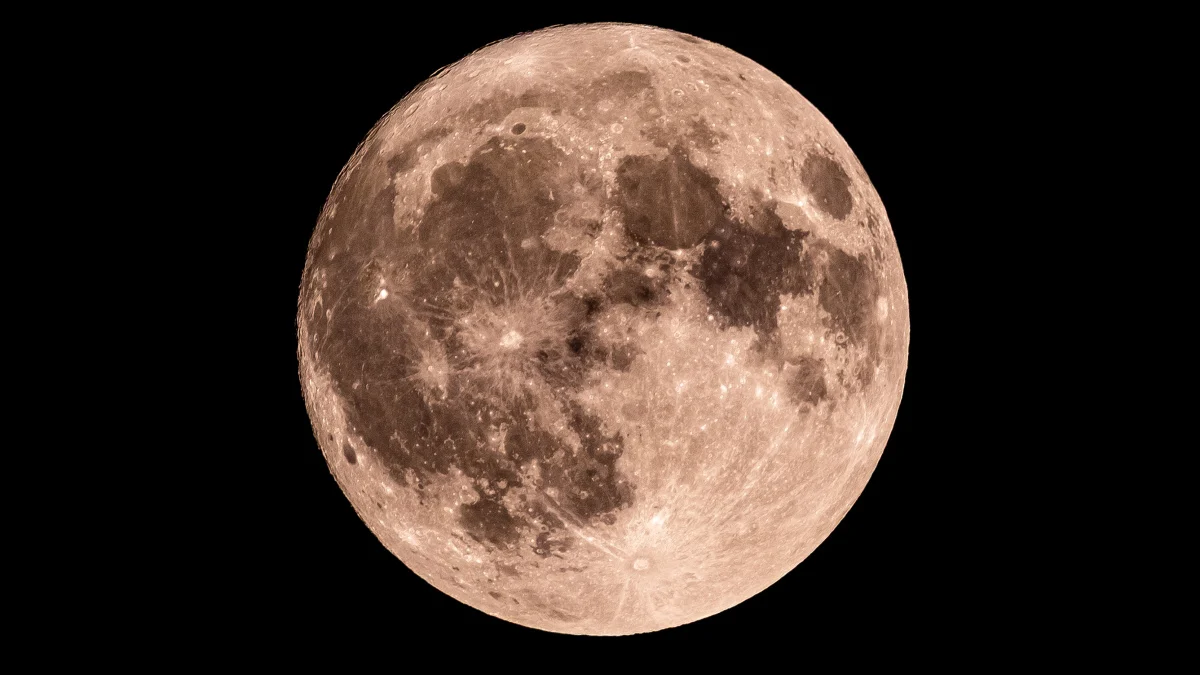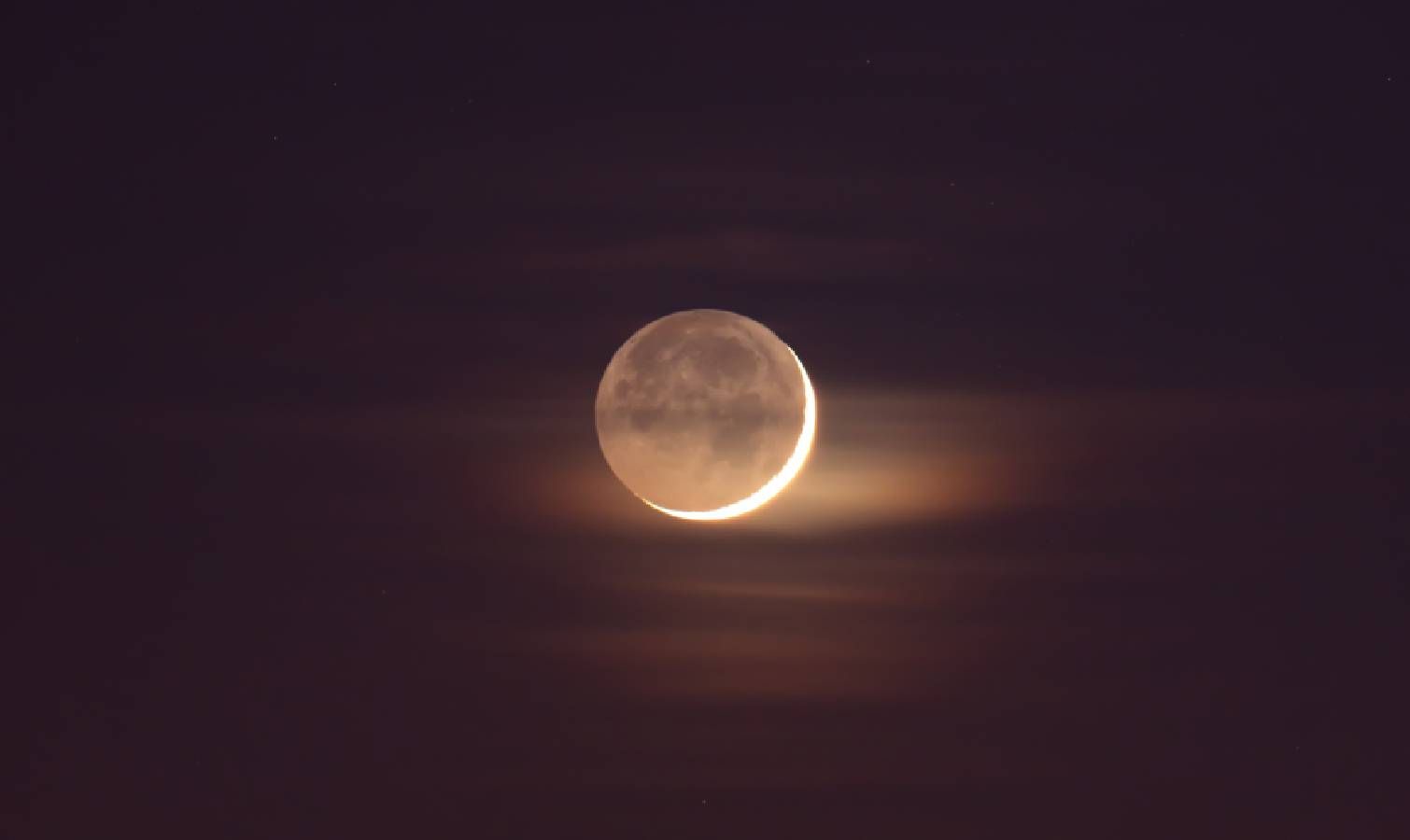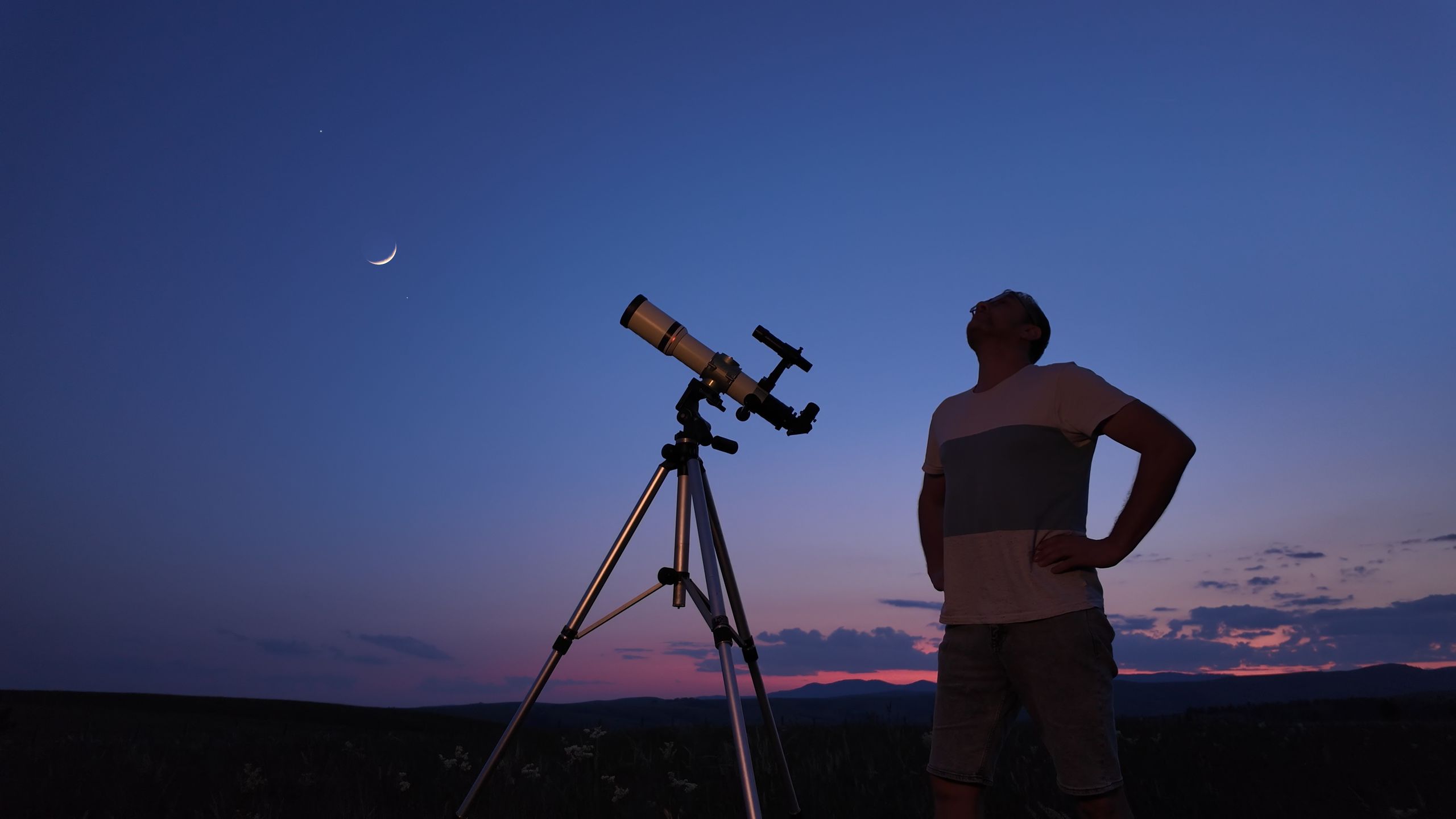
Long before the full moon rises, shifting sunlight transforms the lunar surface into one of the sky's best telescope targets.
(Image credit: m-gucci via Getty Images)
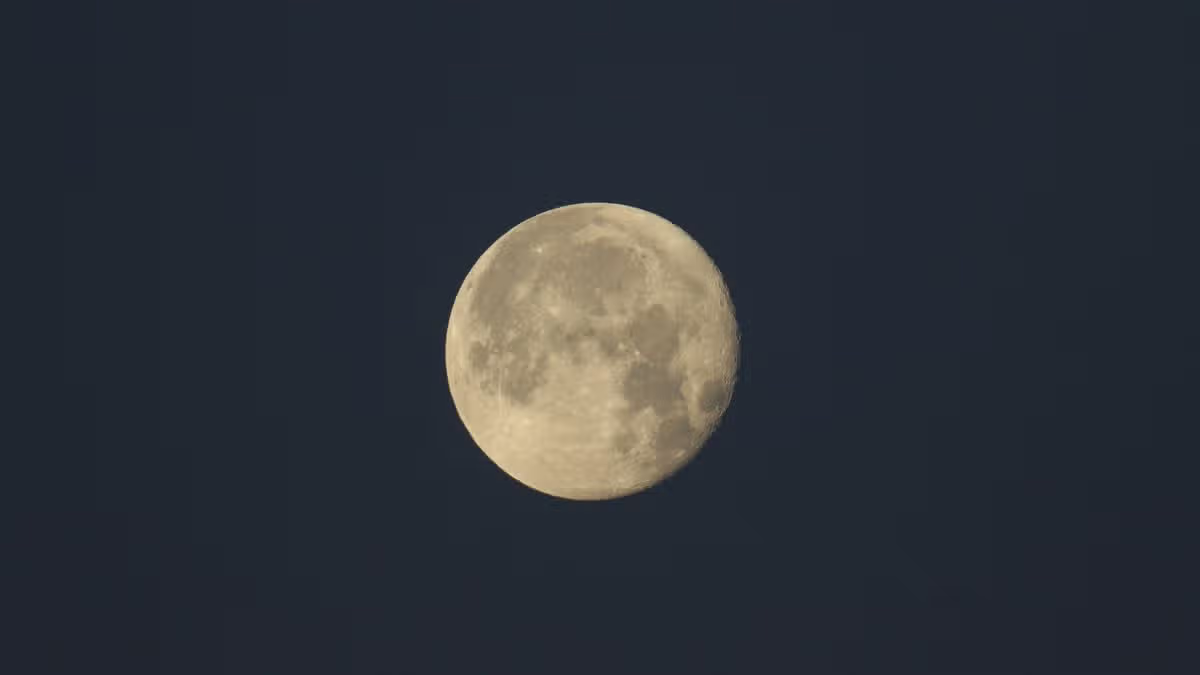
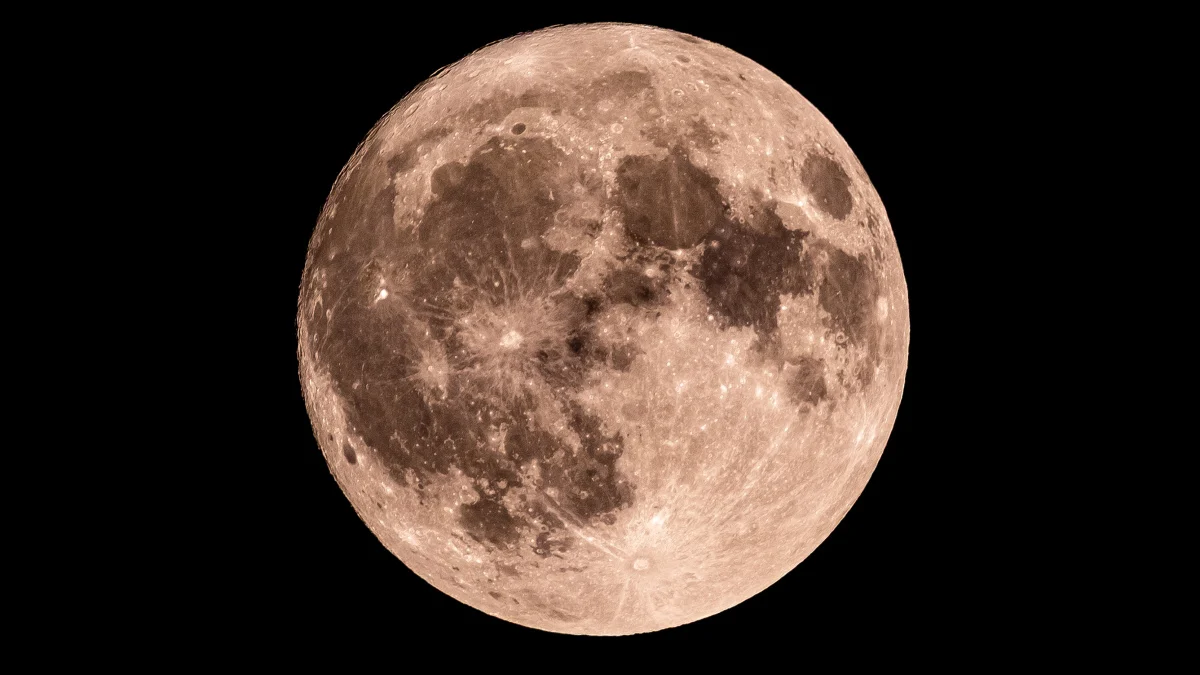
If you're planning to point a telescope at the moon this week, don't wait for the full moon.The best lunar views actually come when the moon is only half-lit or slightly gibbous, when long shadows carve dramatic detail across craters, mountains and vast lava plains along the lunar sunrise line.Most beginner skywatchers naturally assume a full moon offers the best view. In reality, that's often when the moon appears at its brightest, flattest and most glaring through a telescope.Amateur astronomer Leslie Peltier, often called "the world's greatest nonprofessional astronomer," never forgot his first telescopic views of the moon. In his autobiography "Starlight Nights — The Adventures of a Star-gazer," he described exploring the lunar surface through a tiny 2-inch spyglass:"I never tired of looking at the moon and in those early nights of watching with my 2-inch glass I often thought of Galileo and his tiny telescope. I feel quite sure that I first viewed the moon in my small scope with just as much incredible delight as Galileo did in his. I spent many of those early nights wandering aimlessly about the moon. I followed the advancing sunlight all the way across her face. I had seen photographs of the moon and therefore had some vague idea of what its appearance would be like, but I was still wholly unprepared for all the wonders which I found as I explored the lunar surface. No photograph has yet been made which is not cold and flat and dead when compared with the scenes that meets one's eyes when the moon is viewed through even a small telescope."Best times to look at the moonSo, when is the best time to observe the moon with a telescope?Most astronomy neophytes might think it is when it's at full phase, but that's probably the worst time to look at it! When the moon is full, it tends to be dazzlingly bright. In contrast, the interval when the moon is at or just past first quarter phase, or at or just before last quarter phase, is when we get the best views of the lunar landscape right along the sunrise-sunset line or terminator. The terminator can also be defined as that variable line between the illuminated portion and the part of the moon in shadow.Along with the fact that a half-moon offers more viewing comfort to the eye than a full moon, using a telescope with low optical power (magnifications of 20 to 40x), or even with good binoculars, we can see a wealth of detail on its surface."It takes a small telescope and low powers to do full justice to the moon; only when the entire moon fits comfortably within the field of view that she is at her dramatic best," wrote Peltier.Around those times when the moon is half-lit or in the gibbous phase, those features lying close to the terminator stand out in sharp, clear relief. And if you examine the moon with a telescope on Monday, May 25, take note of the prominent crater situated just to the right of the terminator: Copernicus, nicknamed "Monarch of the moon" by 19th-century lunar cartographer Thomas Gwyn Elger (1836-1897). It is widely regarded as one of the most magnificent and detailed objects on the moon, featuring a 58-mile (93-kilometer) diameter, terraced walls, and a central peak complex.