(Image credit: Shutterstock)
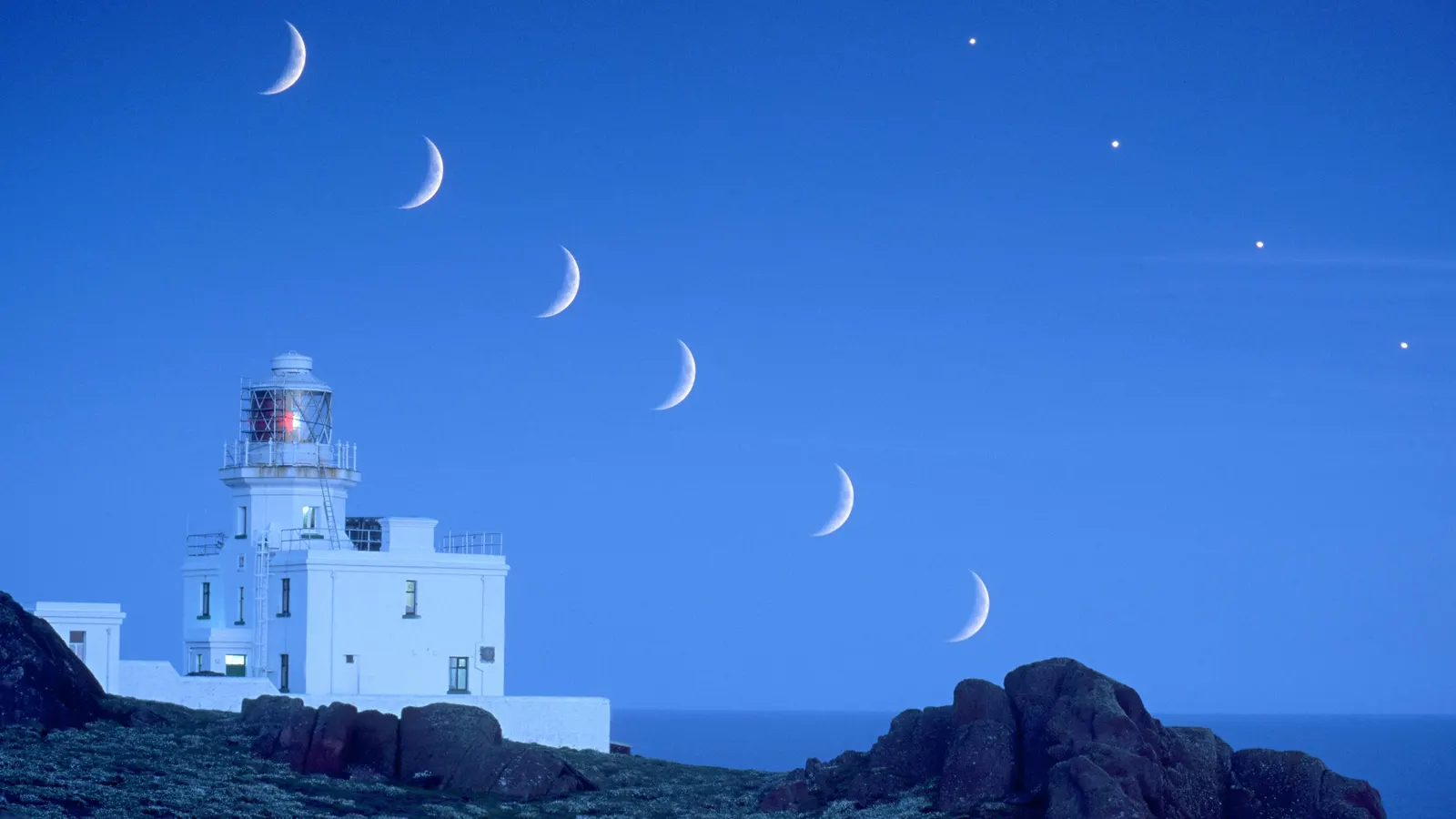
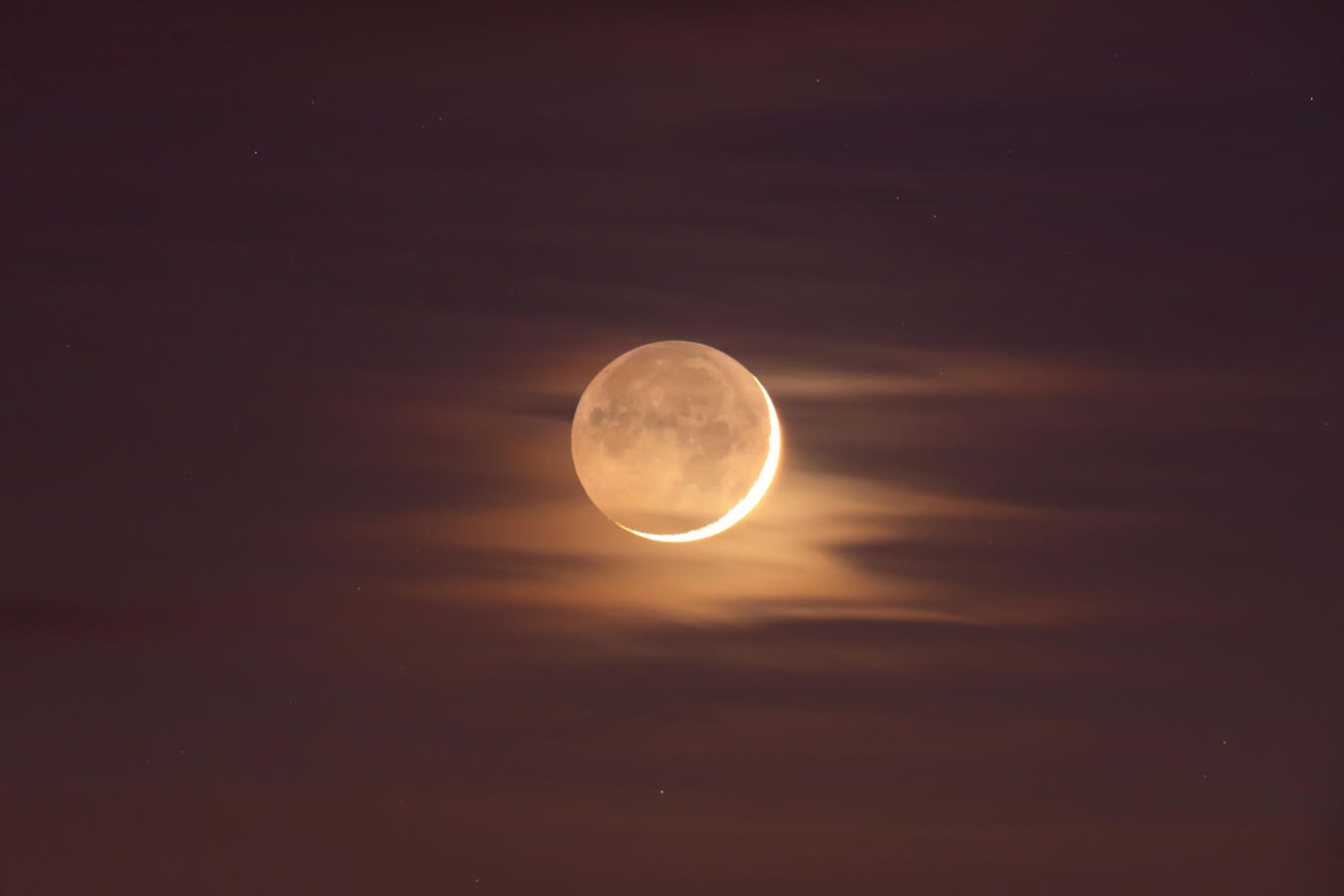
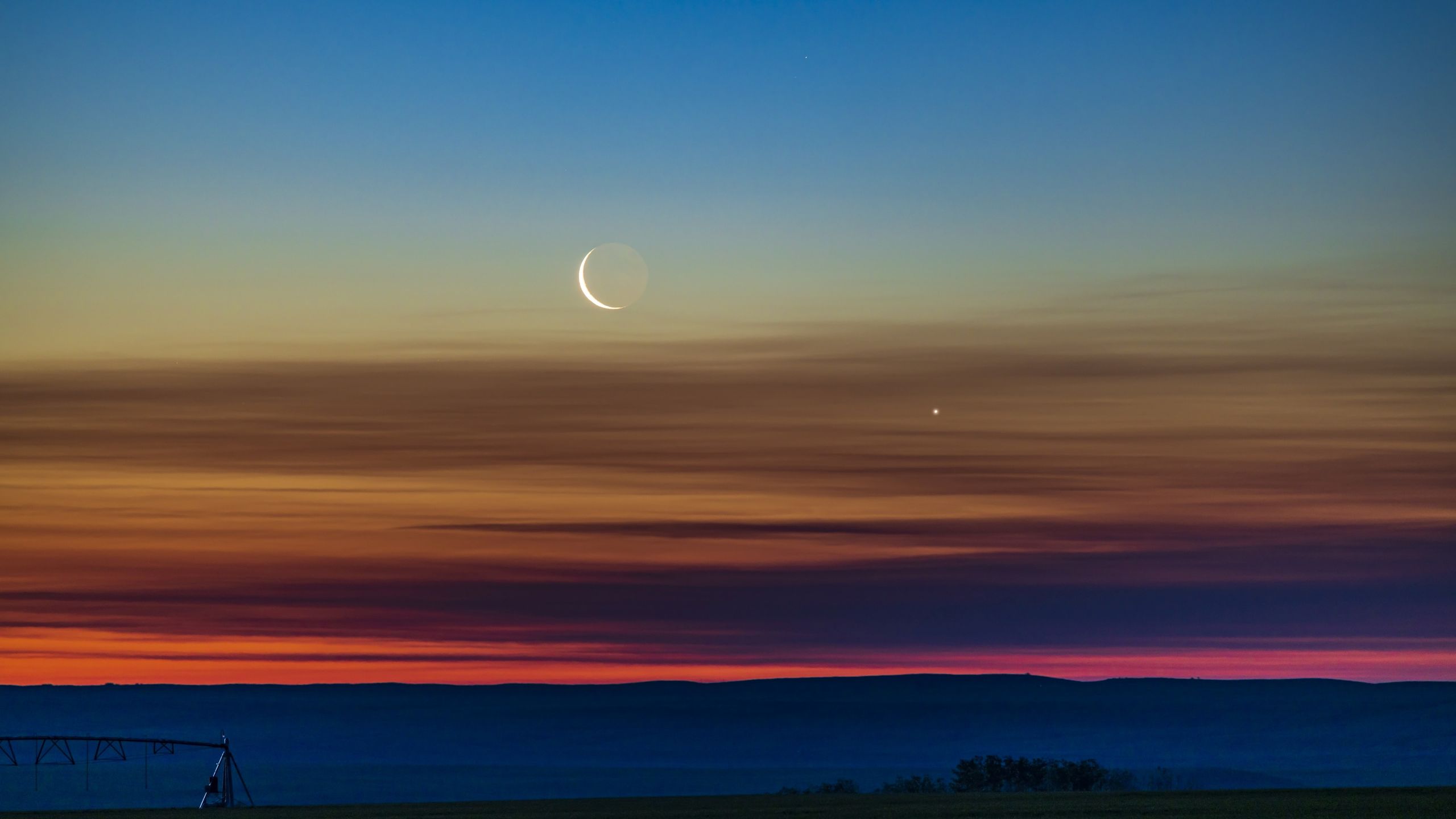
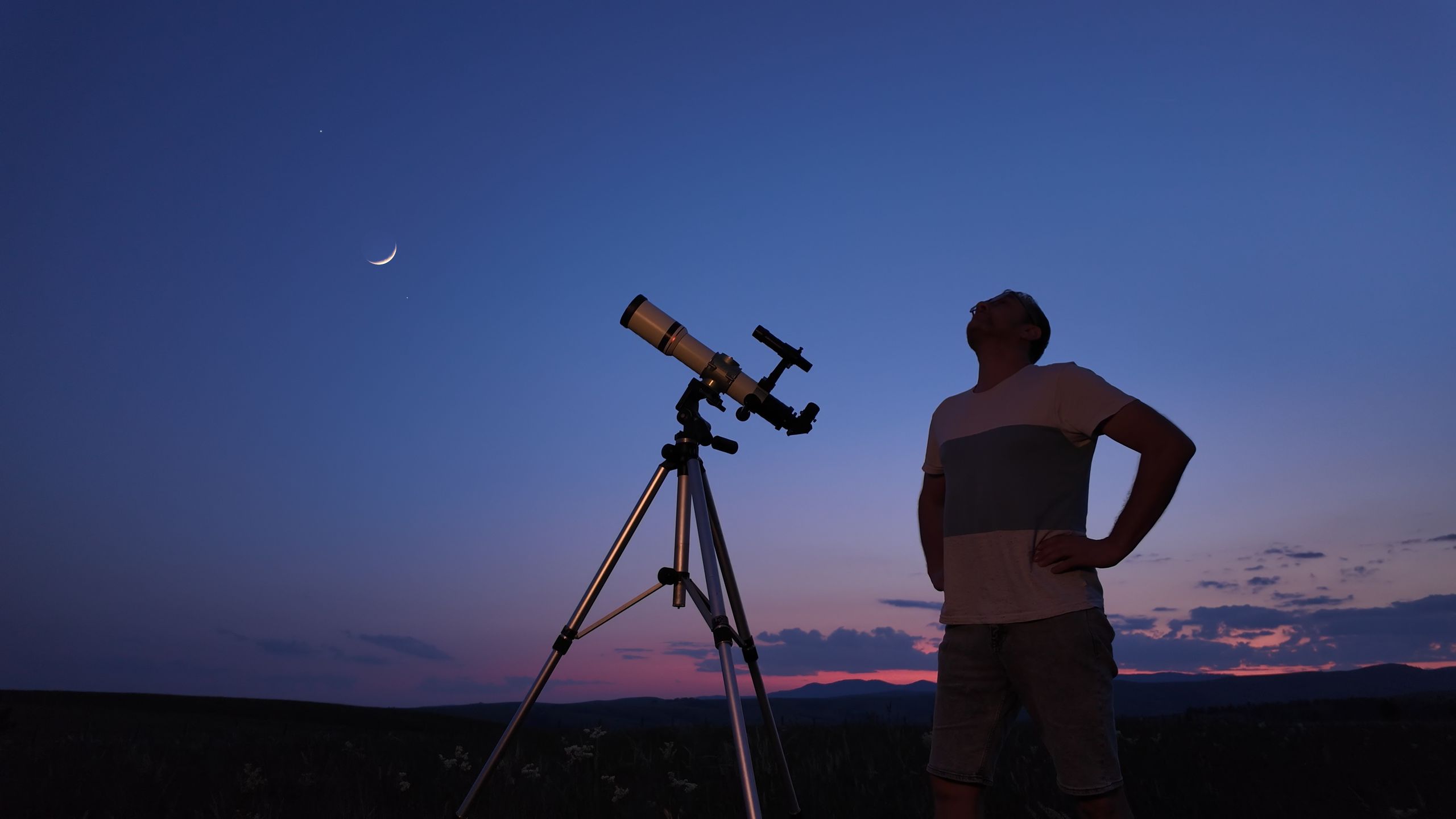
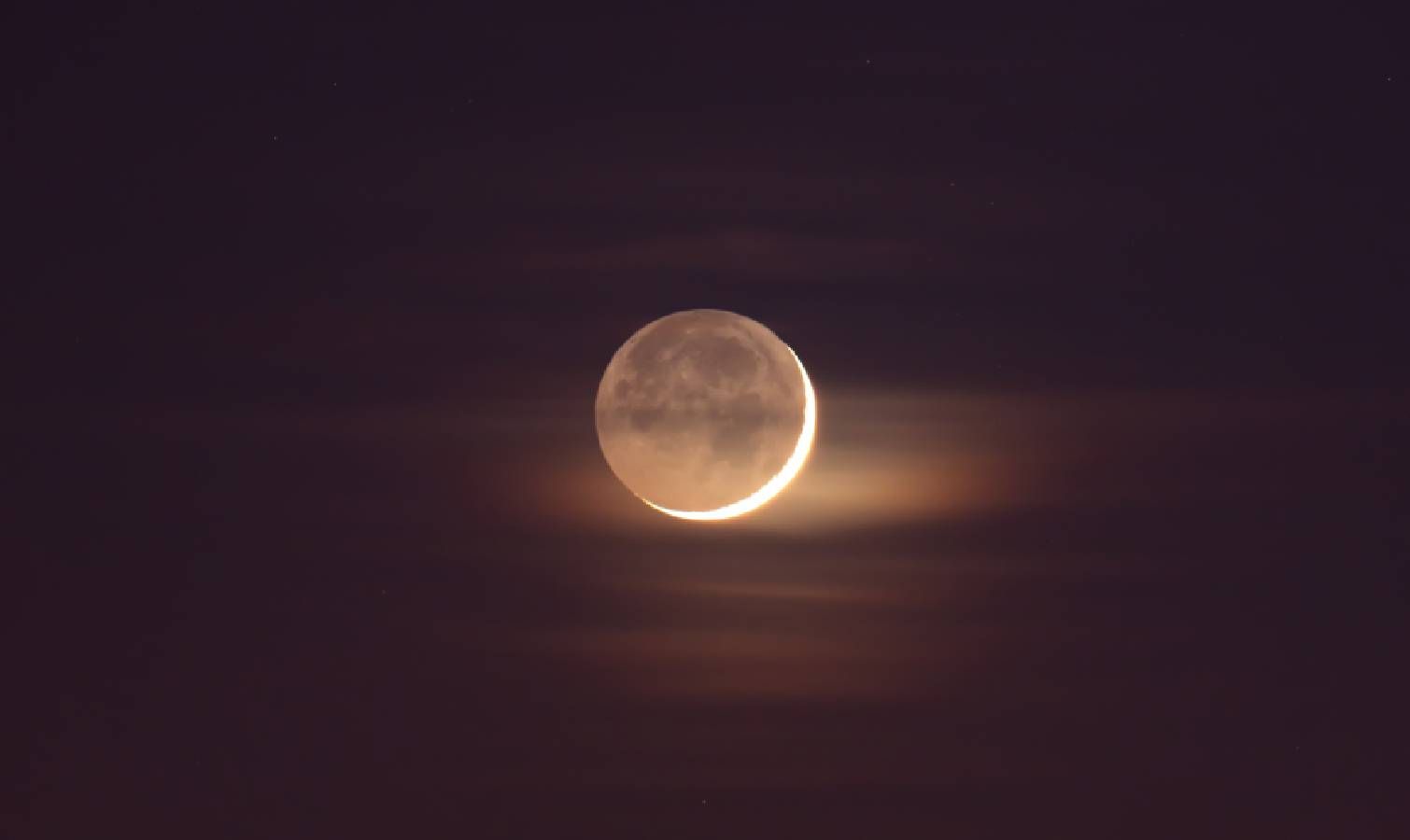
Look up at the moon on a clear night this week and you might see something strange: the entire moon glowing faintly even though it's a thin crescent. The dark portion isn't actually dark. it's glowing with a ghostly light that makes the full circle of the moon visible against the night sky.This is Earthshine, one of the few times when the new moon becomes the main event instead of the full moon. We spend so much time chasing full moons that we completely overlook this: the quiet, strange version that only shows up a few days a year.While Earthshine happens throughout the year, spring offers the only window where it’s bright enough to easily spot with the naked eye, and this week is your best chance.It’s a phenomenon so historic that Leonardo da Vinci first explained its mystery in the 16th century, which is why it's often called the "Da Vinci glow. Here is what you're looking at, and how to catch this rare sight before it disappears.
What Earthshine actually is
Full moons are bright because sunlight hits the moon's surface directly and reflects straight back to Earth. One reflection, bright result.Earthshine requires three reflections. Sunlight hits Earth first, bounces off our planet's surface toward the moon, reflects off the moon's surface, then travels back to Earth where you see it. Each reflection reduces brightness dramatically, which is why Earthshine looks so dim compared to a full moon.The effect only works during crescent moon phases, the few days before and after a new moon when only a sliver is directly lit by sunlight. The rest of the moon's face catches Earth's reflected light, making the dark portion glow faintly.You're essentially seeing Earth's light illuminating the moon the same way moonlight illuminates Earth on clear nights. The roles are reversed.