Look for the Great Diamond of Spring in May's night sky and discover the rich realm of galaxies within.
(Image credit: Yoshiyoshi Hirokawa via Getty Images)
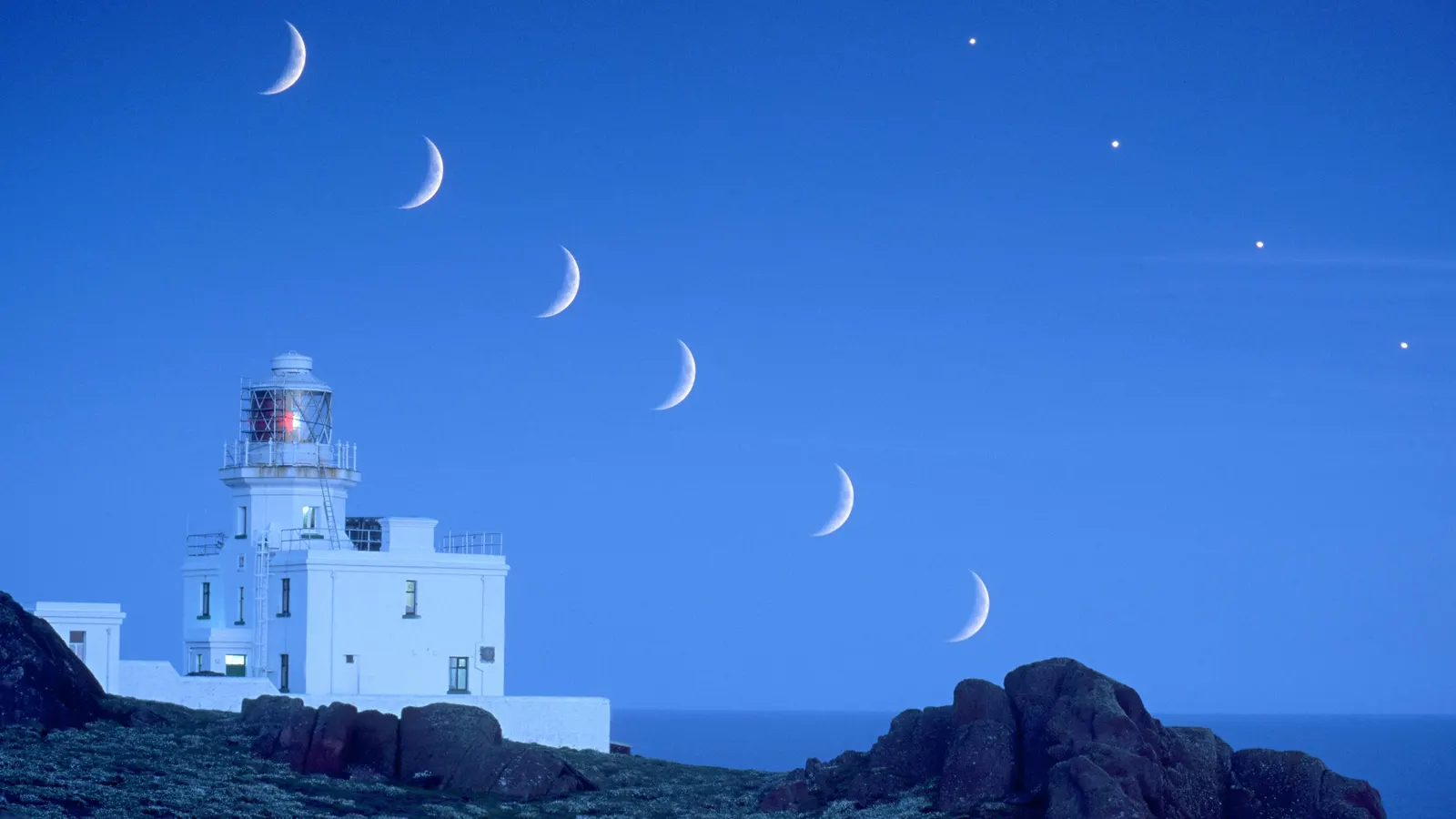
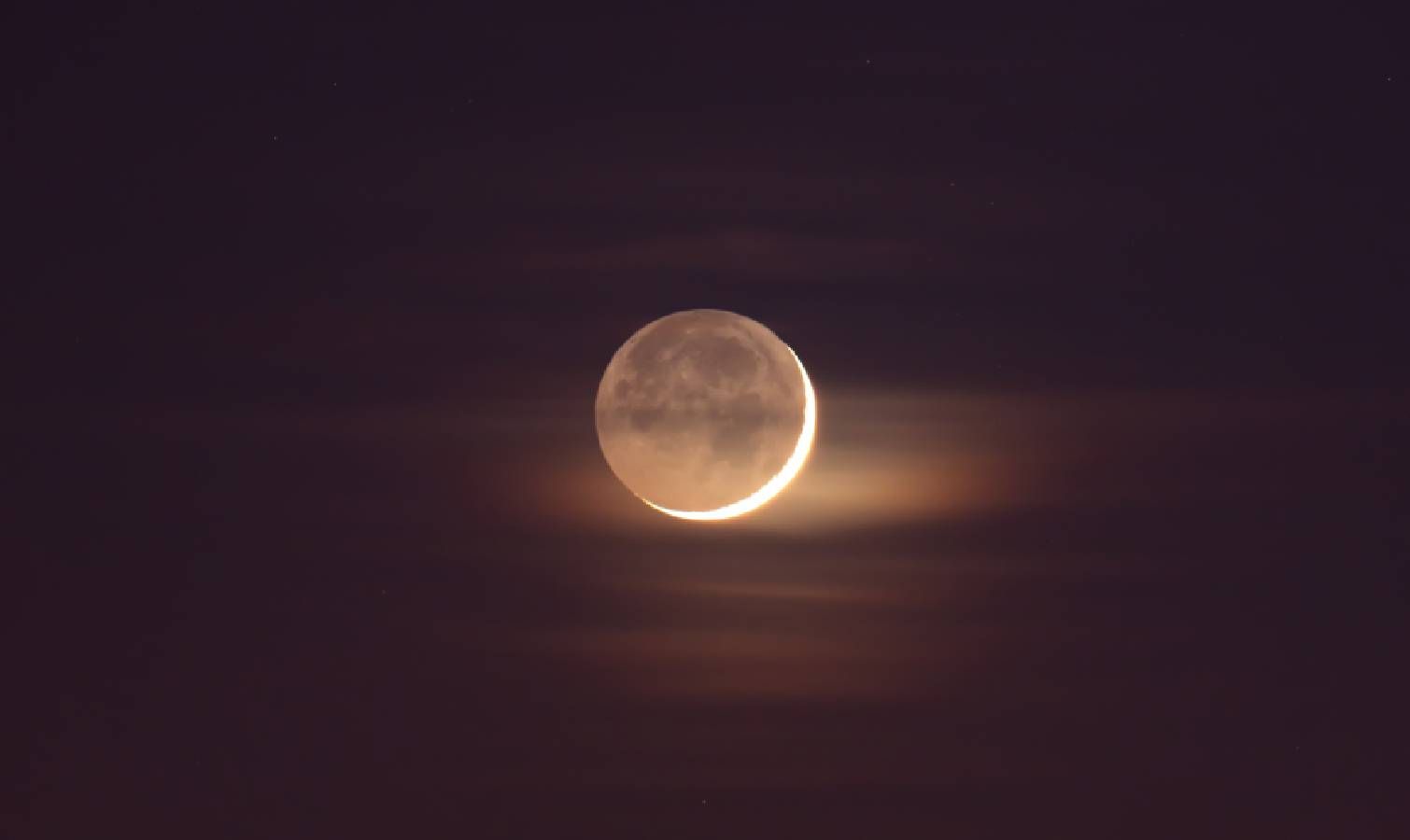
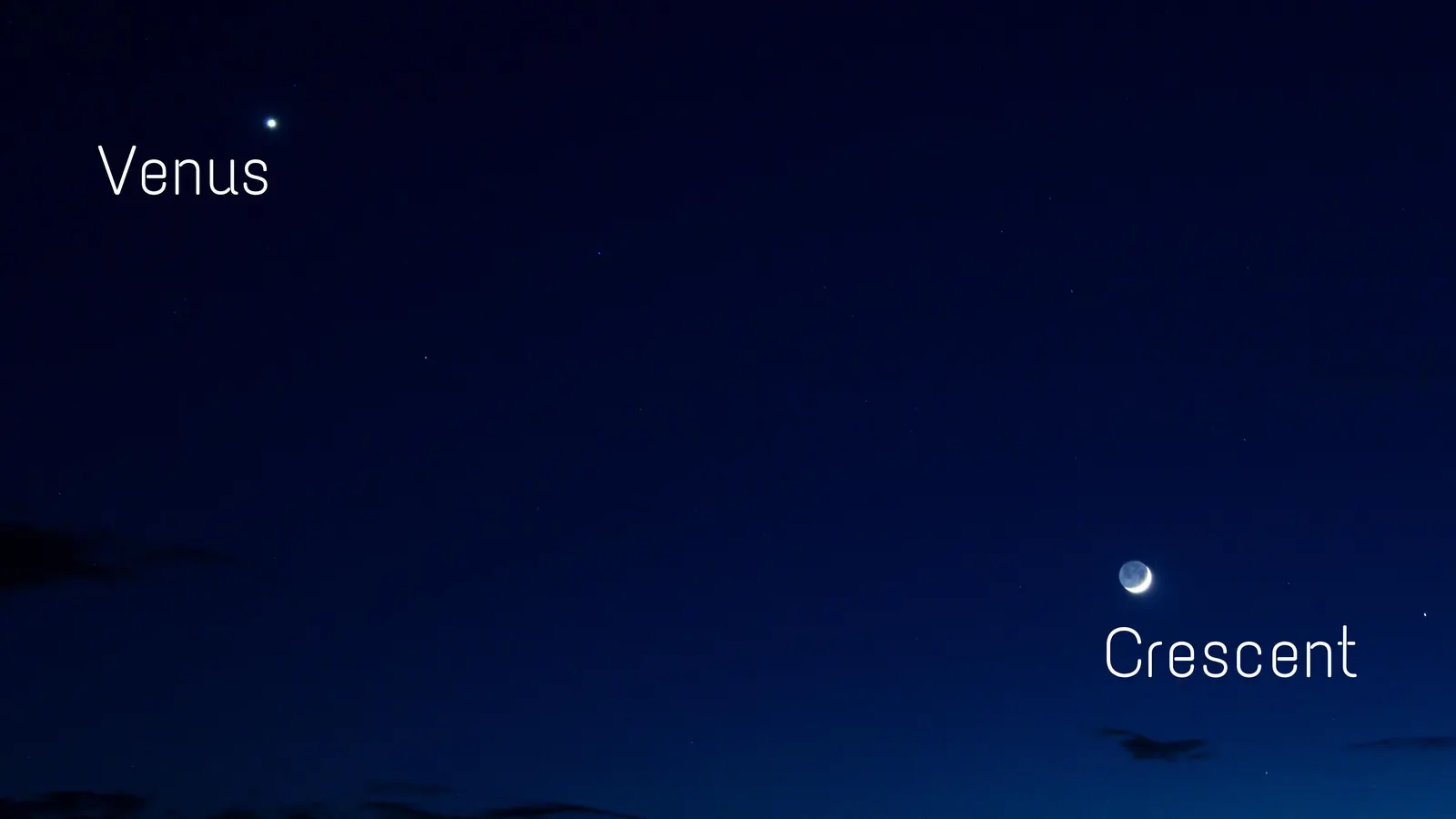
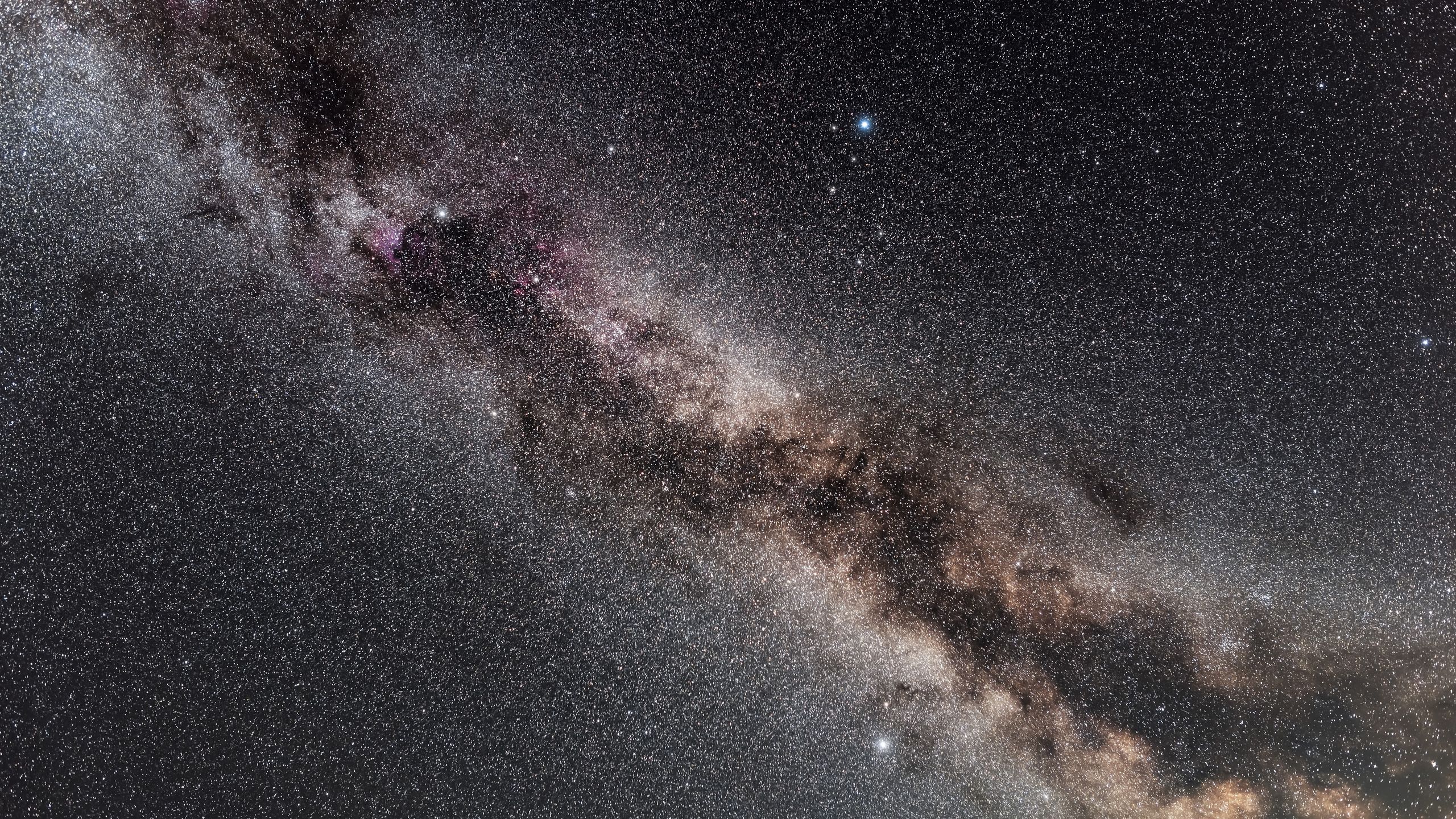
With the evening moon appearing as a crescent phase for much of this upcoming week, we now have an opportunity to view some of the fainter sky objects that now occupy our spring evening sky.Looking high overhead and toward the south just after nightfall, there is a broad star pattern formed by four stars. The near-third magnitude star, Cor Caroli (in the constellation of Canes Venatici the Hunting Dogs), is the faintest of the four that comprise a large diamond frame that can be found high in the sky and due south at around 10 p.m. local daylight time. The other stars in the diamond are second magnitude Denebola (marking the tail of Leo, the Lion), first magnitude Spica (the spike of wheat in the hand of Virgo) and zero-magnitude Arcturus (in Boötes the Herdsman).In his popular constellation guide, "The Stars — A new Way to See Them," author Hans A. Rey (1898-1977) called it the "Virgin's Diamond," after the constellation of Virgo, though others refer to it simply as "The Great Diamond."But it's not sanctioned. . . Of course, the Diamond is not an official constellation but is an asterism. The constellations shown on modern star atlases are all officially approved by the International Astronomical Union (I.A.U.), but while constellations are official, asterisms are not. An asterism is often defined as a noteworthy or striking pattern of stars within a constellation, but that is not always the case. The Big Dipper is not a constellation itself, but an asterism which is part of the larger constellation of Ursa Major, the Great Bear.