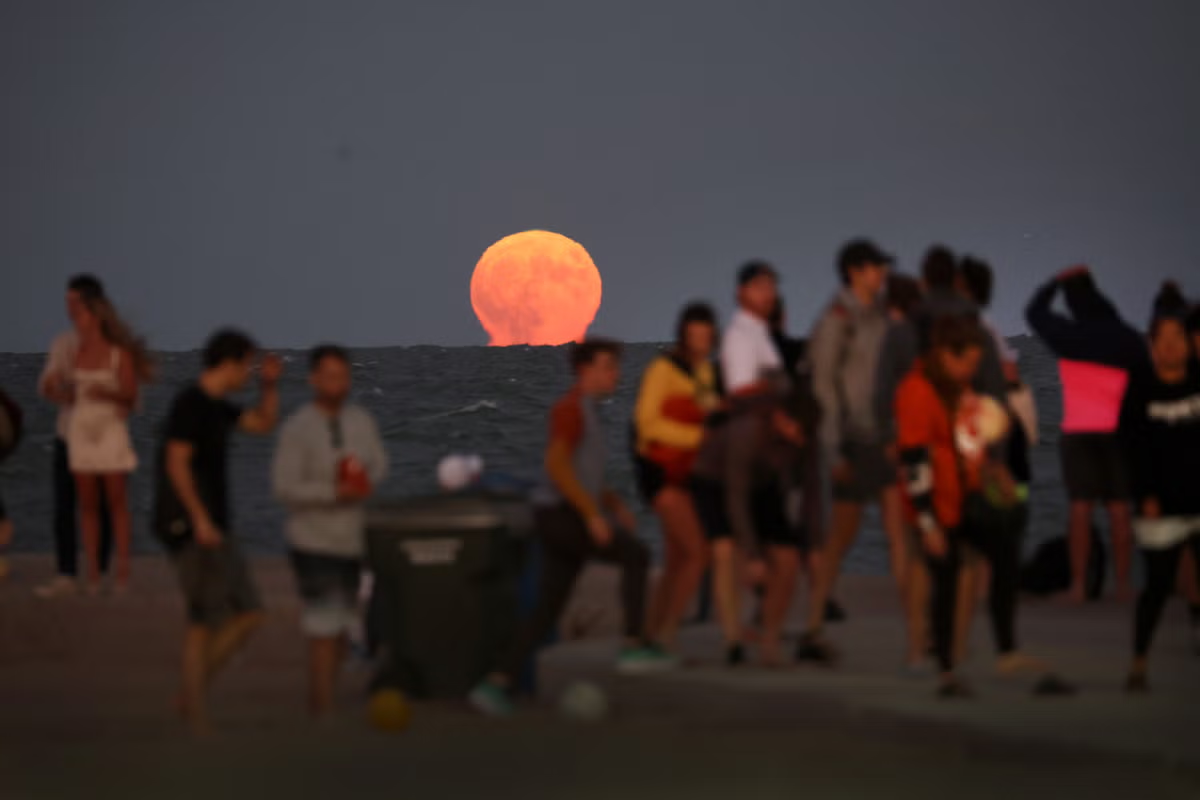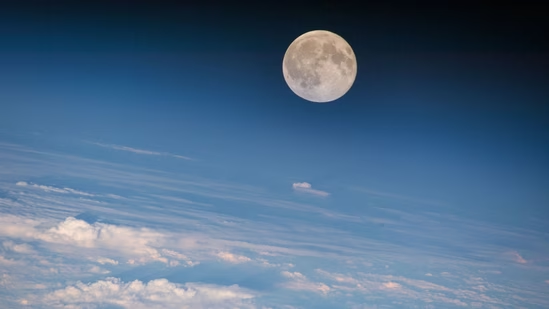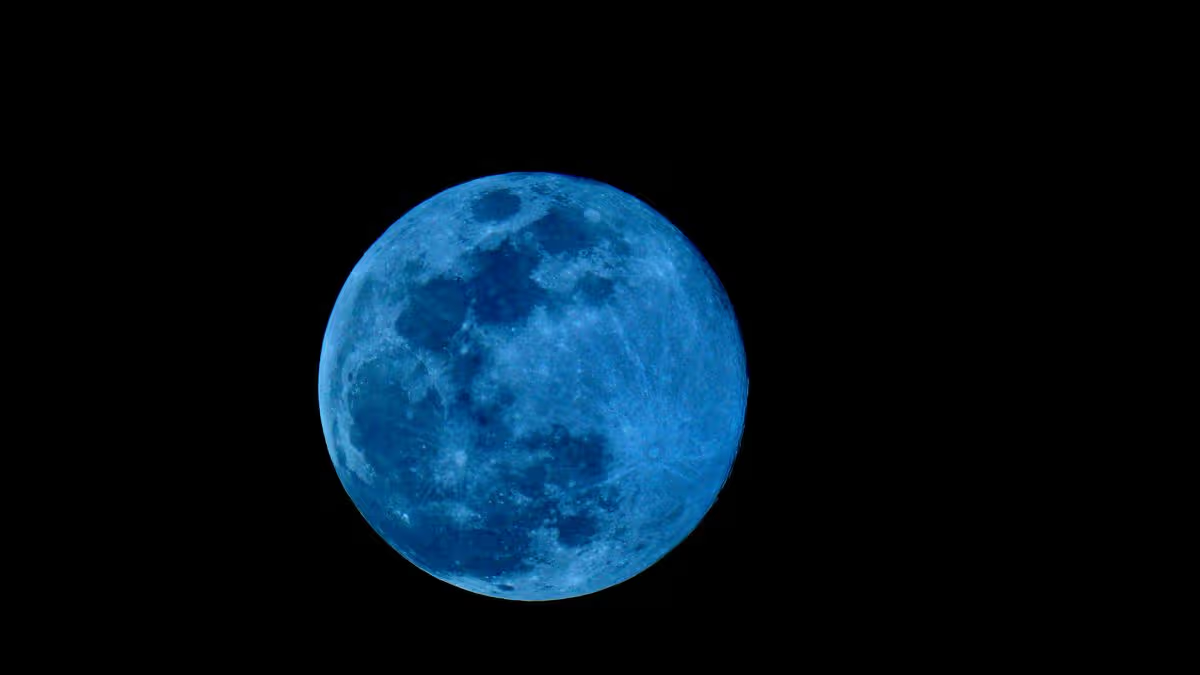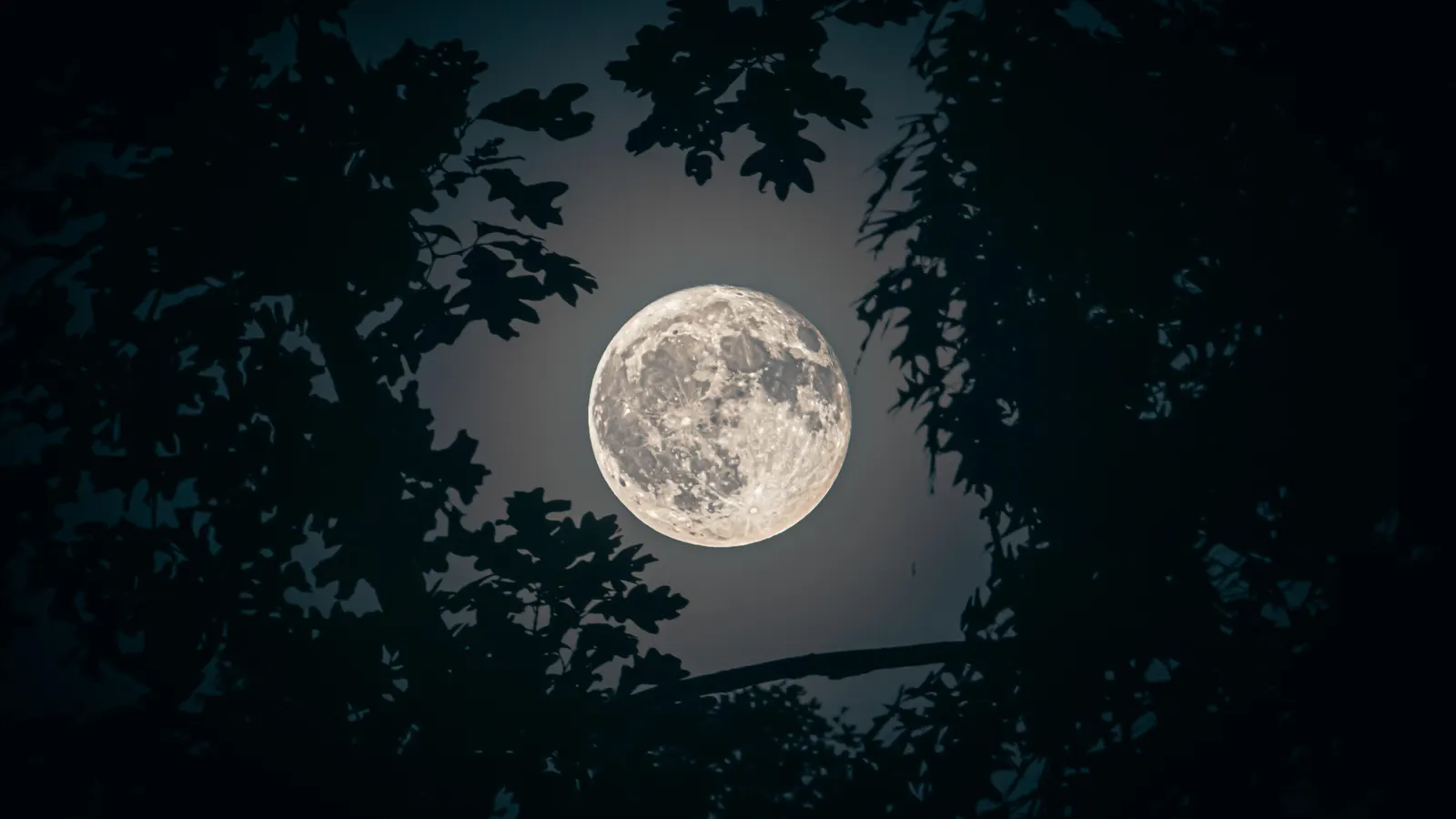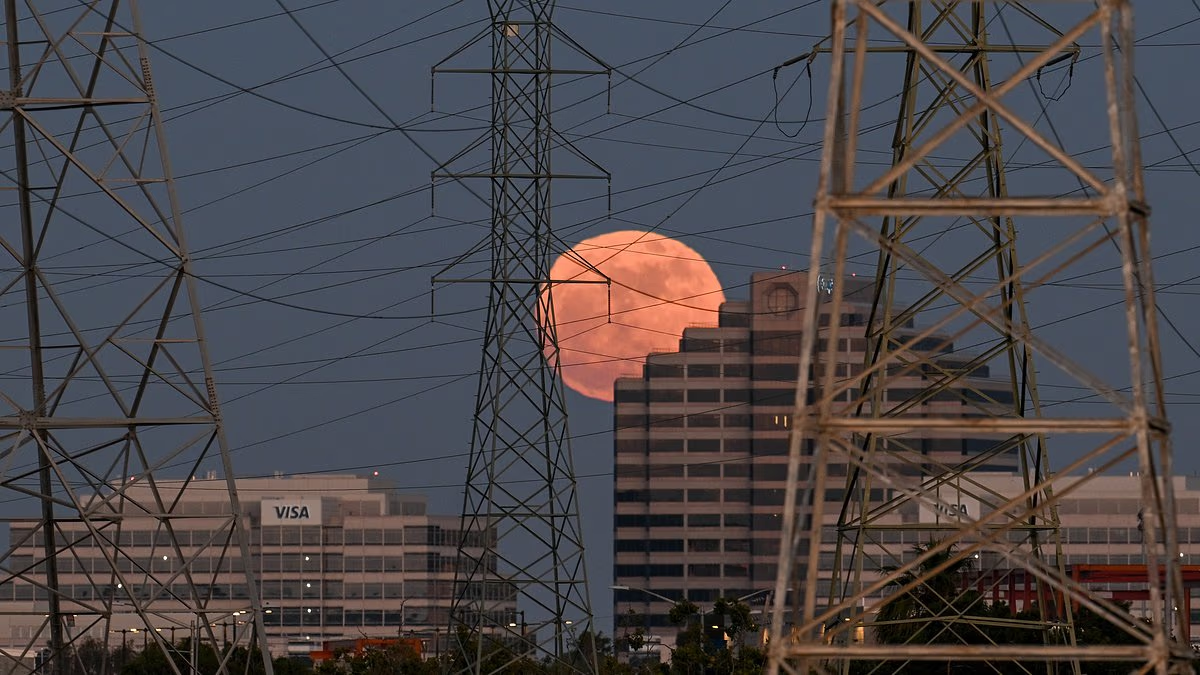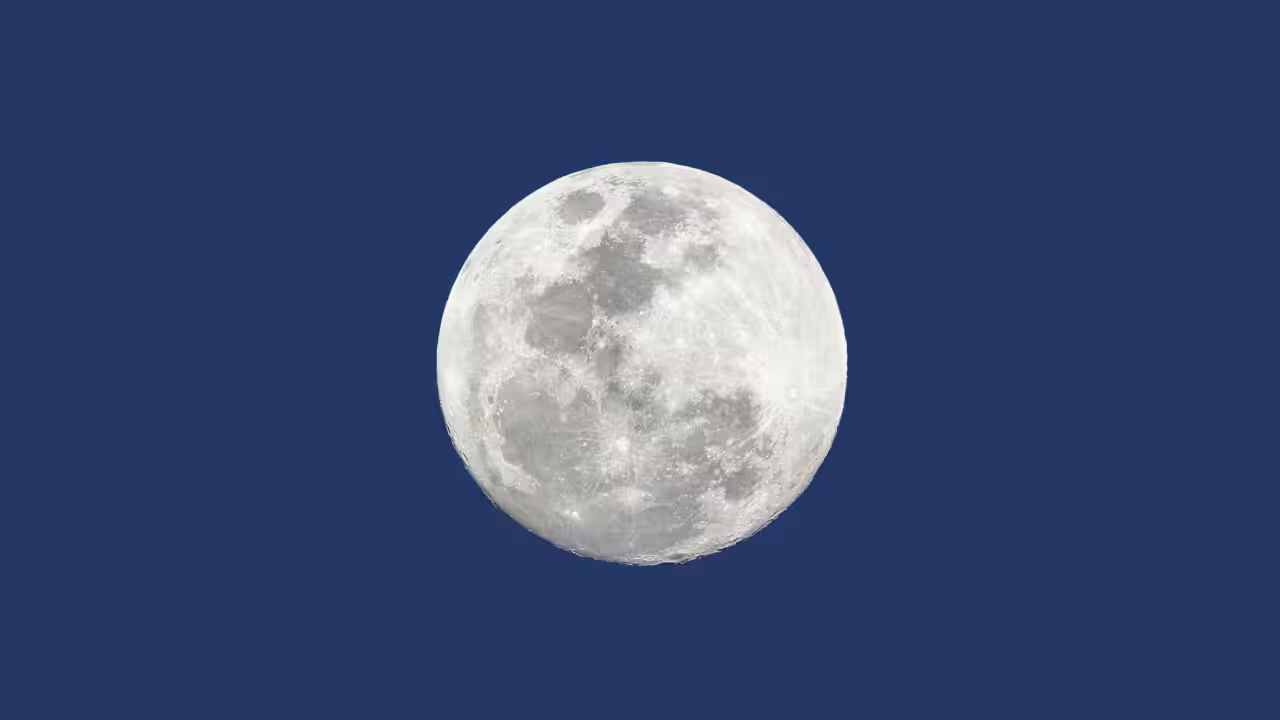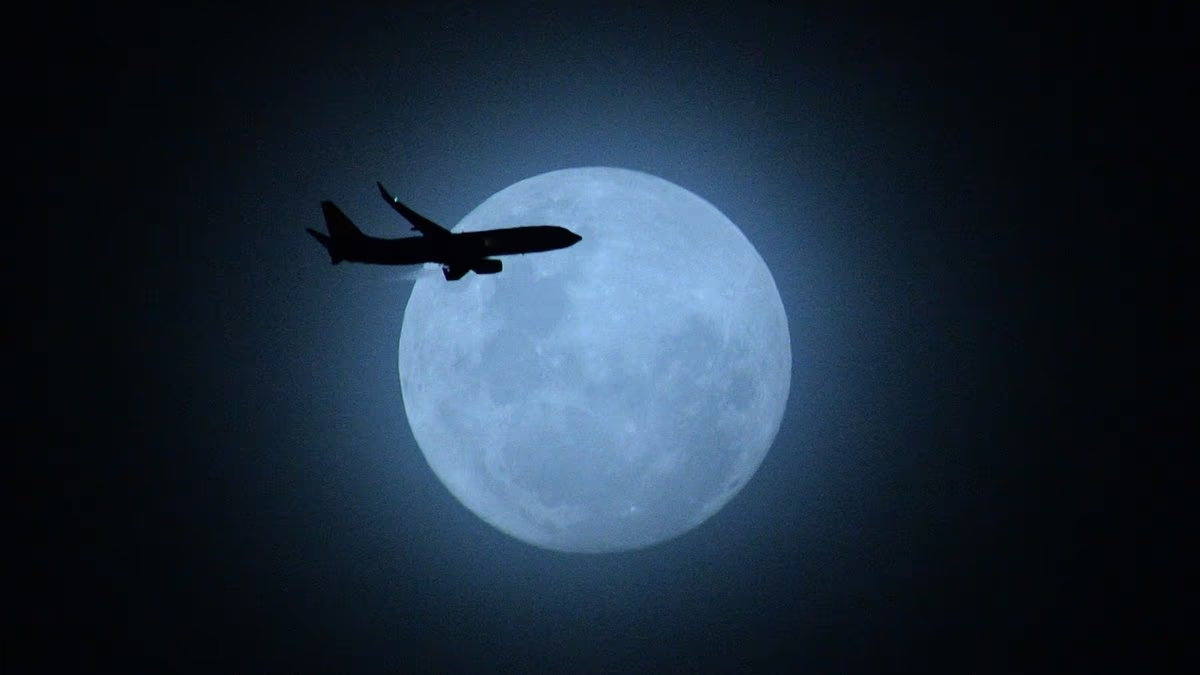
A rare celestial event is about to light up the night sky, and stargazers across the United States may want to mark their calendars now. This weekend brings a highly anticipated Blue Moon, giving skywatchers a chance to witness a glowing full moon rising dramatically after sunset. Despite its name, the moon will not actually appear blue, but it could look enormous, golden-orange and unusually striking as it climbs above the horizon.The lunar event arrives during an already active stretch for astronomy fans, with bright planets like Venus and Jupiter continuing their slow-motion dance in the evening sky.For anyone searching for the best time to see the Blue Moon, the answer may surprise you: the most spectacular view could happen before the moon officially reaches full phase.What is a Blue Moon?A Blue Moon is not a different type of moon or a rare color change. Instead, it’s a calendar event.The term refers to the second full moon occurring within a single calendar month. Since full moons happen roughly every 29.5 days, most months only get one. Occasionally, though, timing lines up perfectly to create two full moons in the same month.That’s exactly what happens in May 2026. The first full moon appeared on May 1, while the second will officially reach full phase on May 31, creating this year’s rare Blue Moon event, as per a report by Forbes.Although Blue Moons are uncommon, they are not extraordinarily rare. They usually occur every two to three years.The best night to watch the Blue Moon may actually be May 30Astronomy experts say the most visually dramatic moment will likely happen on Saturday, May 30, shortly after sunset. That’s when the nearly full moon will rise low in the southeastern sky, appearing unusually large and orange because of Earth’s atmosphere.When the moon sits near the horizon, its light passes through thicker layers of air, creating warmer tones and a magnified visual effect sometimes called the “moon illusion.”For the best experience, viewers should:Find an unobstructed southeastern horizonArrive shortly before moonriseAvoid brightly lit areasBring binoculars if possiblePatience is key because the moon often appears slowly, glowing through haze near the horizon before climbing higher into the sky.The moon will shine near Antares, one of the sky’s brightest starsThe Blue Moon will not rise alone. On Friday, May 29, and Saturday, May 30, the moon will appear close to Antares, the brightest star in the constellation Scorpius.Antares is often called the “heart of the scorpion” because of its reddish glow and central position in the constellation. Under darker skies, the pairing of the moon and Antares could become one of the weekend’s most photogenic astronomy moments.Earlier in the week, the waxing moon also passes through Virgo and near the bright star Spica before continuing eastward.Venus and Jupiter continue their rare planetary approachWhile the Blue Moon will dominate headlines, another eye-catching event is quietly unfolding in the western sky. Venus and Jupiter are steadily moving closer together each evening after sunset.Venus appears brilliantly bright low on the western horizon, while Jupiter glows slightly higher above it. Night after night, the gap between the two planets continues shrinking ahead of their highly anticipated conjunction on June 9.The slow approach has become easy to track with the naked eye, giving casual skywatchers a rare opportunity to observe planetary motion in real time.Astronomy fans are already calling the pairing one of early summer’s standout celestial events.Leo is disappearing from the evening skyThis week may also offer one of the final good opportunities to spot the constellation Leo before it fades into seasonal twilight. Leo remains visible in the western sky after sunset, though it is gradually sinking lower each night.The constellation is famous for its easy-to-recognize “sickle” shape, which outlines the lion’s head. Its brightest star, Regulus, serves as one of the sky’s classic navigation points for beginner stargazers.As summer approaches, Leo will slowly disappear from view until later in the year.More sky events are coming in JuneThe Blue Moon is only the beginning of a busy period for skywatchers.Several major astronomy events are still ahead, including:Venus reaching its highest evening point on June 5The Venus-Jupiter conjunction from June 9-11A New Supermoon around June 14-16Mercury reaching greatest elongation on June 16The summer solstice on June 21The weeks ahead are expected to offer some of the best evening sky viewing opportunities of 2026.Why Blue Moons still fascinate skywatchersEven though Blue Moons don’t physically change color, they continue capturing public imagination because of their rarity and timing. The phrase “once in a blue moon” has long symbolized unusual or infrequent events, giving the lunar phenomenon a cultural mystique beyond astronomy itself.And when a bright full moon rises warm and glowing over the horizon, it’s easy to understand why so many people stop to look up.FAQsWhat is a Blue Moon?A Blue Moon is the second full moon to occur within a single calendar month.When can I see the Blue Moon in 2026?The best viewing opportunity is expected on Saturday, May 30, shortly after sunset, with the moon officially becoming full on May 31.
Blue Moon alert: A rare full moon will glow orange after sunset this week — Here’s the best time to watch
Skywatchers are preparing for one of 2026s most beautiful lunar events as a rare Blue Moon rises alongside bright stars and planets. Even though Blue Moons do not actually appear blue, they continue to capture public fascination because of their rarity and unique timing.
840 words~4 min read