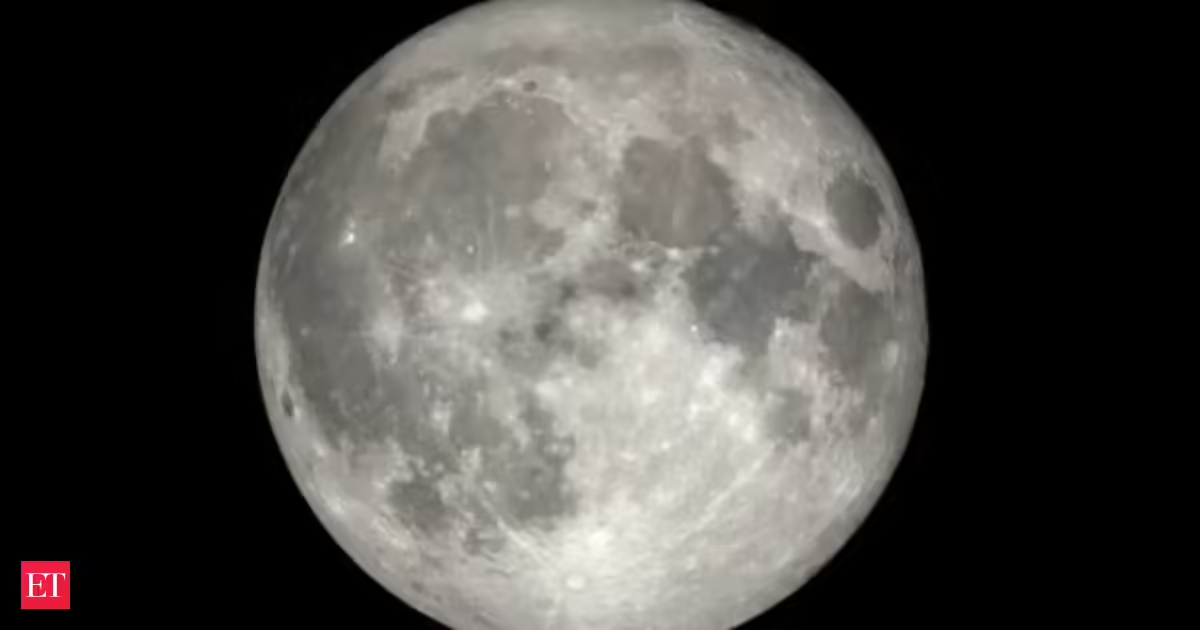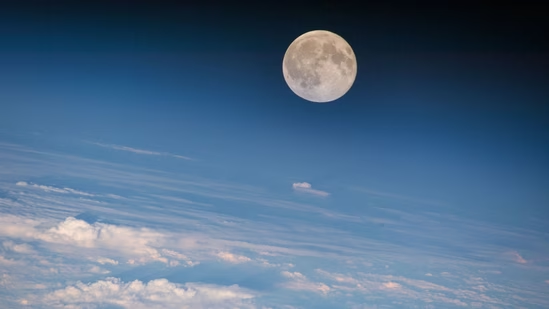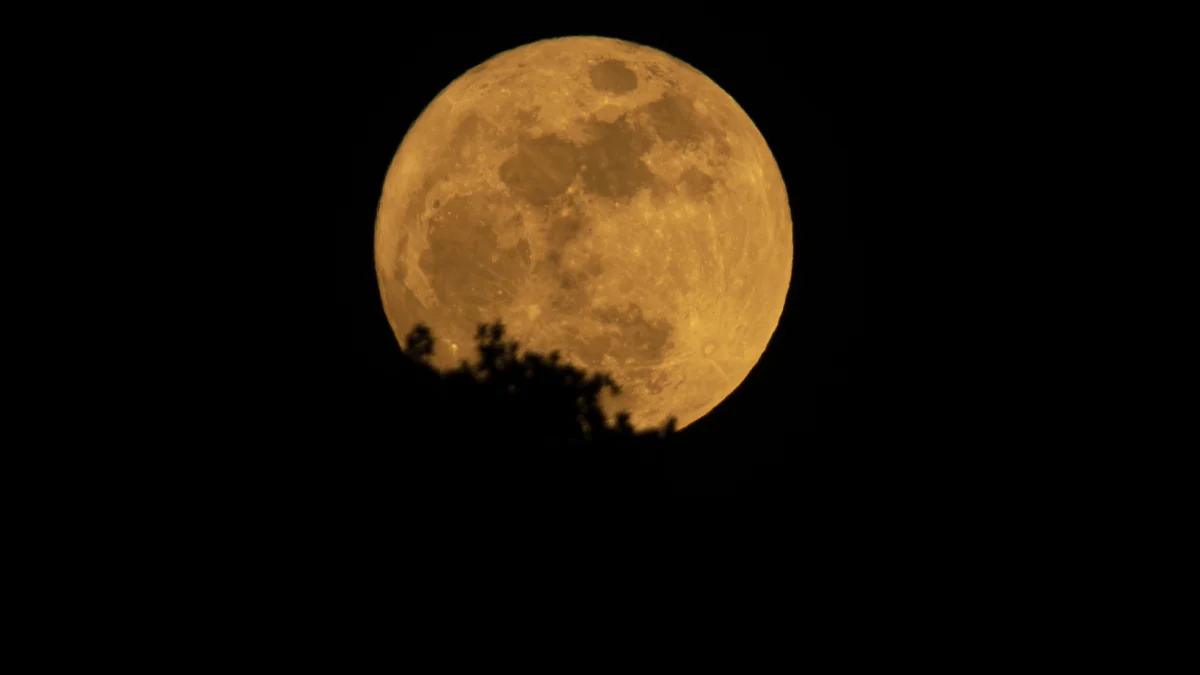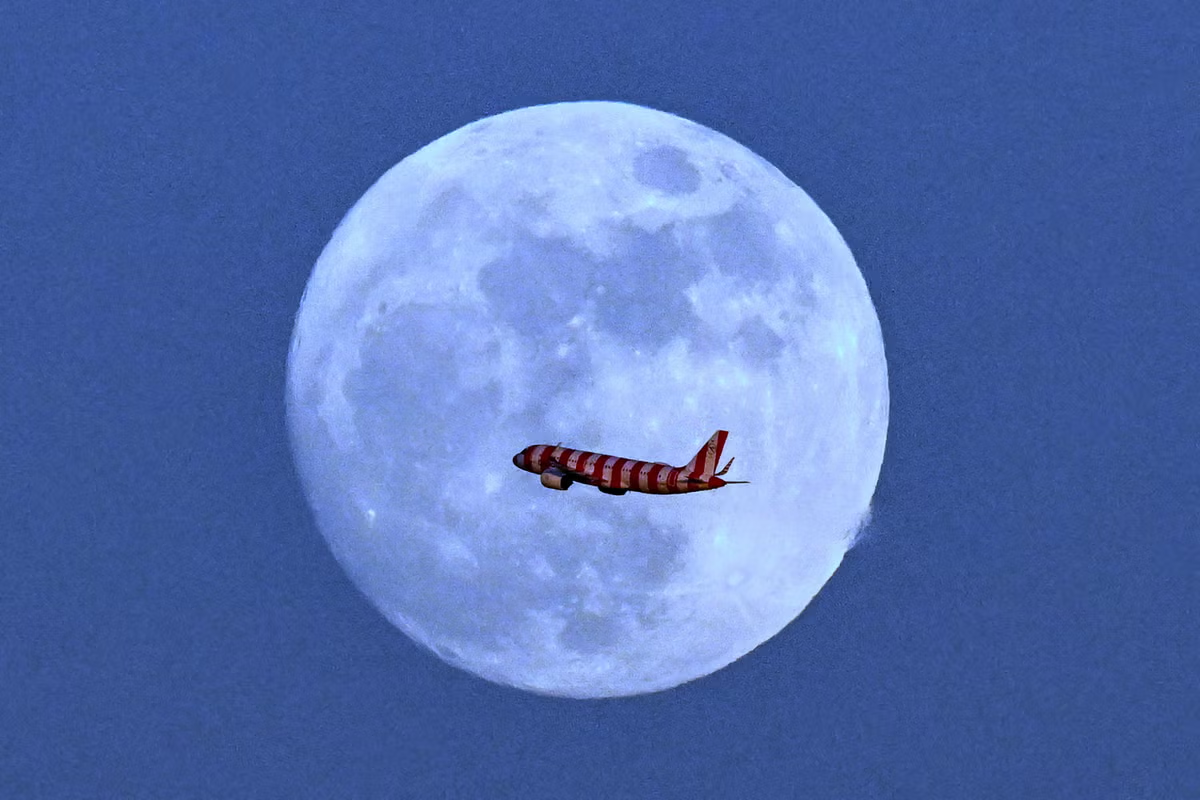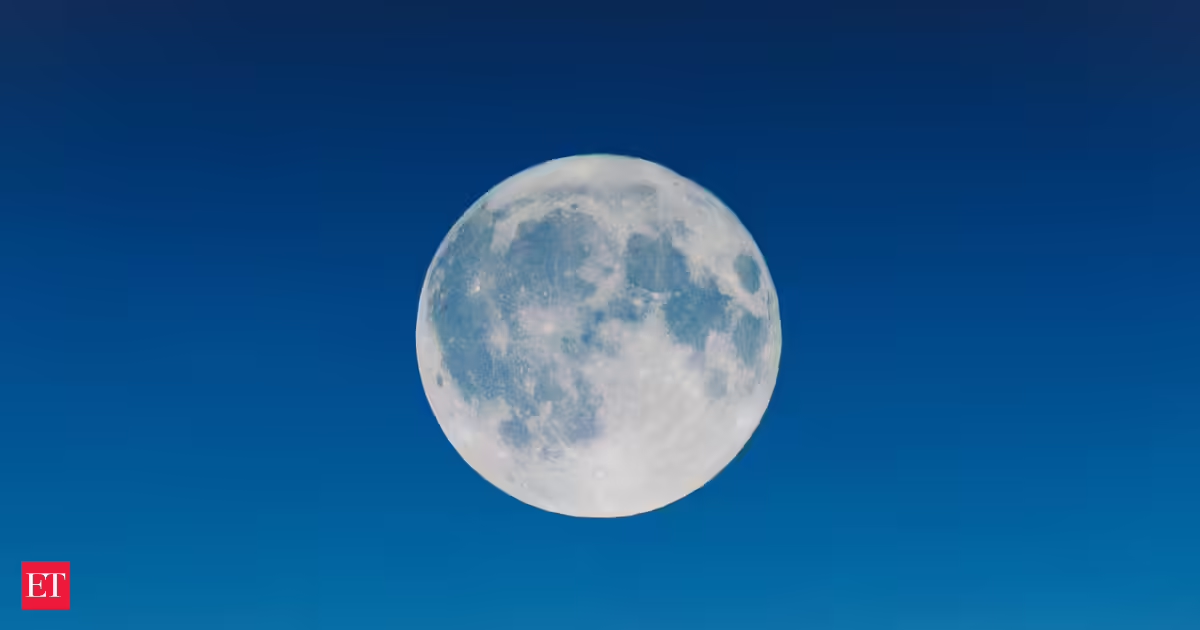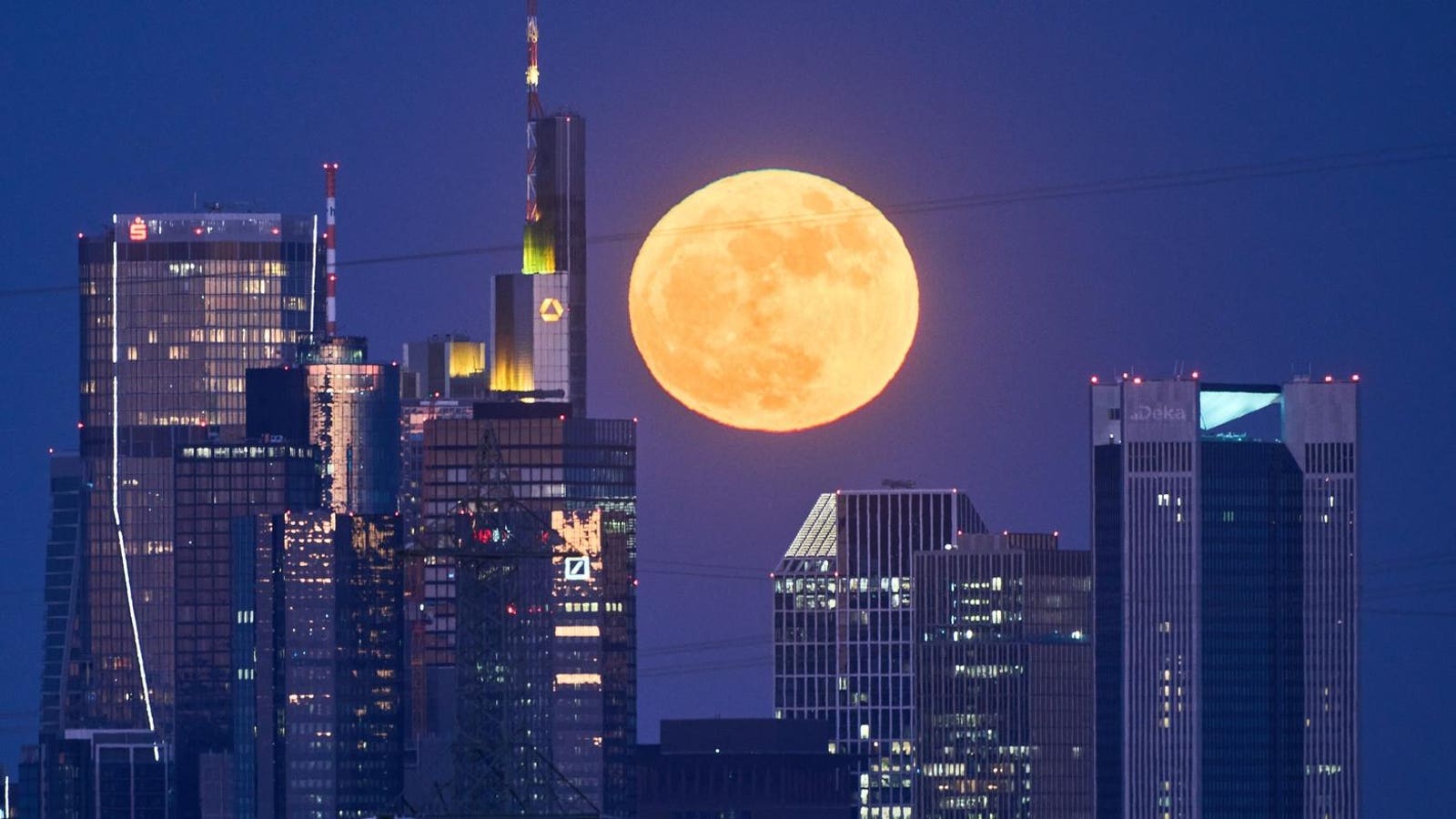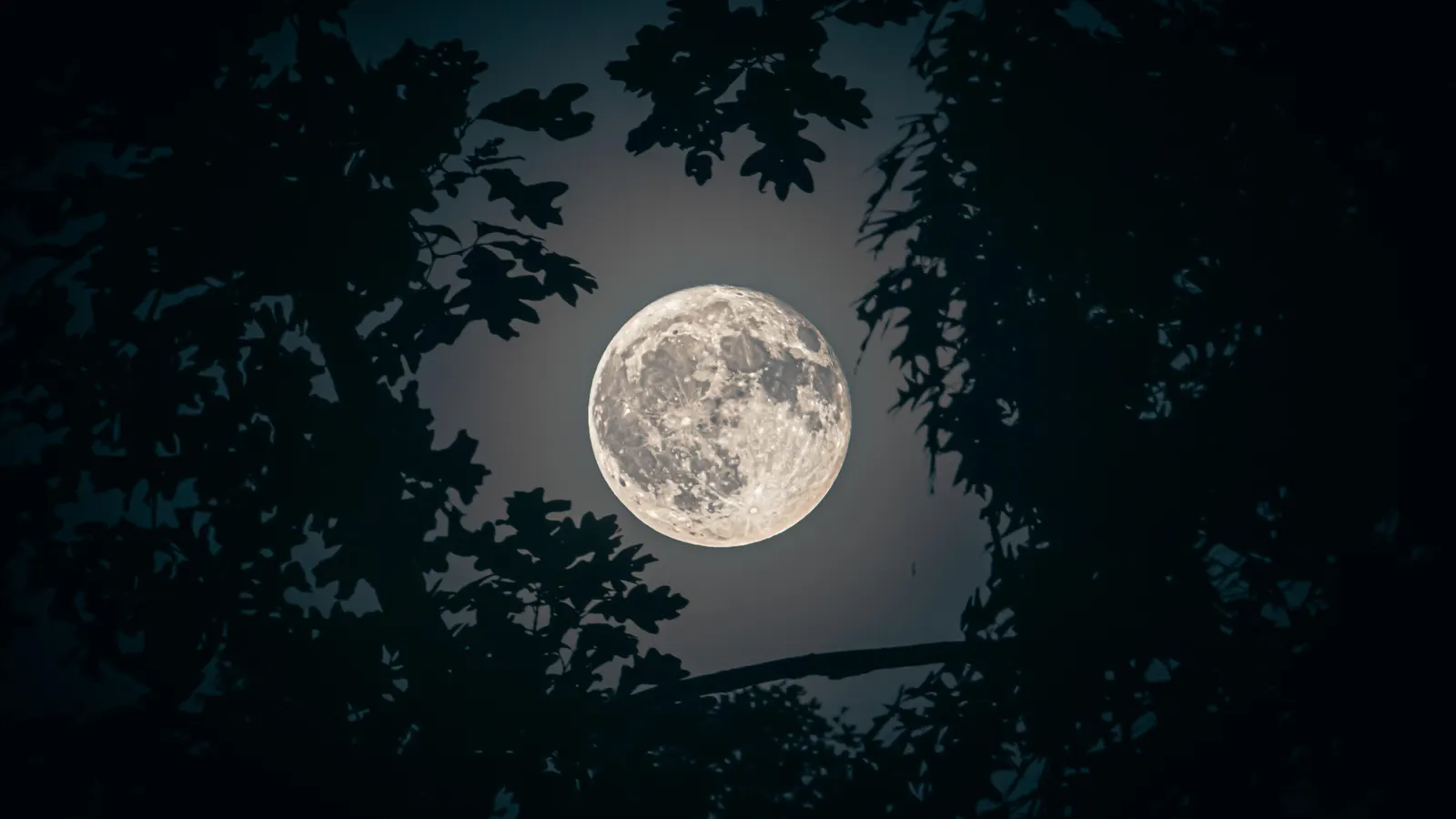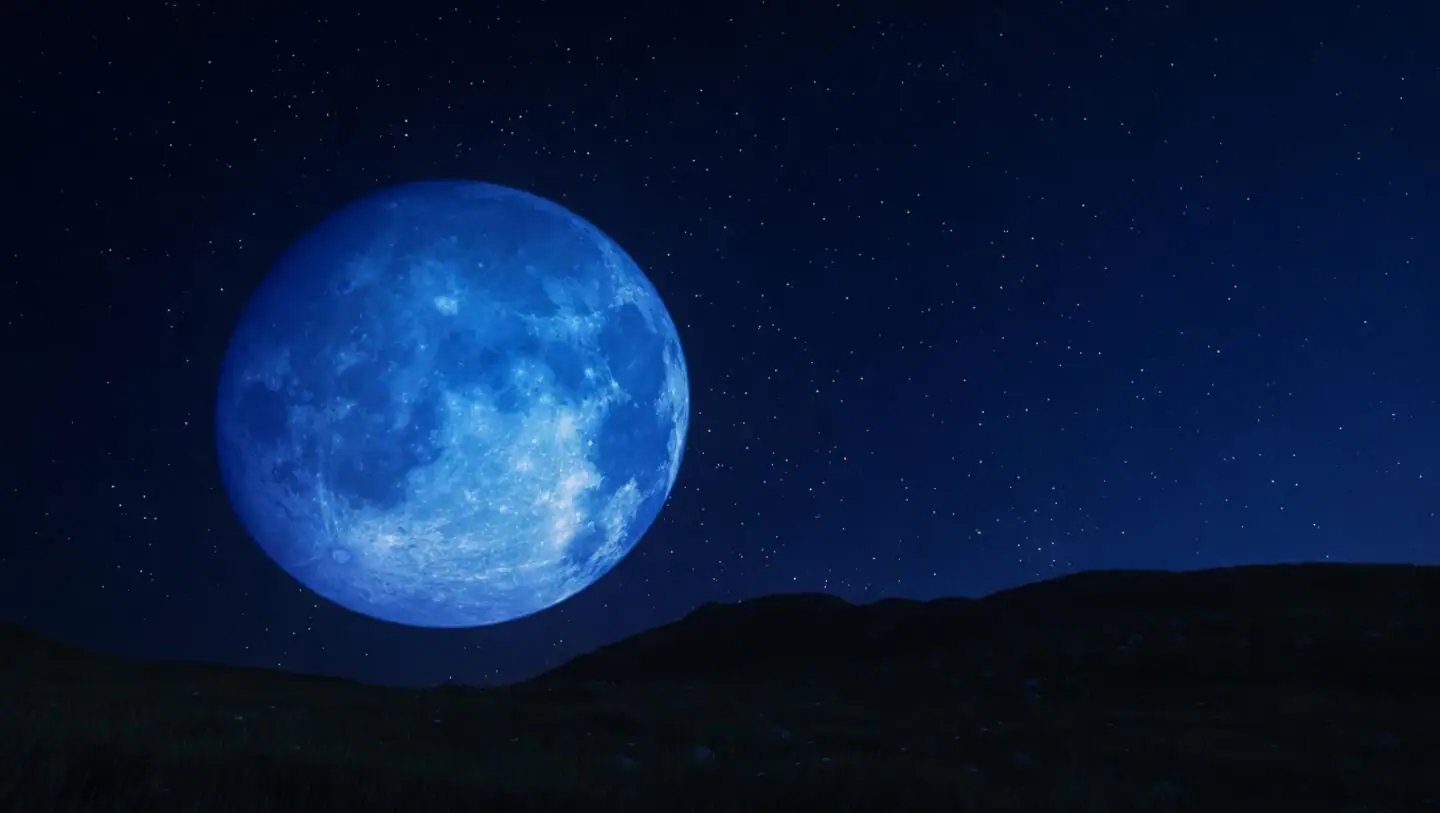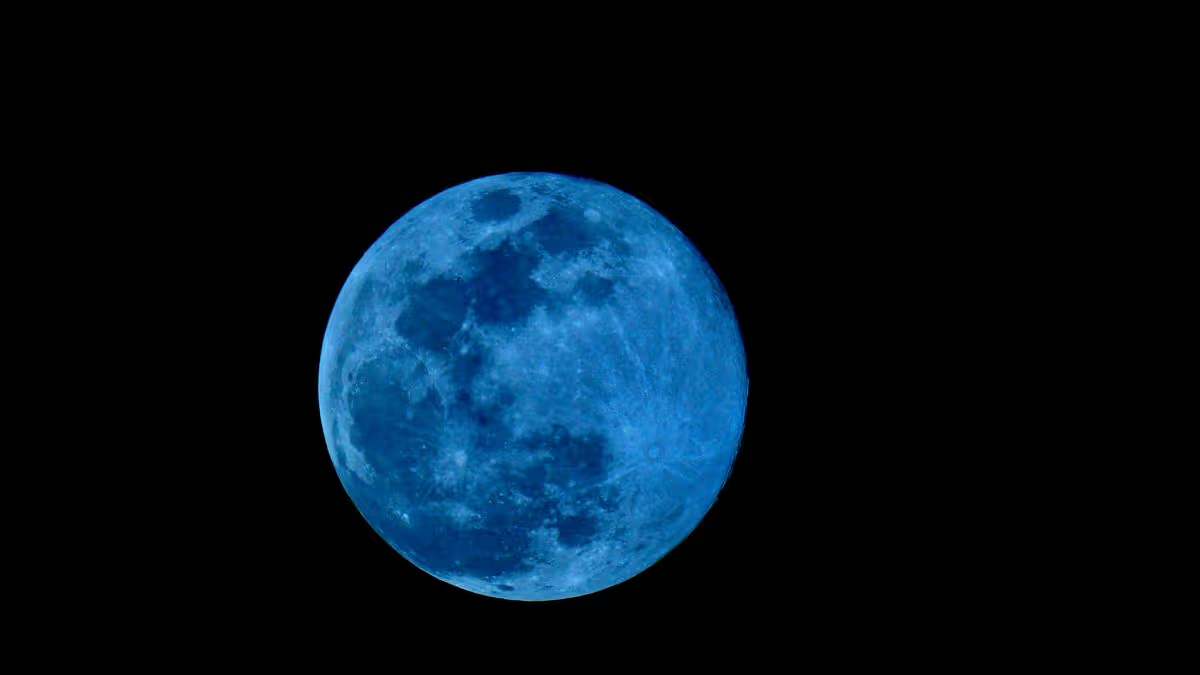
A blue moon happens rarely with the last one appearing in August 202410:43, 30 May 2026This weekend will offer a rare treat for stargazers with a special lunar event which last took place almost two years ago. People looking skywards will be able to see a blue moon - weather conditions permitting.A blue moon happens when there are two full moons in the same calendar month. This month the second moon - known as a blue moon - will rise on Saturday night. Although it is usually not blue there are times when it does appear to look a different colour.This event is rare as there are usually just one full moon. The last blue moon was in August 2024.Astronomy expert Alan Jones from 365 Astronomy has now told why this blue moon is unusual. He also explains when best to see it in the UK, and how to get some great pictures.When to see May’s blue moonAlan explained: "The blue moon reaches peak illumination on Sunday, the 31st, although the best time for stargazers will be on the evening of Saturday, May 30th, when the moon rises shortly after sunset and stays visible throughout the night. It will sit relatively low in the southern sky, so choosing a location with clear views of the eastern and southern horizon, away from tall buildings and trees, will provide the best experience."Why this blue moon is special“A blue moon is the second full moon within a single calendar month, something that happens only every two to three years. Despite the name, the moon will not actually appear blue, " said the expert."This year’s event is also a micromoon, meaning the moon is near the furthest point in its orbit from Earth. It may appear slightly smaller and dimmer than usual, although the difference is subtle."Why the moon can appear orange or redAlan said: "As the moon rises or sets near the horizon, it can take on orange, amber or reddish tones because Earth’s atmosphere scatters shorter blue wavelengths of light. The well-known 'moon illusion' can also make the moon appear larger when it is low in the sky, even though its actual size does not change."Is the blue moon worth observing?"Full moons are excellent targets for casual observers, families and beginner astronomers," said Alan. "A blue moon also carries a sense of rarity reflected in the phrase ‘once in a blue moon’. While not exceptionally rare astronomically, these events still capture people’s imagination and encourage more of us to look up at the night sky."Tips for viewing and photographing the Moon"Binoculars are a great way to enhance the view, revealing darker maria and brighter crater regions on the lunar surface," said the expert. "Smartphones can also capture impressive images when mounted on a tripod and used with manual exposure settings."Article continues belowHe added: "For dramatic moonrise photos, include buildings, trees or landscape features in the foreground to help show the moon’s scale against the horizon. For closer lunar photography, a telescope with an aperture of around 80mm or more will provide crisp detail. Smart telescopes such as the Dwarf 3, Seestar S30 or S50, eVscope 2 and Vespera II are also excellent beginner-friendly options for capturing detailed lunar images."When is a blue moon blueAccording to the Royal Museums Greenwich there are times that a blue moon actually does appear blue. It said: "Blue moons aren’t blue! Blue moons remain the same colour as any other full moon except in two rare case:During a lunar eclipse, the moon can turn blood red, lit only by the light bent around the Earth by its atmosphere onto the face of the moon. As lunar eclipses occur only during full moons, and blue moons are one type of full moon, it's very rare that a blue moon will be red!In very rare circumstances, the moon can appear blue, but in this case the colour would be caused by viewing the moon through a haze of dust particles in our atmosphere, perhaps from a recent volcanic eruption. From space, however, the moon will look just as grey as it always has!
Rare blue moon to appear in May - what it is and how to see it
A blue moon happens rarely with the last one appearing in August 2024
684 words~3 min read