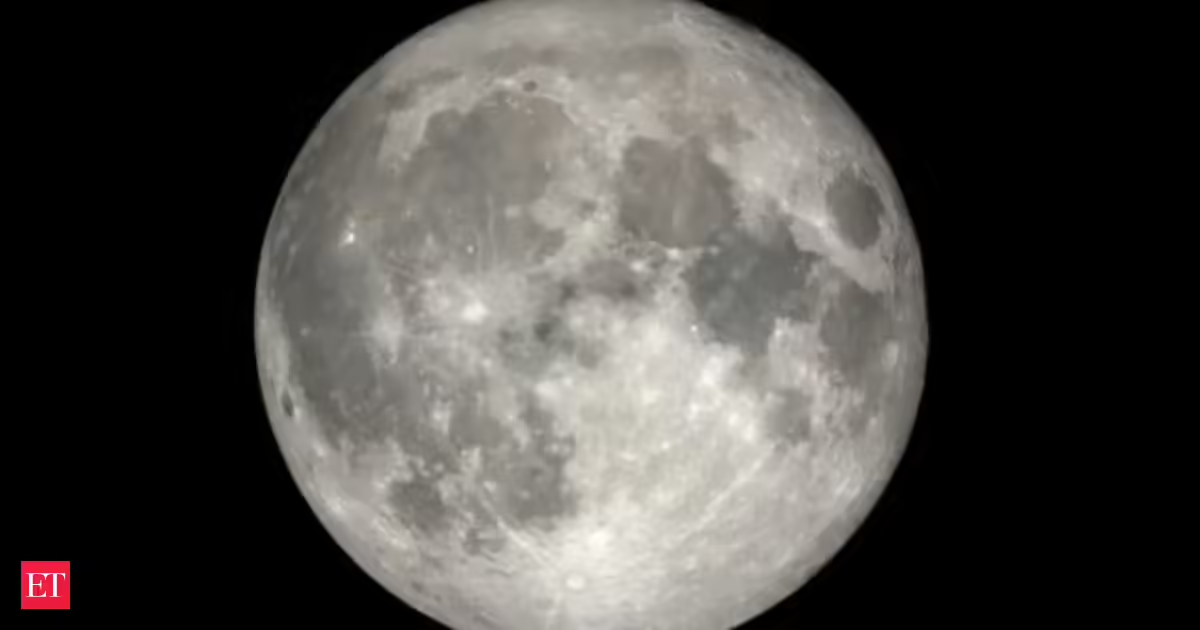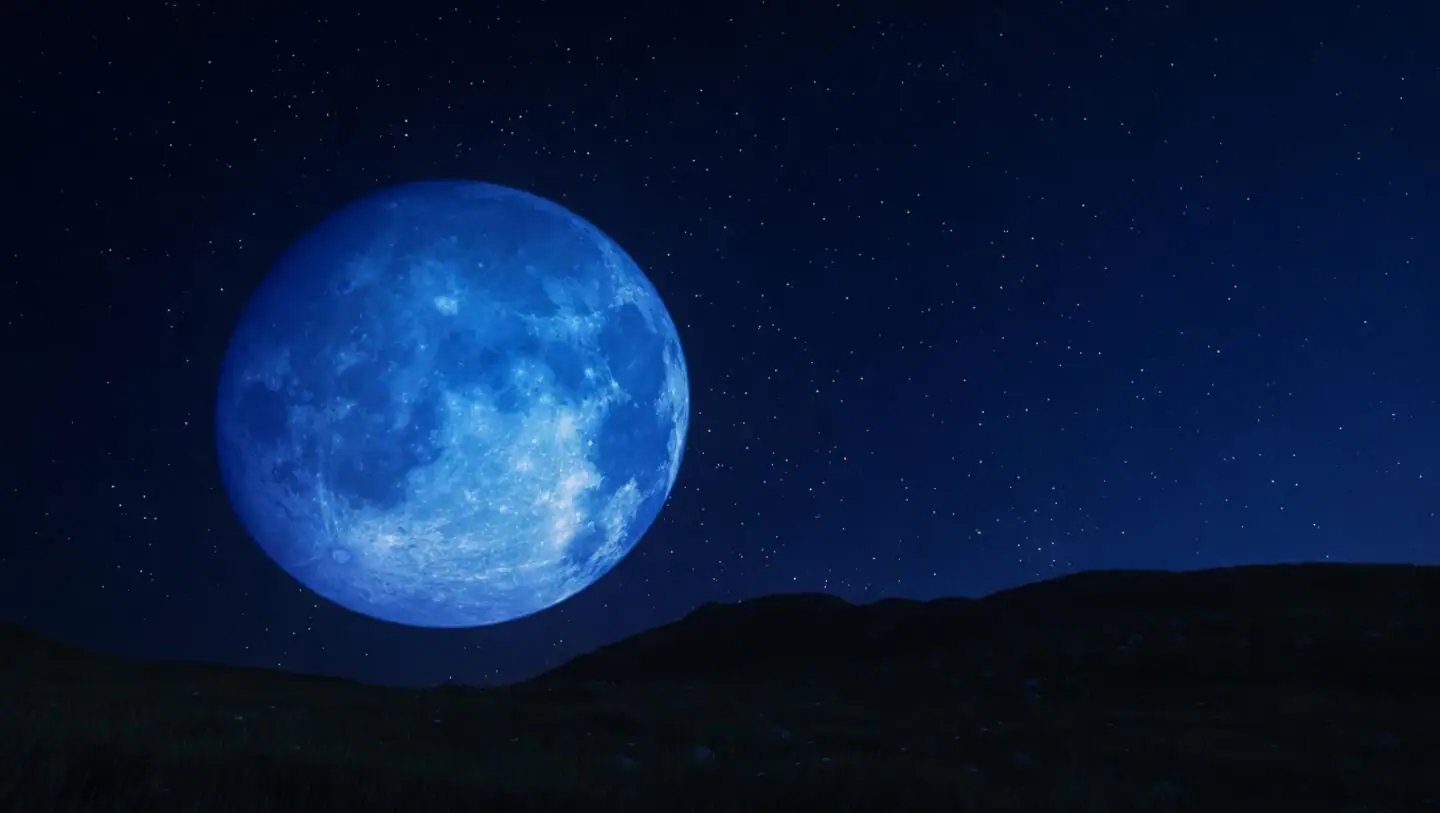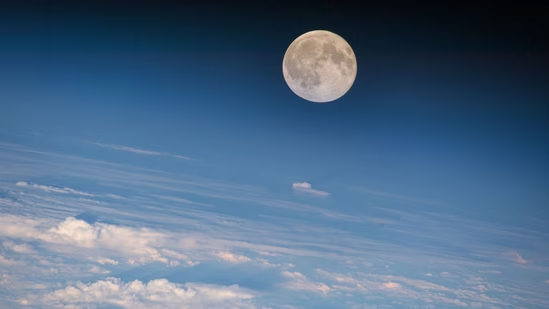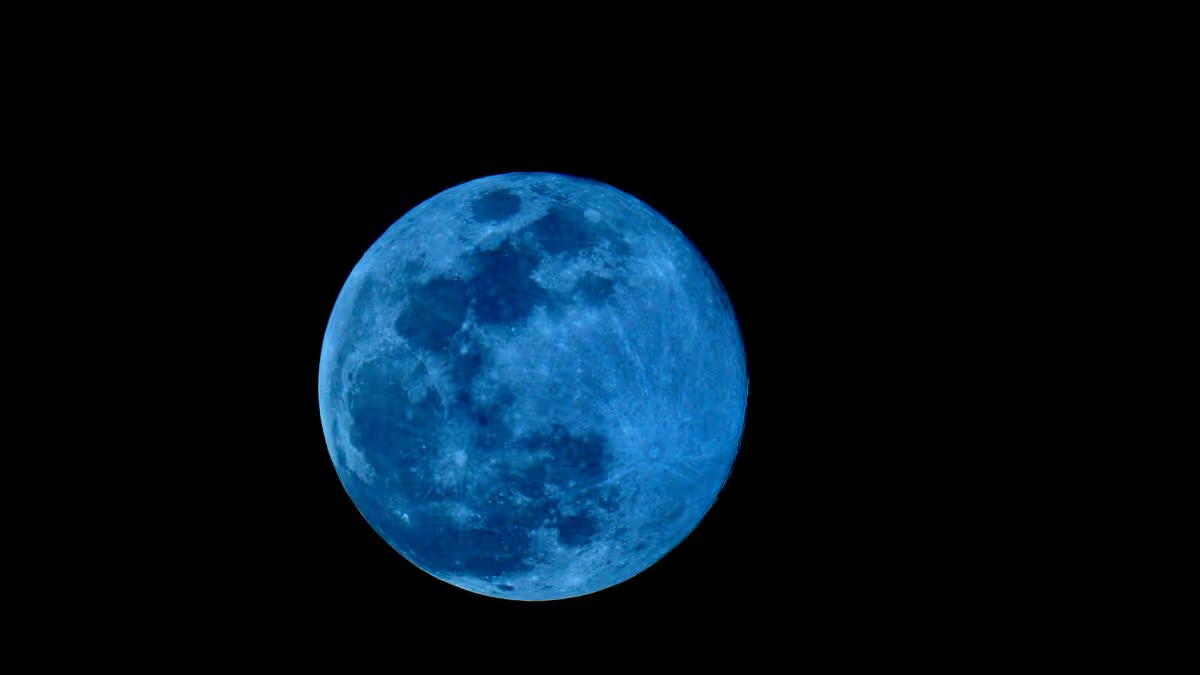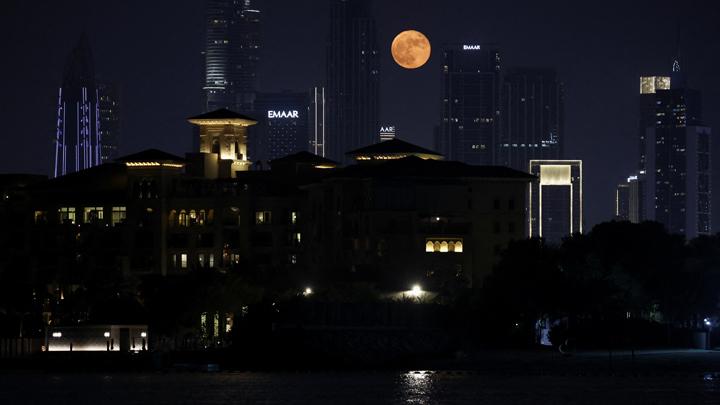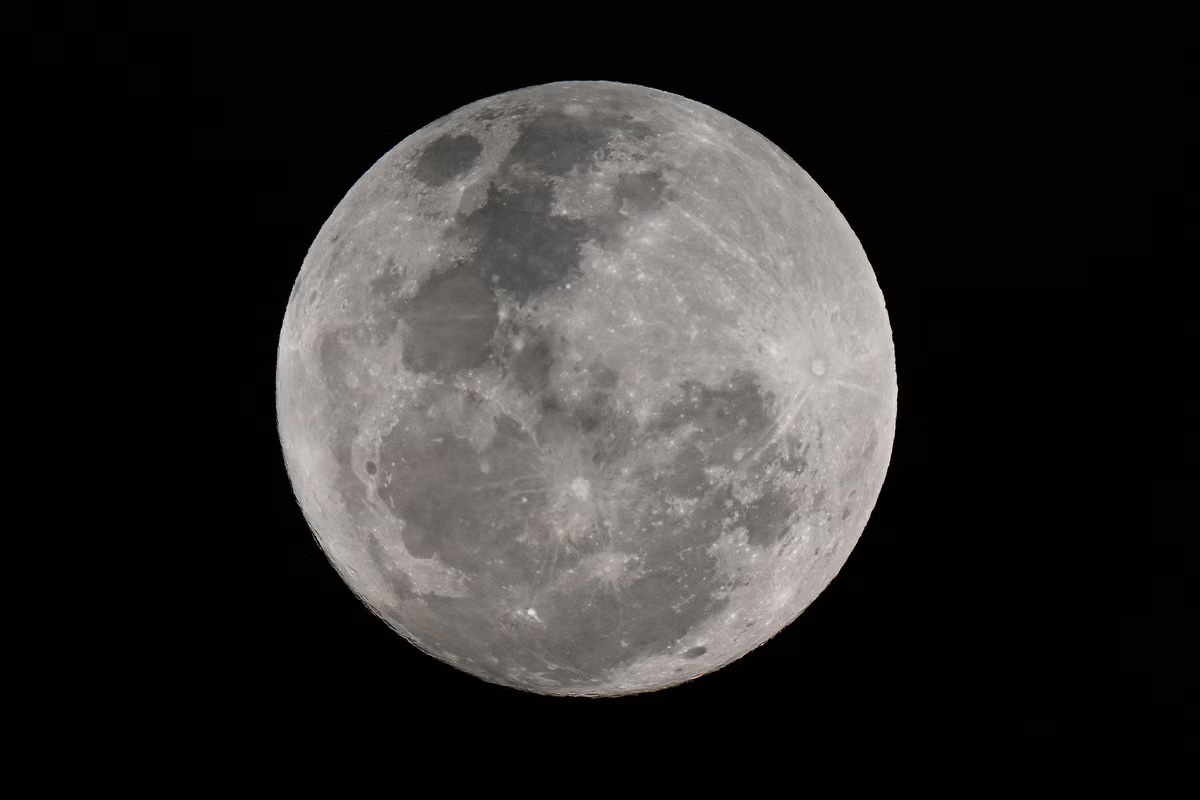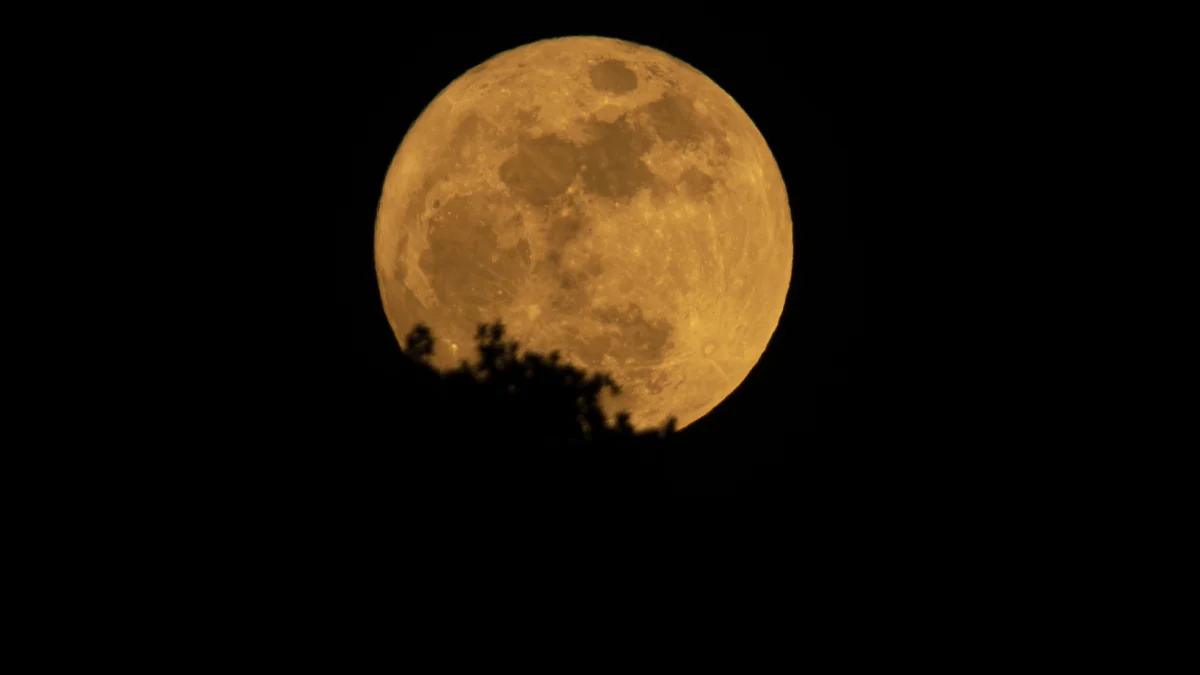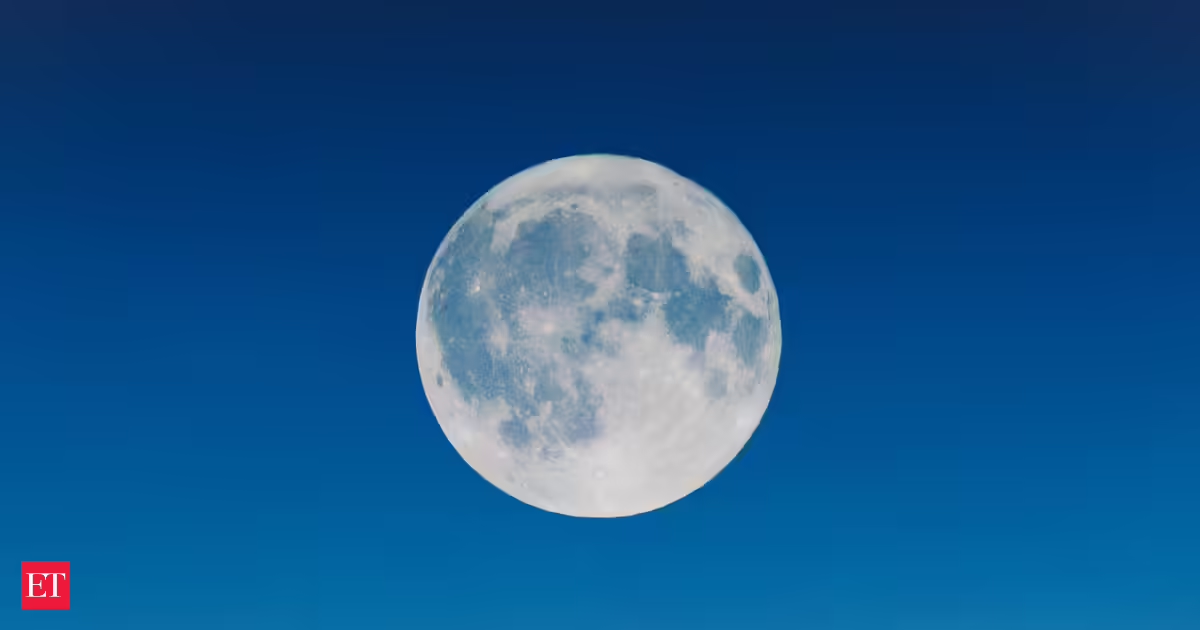
A rare blue moon is set to light up the night sky on May 31, 2026, marking one of the most awaited lunar events of the year. According to space experts and reports from NASA and EarthSky, this will be the first calendar blue moon since August 30, 2023. Although it will appear slightly smaller than usual due to its position in orbit, the event is still expected to draw global attention from astronomy enthusiasts and skywatchers alike.What Is a Blue Moon? NASA Explains the Rare Lunar EventA blue moon is not actually blue in colour. As explained by NASA, it refers to the second full moon that appears within a single calendar month. Since the lunar cycle lasts about 29.5 days, slightly shorter than most calendar months, some months occasionally experience two full moons.This second full moon is known as a “calendar blue moon.” According to EarthSky, this phenomenon occurs roughly once every two to three years, making it a relatively rare celestial event that continues to fascinate sky observers around the world.Yes, the Blue Moon will be visible from India. It can be spotted on Saturday evening, May 30, during dusk. At moonrise, it will appear large and glowing in an orange hue, and as it rises higher in the sky, it will gradually turn into its usual bright white colour.Why the Blue Moon Happens: The Science Behind ItThe timing mismatch between the lunar cycle and the calendar month is the main reason behind a blue moon. Because the moon completes its orbit around Earth in about 29.5 days, a second full moon can sometimes fit into the same month.NASA explains that the moon’s orbit is not perfectly circular, which also leads to variations in its distance from Earth. This affects how large or small the moon appears in the sky, though these differences are often not noticeable to the naked eye.Micromoon on May 31: Why the Moon Will Look SmallerThe May 31, 2026 blue moon will also be a micromoon. According to EarthSky, this happens when a full moon occurs near apogee, the farthest point of the moon’s orbit from Earth.NASA notes that during apogee, the moon can be about 252,334 miles (406,093 kilometres) away from Earth, compared to its average distance of around 238,855 miles (384,400 kilometres). This makes it appear slightly smaller and dimmer, although the difference is difficult to detect without comparison tools.Despite its “micro” status, astronomers say the visual impact for casual viewers will still be striking, especially during moonrise.When and Where to Watch the Blue MoonThe blue moon will peak at around 4:45 a.m. ET on Sunday, just before sunrise. However, visibility will vary depending on location.Observers in the Americas, Africa and Europe will see the fullest moon on the night of May 30, while viewers in Asia, Australia and New Zealand will experience peak brightness on May 31.Experts suggest that moonrise, typically between 5:30 a.m. and 6:30 a.m. local time, offers the best opportunity for photography, as the moon appears larger and more dramatic against the early morning sky.Blue Moon vs Supermoon: What’s the Difference?NASA explains that the last calendar blue moon in August 2023 was actually a supermoon, meaning it occurred when the moon was closest to Earth at perigee. In contrast, the 2026 event will be a micromoon, occurring at the farthest point in its orbit.While both events are visually interesting, supermoons appear larger and brighter, whereas micromoons appear slightly smaller but still full and luminous.Will the Blue Moon Affect Zodiac Signs?Astrologers often associate full moons with emotional intensity and reflection. Although there is no scientific evidence supporting direct astrological effects, many believe blue moons amplify these energies due to their rarity.Different zodiac signs are said to experience heightened intuition, emotional clarity, or relationship shifts during such lunar phases, making this blue moon a symbolic moment for personal reflection.Why the Blue Moon Feels So SpecialThe term “once in a blue moon” has long been used to describe rare occurrences, and this event lives up to that reputation. Historical references trace the phrase back centuries, although modern usage became standard after documentation in the 1937 Maine Farmer’s Almanac, as noted by Britannica.Occasionally, atmospheric conditions like volcanic dust can make the moon appear bluish in colour, such as after the 1883 Krakatoa eruption. However, this is unrelated to the blue moon definition used today.A Must-Watch Celestial EventThe May 31, 2026 blue moon is expected to be one of the most photographed astronomical events of the year. While it will not appear blue, its rarity, timing, and micromoon status make it a unique skywatching opportunity.Blue Moon 2026 Highlights A rare calendar blue moon will occur on May 31, 2026, making it one of the most anticipated celestial events of the year.This will be the first calendar blue moon since August 30, 2023.A blue moon refers to the second full moon appearing in a single calendar month, not its colour.The phenomenon happens due to the mismatch between the lunar cycle of 29.5 days and the calendar month.The May 31, 2026 blue moon will also be a micromoon, appearing slightly smaller due to its position at apogee.At apogee, the moon is at its farthest point from Earth, making it look less bright and smaller than usual.The blue moon will be visible in India on the evening of May 30 during moonrise at dusk.During moonrise, the moon may appear orange before turning bright white as it rises higher in the sky.NASA explains that supermoons and micromoons are opposite events based on the moon’s distance from Earth.Despite its name, the blue moon will not appear blue, but will still be a striking astronomical sight for skywatchers worldwide.Inputs from agencies
Blue Moon May 31, 2026: Will this rare lunar event be visible in India? When, where & how to watch it; What it means for zodiac signs, and how it differs from Supermoon
Blue Moon Time May 31, 2026: A rare calendar blue moon will illuminate the night sky on May 31, 2026, marking the first since August 2023. This celestial event, while not appearing blue, will also be a micromoon, making it appear slightly smaller. The blue moon will be visible from India on the evening of May 30.
943 words~4 min read