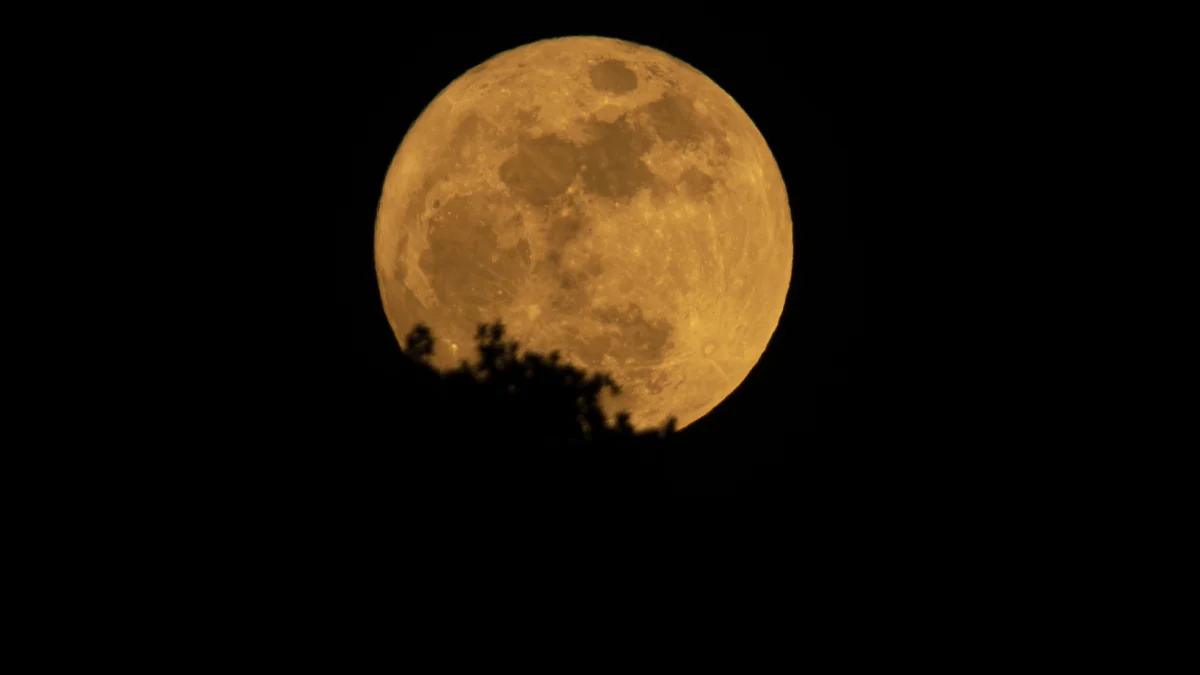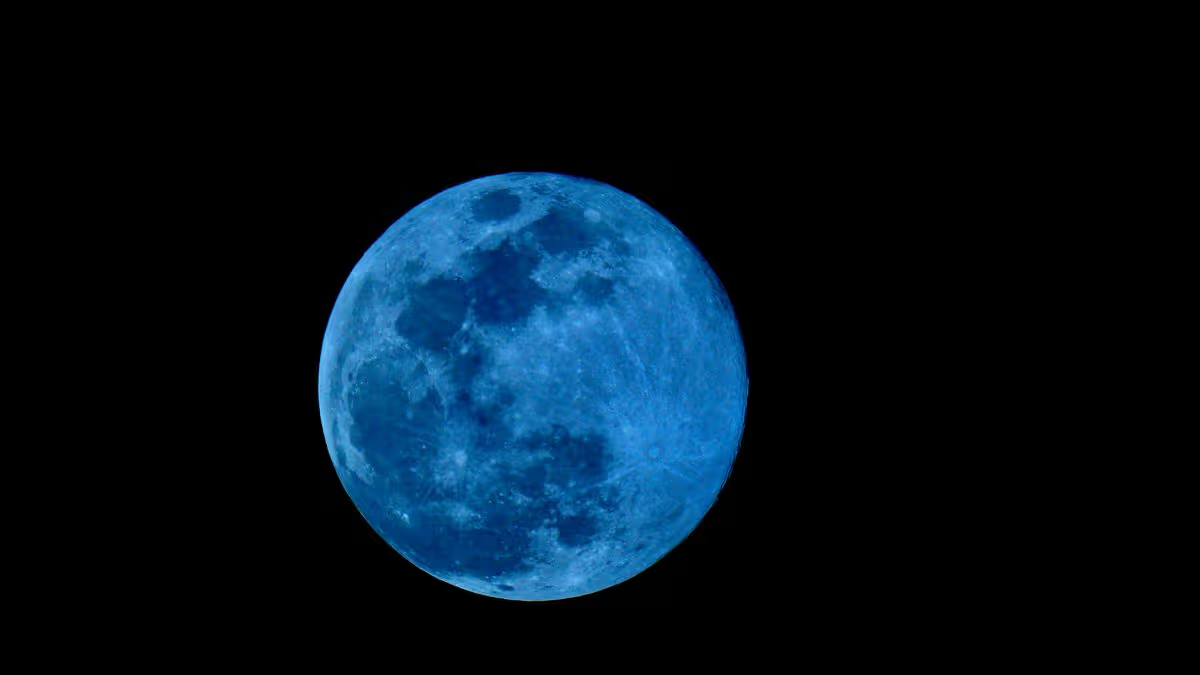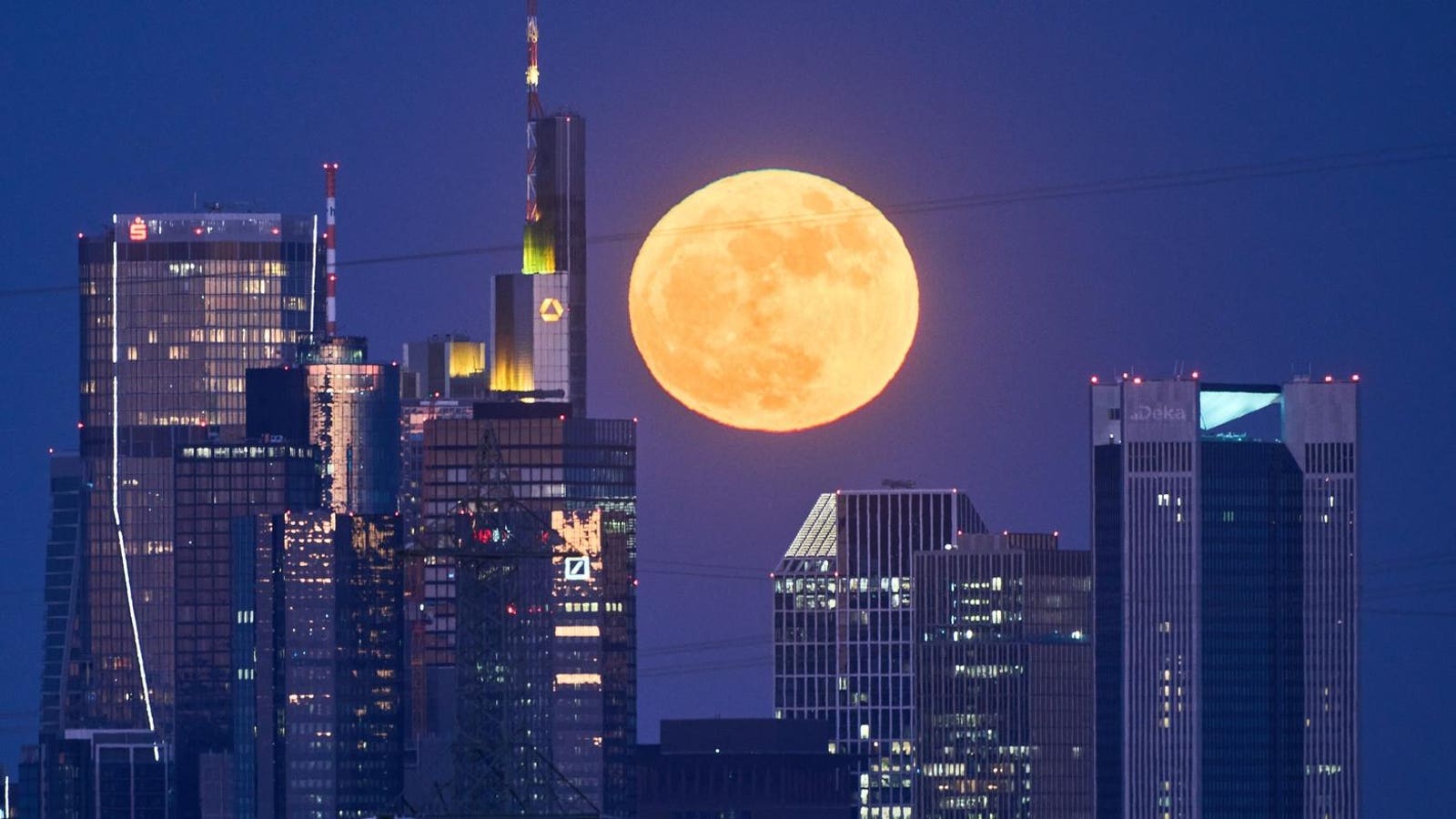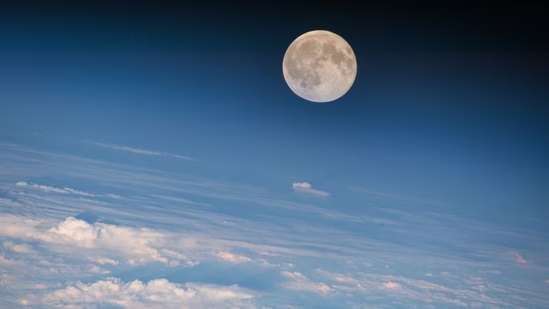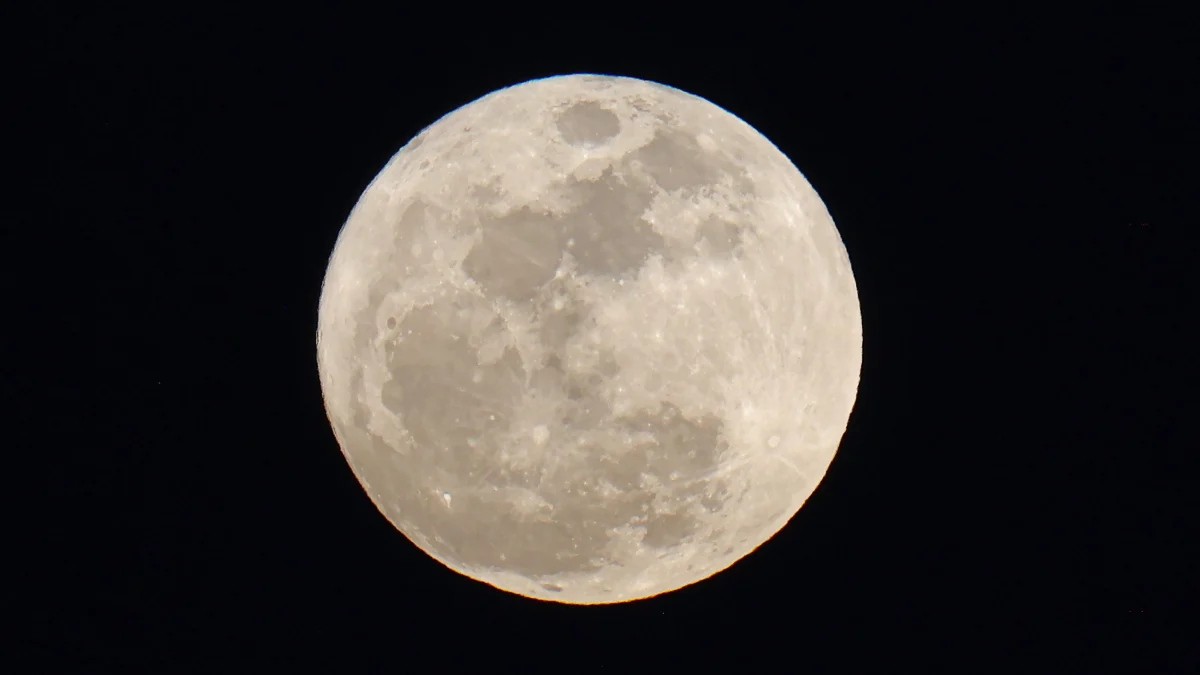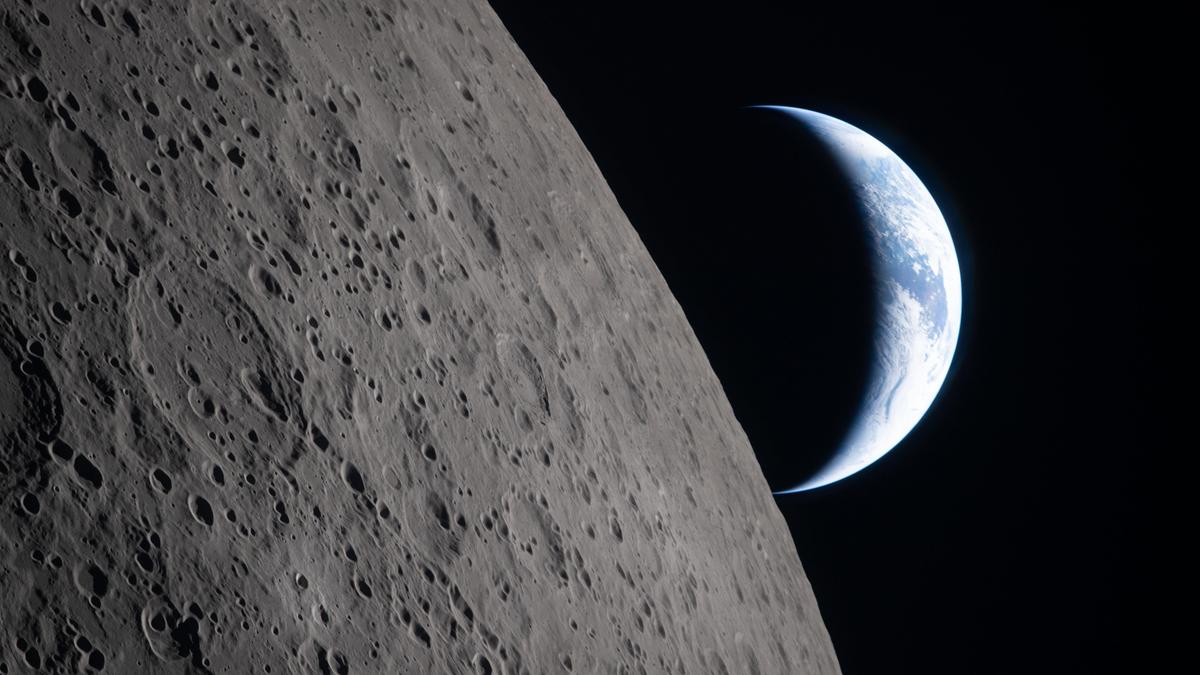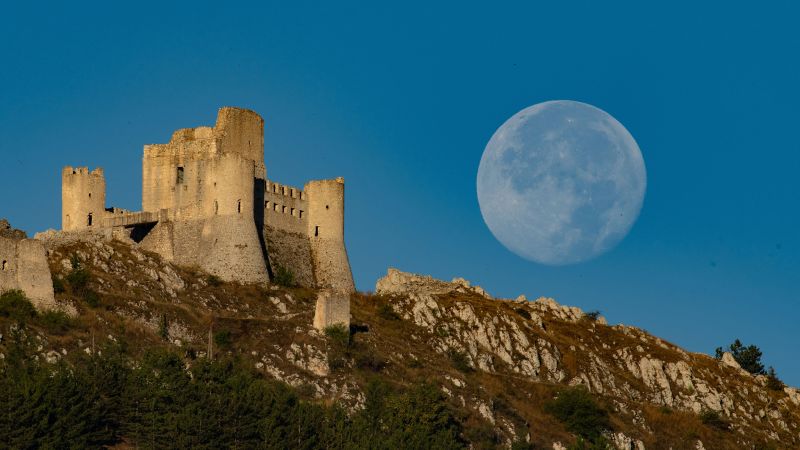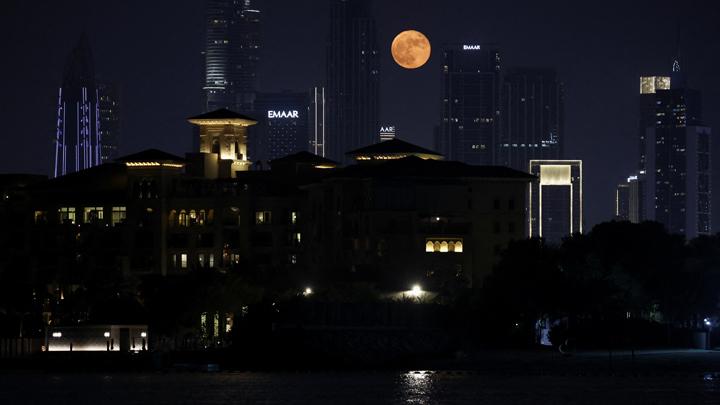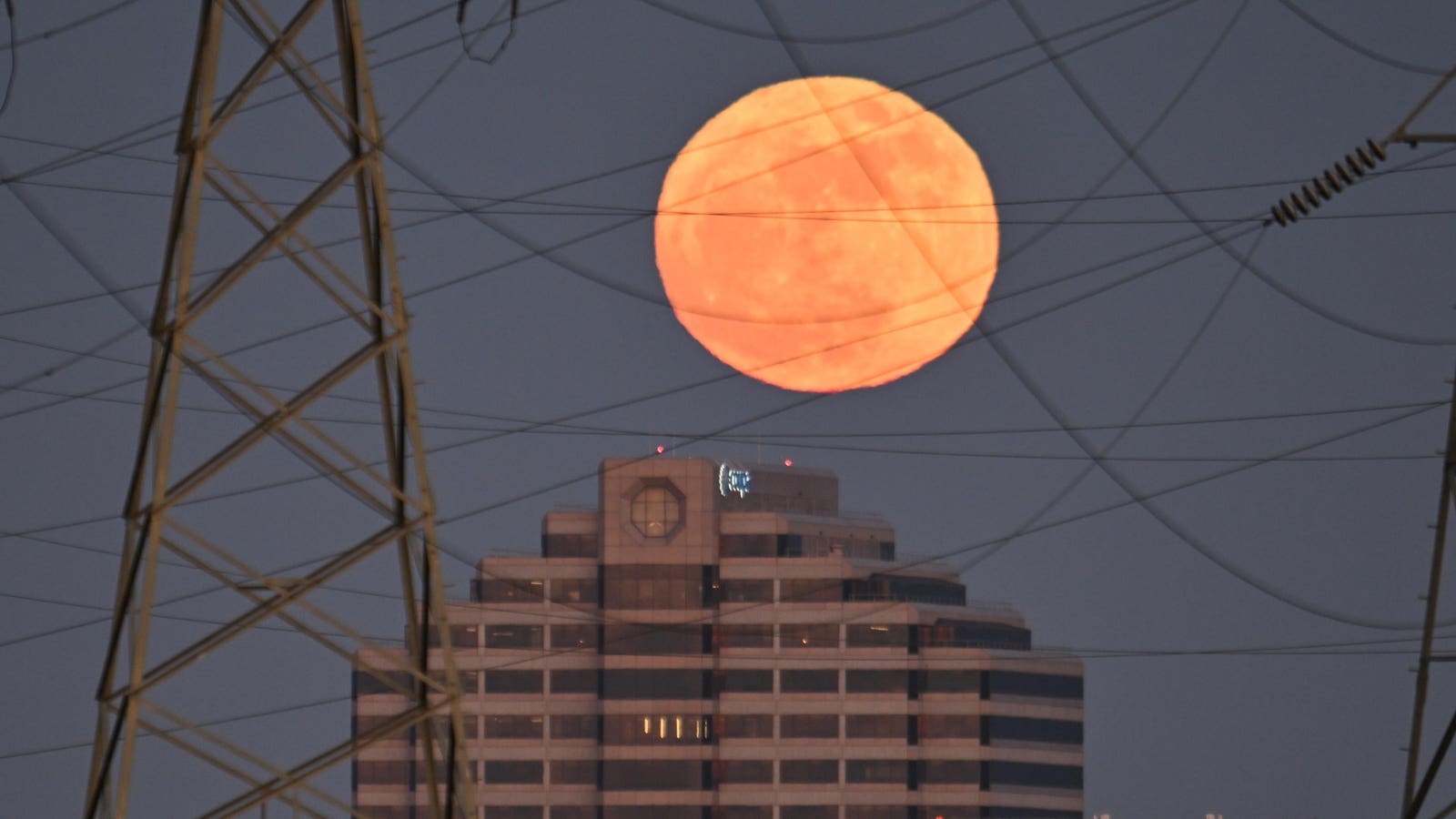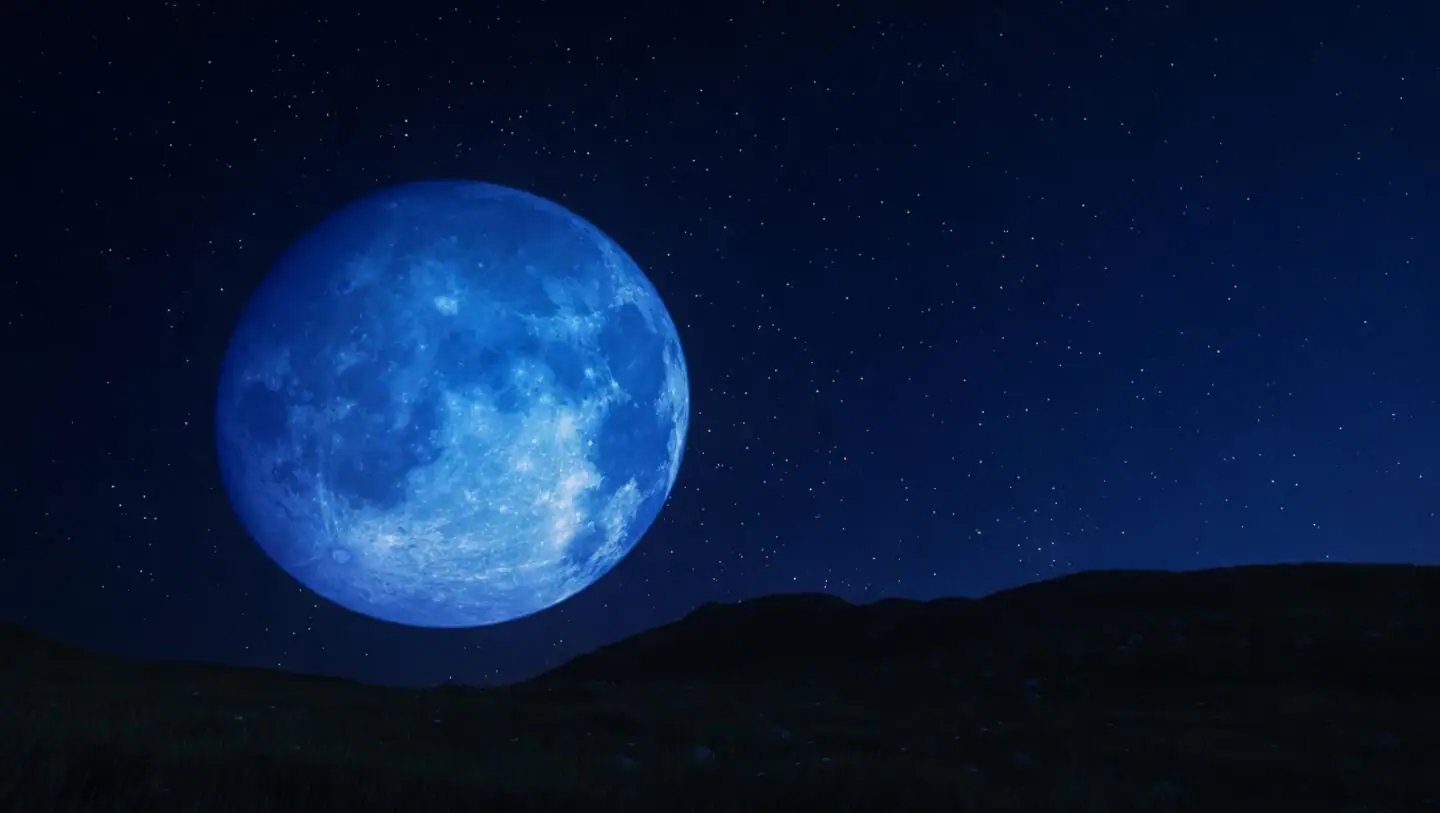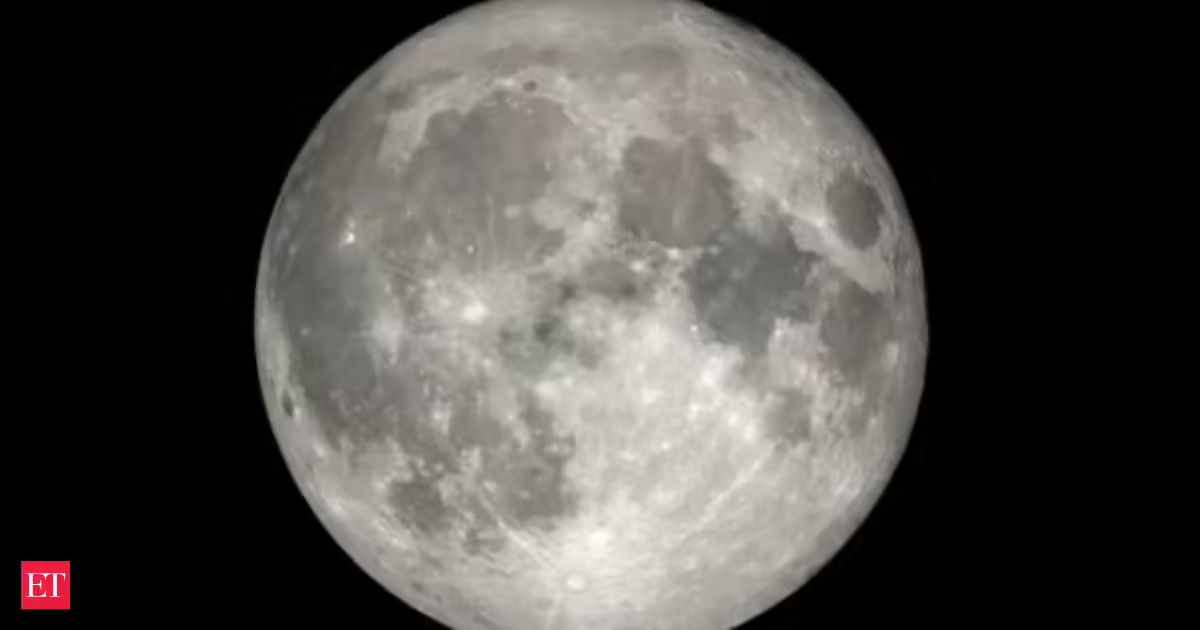
Blue Moon 2026: On the final day of May, the night sky will bear witness to a true blue moon—the second full moon to appear in the sky within a single month. This rare celestial event comes around seven times every 19 years, or roughly every two to three years, according to online platform EarthSky, making it a spectacle that truly lives up to the phrase “once in a blue moon.” The second full moon of the month will rise on May 31, following the dazzling flower moon that lit up the sky on May 1. Together, these two luminous displays make May an extraordinary month for stargazers and skywatchers alike.May’s blue moon will reach its fullest point at 4:45 a.m. ET on Sunday, just before sunrise. Alongside this rare occurrence, the event will also present a micromoon—meaning the moon will be positioned near the farthest distance from Earth in its orbit, according to EarthSky.For observers in the Americas, Africa, and Europe, the moon will reach its fullest phase during the night of May 30. In contrast, those in Australia, New Zealand, and across Asia will see the brightest full moon on the night of May 31.On Sunday, the moon will be positioned about 252,334 miles (406,093 kilometers) from Earth, compared with its average distance of roughly 238,855 miles (384,400 kilometers), according to NASA. This greater distance is what classifies it as a micromoon, appearing slightly smaller and dimmer than a typical full moon. This greater distance is what classifies it as a micromoon, appearing slightly smaller and dimmer than a typical full moon.Why is a blue moon called a blue moon? The phrase blue moon traces back to a 16th‑century saying, “the Moon is blue,” which was used to describe something considered impossible. That perception shifted dramatically after the eruption of the Krakatoa volcano in Indonesia in 1883.For nearly two years following the disaster, people across the globe reported unusual sunsets and a moon that appeared to take on a bluish hue, according to Britannica. With this rare but real phenomenon, the expression “once in a blue moon” evolved from meaning impossible to signifying something uncommon or extraordinary.When does a blue moon occur? A blue moon is defined as the second full moon to occur within a single calendar month. Since the lunar cycle from one full moon to the next lasts about 29 and a half days, two full moons can only fit into the same month under specific conditions. In such cases, the first full moon typically falls on the first or second day of the month, while the second appears on the 30th or 31st. This makes months with 31 days far more likely to host a blue moon than shorter months.
Why is a blue moon called a blue moon? All you need to know before the upcoming rare celestial event
May 2026 will feature a rare blue moon, the second full moon within the month, occurring on May 31st. This celestial event, also a micromoon, will appear near its farthest orbital distance from Earth. The term 'blue moon' evolved from describing the impossible to signifying uncommon occurrences after the 1883 Krakatoa eruption.
456 words~2 min read