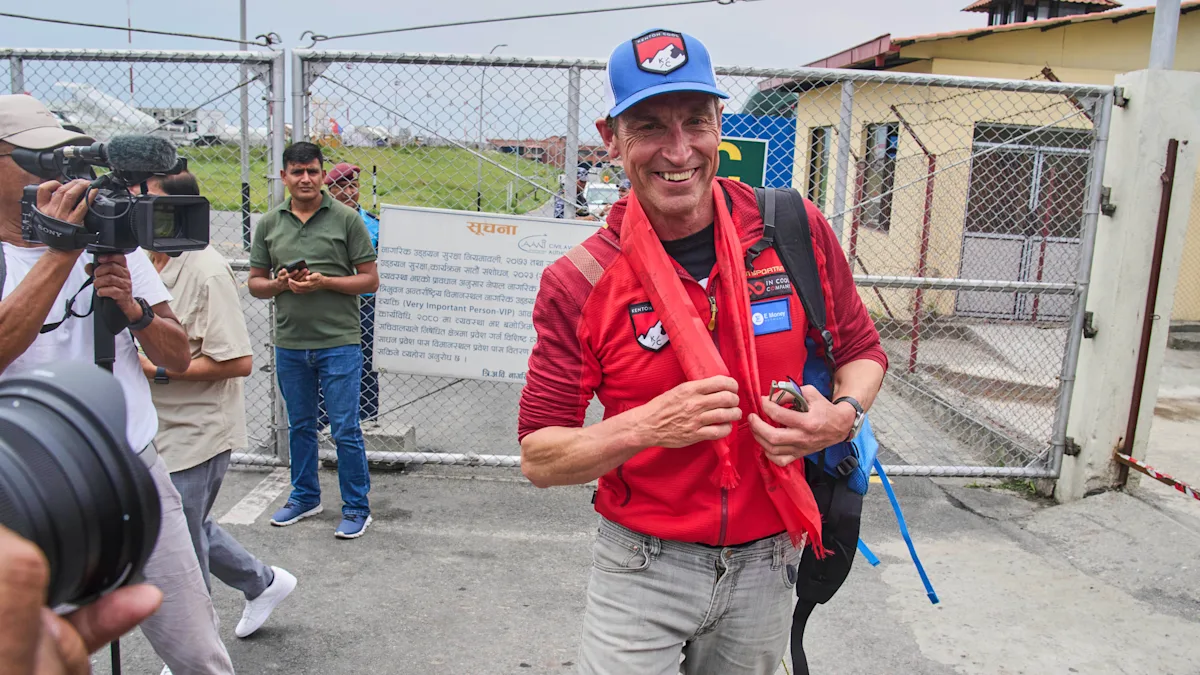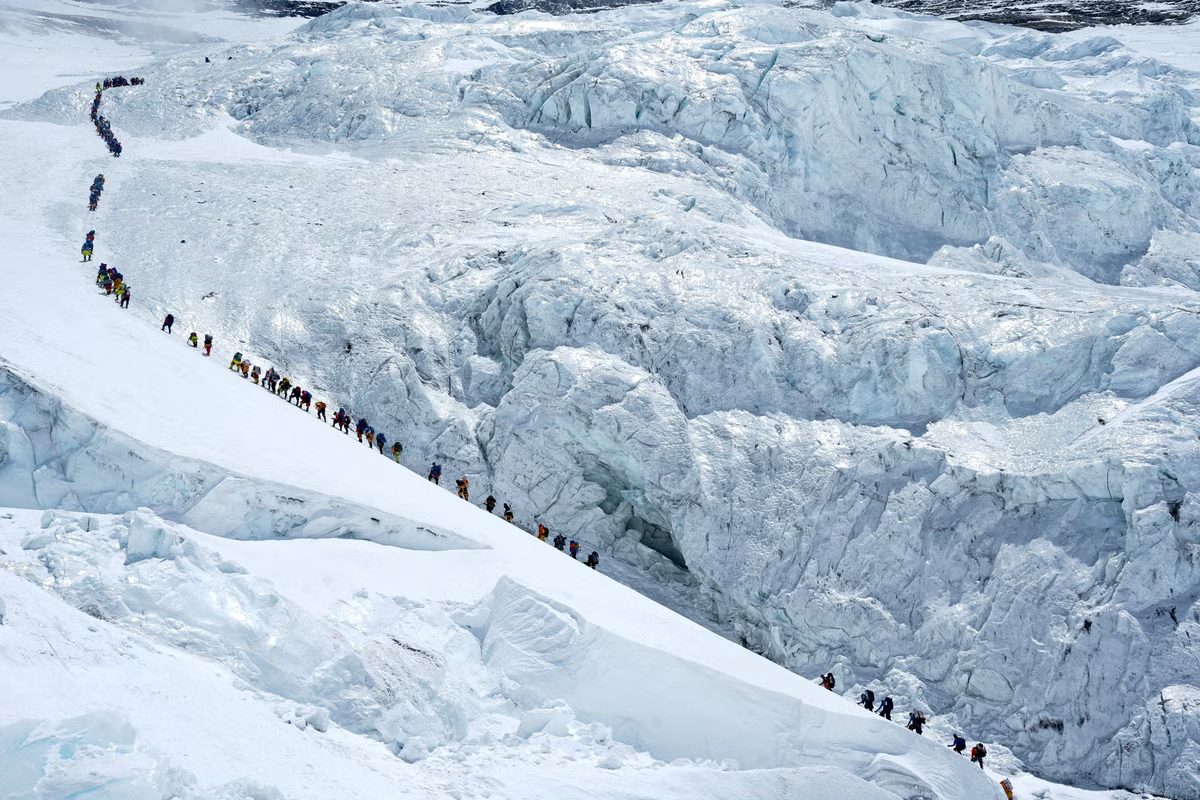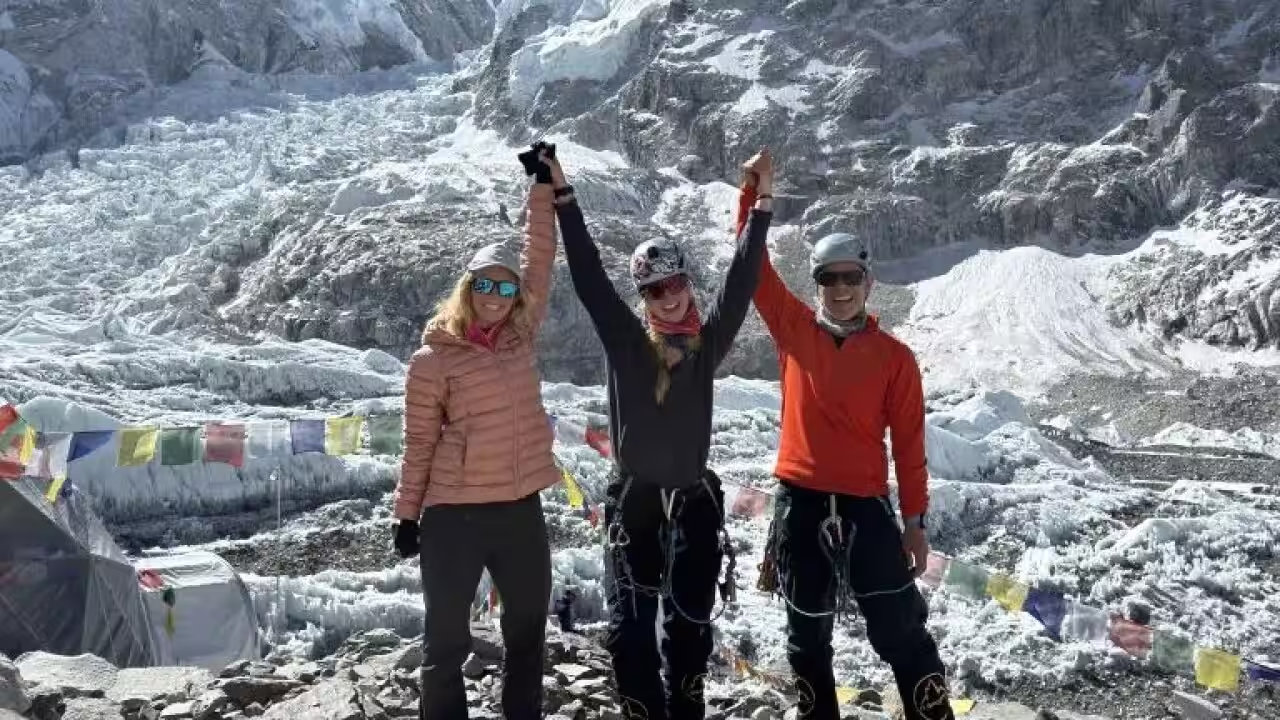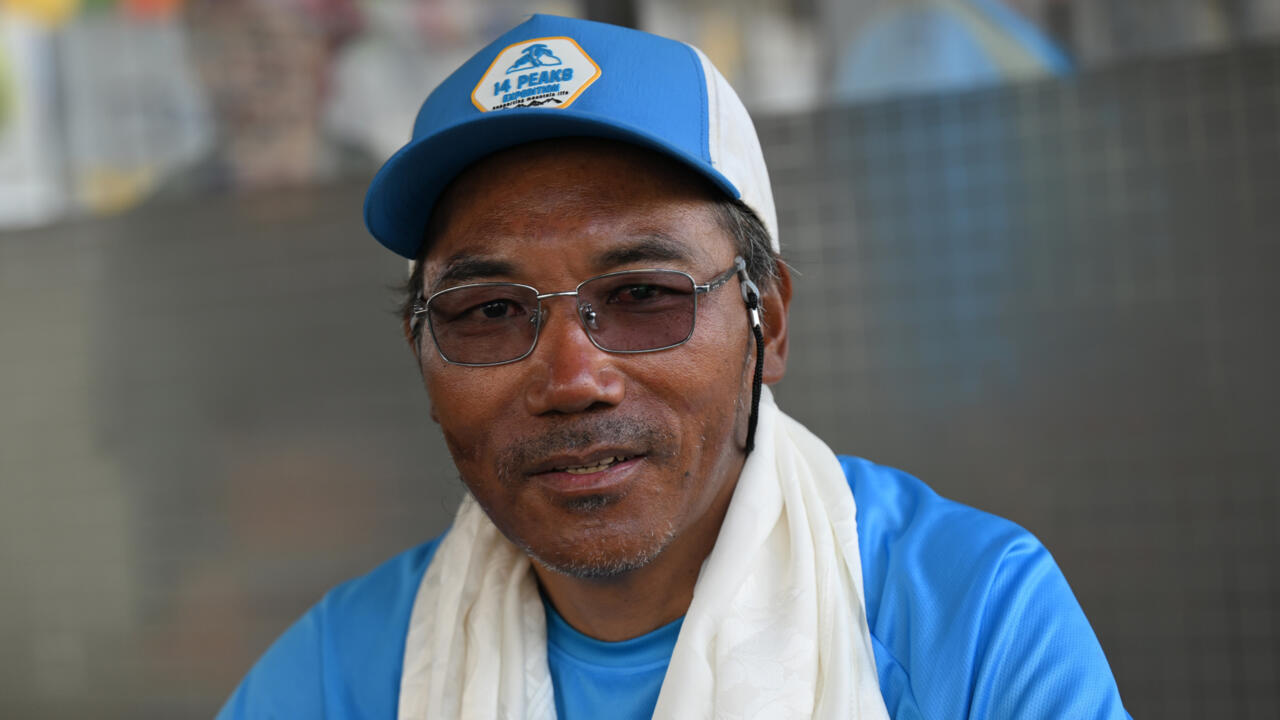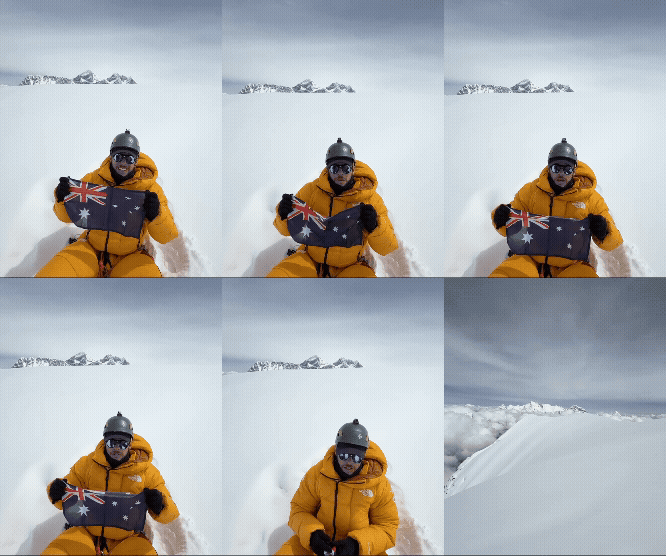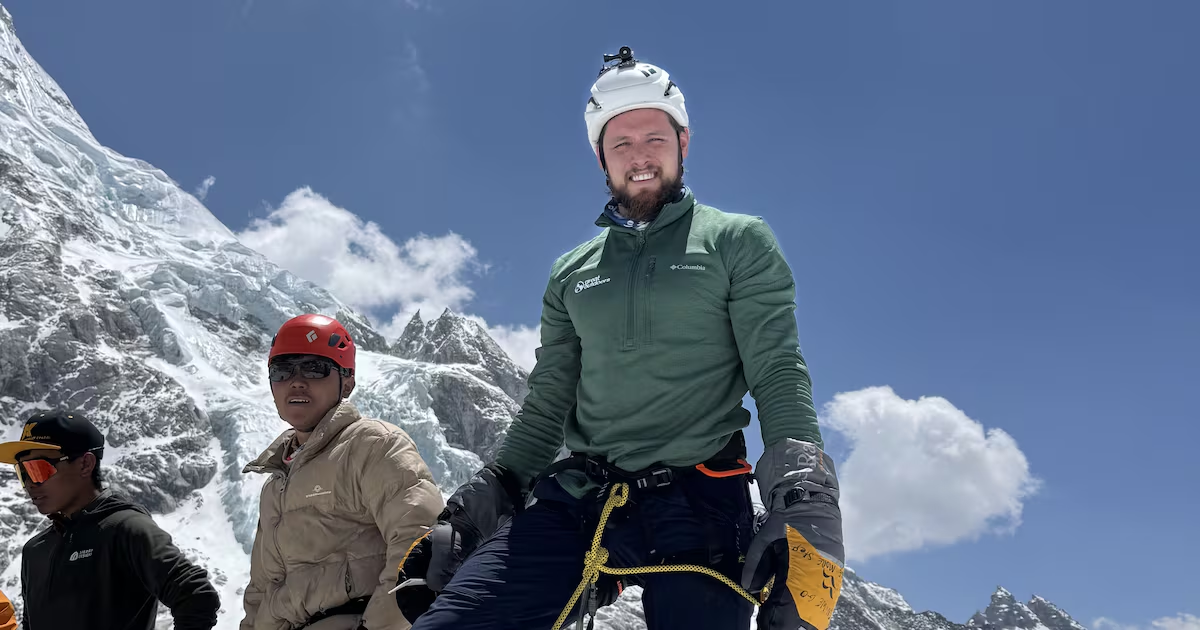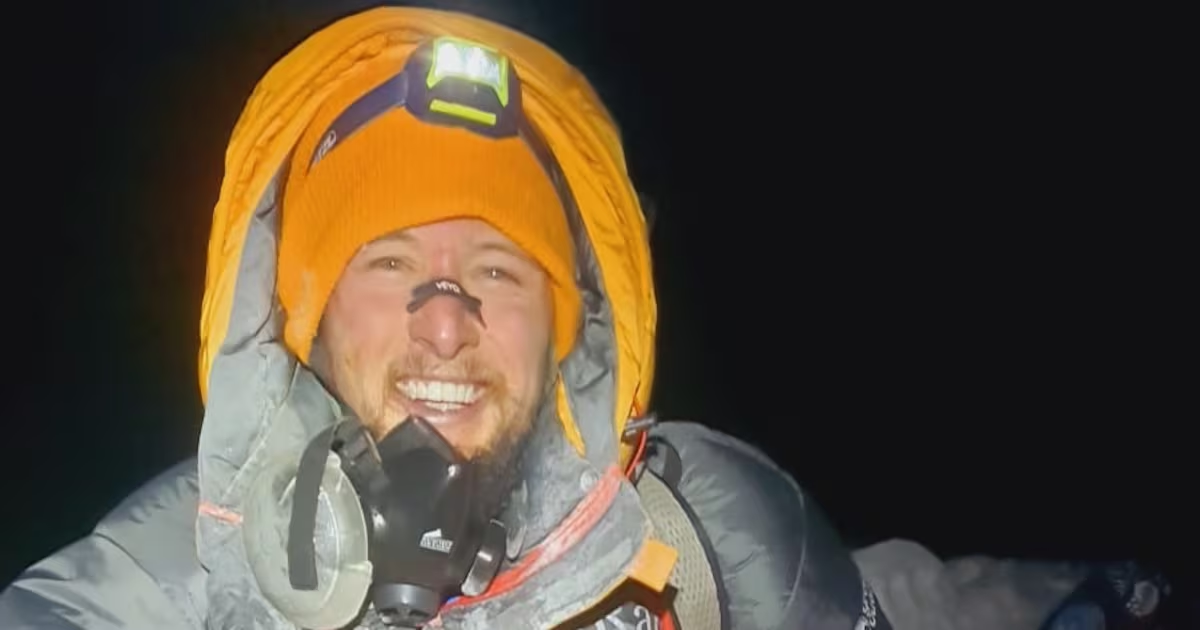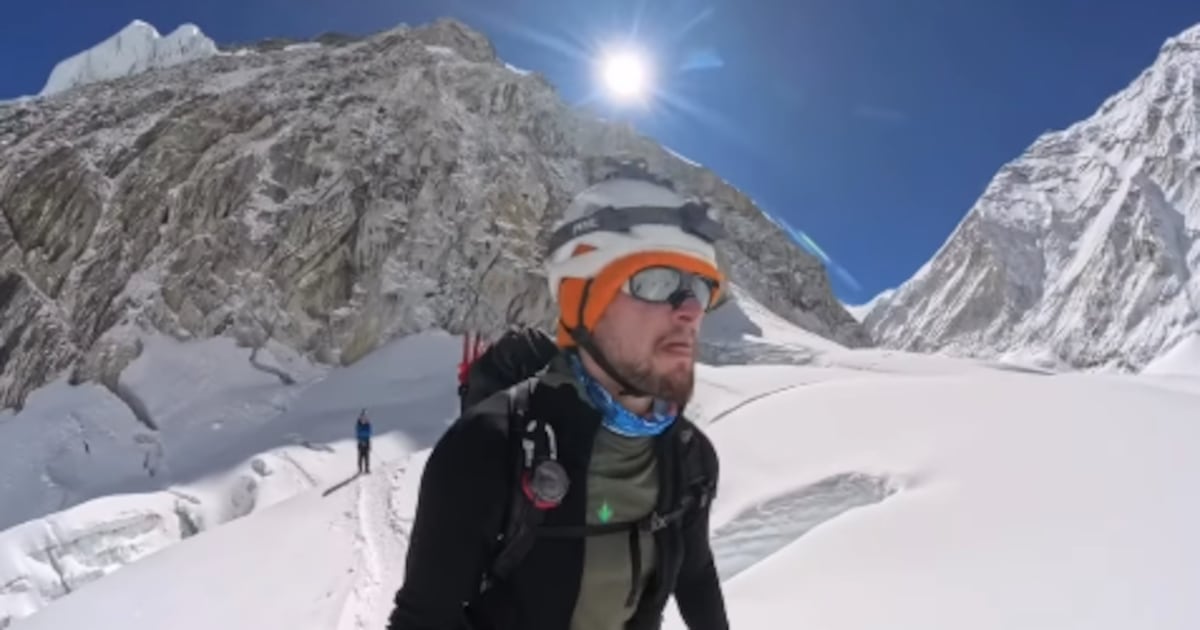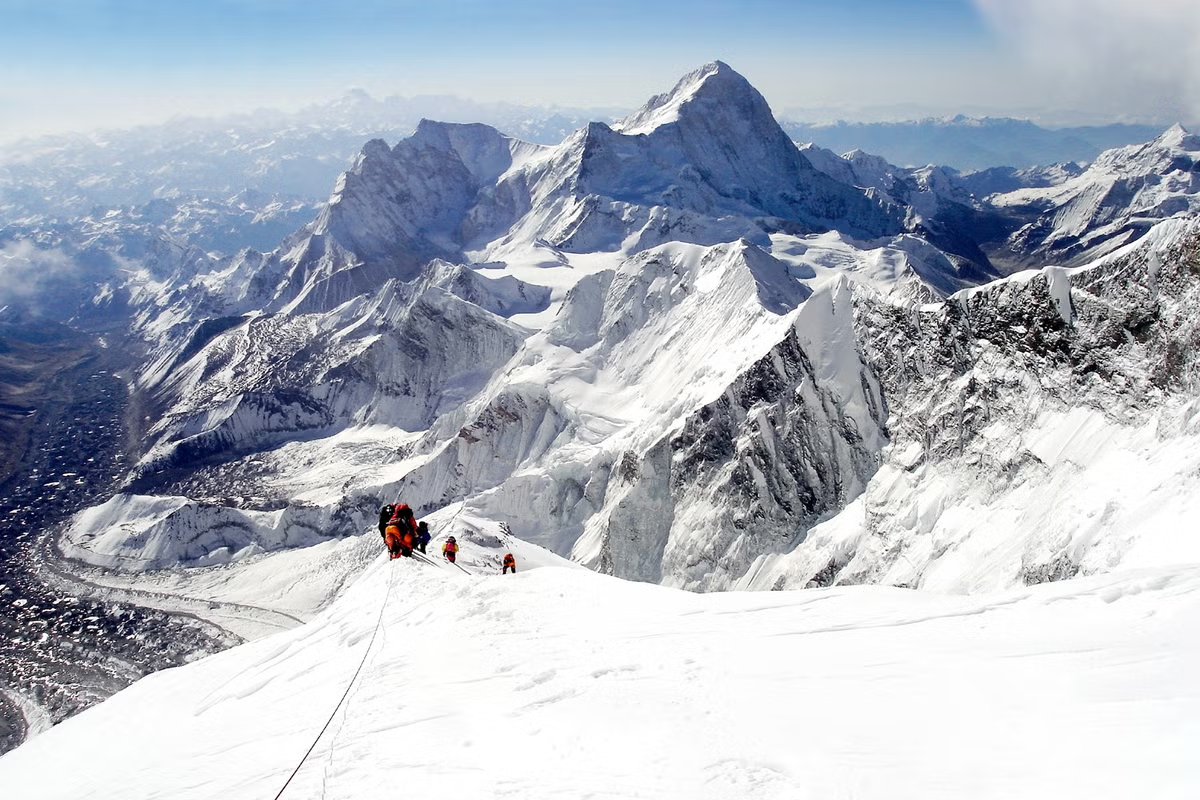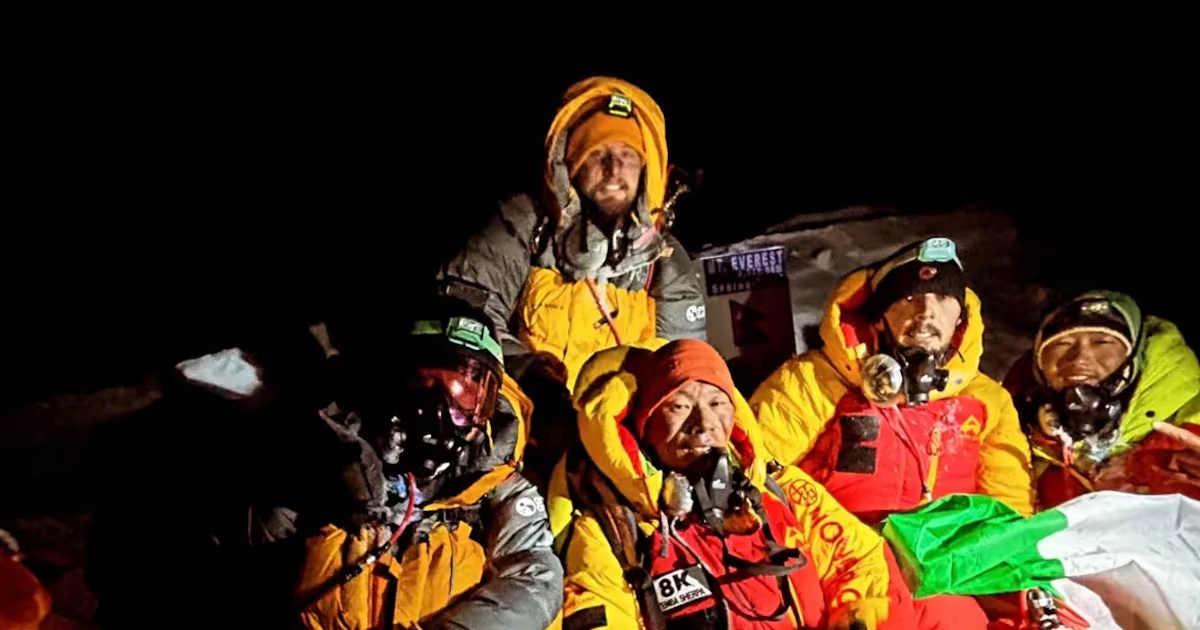
Former Mayo footballer was part of three-man Irish team to reach the summit on Wednesday morningPádraig O'Hora on top of Mount Everest, after a trip of just short of eight weeks Fri May 22 2026 - 18:15 • 5 MIN READIf you think climbing Everest is stressful, try doing it with the deadline of your daughter’s communion rattling around in the back of your head. When The Irish Times caught up with Pádraig O’Hora on Friday, he was in the process of hauling ass back to Ireland, hoping to get to Mayo in time for eight-year-old Mila-Rae’s big day on Saturday. He could make sense of it all in good time. Now he just wanted to get home.“I’m still all over the shop,” he said. “We haven’t stopped to even take stock yet but in general, I’m over the moon to have achieved what I set out to do. I haven’t spoken to home properly yet. What do you even say? I’m rushing home for the communion but I’m afraid to say I’ll be there, considering how all the rest of the expedition has gone with delays and setbacks.”None of it has really sunk in yet. At around 1.30am on Wednesday morning, he was sitting on the top of the planet, with all the good and all the bad of the whole world below him. It will take a while to process the scale of it all and decompress. “I’m very conscious of the transition back to real life.”He, his Irish team-mates Adam Sweeney and Éanna McGowan and their three-man sherpa team didn’t linger up there. But they were able to take a photo and sit at rest for a moment. “We were all over the place with tiredness at that stage. I would say we were there for less than 15 minutes altogether in the dark.”All in all, they’ve been away for just short of eight weeks. From the very start, it was an expedition full of diversions and setbacks. They flew through Abu Dhabi on the way over to Nepal, just as the Iran war was kicking off – there were two missile warnings during their stopover in the airport there.They’ve been through altitude sickness, whiteouts, avalanches. An icefall that froze over and couldn’t be passed for days, an aborted summit push that caused them to turn back just 400m from the top of the mountain and a wild final day when they finally got there through hostile weather and massive climbing traffic. Yet, as O’Hora puts it, the one thing they planned for above all was for the unplanned to keep happening. And it did.Descent from Everest “It was nearly exactly how I expected it,” he says. “We got very unfortunate at times and challenged with delays that were unexpected. A lot of uncertainty. But in general, it was how we thought it would be.“There were times of huge pressure and stress. I was very aware of some moments where if I made a mistake it was all over. I had one panic mode around oxygen and not getting enough but I stuck strongly to the training I’d done, both physical and psychological, before leaving.”The mountain has left a few marks on him. He has, he says, “lost an outrageous amount of weight”. But other than some superficial snow burn on his face and the general pain that comes with such a huge physical output, he’s mostly in good shape.That goes for the mind, as well as the body. O’Hora’s big aim throughout was to raise awareness for mental health services in his home county of Mayo. Spending 48 days on the mountain gives you plenty of thinking time and endless space to be alone with in your own head.Asked what he knows know that he didn’t know before he went up there, he doesn’t spare himself. “That I have a fair amount of personal work that I need to do coming home. That Everest feels like a natural catalyst to moving forward. That Everest is an inside job.”His diaries over the past couple of months have brought Irish Times readers into what it feels like to endure the preparation, the grind and the wildness of an attempt on Everest. His final one next week will detail the fraught final days leading up to Wednesday, including the heartbreak of having to turn around and go back down the day before.He thought they were finished at that point. That they’d got all that way and were going to have to go home without doing the thing they came to do. It wouldn’t have been a failure – no day you come back from climbing over 8,000 metres is a failure. But it would have stung all the same.“When we had to turn around on our summit attempt, I was fairly sure it was over. I didn’t want to abandon but felt like that was it. It’s a very rare case that people go into the death zone for hours on end, only to come down rest for a couple of hours and go again the way we did.“In all honesty, that’s what made the whole thing so special. We came back down and went again. We got back on the boots and got out of the tent at Camp 4 and went again. We got there.”Mostly, now, he’s drained from it all. There were some nights he didn’t get much sleep, particularly in the couple of doldrum weeks when they were stuck at Everest Base Camp and didn’t know whether or not climbing it was even going to be possible in this spring window. But once they got going and there was hard work to do every day just to get from camp to camp, he slept out of exhaustion more than anything.The pressing need to get home meant there has been no time to dwell. Base Camp to Kathmandu, Kathmandu to Doha, Doha to Dublin, Dublin to Ballina. There’ll be time in the coming days and weeks to make sense of it all. For now, he has a communion to go to. And people to see.“For the next while I want to spend as much time as possible with my loved ones. With my family and friends and soak that up. Never have I missed those people as much.”Pádraig O’Hora’s Everest DiaryIN THIS SECTION
Pádraig O’Hora on climbing Everest: ‘I’m over the moon to have achieved what I set out to do’
Former Mayo footballer was part of three-man Irish team to reach the summit on Wednesday morning
1,057 words~5 min read