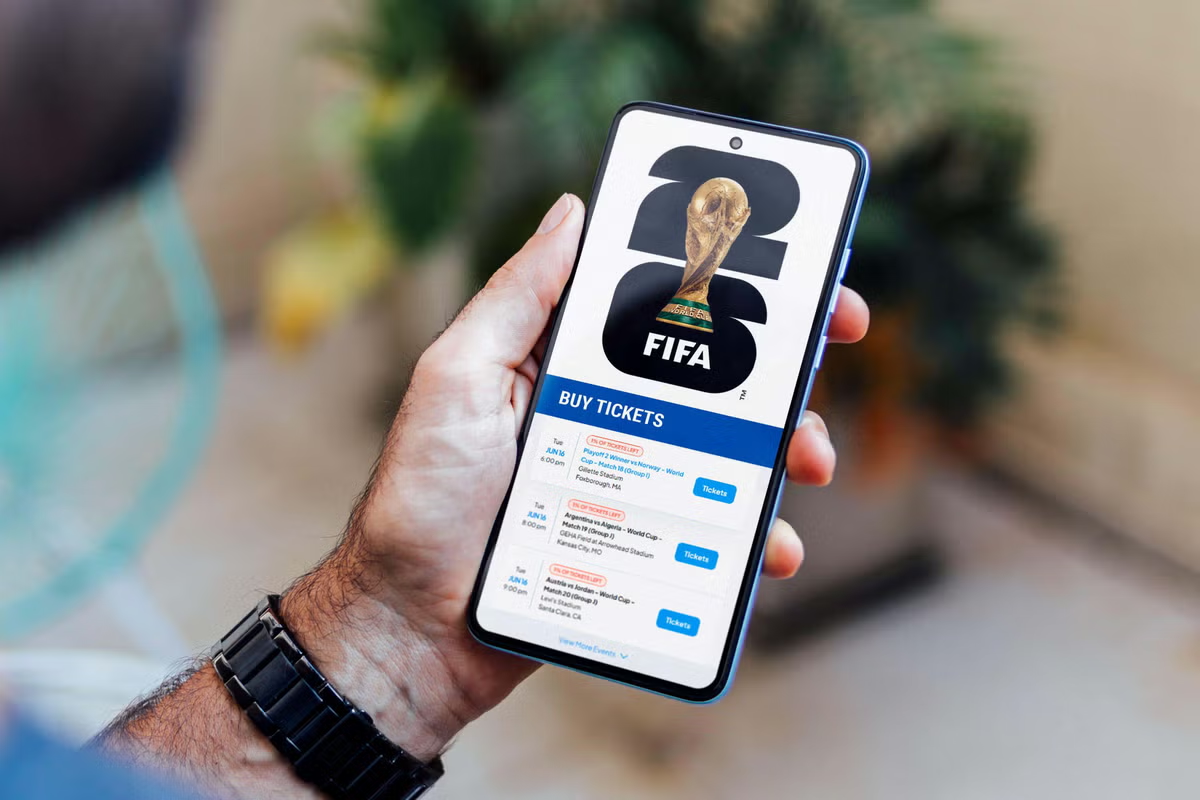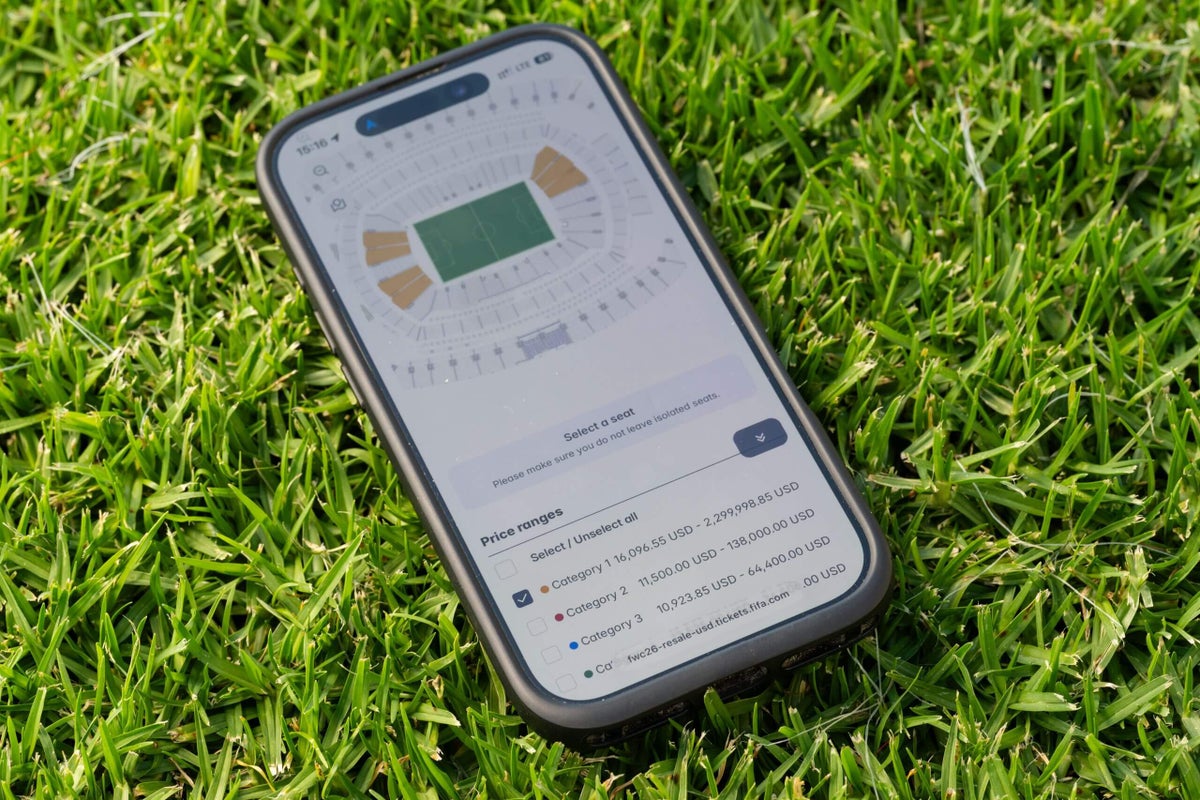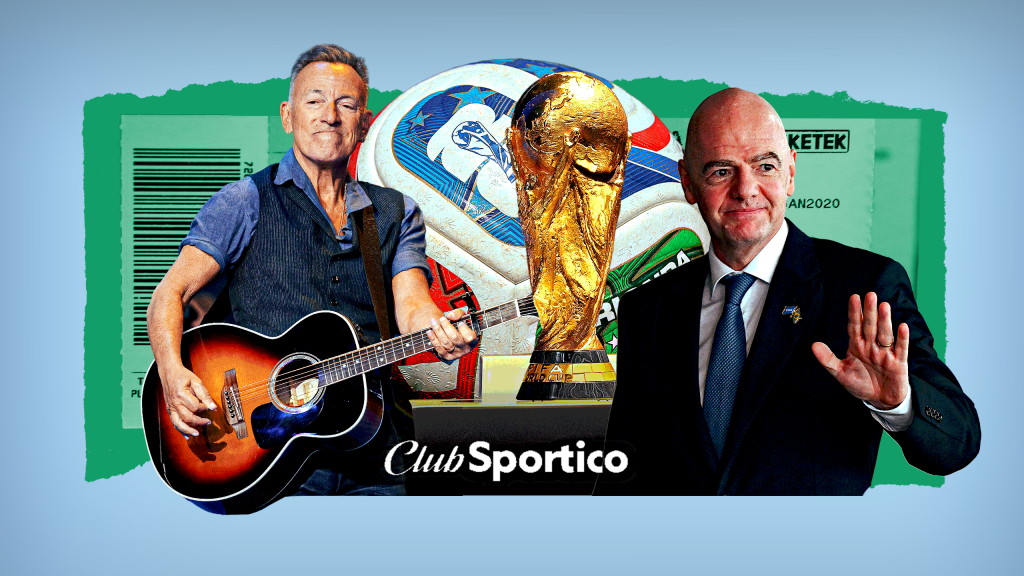
If you’ve read anything about the upcoming World Cup in North America, there’s a good chance you’ve read about the tickets. High prices have become the story of the tournament so far. Despite more than 500 million (!) ticket requests earlier this year from around the world, there are scores of seats still unsold. Many people have pointed to those unsold tickets as proof that FIFA botched its strategy. The truth is that this is the strategy. FIFA’s main goal is to make as much money as possible; there’s very little extra consideration for access or affordability.
In Friday’s Club Sportico column, Eben used his recent experience shopping for Bruce Springsteen tickets to explain how events have changed their ticket-release strategy. Instead of a massive ticket dump, premium concerts and sporting events now favor a slower, higher-priced approach. Initial on-sale prices are high, inventory is gradually released and the market adjusts over months, not days. Brokers’ arbitrage opportunities on the secondary market are diminished, and there are face value tickets available for much longer. Seven hours before Game 2 of the Knicks-Cavaliers Eastern Conference finals on Thursday, for example, there were still hundreds of MSG tickets available at the Garden.