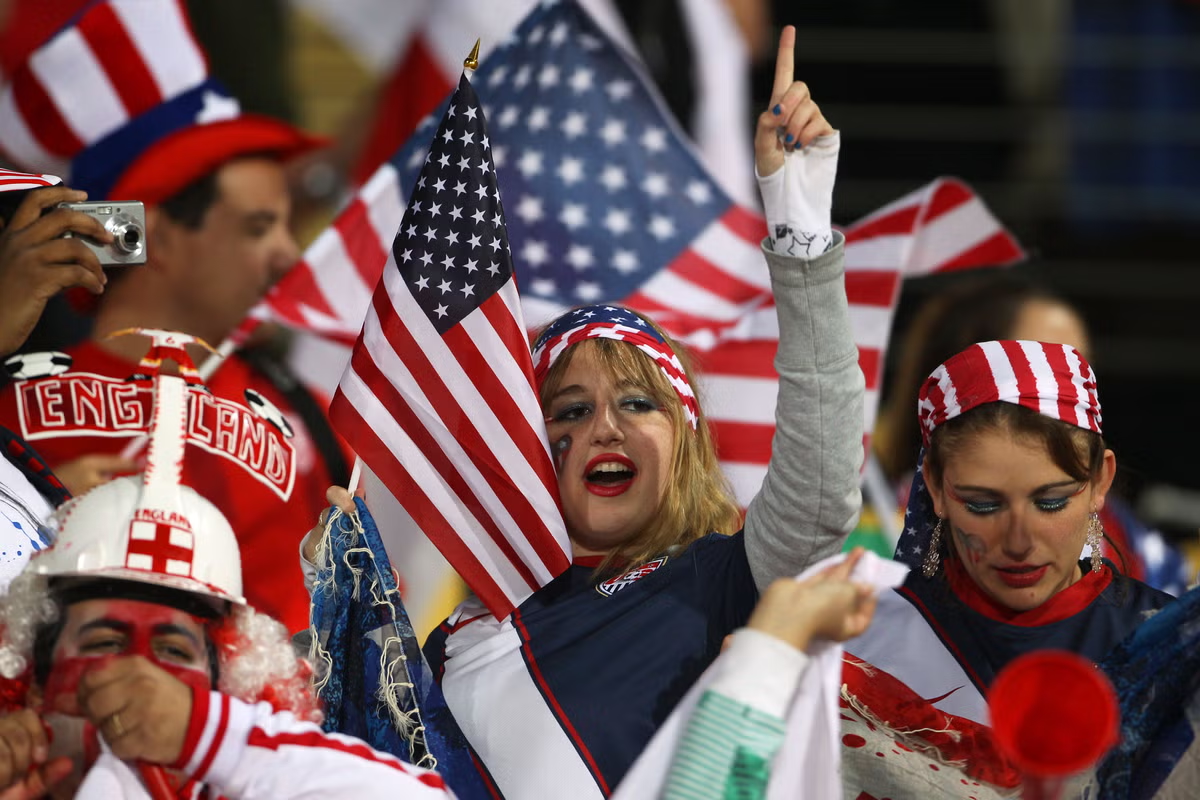
The United States Men’s National Team will play its World Cup opener on June 12, and there are thousands of tickets for the game still available for sale direct from FIFA. It’s one of many games with myriad unsold seats, despite FIFA claiming it received more than 500 million ticket requests for the five-week event.
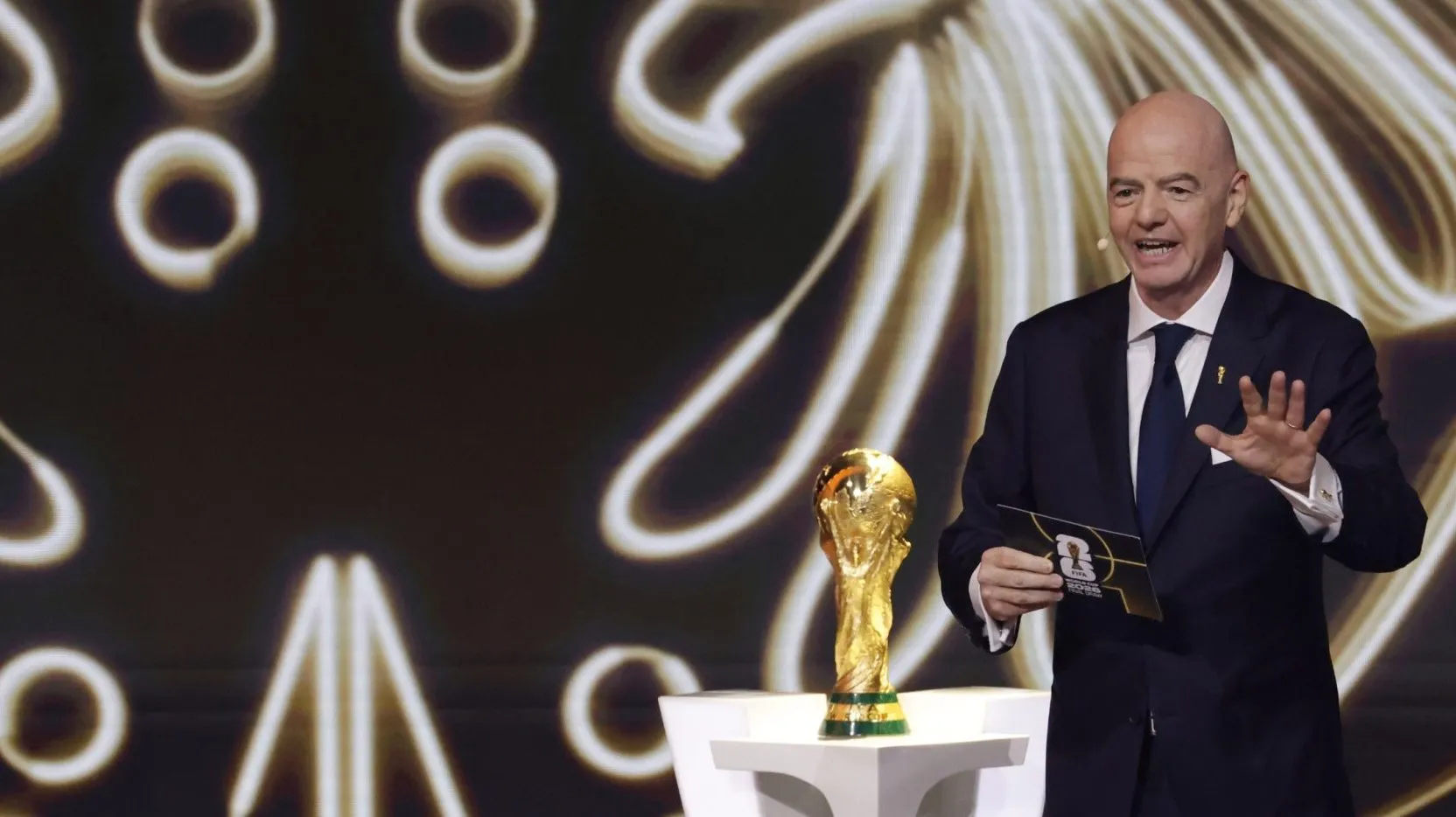
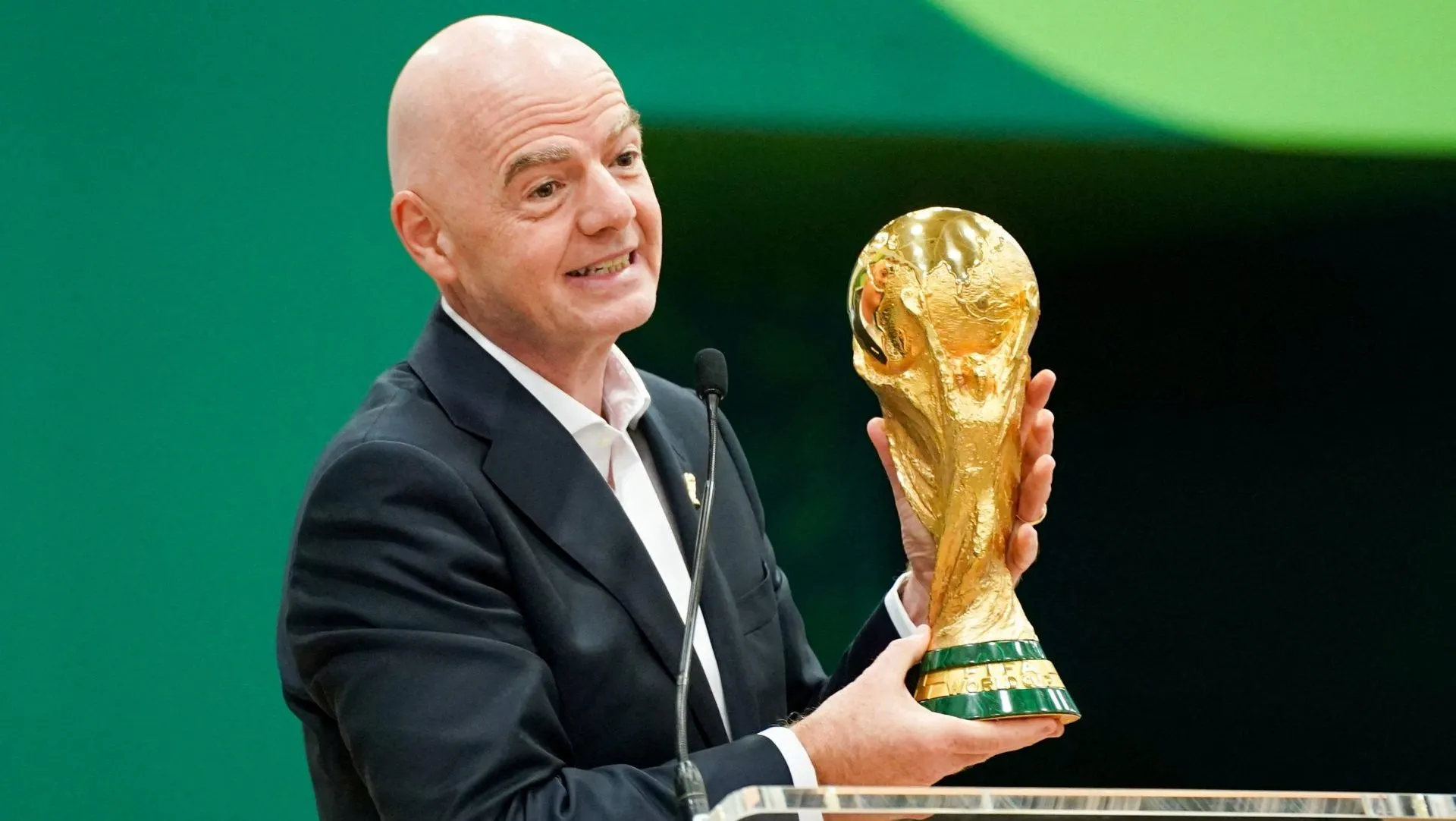
That lingering inventory, which has drawn criticism from fans who believe the list prices are unreasonable, is a principal feature of the governing body’s ticket pricing strategy. For FIFA president Gianni Infantino and his organization, the unsold tickets are a feature—not a bug—of their goal to extract every cent they can from fans looking to attend the World Cup.
“This is all about selling the maximum amount of tickets for the maximum amount of money,” Keith Pagello, founder of TicketData, said in an interview.
FIFA’s strategy may be cynical or greedy, but it’s not unique. Major U.S. sports and big concert tours are increasingly shifting toward a similar model, according to ticketing experts, with sky-high early prices, a gradual release of inventory and a side market for even more expensive hospitality. Tennis fans confronted a version of this reality earlier this week when the earliest tranches of U.S. Open tickets gave would-be buyers sticker shock when they first went on sale.