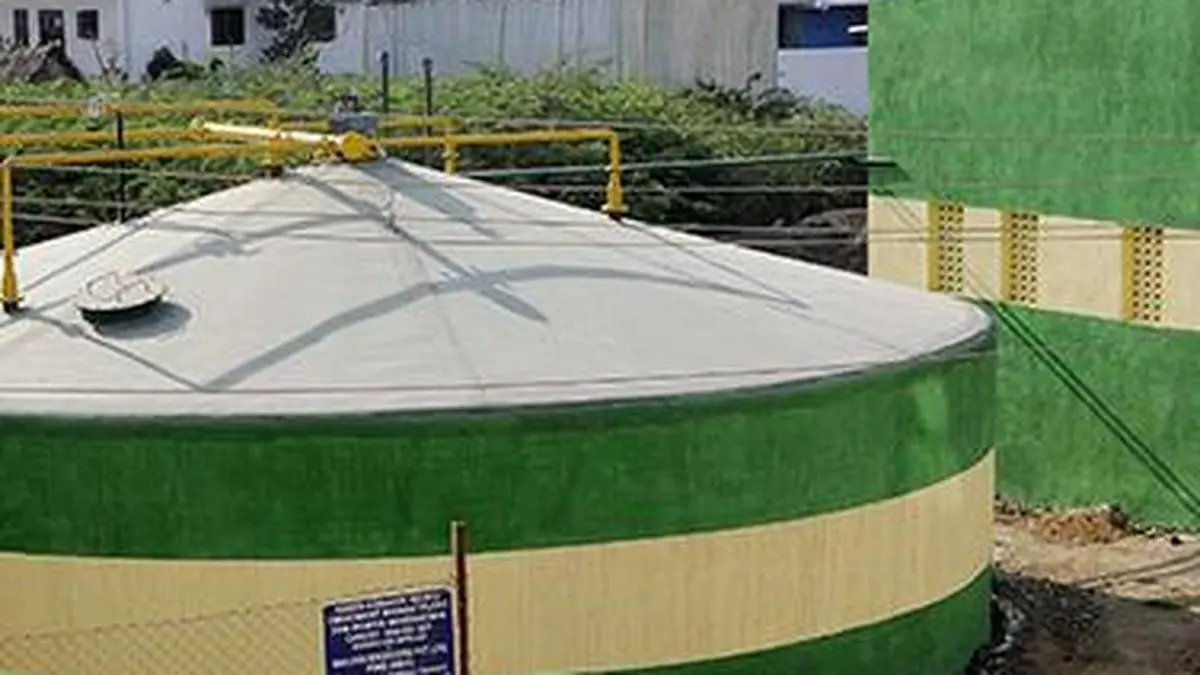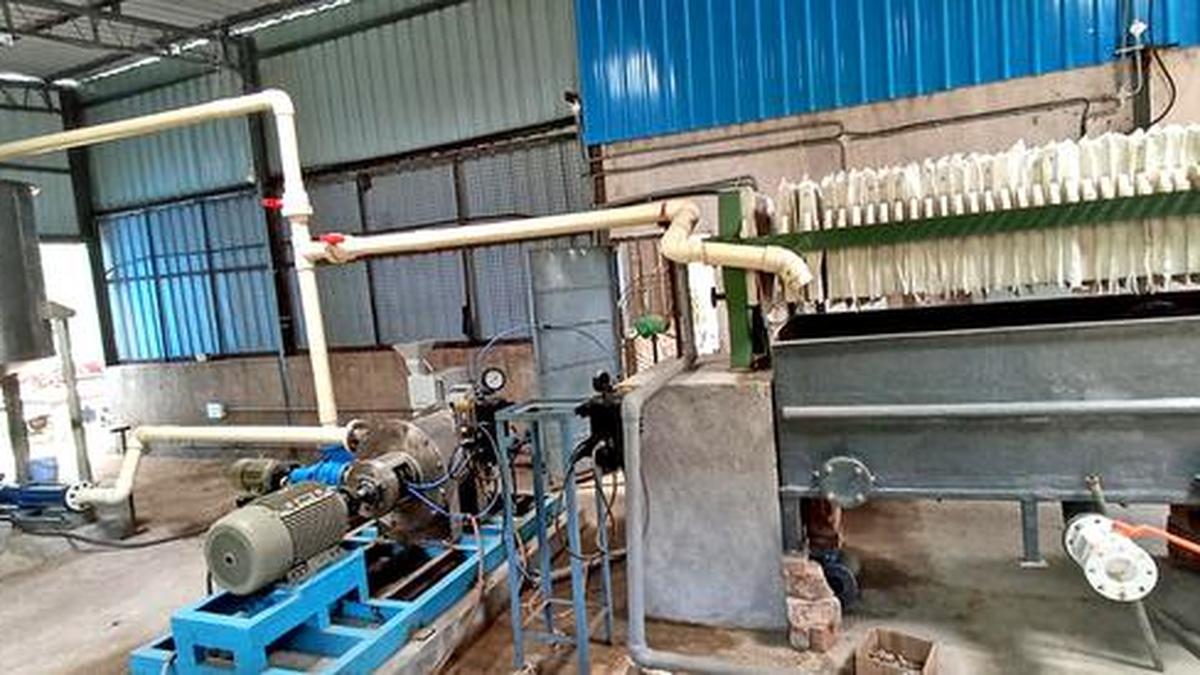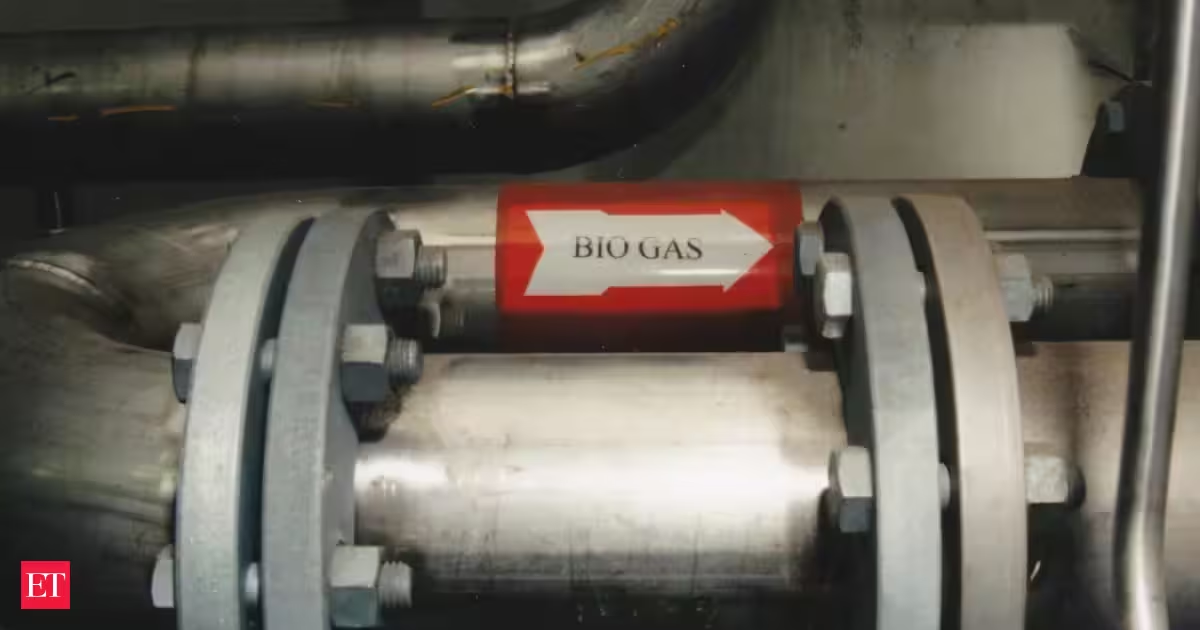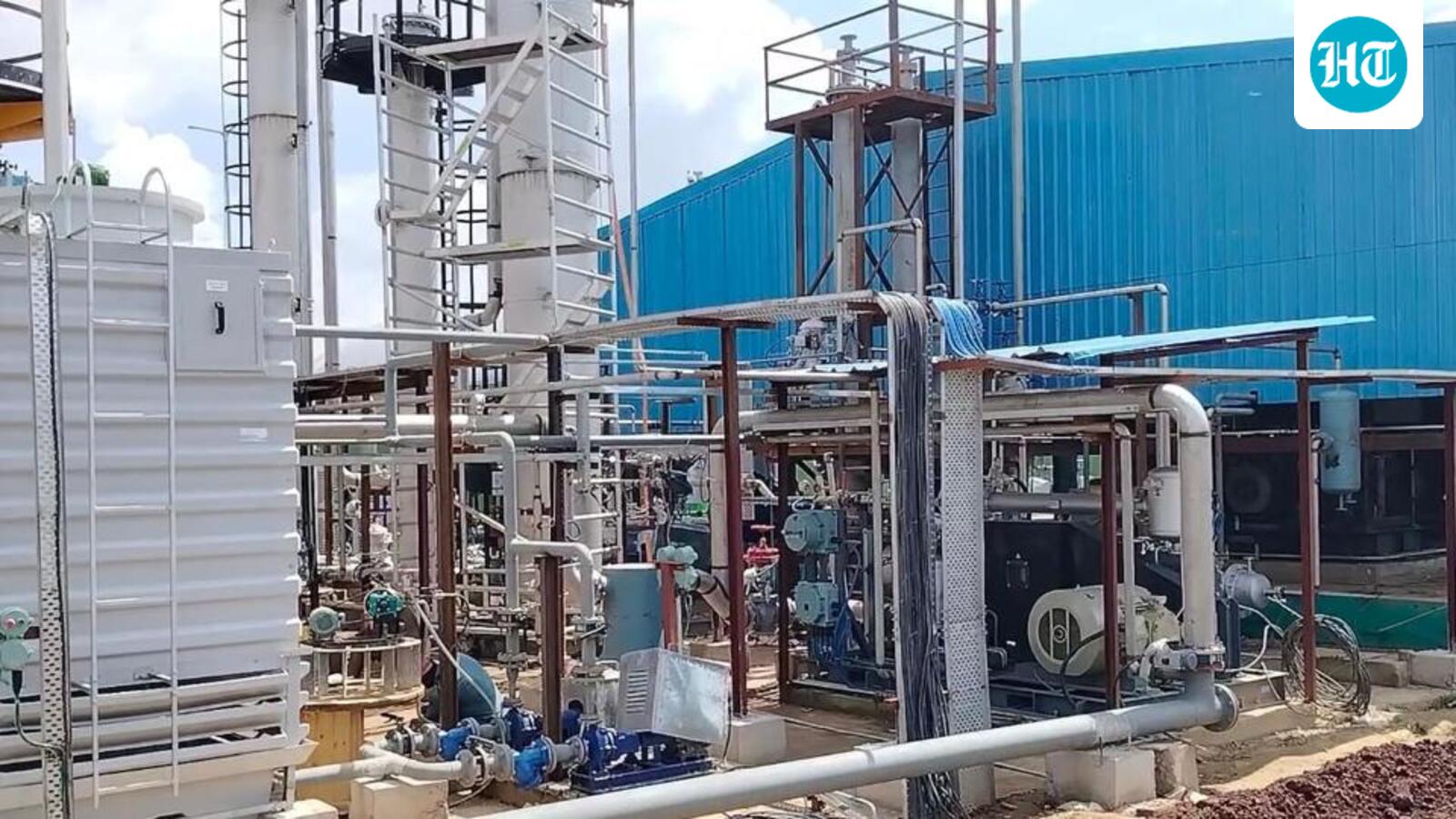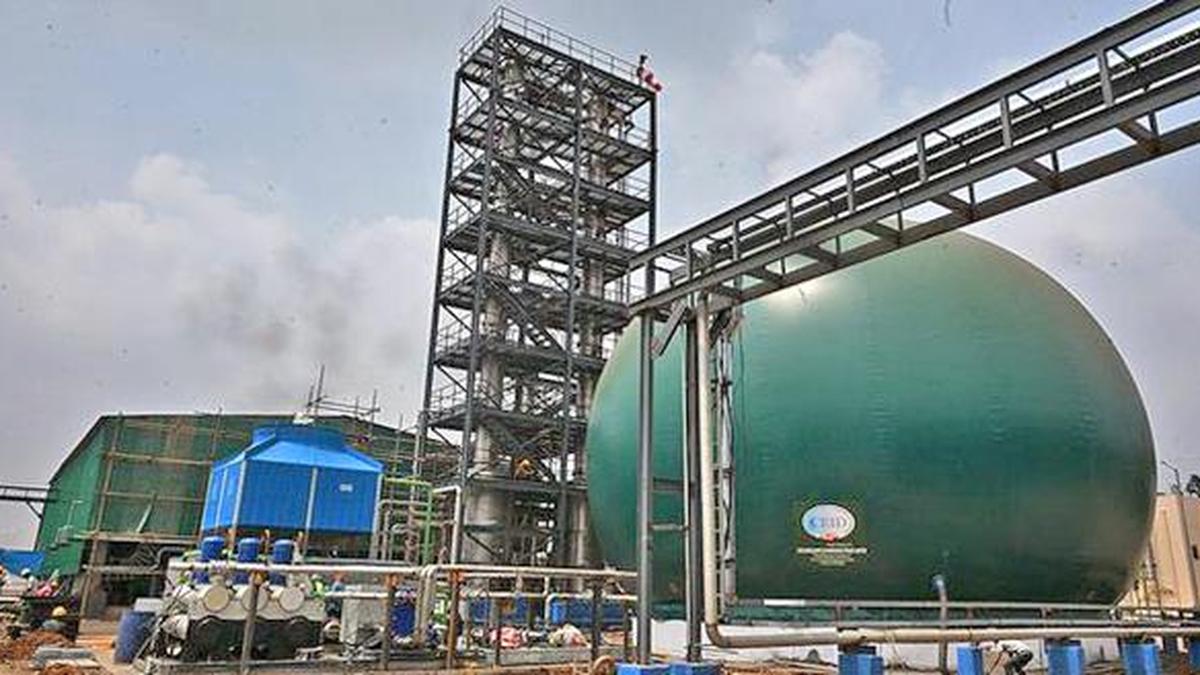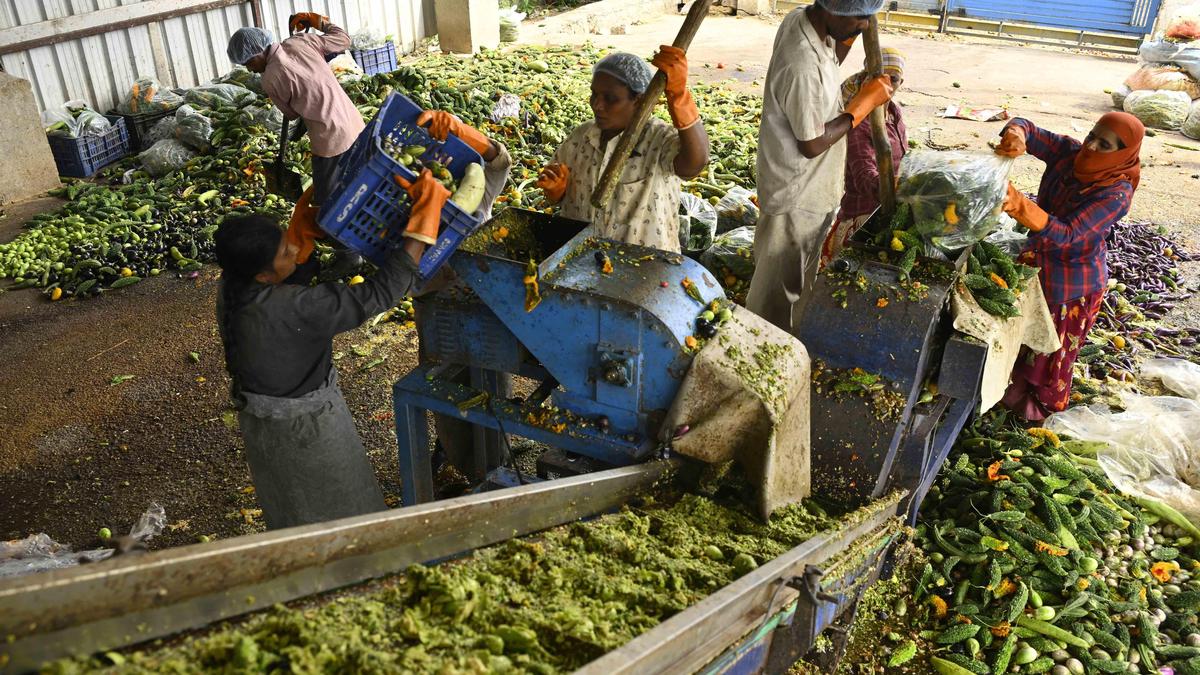
Each day, tonnes of unsold produce and discarded peels pile up in bustling urban vegetable markets. For years, this waste was simply hauled away—adding to overflowing landfills. In nearby rural areas, farmers faced a parallel challenge of crop residues such as paddy straw and husk with little economic value, often burnt in the open, worsening air pollution and depleting soil health.However, compressed biogas (CBG) offers a compelling alternative to this twin crisis by converting agricultural residues and organic waste into a clean, transport-ready fuel. It transforms what was once discarded or burnt into a valuable energy source, and not only reduces environmental damage but also creates economic opportunities for farmers while easing the burden on urban waste systems.At the forefront of this transition are scientists at the Hyderabad-based CSIR–Indian Institute of Chemical Technology (CSIR-IICT). Led by Chief Scientist A. Gangagni Rao, over the years, they have developed technologies that convert agricultural waste and organic residues into biogas and nutrient-rich manure.CBG represents a major advancement in upgrading the raw biogas into c—about 97%—that can be compressed and used much like Compressed Natural Gas (CNG). It serves multiple applications, from transportation fuel and industrial use to household energy, helping reduce dependence on imported fossil fuels. The by-product — fermented organic manure — offers farmers a sustainable alternative to chemical fertilisers and an additional source of income, explains Dr. Rao.
CSIR‑IICT technology powers India’s compressed biogas scale-up
CSIR-IICT's innovations transform organic waste into compressed biogas, boosting farmer incomes and promoting India's circular economy.
923 words~4 min read