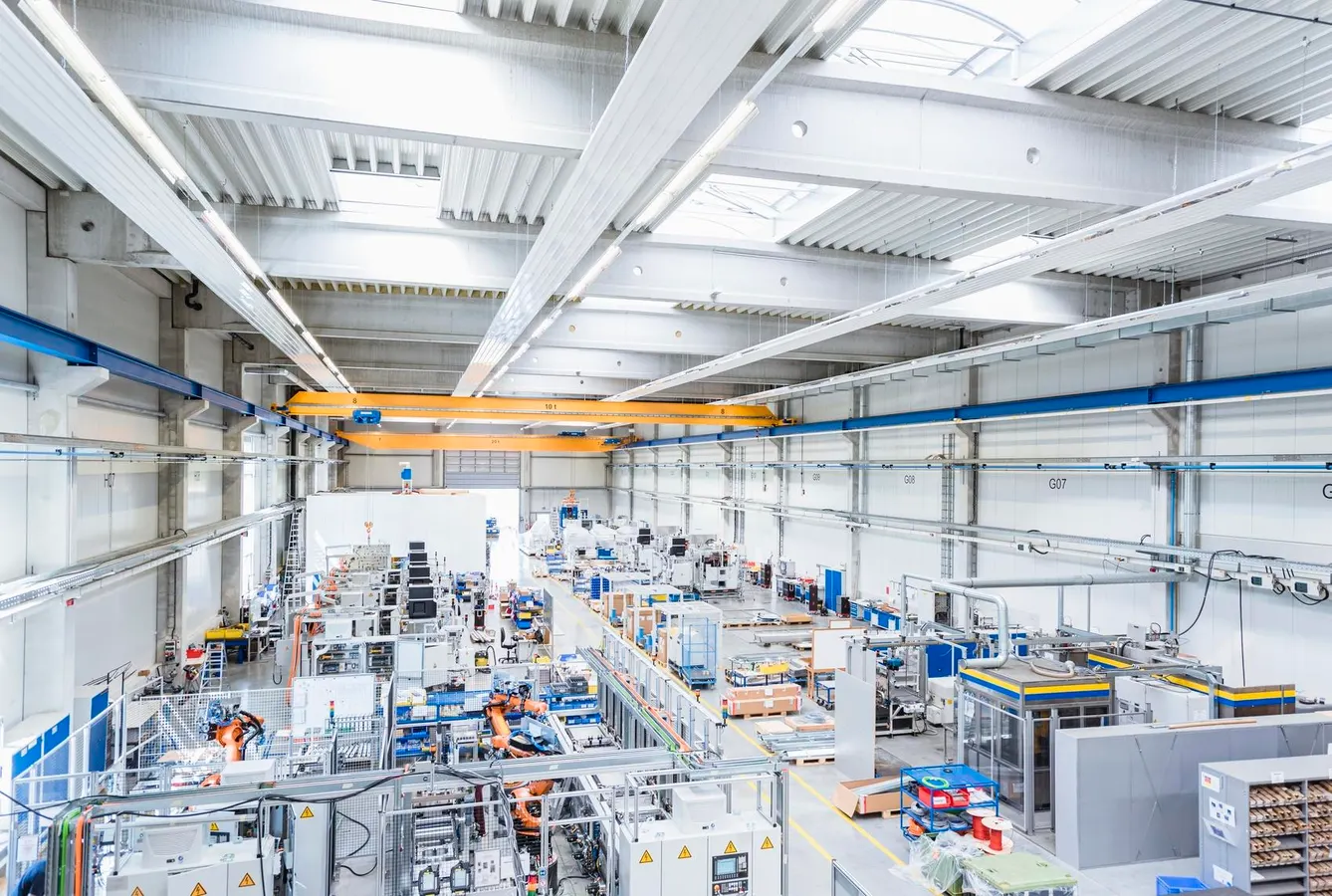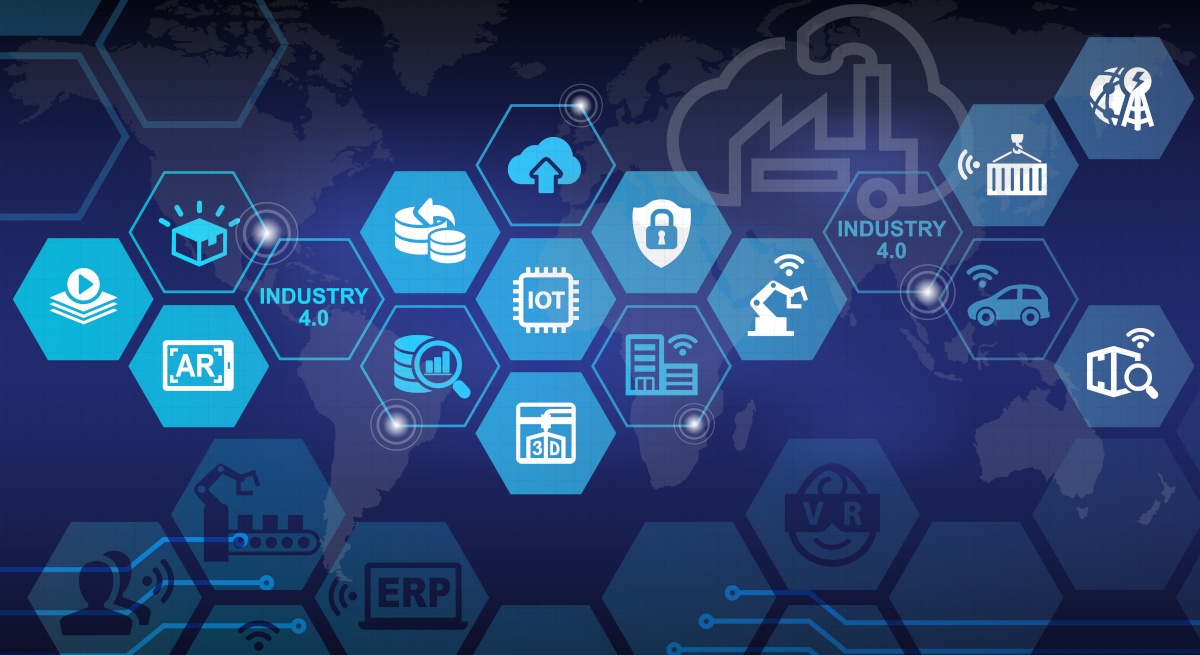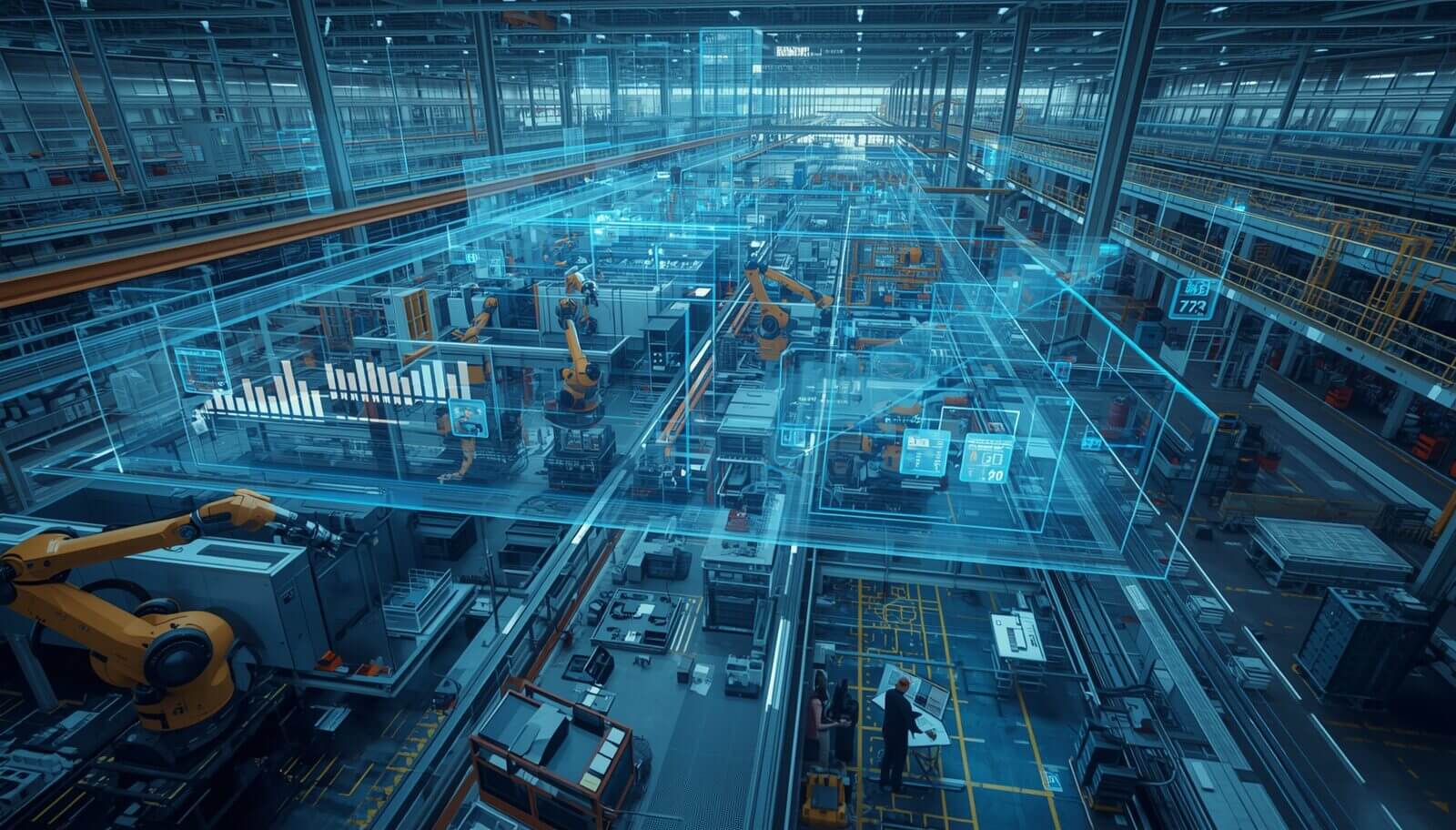
Arungalai Anbarasu serves on Körber's Group Executive Board, heads Business Area Technologies and drives the Group's innovation strategy.gettySociety is undergoing a rapid transformation as the manufacturing industry continuously evolves. Industry 4.0 is advancing with the adoption and adaptation of new, smart technologies driven by machine learning, the Internet of Things (IoT) and automated networks. However, the speed of this technological innovation is intensifying, and leaders must be ready for what comes next. Advanced and increasingly autonomous AI tools, robotics, cloud solutions and industrial IoT are converging to usher in a new era: Industry 5.0.The Meaning Of Industry 5.0 Industry 4.0 was defined by the integration of cyber‑physical systems, automation and data-driven operations, all of which aimed to increase connectivity, data transparency and throughput. In many organizations that I've observed in the industry, these technologies have already delivered measurable benefits, though adoption remains uneven across sectors and regions. Where repetitive tasks are automated, human workers can increasingly focus on more strategic, holistic and value‑driven work and innovative thinking. This is the very basis of Industry 5.0. As the European Commission framed it, Industry 5.0 is a transformative vision, complementing Industry 4.0 by putting research and innovation in service of a more sustainable, human-centric and resilient industry. Industry 5.0 isn’t a buzzword. It’s the next evolution of the manufacturing and supply chain landscape, reframing technological transformation through the lens of human-centricity, resilience and sustainability. With Industry 5.0, automation and intelligence are not simply about further increasing throughput; they're also about creating regenerative practices that protect our resources and empower people. It’s the transition from purely technological optimization to designing a more resilient manufacturing ecosystem that serves both the business and the worker. One of the biggest shifts driving this transition will be how we view automation.Industry 5.0 Gives Automation New Life Automation is undergoing a meaningful transformation, from a tool of replacement to a tool of augmentation. Industry 4.0 prioritized the interconnectedness of automated and intelligent solutions. Industry 5.0 will take technology to the next level, acting as a force multiplier for the human workforce. As McKinsey noted last year, a modern Industry 5.0 approach is not simply about automating more tasks but about prioritizing adaptability and empowering line workers with robots that can be reprogrammed and redeployed as demand shifts.It’s no longer just about doing things faster and without human interaction in the future; automation needs to be designed to serve as a strategic partner for the workforce. That means combining automated capabilities that handle repetitive work, intelligent capabilities that support decisions in real time and regenerative capabilities that continuously optimize energy use, quality and material flows. This way, the technology can become a lever for personalization and a way to build resilience into smart factories and process solutions rather than just offsetting human labor for the purpose of operational efficiency. In the era of Industry 5.0, automation can help us build adaptable systems that support complex decision-making and enhance worker safety. As mentioned, one of the core tenets of Industry 5.0 is human-centricity, meaning humans will remain at the core of processes with technologies around them to augment, enhance and support.The Role Humans Play In Industry 5.0, humans return to the center of the manufacturing process in an elevated capacity. We are moving toward an intelligence-augmented workforce in which people are supported by AI and robotics. I've seen it firsthand: The industry now recognizes that while machines excel at precision, humans remain unmatched in judgment, creative problem-solving and managing complexity. This approach is rooted in synergy; the most competitive manufacturing and process systems will require humans and machines to work together, combining the reliability of machines with the intangible genius of the human mind. Part of this collaboration between humans and machines will include robots. Today, they’re primarily isolated machines that operate behind safety fences and handle dull tasks. In time, I believe robots will evolve into collaborative partners that address critical pain points, like skilled-labor shortages, all while improving yield and safety. With collaborative robots growing in sophistication, especially because of their new perception and sensing technologies, they now have a better understanding of their environment and, therefore, can assist more intuitively. This allows the human workforce to focus on the creative side of manufacturing and supply chains. The sky is the limit when technology and humans can work productively in tandem. Yet, delivering this kind of innovation will require a lot from us. We must boldly embrace next-generation technologies, find passion in our expertise and foster an environment where transformation and experimentation are encouraged. The winners of the next industrial age will not be those who simply automate the most but rather those who design their operations to be people-first, resilient and driven by sustainability from the ground up. Navigating The TransitionThe shift from Industry 4.0 to Industry 5.0 is likely to progress faster than earlier industrial transitions, driven by rapid advances in AI, connectivity and sensing technologies, as well as intense pressures on global supply chains. However, it will still be a gradual process and require a fundamental shift in philosophy. We must move away from a purely technology‑driven view and toward decision‑making through a purpose‑driven, much more holistic lens. Leaders, are you ready for this shift?Forbes Technology Council is an invitation-only community for world-class CIOs, CTOs and technology executives. Do I qualify?
Industry 5.0 Is Changing The Meaning Of Automation
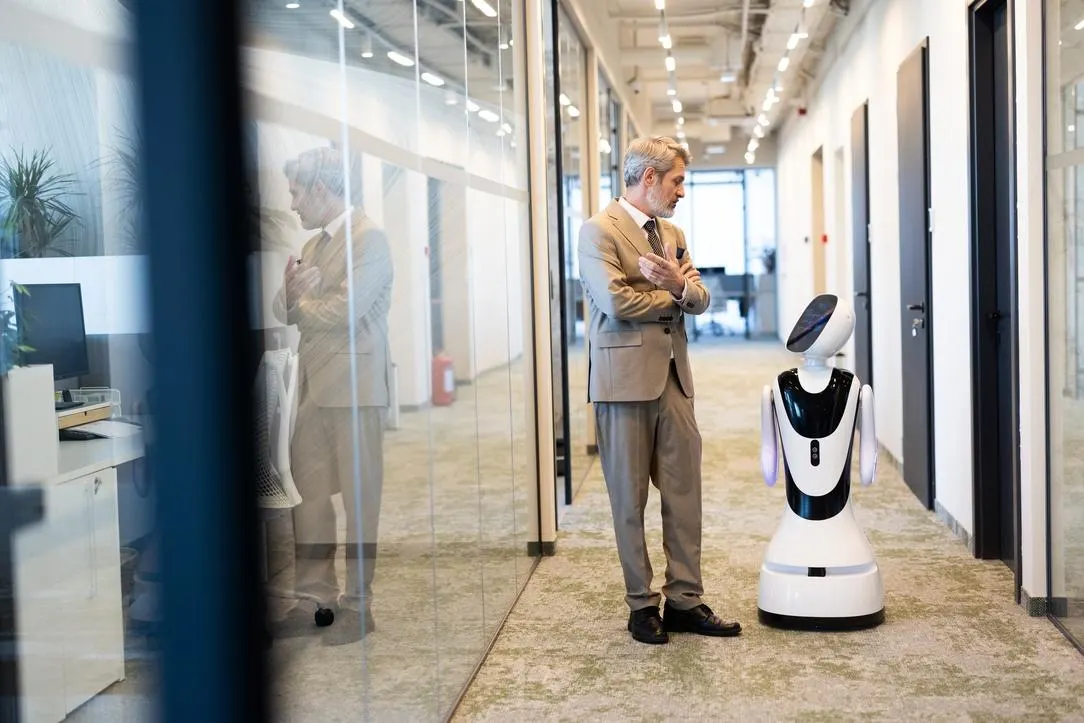
The sky is the limit when technology and humans can work productively in tandem.
886 words~4 min read