AI can make mistakes, models hallucinate, models make stuff up - those are well-known complaints. Yet they are barely practical when it comes to agentic engineering. What does the knowledge that models make mistakes leave you with, except not trusting any output, or expecting every line to be double-checked, killing all the productivity?
I do use agentic tools a lot, and I am fascinated by how much they have improved over the past half year. At the same time, I am often pissed off by how badly many large tasks drift from common sense and the spirit of the task.
Lately, while reading plenty of material about AI agents, I pay more attention to what sort of failure modes people call out. Often those resonate with me heavily. It is gold when someone distills a pattern into a short characteristic of models or AI agents: the "jaggedness." This sort of knowledge helps build your own intuition around AI agent capabilities and reasonable ways to shape your work around agents. It helps with healthy expectations without buying into the over-sold dark factories and other made-up AI capability BS claims around us.
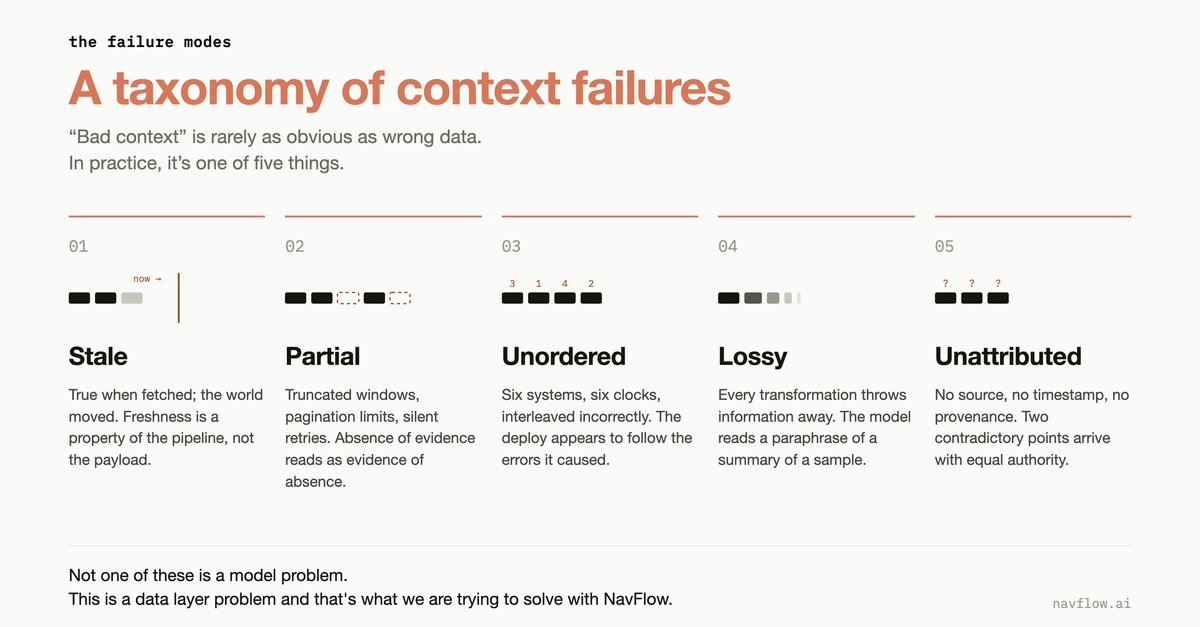
Below is my attempt to categorize and outline the failure modes called out in a few blog posts and conference talks that align with my observations.