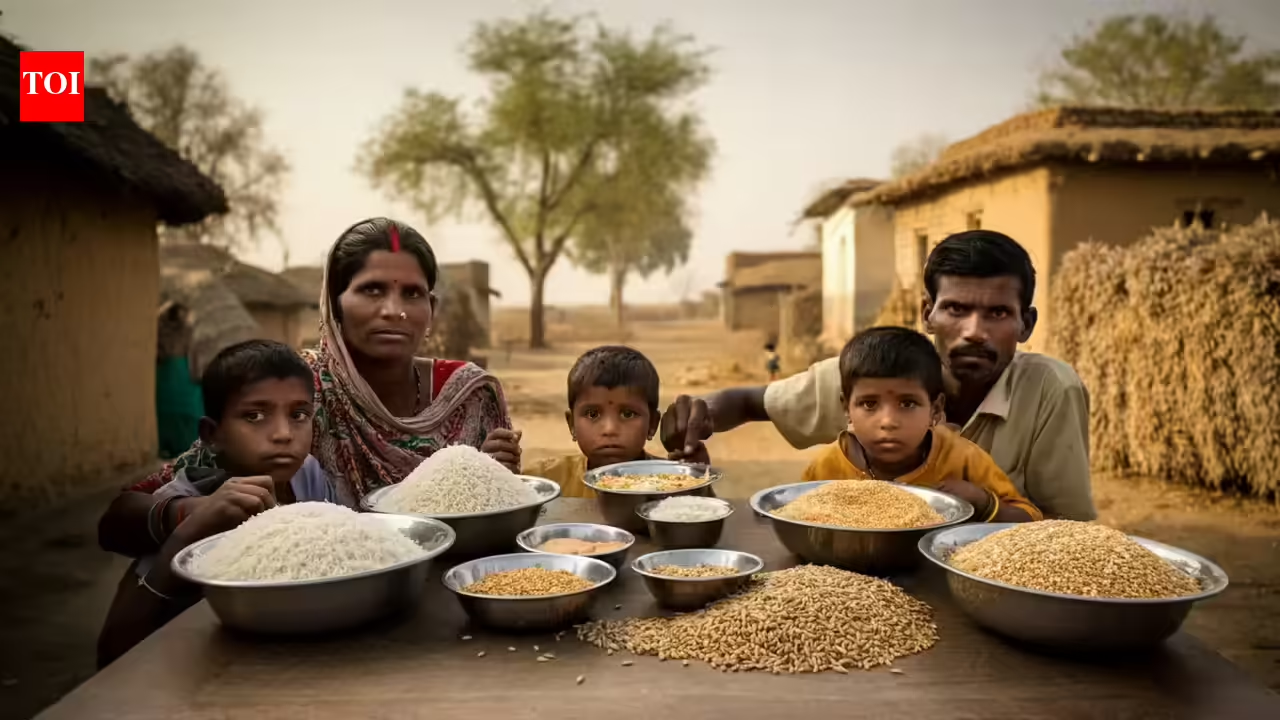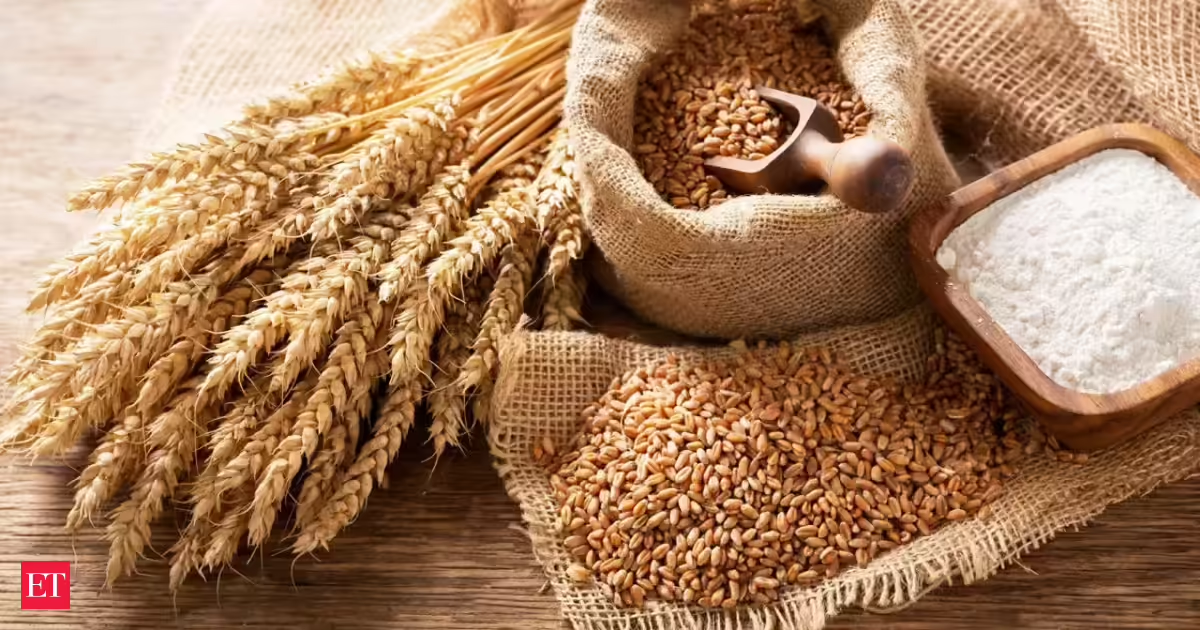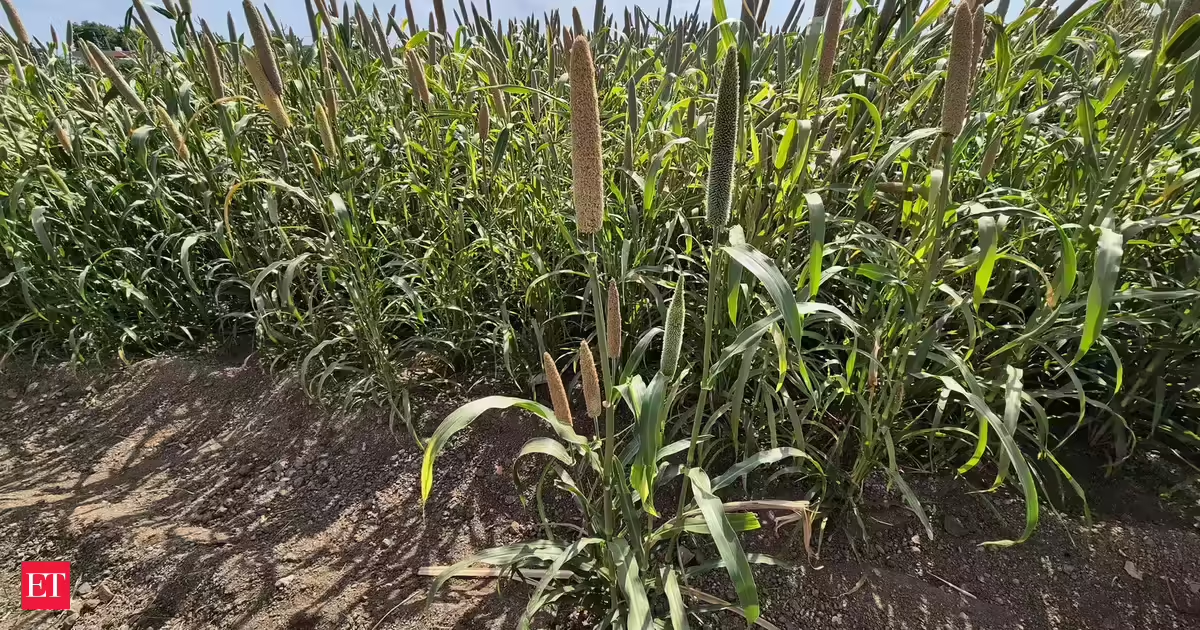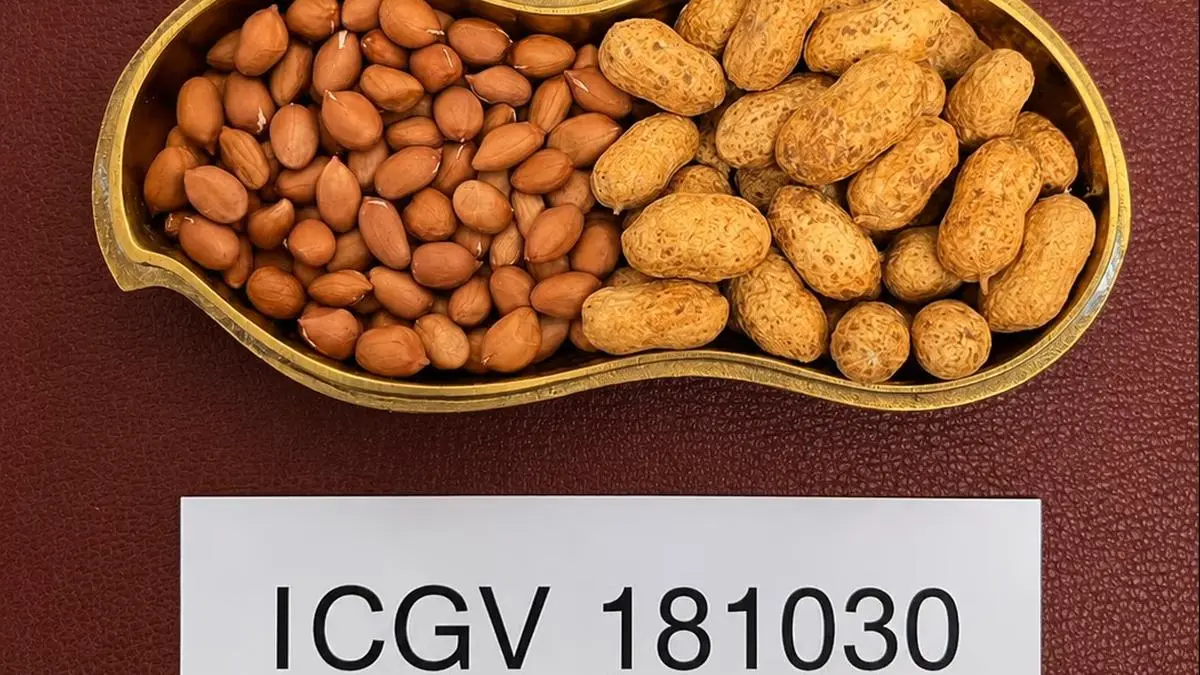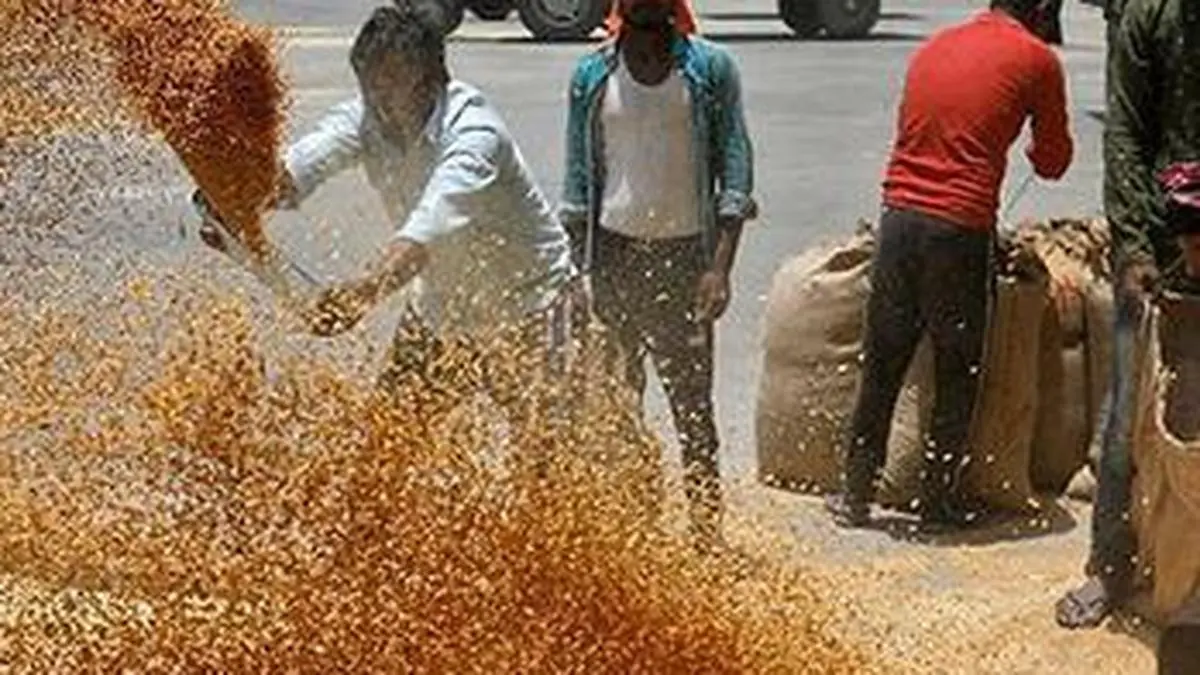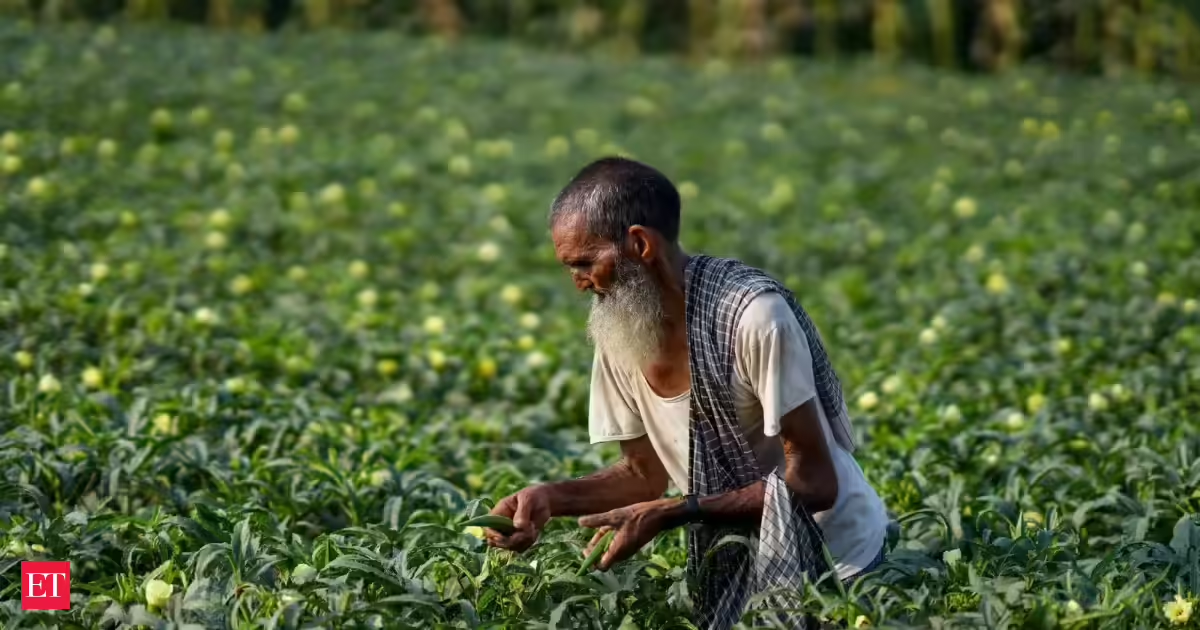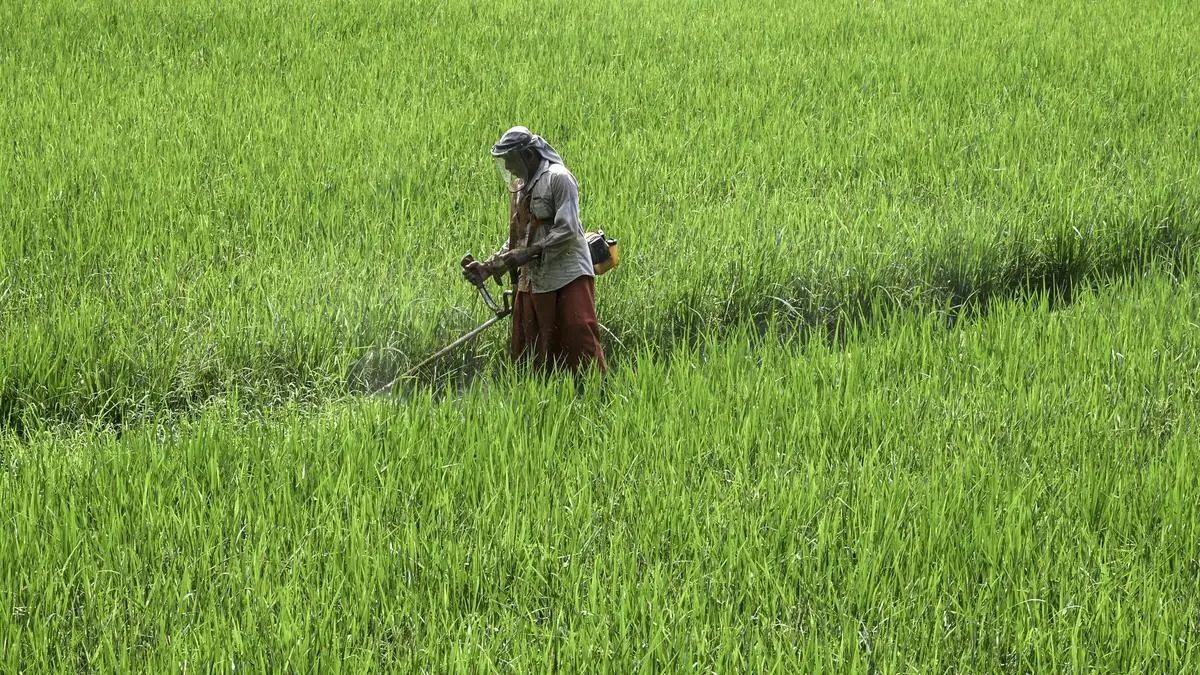
A white paper titled ‘R&D priorities in crop optimisation for smart protein applications’ by the Good Food Institute (GFI) India points to a wider basket of indigenous crops, including underutilised varieties, as a major opportunity due to their nutritional and agronomic potential.The list of highly nutritious but underutilised crops included horse gram, winged bean, grass pea, lupin, bambara groundnut, and several indigenous millets and legumes. Many are naturally rich in protein and micronutrients, require lower agricultural inputs, and are more resilient to adverse climate conditions.Padma Ishwarya S, Senior Scientist at GFI India and author of the whitepaper, highlighted the potential of these crops for emerging applications to produce low-cost sustainable plant proteins, including alternatives to conventional animal-based proteins, where most products today still rely on a narrow basket of crops such as pea, soybean, and wheat.On-farm databaseThe National Gene Bank at ICAR-National Bureau of Plant Genetic Resources, New Delhi, currently conserves more than 4.52 lakh accessions of various crops and maintains a database of on-farm genetic diversity conservation efforts being conserved by farmers themselves.A media statement said as India pushes for crop diversification to achieve nutritional security and agricultural resilience, it must think beyond the handful of familiar cash crops. The country was recently crowned the world’s largest rice producer, yet it remains dependent on imports for indigenous crops like pulses and oilseeds, while many others have all but vanished from plates.The result is a food system that delivers calories without adequate nutrition, and a farm economy that remains vulnerable to climate stress and market shocks. Today, over half of the population’s protein intake comes from cereals, which are often missing essential amino acids like lysine, it said.Even as the world marks the International Day for Biological Diversity on May 22 under the theme ‘acting locally for global impact,’ a vast majority of India’s agricultural biodiversity remains untapped in its domestic food systems, the statement said.RecommendationsThe whitepaper’s recommendations included increasing investment into breeding and genomics research, leveraging AI and machine learning tools to accelerate crop trait discovery, and building processing and supply chain infrastructure to create scalable, cost-effective ingredient streams for India’s smart protein sector.The government must continue to support cross-disciplinary research and development and public-private partnerships that bring together agricultural scientists, food technologists, and industry players, it said.As demand for protein rises globally, smart proteins offer a way to meet demand sustainably and safely, mitigating the concerns around affordability, climate impact, and public health arising from industrialised animal agriculture.Countries like Canada, Australia, the Netherlands and China have leveraged this opportunity to dominate the growing global plant-based market. India, too, has the opportunity to emerge as a leading player if it capitalises on its indigenous and underutilised varieties to strengthen domestic ingredient supply chains, the whitepaper said.Published on May 22, 2026
Good Food Institute of India report seeks focus on underutilised crop varieties
The Good Food Institute report emphasizes the need to focus on underutilised indigenous crops for enhanced nutrition and sustainability.
461 words~2 min read