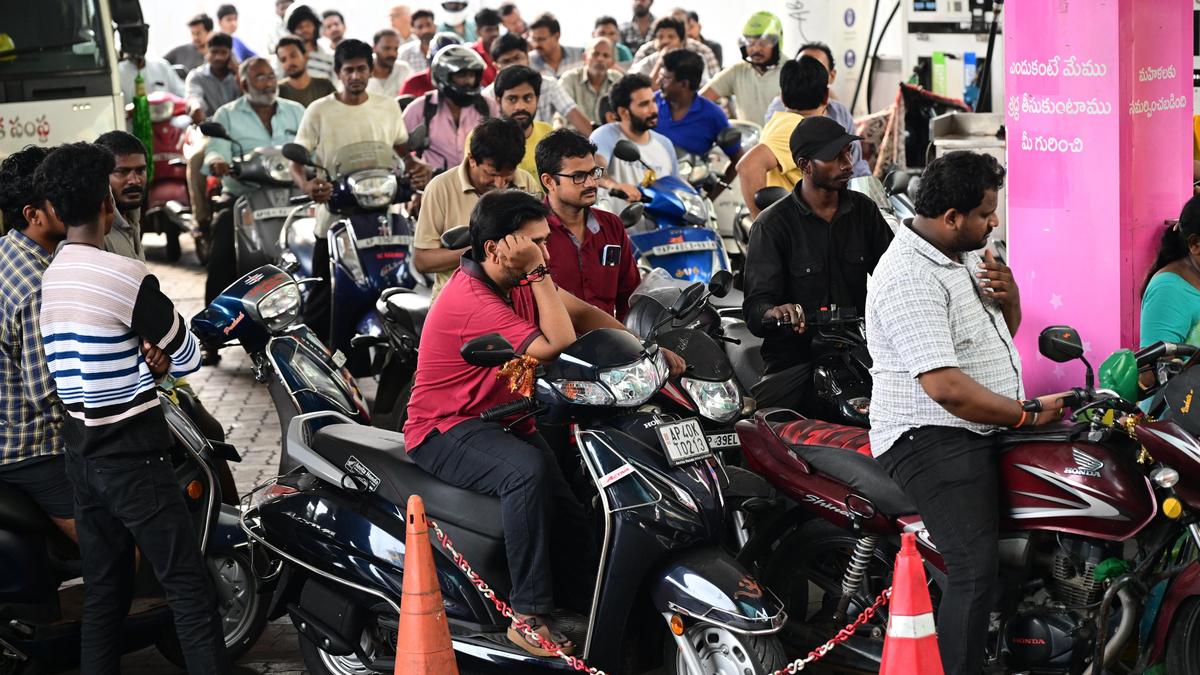
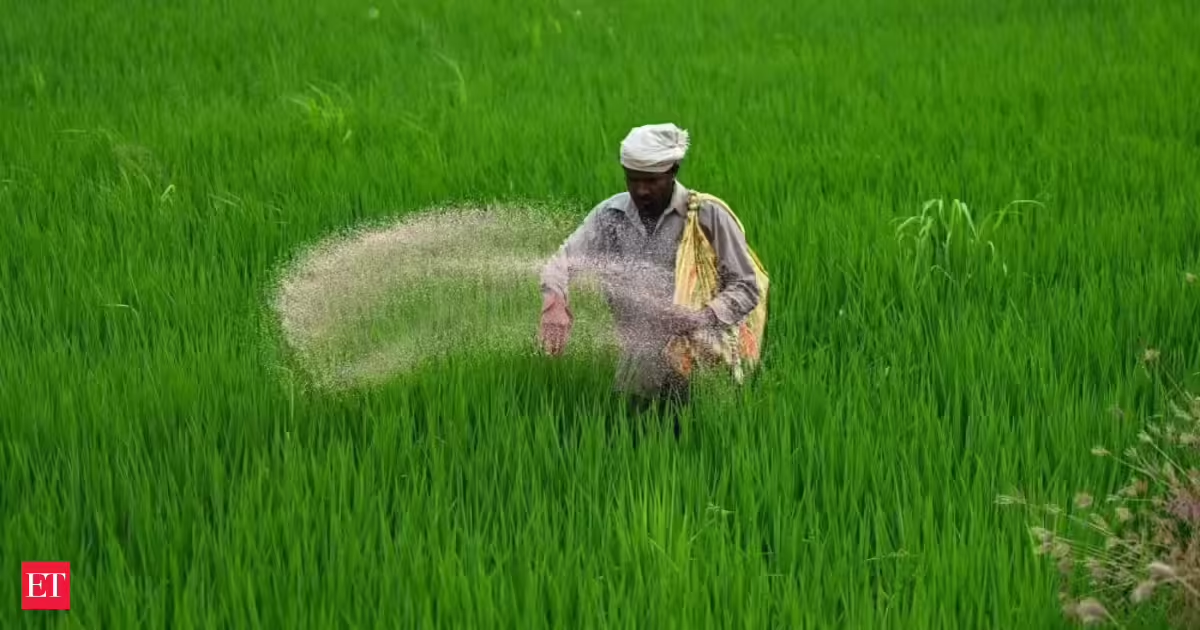
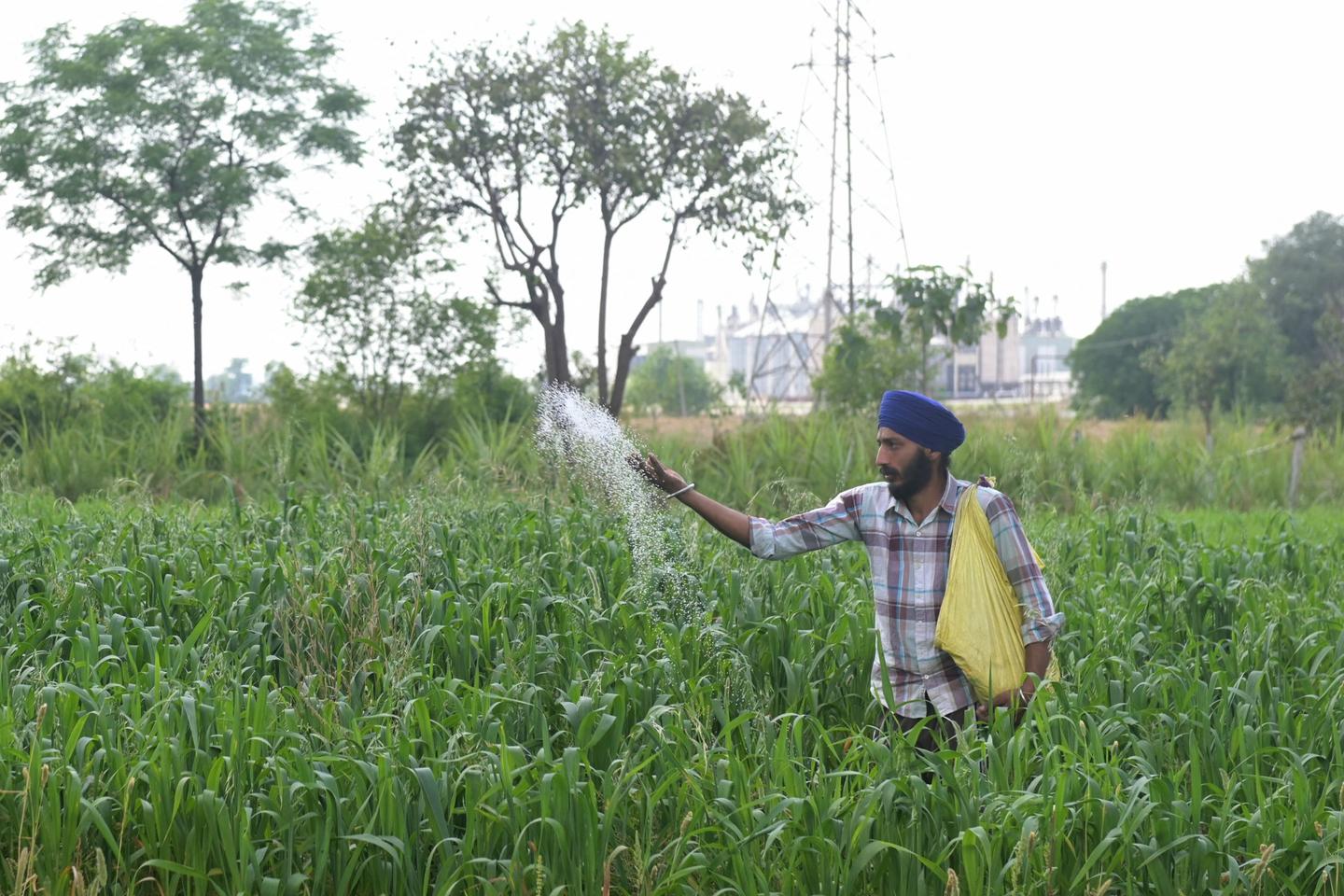
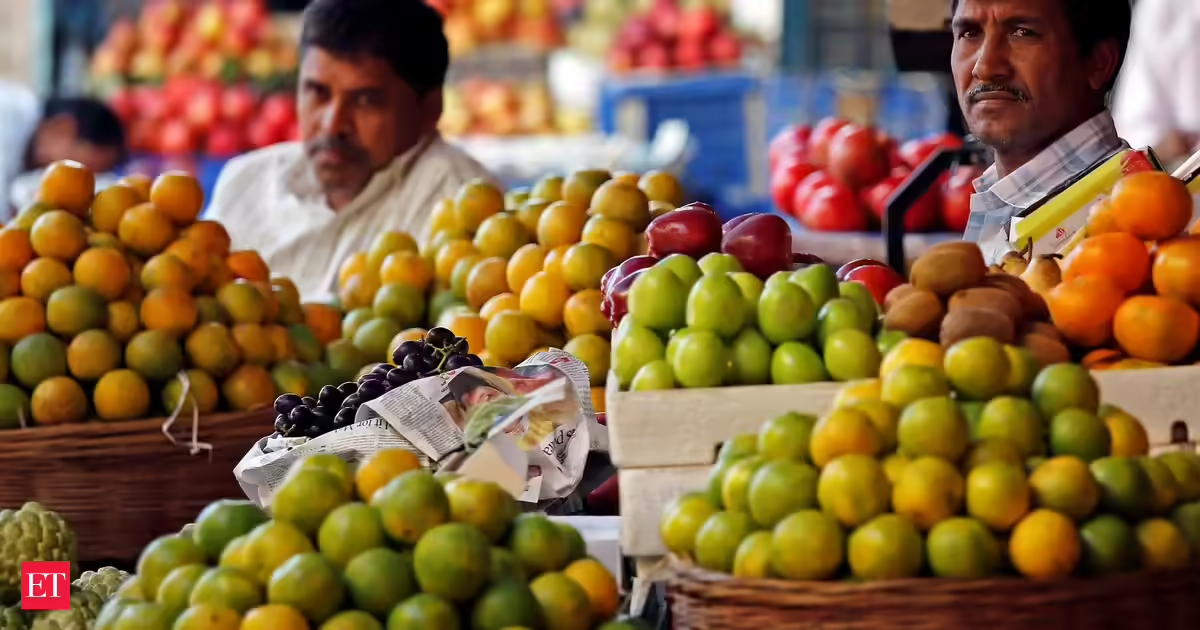
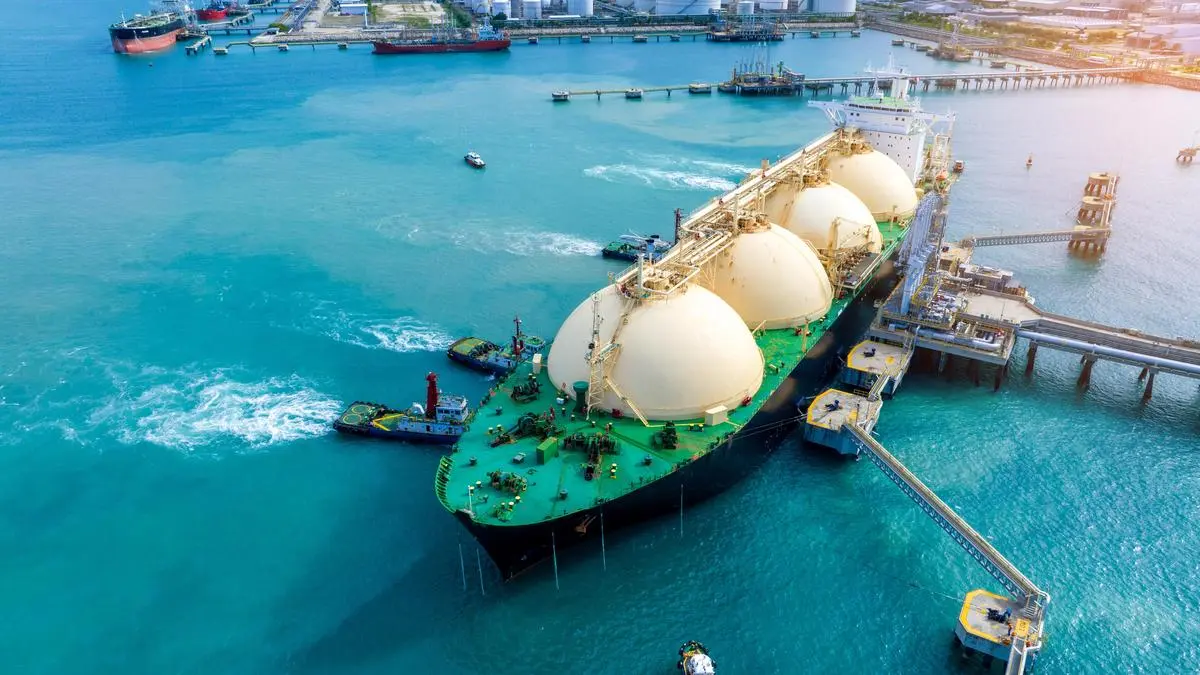
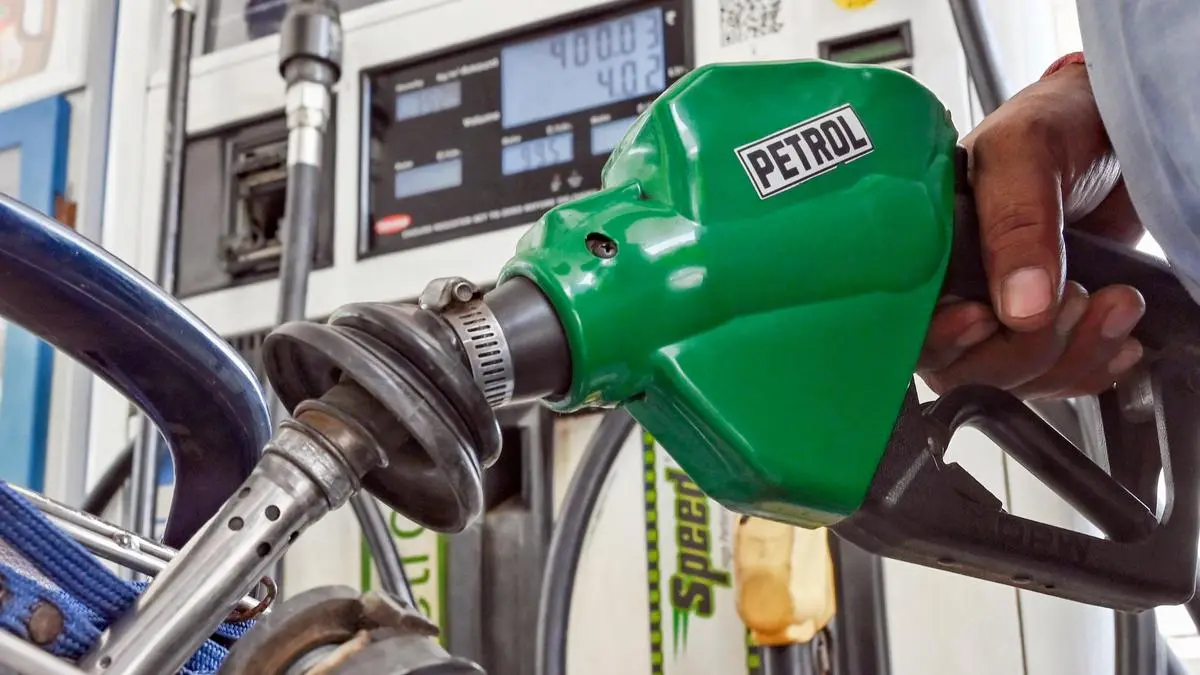
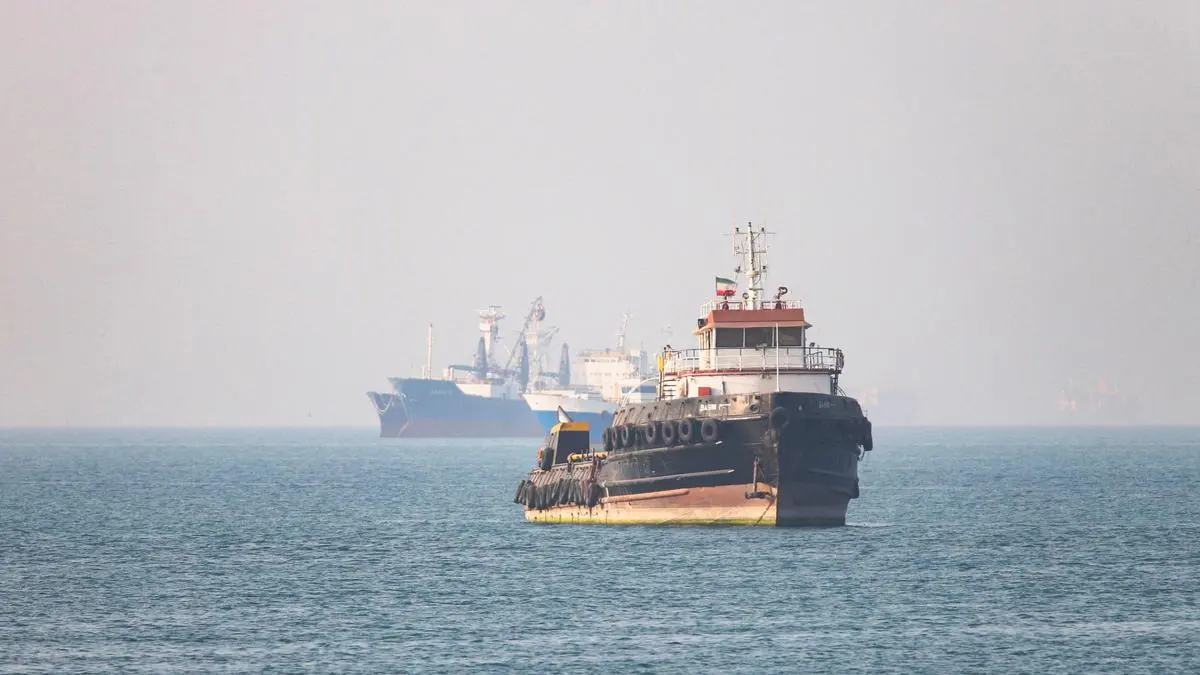
The West Asia crisis has been an energy-driven shock, which has led to wide-ranging socio-economic implications globally. The Strait of Hormuz is a crucial chokepoint, carrying approximately 38% of global crude oil, 13% of chemicals like fertilisers and 2.4% of dry bulk cargo such as grains. Its destabilisation has far-reaching consequences beyond energy markets. For India, the disruption has enhanced strain on supply chains, macroeconomic indicators, manufacturing, trade deficit and standards of living. With the energy prices soaring and the rupee hitting a new low, the shock has been transmitted across sectors. The impact of the crisis has exacerbated the human cost attached to it. With rising fuel, input and freight costs, household incomes have shrunk, food security is threatened and public finances are strained. Strait of Hormuz (REUTERS)The consequences of the war on human livelihoods have been widespread, ranging from employment, purchasing power parity, food security, standards of living, migration and other human development indicators. While some immediate effects are already noticeable, others will likely become apparent in the future. These long-term effects often limit individuals’ freedom of choice and hinder their optimal functioning. For India, the impact of the war is likely to be uneven, the primary risk being borne by vulnerable groups such as women, youth and farmers.The availability of fertilisers is deeply dependent on energy requirements, with West Asia as a major hub for global fertiliser production, the disruption in supply chains for fertilisers serves as a significant test for the global food and agricultural supply chains. India is the world’s largest importer of urea and diammonium phosphate, leaving the sector highly import-dependent and exposed to external shocks. With almost 43% employed in this sector in 2025, agriculture still accounts for the largest share of employment in the country. The war has been detrimental for farmers who already work with narrow profit margins; the impact is harsh. Further, rising fertiliser costs may compel them to reduce their input usage or switch to crops that require fewer inputs, often resulting in lower yields and incomes. For instance, mango producers in Andhra Pradesh, Telangana, and Karnataka are facing a price crunch as delays in export consignments force them to conduct distress sales. Similarly, the value of rice exports for basmati and non-basmati have fallen by 7.5% year-on-year in FY26. An increase in domestic supply for food grains and fruits have also raised financial concerns for farmers. Amidst the ongoing crisis, the fertiliser subsidy bill for FY27 is projected to rise by ₹70,000 crore to ₹2.41 lakh crore. This increase ensures fertiliser availability for farmers but could ultimately have a lasting impact on public finances and subsequently affect consumer welfare. In the face of such a crisis, the household becomes a shock absorber, and within it, women and children often bear the heaviest losses. These losses show their underlying effects through reduced nutrition, sacrificed medical care, interrupted schooling and an increase in unpaid care work. India’s female labour force participation rate is among the lowest globally and any gains in women’s paid employment can easily be undone by shocks. Additionally, as global food prices increase, the consequences have become pronounced for children dependent on school feeding schemes. With LPG cylinder costs rising, midday meals have been interrupted, and many village schools face the threat of poor nutrition, hunger and malnutrition, which could also percolate to school dropouts. The Middle East and North Africa (MENA) region is emerging as a key destination for Indian women migrants. Currently, the Indian women migrant workforce stands at around 3.5 million. This migration trend, particularly to the MENA region, has been significant and growing for decades. However, the ongoing crisis could lead to a return of migrant labour from West Asia, potentially reducing livelihoods and employment opportunities for these women.India’s demographic dividend from its youth-centric population could be jeopardised by the Iran war. The Iran war puts this at risk because it hits India through the macroeconomic channels that matter for youth opportunity: energy prices, food prices, fiscal space, industrial costs, MSME viability and job creation. India entered the Iran war shock with an already delicate employment situation. PLFS 2025 shows youth unemployment, ages 15–29, at 9.9%, compared with overall unemployment of 3.1% for persons aged 15 and above. Urban youth unemployment remained higher at 13.6 percent. The shock also threatens rural non-farm jobs, particularly in retail, repair, logistics, construction, agri-services and small manufacturing, where many young people are employed. India’s demographic dividend depends heavily on MSMEs because they are the main absorbers of first-time workers outside agriculture. The Iran war can weaken MSME employment due to inflation, tighter working capital and weaker consumer demand. A prolonged energy shock can force the government to spend more on fuel subsidies, fertiliser subsidies, food support, strategic imports, shipping insurance or exchange-rate management, which can crowd out public finances on skilling, public employment support, industrial clusters, apprenticeships, education quality and health. Migration from urban to rural areas of youth employed in the informal job sector due to rising LPG costs can not only trigger a burden on the agriculture sector, but also declining job opportunities for youth.Measures to address the crisis for the vulnerable groups need to be both short-term shock absorption and long-term structural policy reforms. While policy measures are already announced, in terms of securing farmers’ income, the government can prioritise urea and DAP availability and opt for direct benefit transfers instead of broad schemes. This approach safeguards sowing decisions while minimising fiscal burden. Credit availability and interest subvention policies have already increased the collateral-free agriculture loan limit from ₹1.6 lakh to ₹2 lakh to support farmers grappling with higher input costs. This can be further enhanced by interest subsidies for seeds, fodder and irrigation expenses during the crisis. States can activate transport subsidies for perishable goods like vegetables, fruits, milk, poultry and fish. Further, they can increase their support towards Farmer Producer Organisations (FPOs), Self-Help Groups (SHGs) and other farmer collectives to consolidate fertiliser purchases, negotiate transport rates, access warehouse receipts and connect farmers to institutional buyers. Long-term resolution can include investment in storage cold chains and local processing facilities. Incentives for the shift to green fertilisers and renewable-linked inputs can serve the double agenda of reducing dependence on chemical fertilisers and shifting to nature-based solutions. For women, expanded SHG-based credit and livelihood support can offer low-interest working capital, emergency consumption loans, nutrition kits and livelihood grants. Protecting anganwadi nutrition school meals, maternal health services and community childcare from budget diversion is crucial. Long-term job security can be achieved through employment opportunities and collaboration with the private sector to boost job prospects for migrant women returning from the Middle East.For youth, the employment-linked incentive scheme can be a counter-shock tool by prioritising MSMEs, logistics, food processing, renewable energy, repair services, agro-processing and manufacturing clusters. This requires large firms, PSUs, industrial parks and MSME clusters to host paid apprentices in manufacturing, logistics, food processing, green energy and digital services. An employment success package programme, similar to the one offered by South Korea, can offer customised job search support and training to enhance employability.The West Asia crisis is just another heavy reminder to develop shock-response mechanisms that are disproportionately faced by vulnerable populations. The architecture for structural policy changes and contingency measures needs to be in place more than ever.(The views expressed are personal)This article is authored by Shruti Jain, associate fellow, Centre for Development Studies, Observer Research Foundation (ORF), New Delhi.
West Asia crisis and cost to farmers, women and youth in India
This article is authored by Shruti Jain, associate fellow, Centre for Development Studies, Observer Research Foundation (ORF), New Delhi.
1,236 words~6 min read