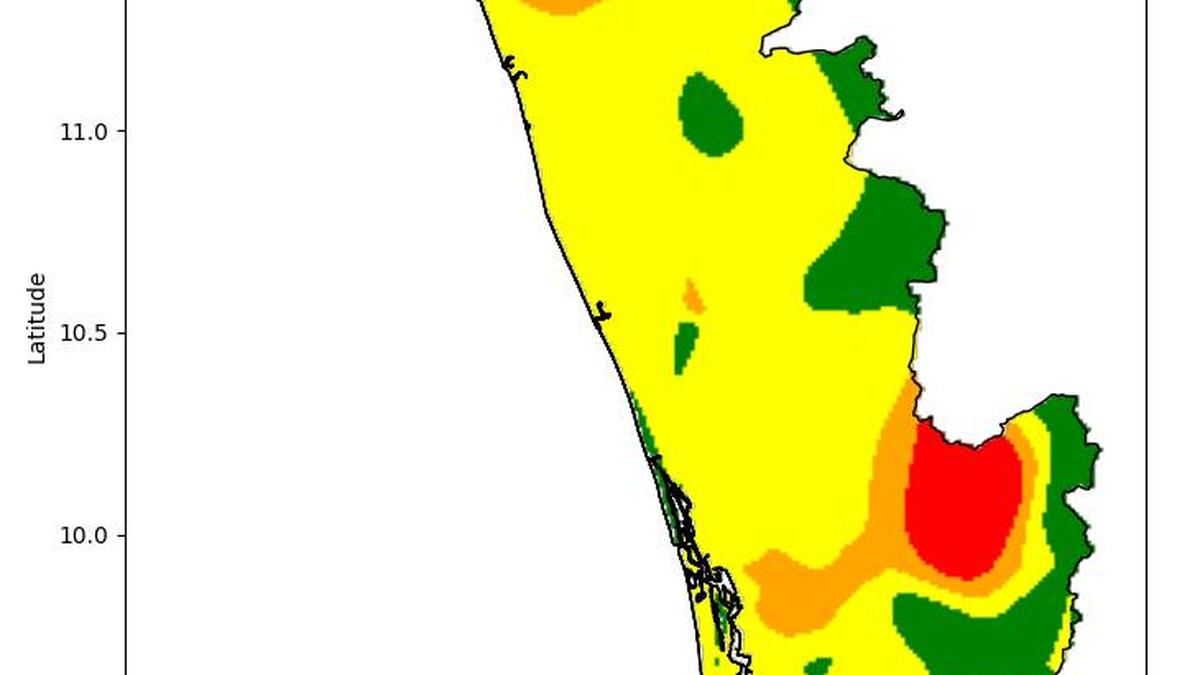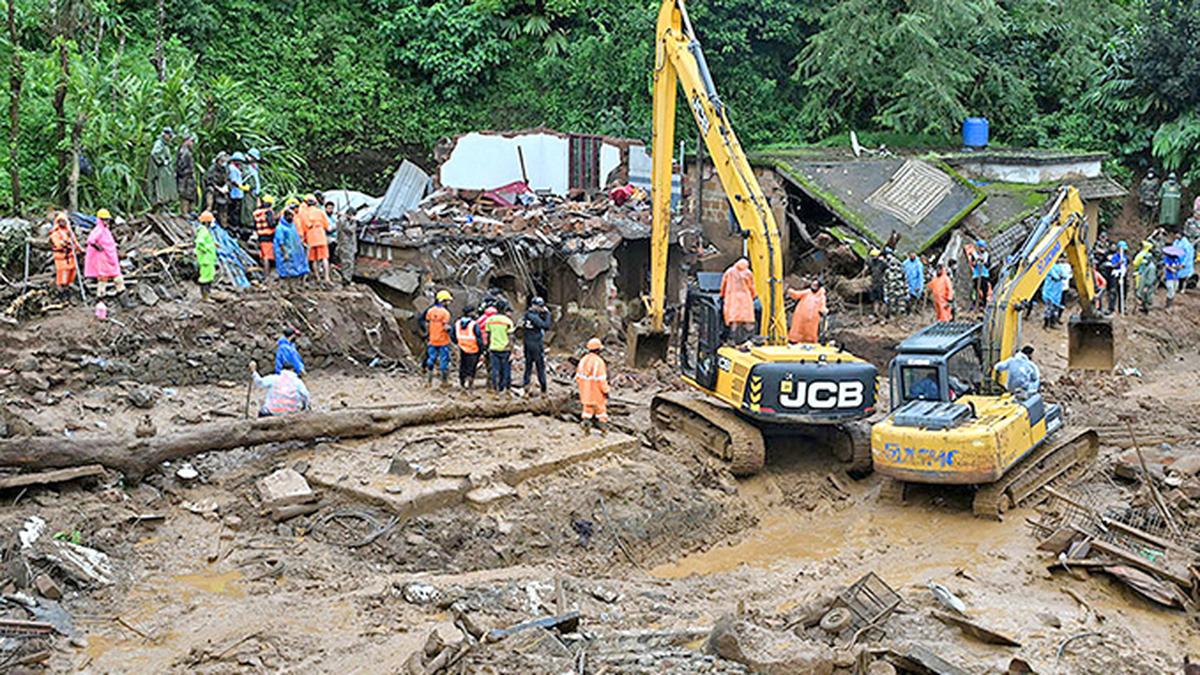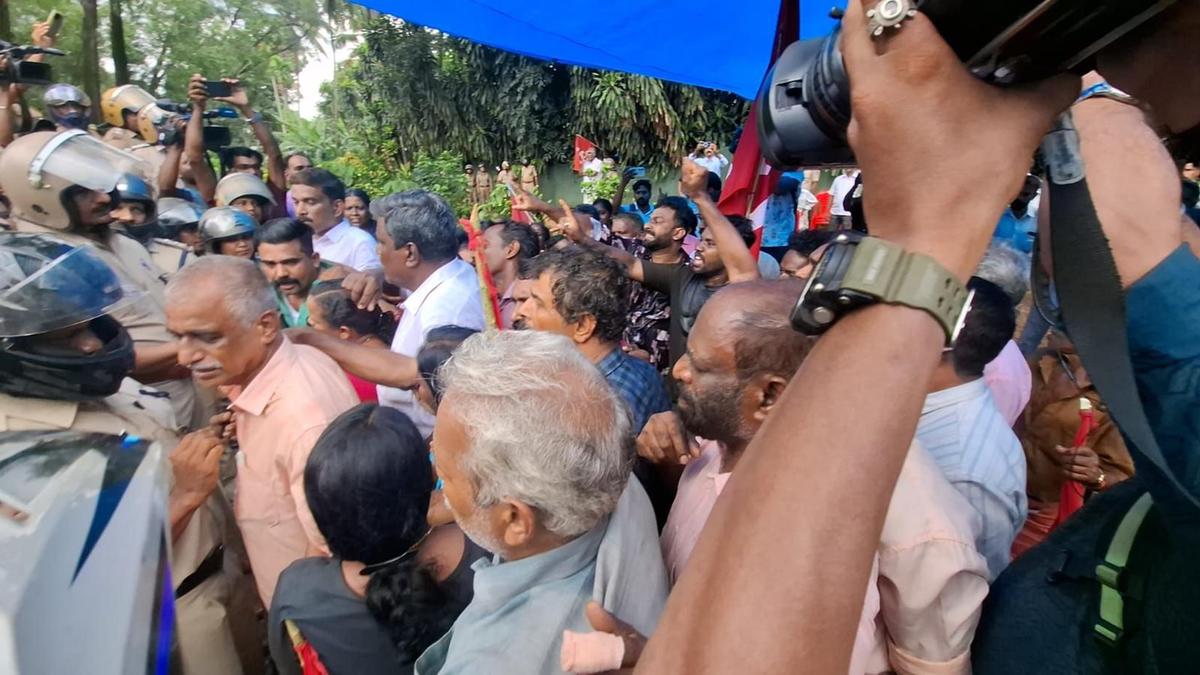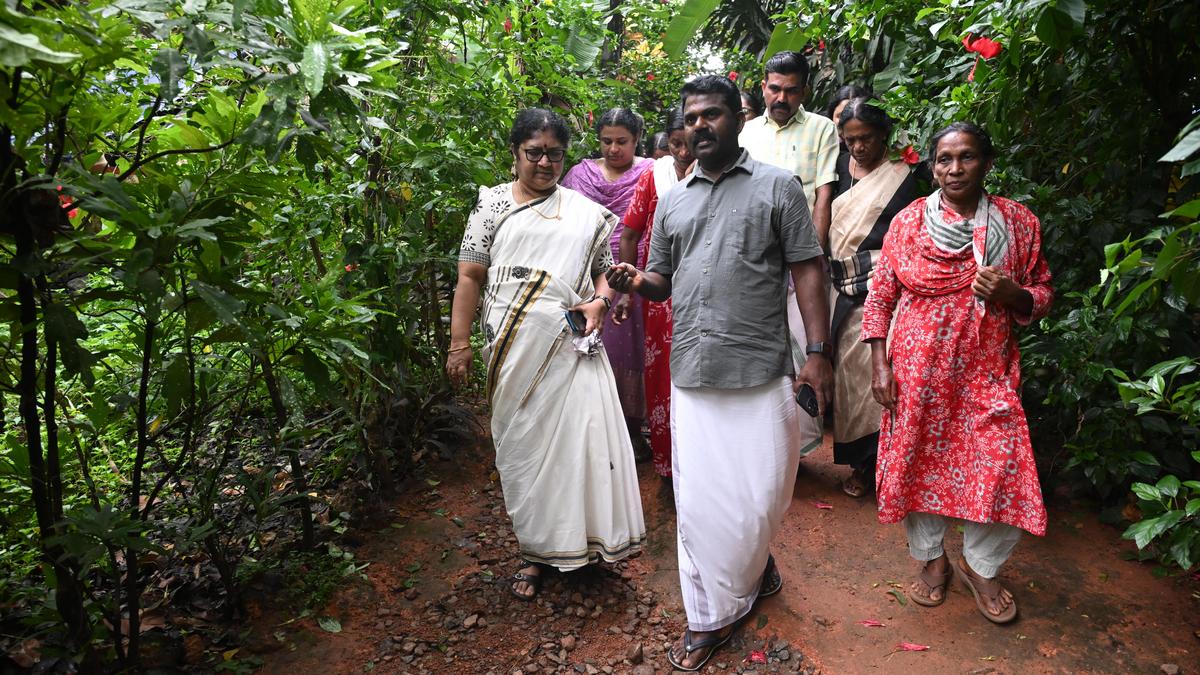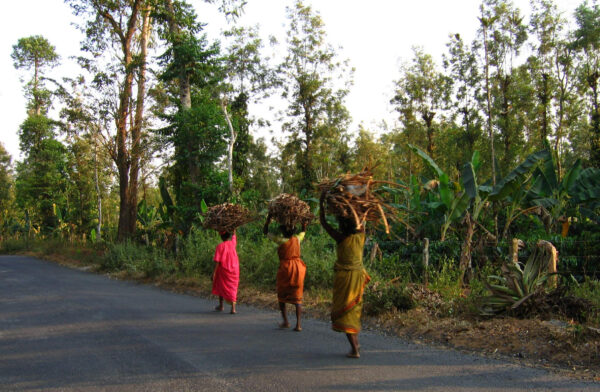
In July 2024, heavy rainfall triggered landslides that struck the southern Indian state of Kerala’s Wayanad district, killing 392 people, with at least 273 injured and 150 missing. Many of the victims were tea and cardamom estate workers and their families, communities descended largely from Dalit and Adivasi workers brought from the neighboring state of Tamil Nadu during British colonial rule. Dalit and Adivasi communities, officially classified as Scheduled Castes (SC) and Scheduled Tribes (ST), are among India’s most marginalized groups.
For decades, experts have warned that the Western Ghats, the mountain range where Wayanad is located, are ecologically fragile. Therefore, Wayanad’s vulnerability was well known. What happened and who lost their lives was not surprising.
What came after the disaster made it even clearer that this vulnerability was structural and not accidental. A draft beneficiary list excluded around 200 families who lost their homes in the flagship resettlement township. Those excluded were tribal families.
While the government eventually gave 13 ST families five acres of separate land in March 2026, nearly two years after the disaster, they were kept apart from the main township project.