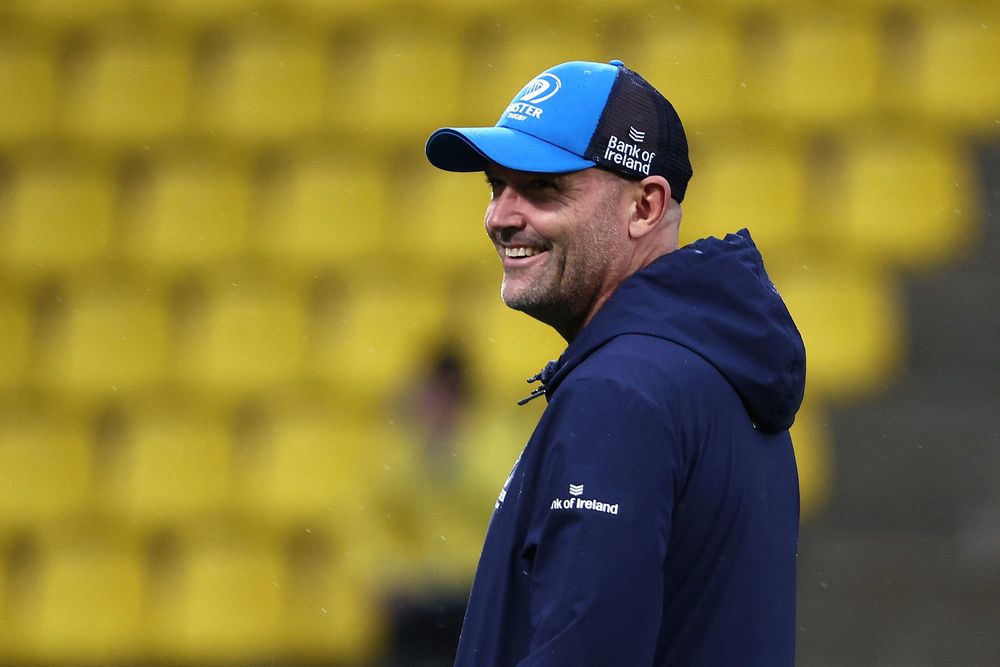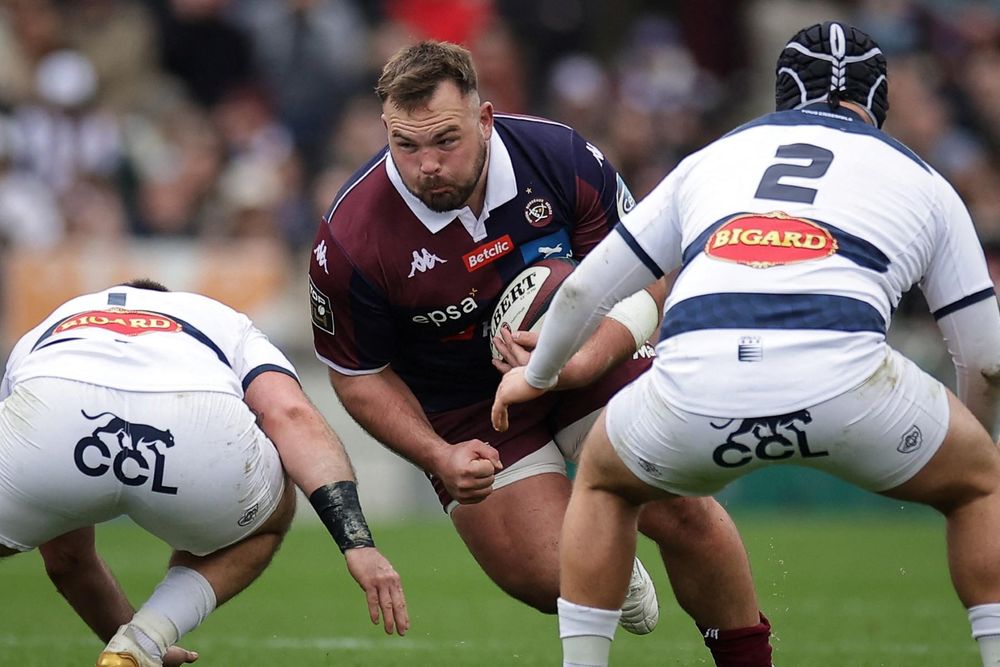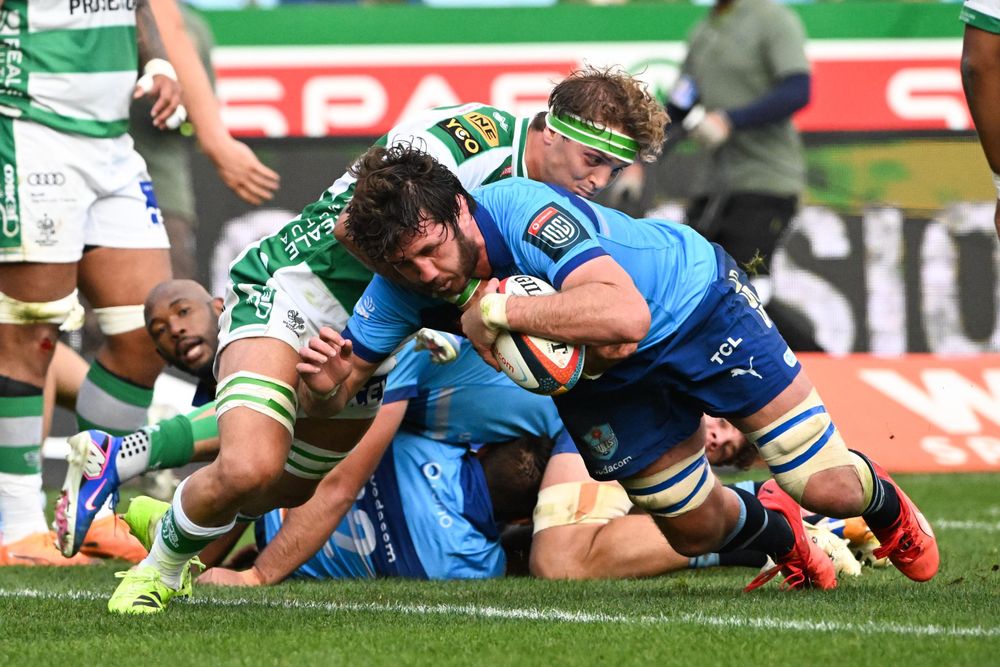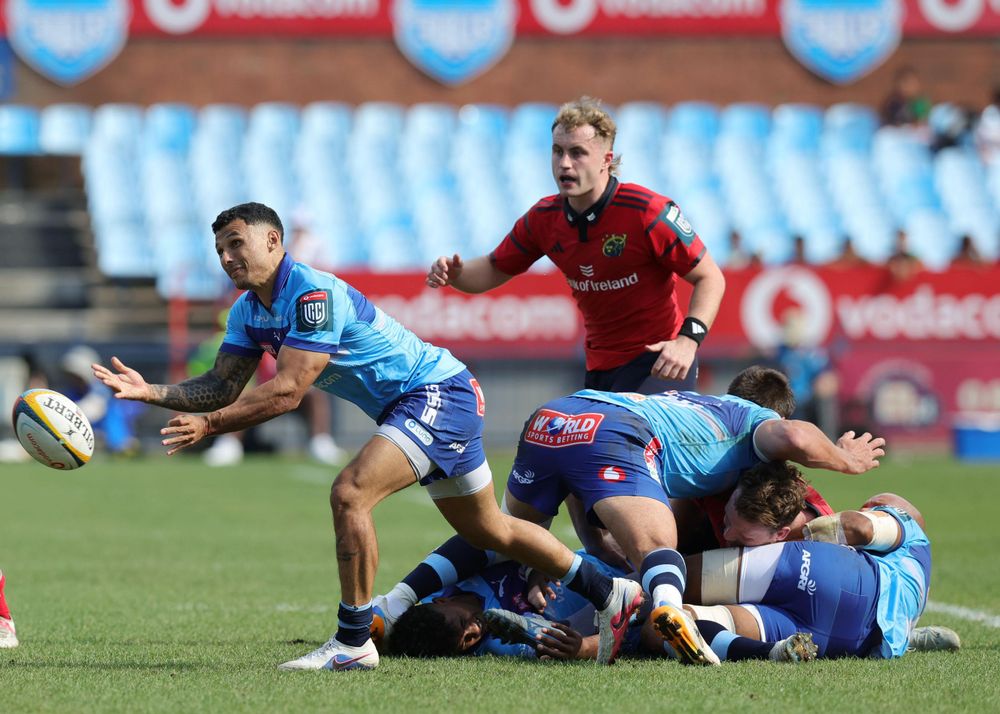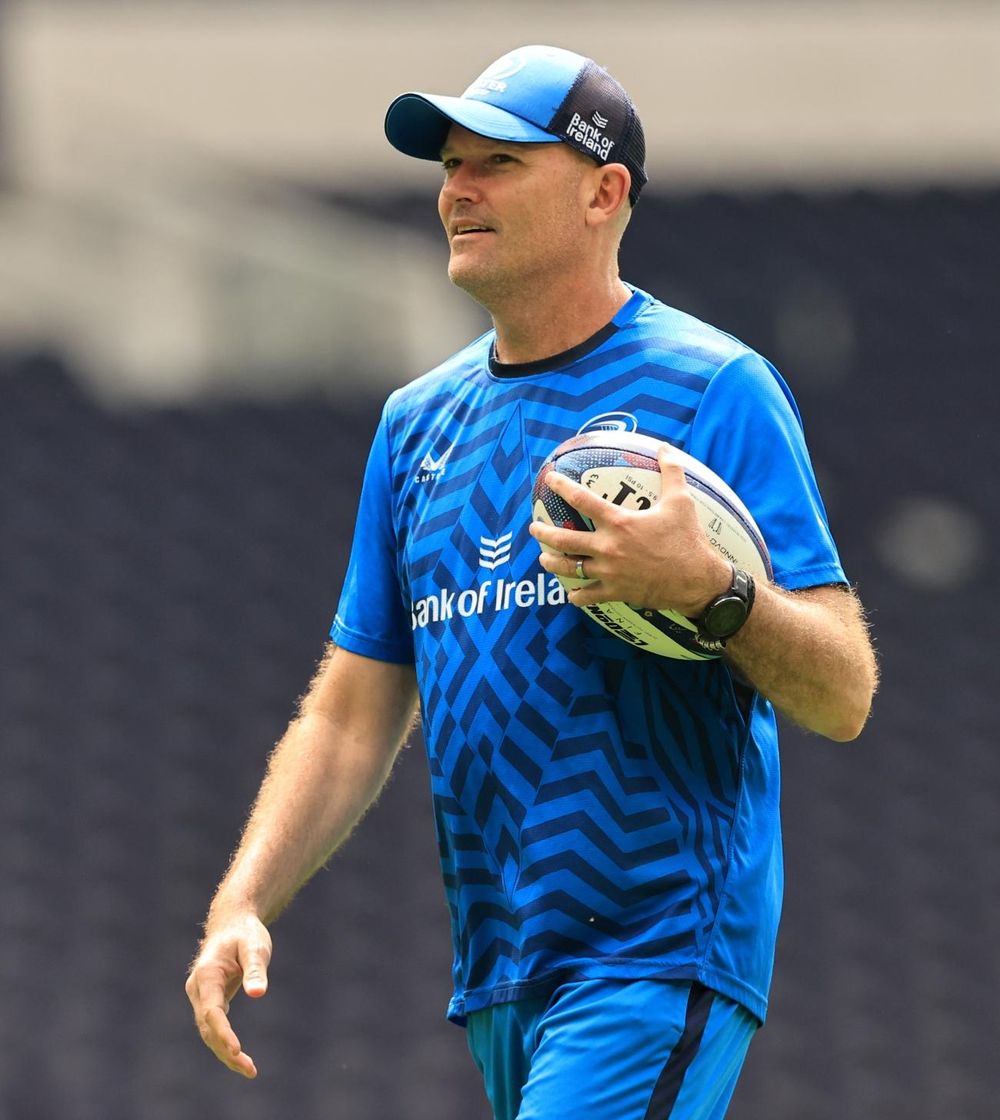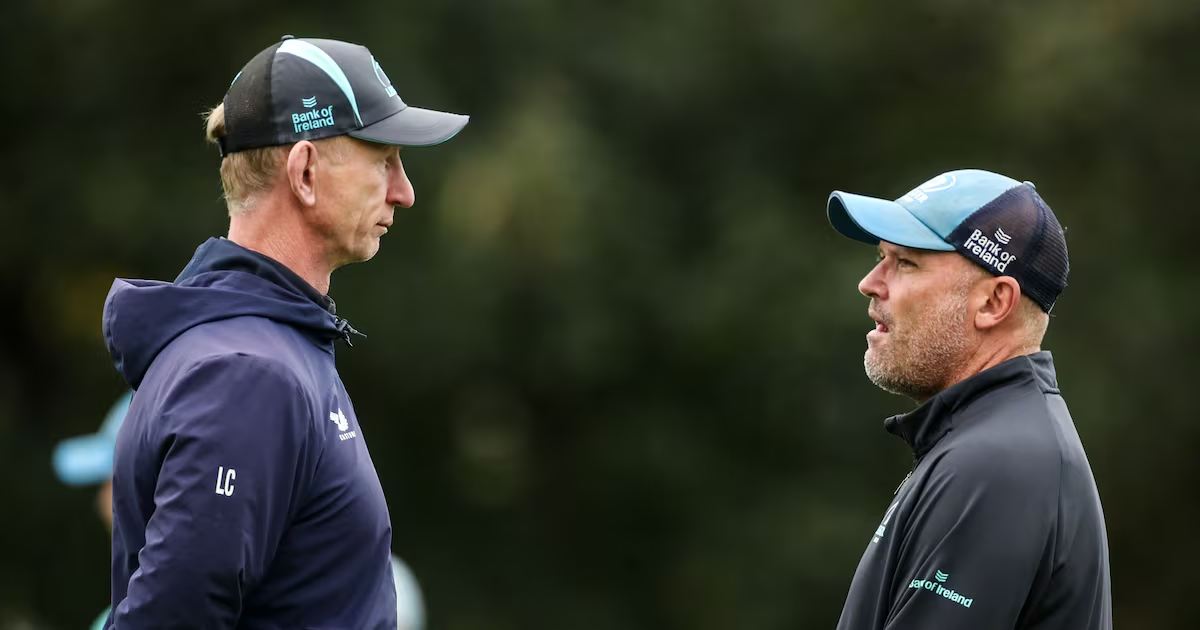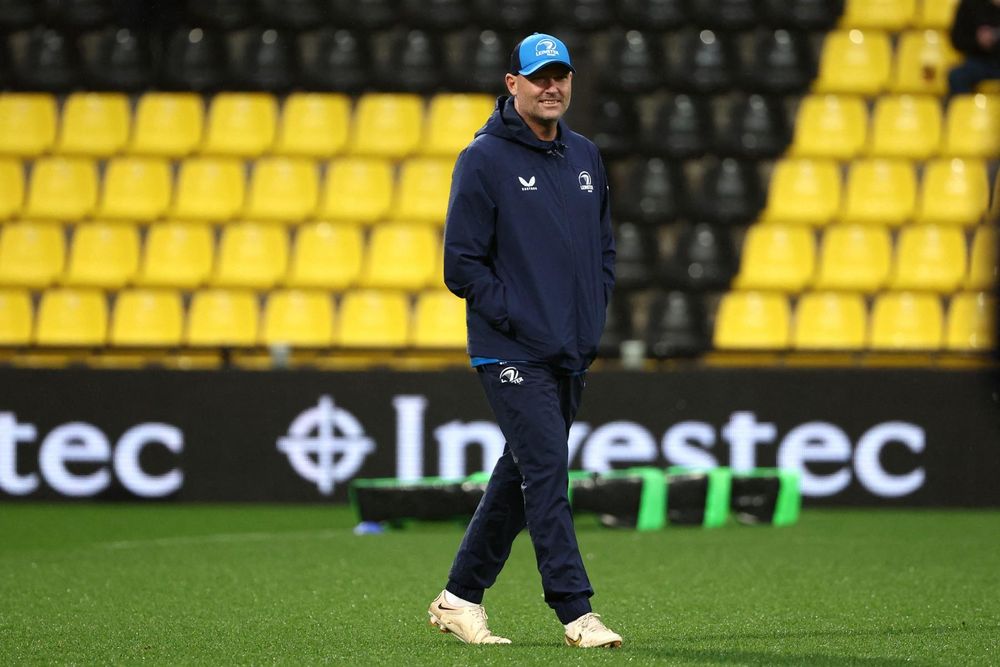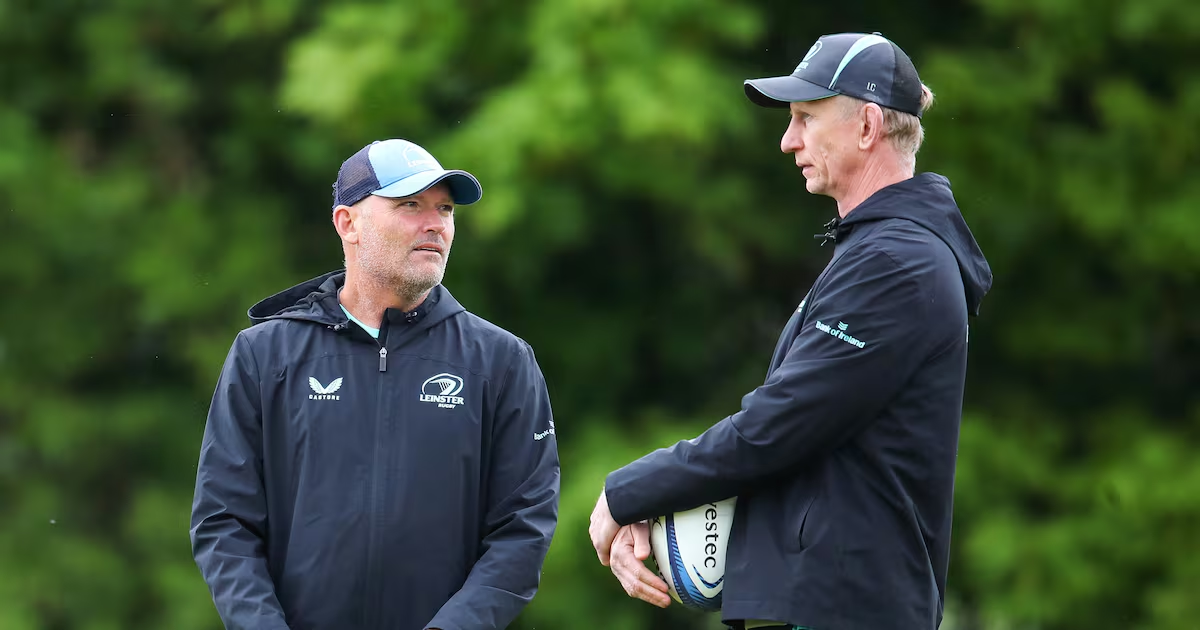
I had barely heard of Jacques Nienaber when Munster appointed him in 2016. He was Rassie Erasmus’s right hand man. That’s all we knew. Nienaber came to rugby as a physiotherapist, not a coach. His career followed a simple path: wherever Rassie went, he was not far behind.Sure enough, on Erasmus’s first day overseeing training at the University of Limerick, 10 years ago, it was the lesser-known assistant presenting to a room of Munster players and staff.That is when he asked us to forget what we thought we knew about defending. He arrived with a plan that everyone could see would take weeks, months even, to bed in. What immediately endeared Nienaber to the group was his quiet charisma. He’s funny, too. It’s some going to make 40 professional athletes laugh before flipping into deadly serious mode.[ If Leinster are to lift the Champions Cup, they must take it by violent, physical force ]After a few lean years at Munster, following the retirements of Ronan O’Gara and Paul O’Connell, the idea of winning silverware had escaped our collective consciousness. In that one season under the South Africans, Munster reached a semi-final, losing to the eventual Champions Cup winners Saracens. And then, like Keyser Soze and Mr Kobayashi in the 1995 film The Usual Suspects, they were away home to guide the Springboks to back-to-back Rugby World Cups.The lasting compliment I’d pay Nienaber is you wanted a pat on the back from him for making a dominant tackle within his system. Mainly because he empowered you to read the game and take big risks. It’s a similar environment to what Ireland have developed under Andy Farrell. You want to play for coaches like them. Imagine what might have been if Erasmus and Nienaber stayed in Limerick? The story of international rugby would not be the same, that’s for certain.I have found it dumbfounding over the past three seasons that Leinster shortcomings have been laid at Nienaber’s door. Or at least partly so.There is plenty of blame to be shared following last season’s semi-final loss to Northampton at the Aviva Stadium. But the defence coach appears to have shouldered the brunt of it.Speculation about him returning to South Africa to coach the Springboks again under Erasmus has been used as a stick to beat him in the media. What is he supposed to do, never return home? Presumably Leinster knew that was an inevitability when they hired him.Leo Cullen decided, after losing two straight European finals to La Rochelle with a squad of players that can fill every position on the Ireland team, that they had to make changes to the coaching staff. Leinster turned to Nienaber to provide the extra ingredient missing on the biggest day in club rugby.The Springbok/Leinster system is designed to shut down the all-encompassing attack Bordeaux-Bégles will bring to Saturday’s final in Bilbao. Under the South African system, Garry Ringrose is empowered to rush out of the line to break the connection between the best outhalf in the world and rugby’s most lethal finisher.Leinster's Garry Ringrose tackles Rekeiti Ma'asi-White of Sale Sharks in the Champions Cup quarter final last month. Photograph: Dan Clohessy/INPHO On paper, Ringrose’s tackling returns have dipped since he started working with Nienaber. In reality, Ringrose has become one of the most effective defenders in every game he plays.Ringrose could miss seven tackles against Bordeaux and still win man of the match. If five of his attempted hits send Damian Penaud back inside to be flattened by loose forwards, like Josh van der Flier or Caelan Doris, thereby denying Bordeaux gainline possession for Matthieu Jalibert to find Louis Bielle-Biarrey and Salesi Rayasi on the edge then Leinster are halfway to a fifth European title.Ringrose’s job is to ground the ball carrier in midfield, but he enters contact with such ferocity (while maintaining his technique) that forcing the man inwards creates opportunity for a turnover. That, in simple terms, is how the Springbok defence under Nienaber won the 2019 and 2023 World Cups.It might not matter. Bordeaux are the defending champions, boasting a squad of French, Tongan and Fijian internationals who can win games any which way.Take the three knockouts wins in Europe this season when they ran in 18 tries against the Leicester Tigers (nine), Toulouse (four) and Bath (five). Four of the 18 tries came from the lineout maul. Three of these maul tries were needed to overcome Toulouse in an epic quarter-final.Seven of the 18 tries were a direct result of their power game. The former Wallaby, now Tongan, lock Adam Coleman and Ben Tameifuna broke Toulouse and Bath. Tameifuna is the ultimate impact sub. It’s like Leinster having to face Will Skelton all over again.Take the fourth and killer try against Bath in the semi-final. Bordeaux had a five-point lead with 11 minutes to play when “Big Ben” stood over a five-metre penalty. It took four bodies to hold him up, inches short. Maxime Lucu, the French scrumhalf, slingshot two giant bodies at the try line, all the while knowing that Tameifuna was up and rolling around the corner. Two Bath forwards were never going to be enough to stop him from two yards.Leinster are forewarned, but it might not matter.I think the winning and losing of this final will come down to how well each team can land counterpunches. Because there will be tries.The other seven Bordeaux tries since the Pool stages were down to their superstars; Jalibert’s slick passing or kicks in behind and Bielle-Biarrey’s wheels.The winger stutter-stepped down the Irish right wing for a brilliant score during the Six Nations and he took Leicester apart from 60 metres in the Last 16. Twice.Bordeaux aim to kill the opposition with their opening gambit. Be that a Lucu chip for Bielle-Biarrey to sprint down the short side or a clever Jalibert punt into the 22 that forces Hugo Keenan to concede an early lineout near the whitewash.It could come down to accuracy off the kicking tee. Lucu has an 82 per cent kicking return in the tournament this season. Harry Byrne is 85 per cent. A machine-like return will be needed at the San Mamés Stadium. In the 2018 final, Leinster beat Racing 92 thanks to a perfect five from five penalties from Johnny Sexton and Isa Nacewa. In 2008, O’Gara went four from four to see off Toulouse. Both were three point games. There is no margin for error. It’s also set up for Ciarán Frawley to come off the bench and win it with a drop goal. Like he did in South Africa two years ago. Whatever happens, I know that Nienaber will have worked through the night to simplify the game plan for each individual player.There would have been a visual presentation. The Leinster players will walk into the team room to see a wall covered in Bordeaux lineouts from their last 10 games. The next wall will have every scrum launch and Noel McNamara’s most effective moves from the attack coach’s playbook. Nienaber will pull each unit aside, like the Leinster locks James Ryan and Joe McCarthy, to tell them: “You just focus on these three Bordeaux lineouts.” The messaging is clear: You are ready.
Conor Murray: Nienaber’s Springbok defence may not matter against all-out Bordeaux attack
Leinster’s opponents in Champions Cup final are a side packed with internationals who win games any which way
1,199 words~5 min read