‘You can’t really trivialise a myth; you can only fail to make it your own,’ says Yann Martel.
| Photo Credit: Tammy Zdunich Photography
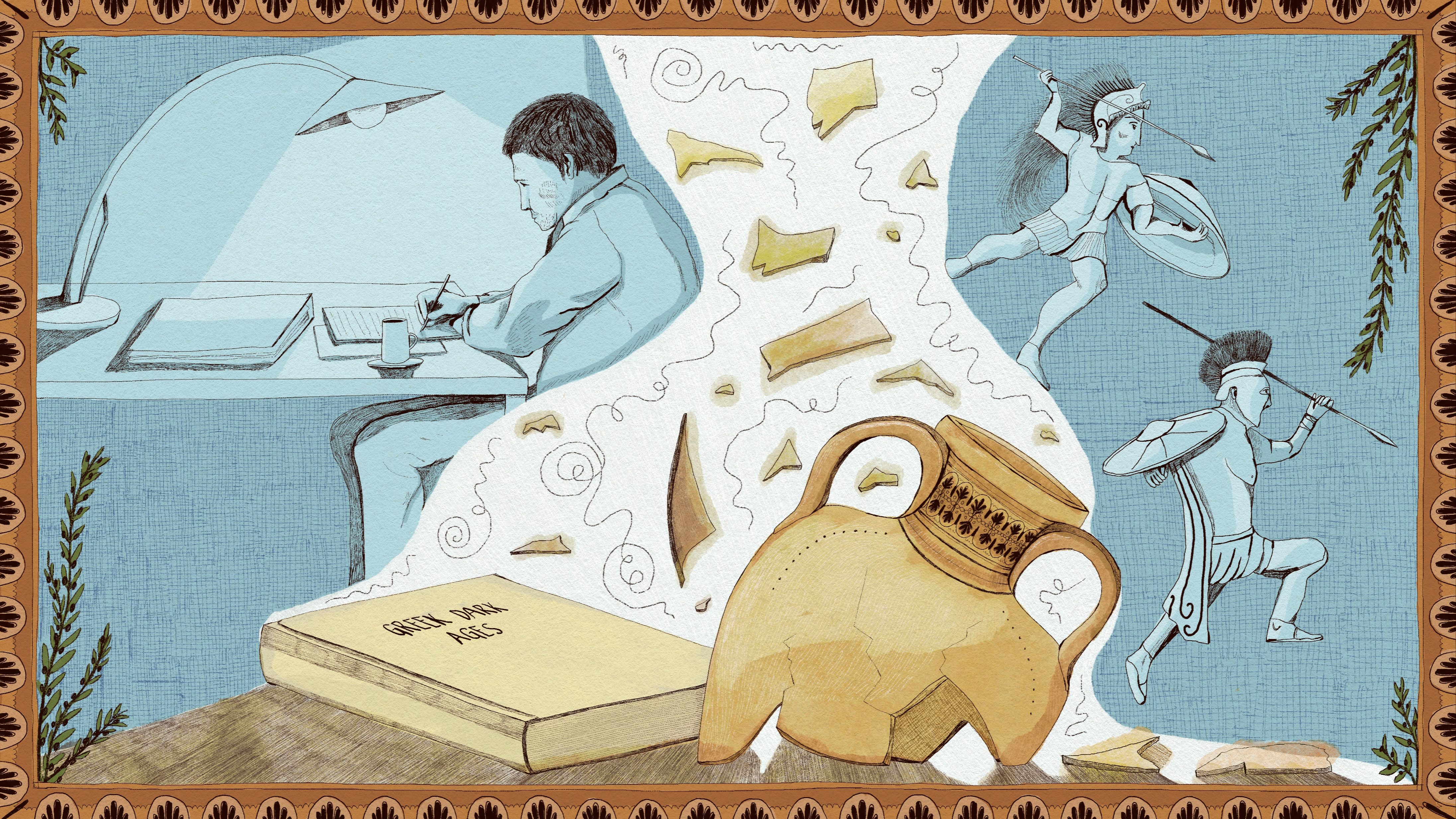
In his first novel in a decade, Canadian author Yann Martel — best known for the 2002 Booker Prize-winning Life of Pi — explores the animus of the Trojan War through a fragile marriage. But Son of Nobody (Canongate) is also much more than that. Martel narrates the two tales and the bridges between them as a translation of a fictitious new myth — “The Psoad” — and its footnotes. The result is an inventive meditation on myth, memory and the stories people tell to survive disappointment. Excerpts from an interview:
In Life of Pi, the revelation that Pi’s story might be a fantasy arrives as a shock. In Son of Nobody, the hints that Harlow, the protagonist, may be projecting “The Psoad” accumulate from early on. Did you want the reader to suspect Harlow sooner than they suspected Pi?
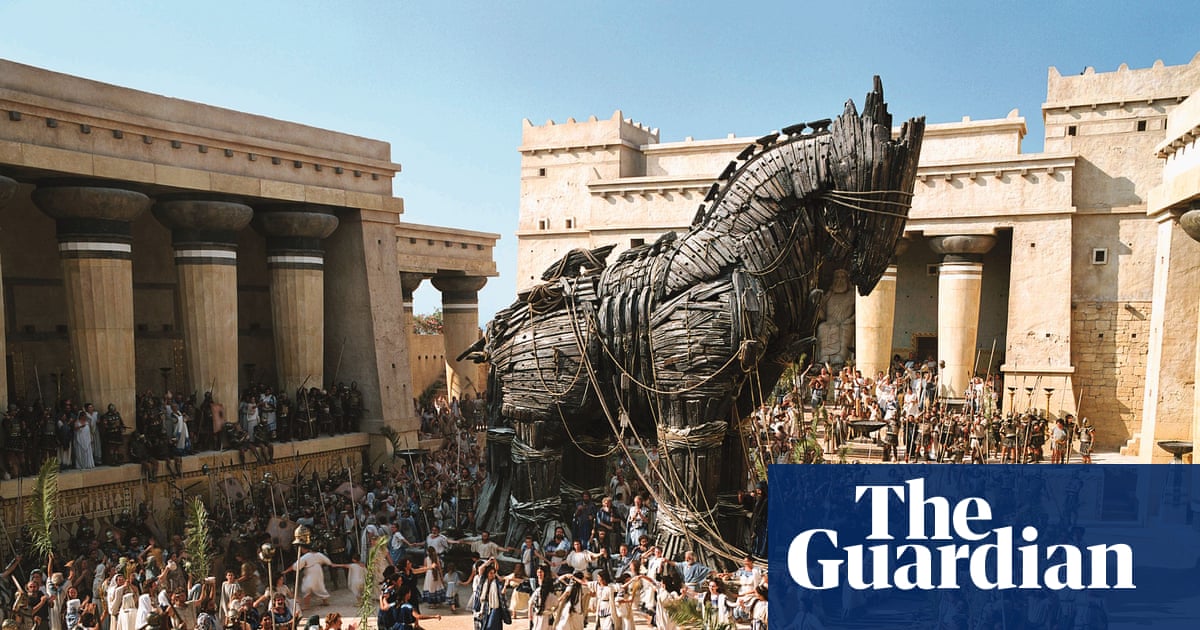
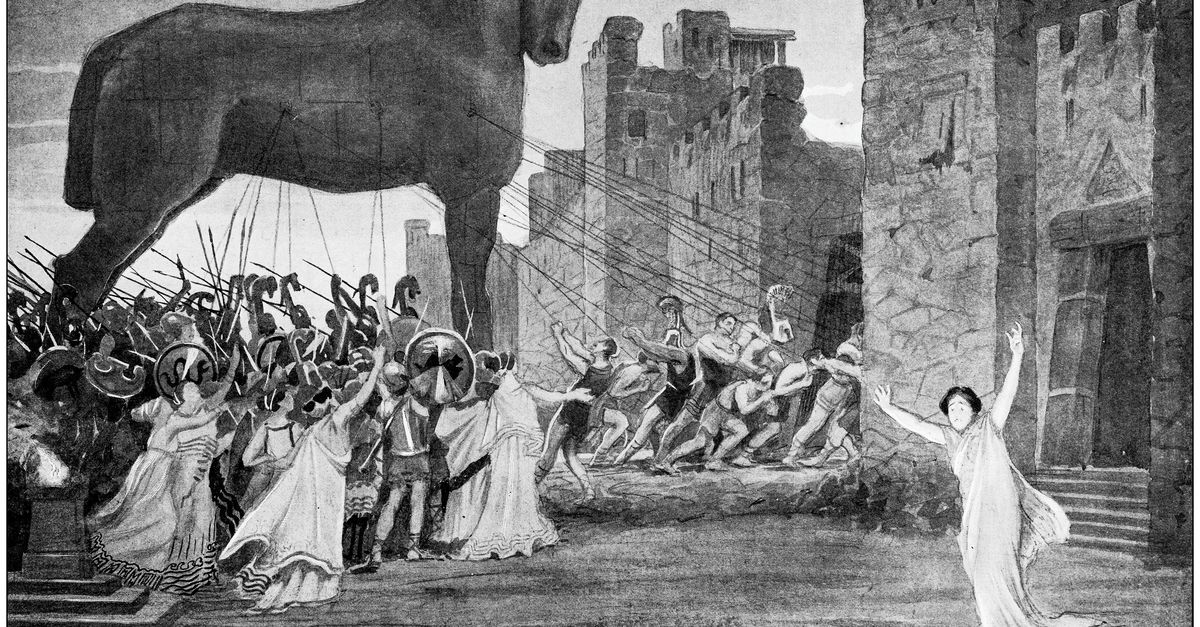
In Life of Pi, I wanted to point out in stark terms that life can be read in radically different ways. In this case, either in a flatly possible way [the story without animals], or in a less plausible, more satisfyingly colourful way [but just as harrowing — the story with animals]. I wanted to present that choice only at the end, when all the evidence, so to speak, was presented. In Son of Nobody, it isn’t a question of choice. “The Psoad”, the lost Trojan War epic at the centre of the novel, isn’t a replacement for The Iliad; it’s rather a supplement. The two stories aren’t in competition, as they are in Life of Pi. As I point out in the novel, The Iliad is a myth, with no historical facts to back it. Throughout the novel, I remind the reader of this. The intent is not to diminish Homer but rather to point out that The Iliad’s underpinnings are no more solid than those of “The Psoad”. Both stories are myths. That being so, I didn’t want to claim in the novel that Harlow’s discovery rested on a solid archaeological find, because that’s beside the point. A newfangled story is no less true [or false] than an old myth.