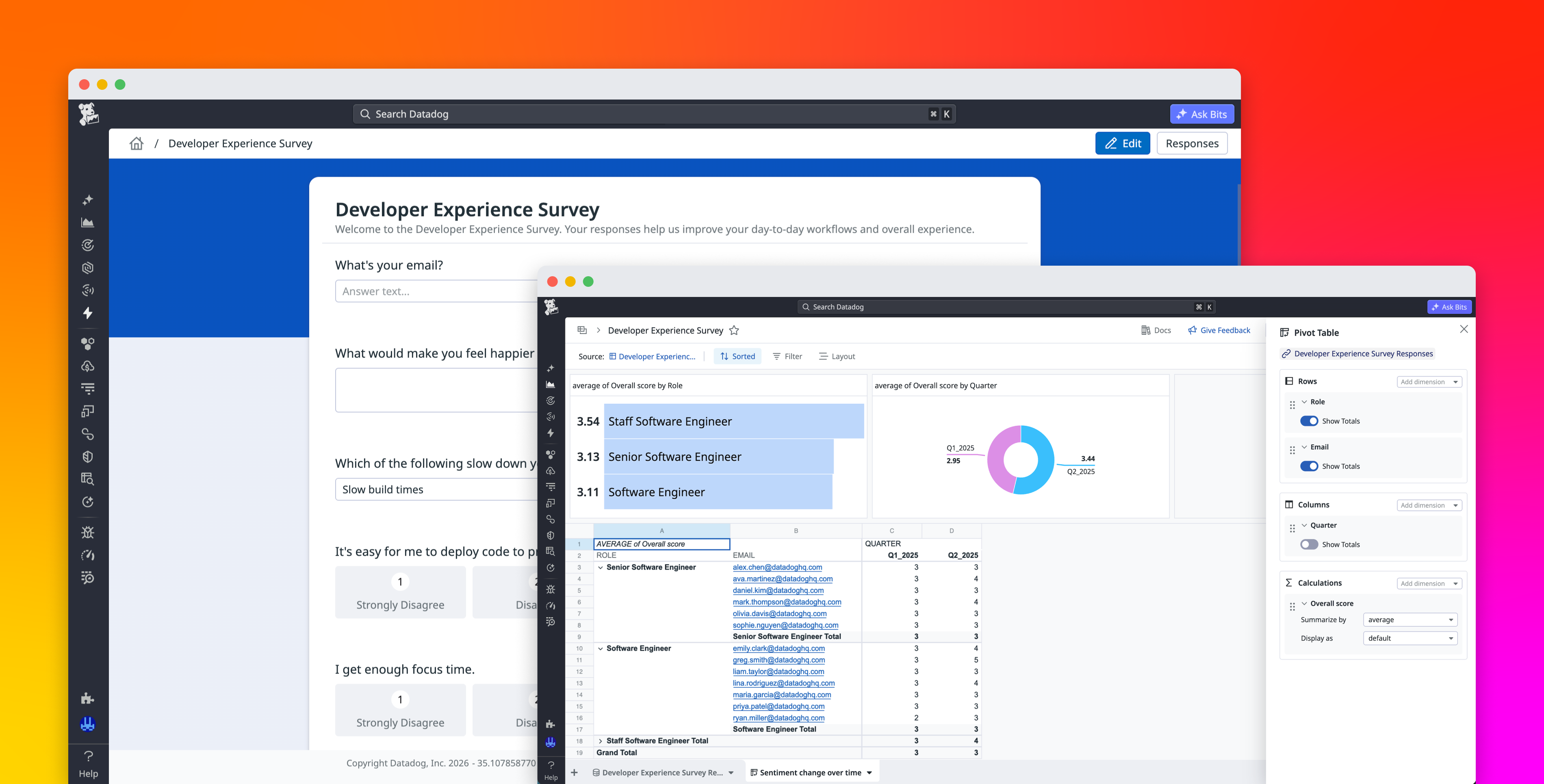
Engineering organizations rely heavily on developer feedback to improve internal platforms, tooling, and processes. However, that feedback is often scattered across disconnected systems such as external forms, spreadsheets, chat threads, and documentation tools. Because these systems are separate from operational data, teams struggle to correlate developer sentiment with measurable performance or reliability outcomes. This disconnect makes it difficult to prioritize improvements or identify systemic issues early.
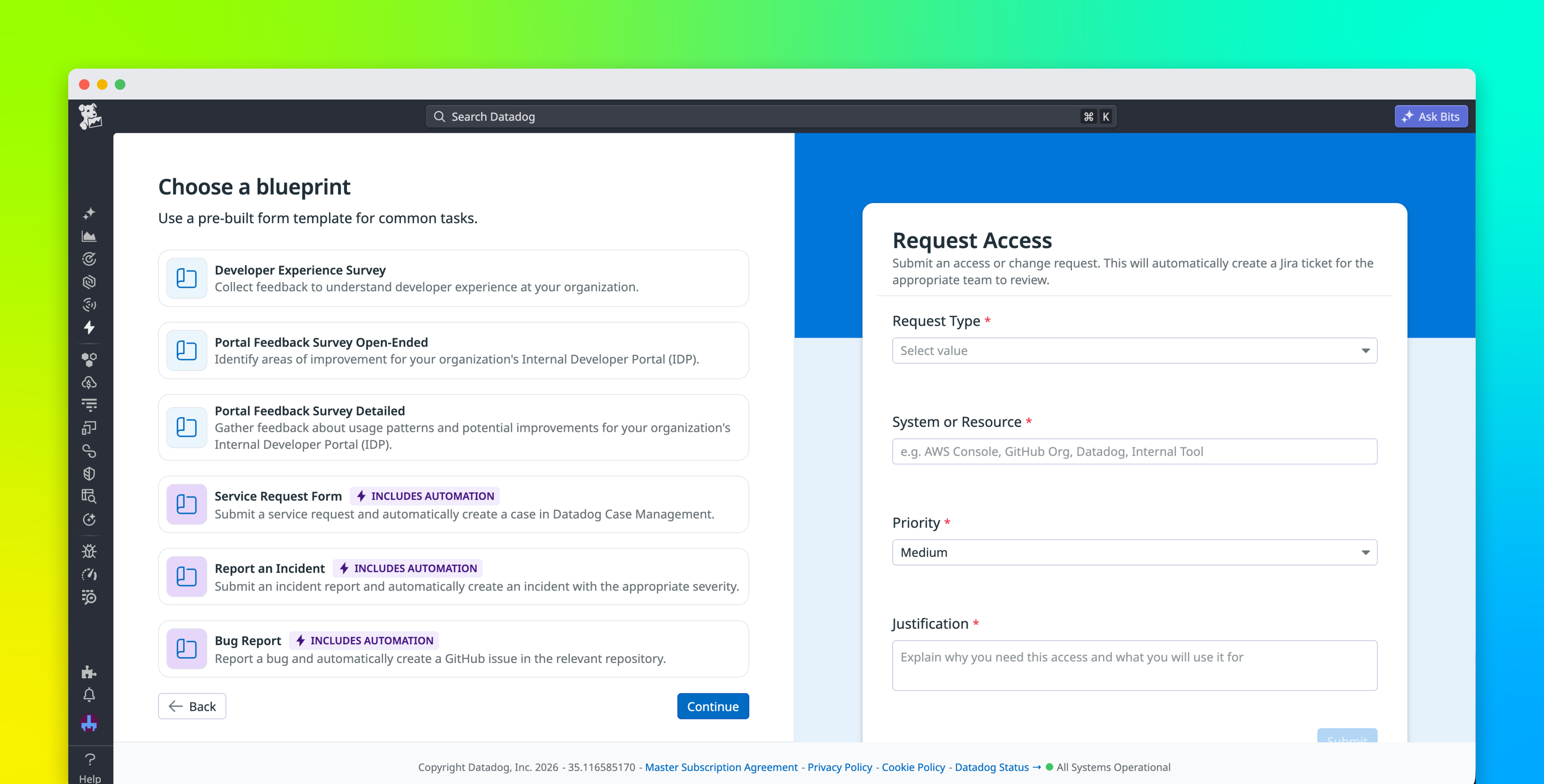
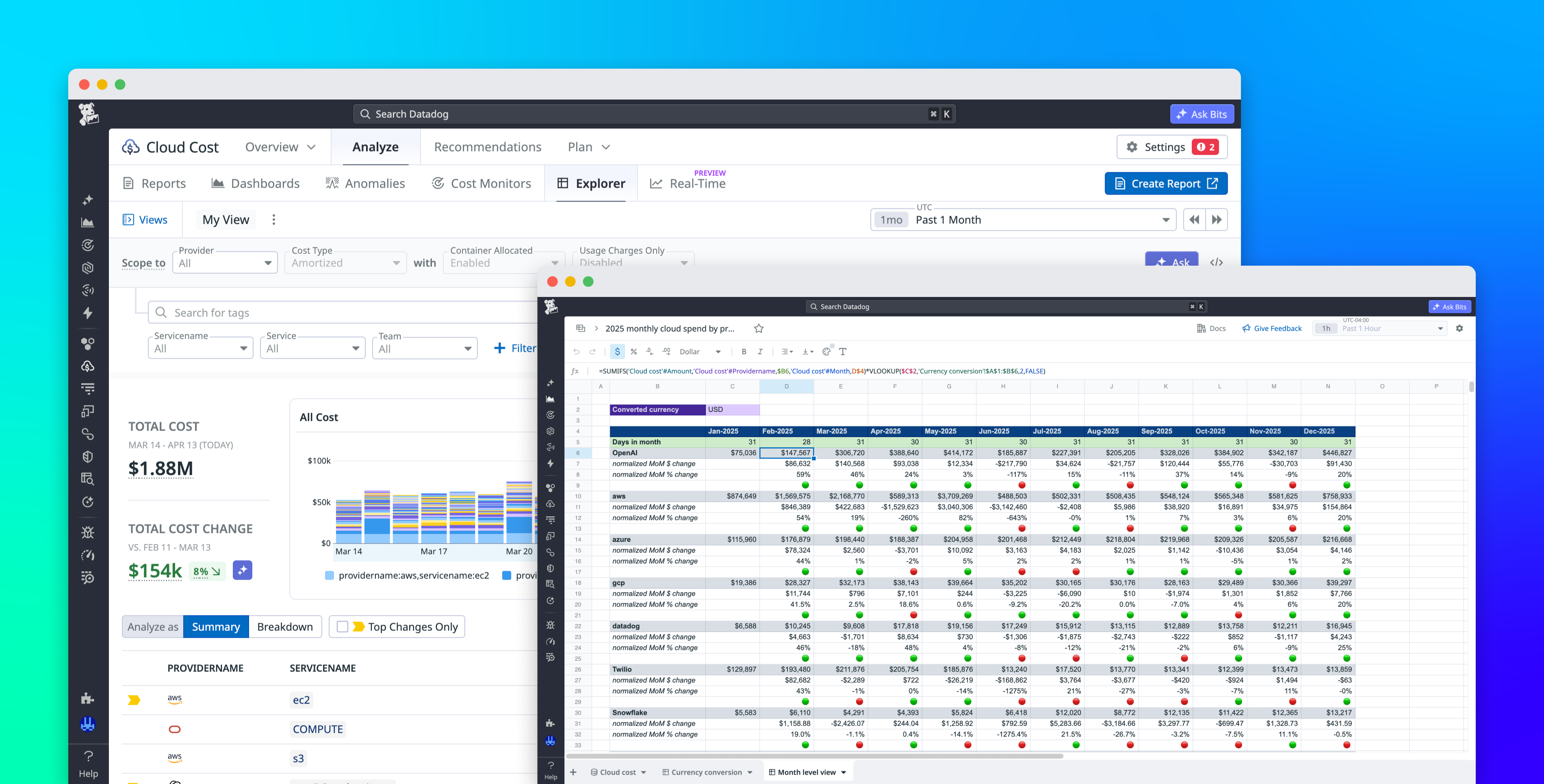
To help solve these challenges, you can use Datadog Forms and Datadog Sheets in the same environment where your teams already operate. Forms enables you to create structured surveys and view feedback directly within Datadog, and Sheets helps you analyze responses alongside telemetry data and contextual metadata by using a familiar spreadsheet interface. By combining these capabilities, you can move from fragmented feedback to clear insight that you can act on.
In this post, we’ll explain how you can use Forms and Sheets together to:
Collect structured feedback directly within DatadogReview and act on feedback as you receive itAnalyze responses over time and enrich them with useful metadataAggregate data and identify trends