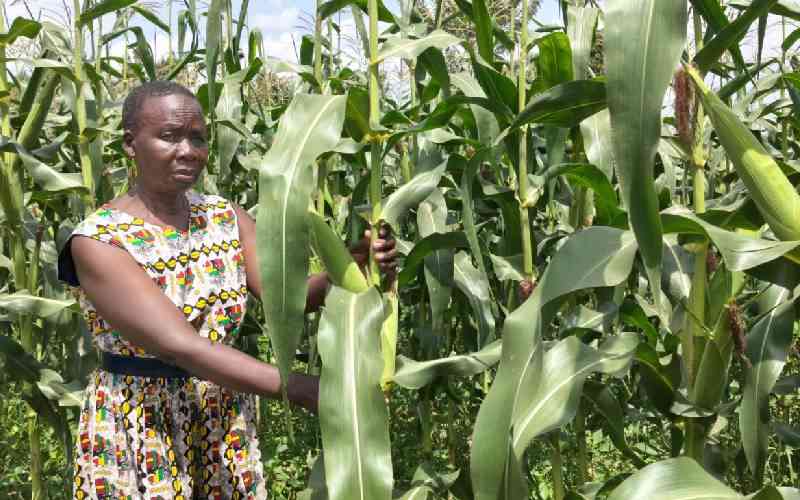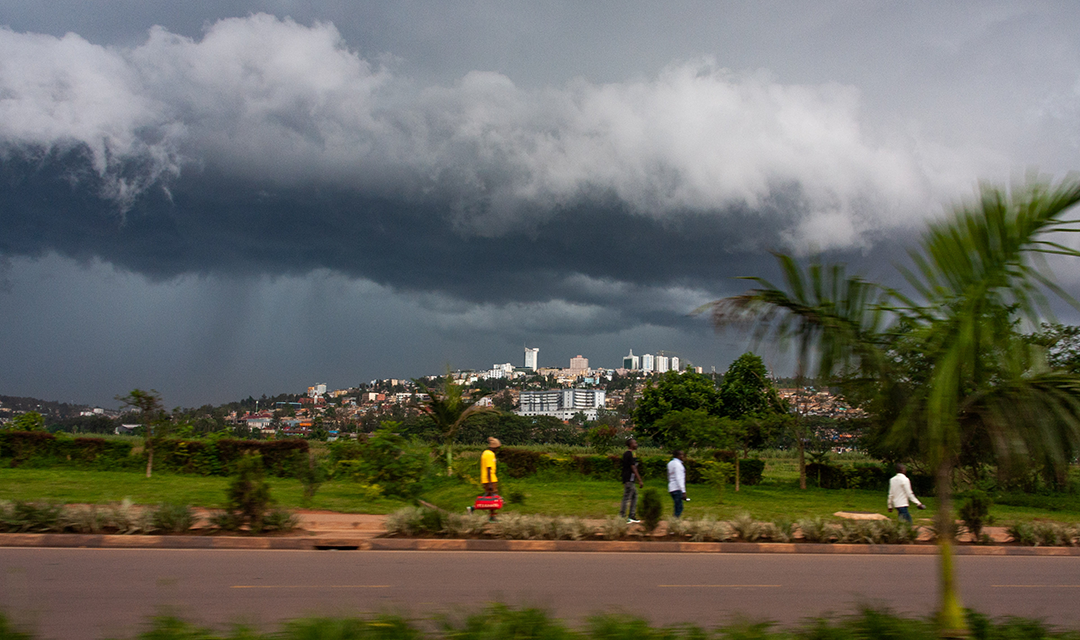
As weather conditions become more unpredictable, agriculture yields grow increasingly uncertain. In Rwanda, rising temperatures and fluctuating rainfall patterns are shifting traditional growing seasons by one to two months and reducing rainfall predictability, making it harder for Rwandan farmers to reliably plan optimal sowing times. These changes will compound food insecurity in Africa, where 20 percent of the Sub-Saharan population faced undernutrition in 2021.
CMU-Africa student Stephen Augustine is addressing this problem by researching a hybrid rainfall forecasting methodology that combines data-driven predictive SARIMA and Hidden Markov models (HMMs) with agglomerative clustering.
Source: College of Engineering
By grouping together sectors with similar rainfall, researchers can account for microclimatic variation within Rwanda without having to create hundreds of individual forecasting models.
SARIMA models are statistical analysis tools that use time series data to forecast future trends, especially those with seasonal patterns like rainfall. The SARIMA models in this research can predict rainfall up to four weeks ahead.