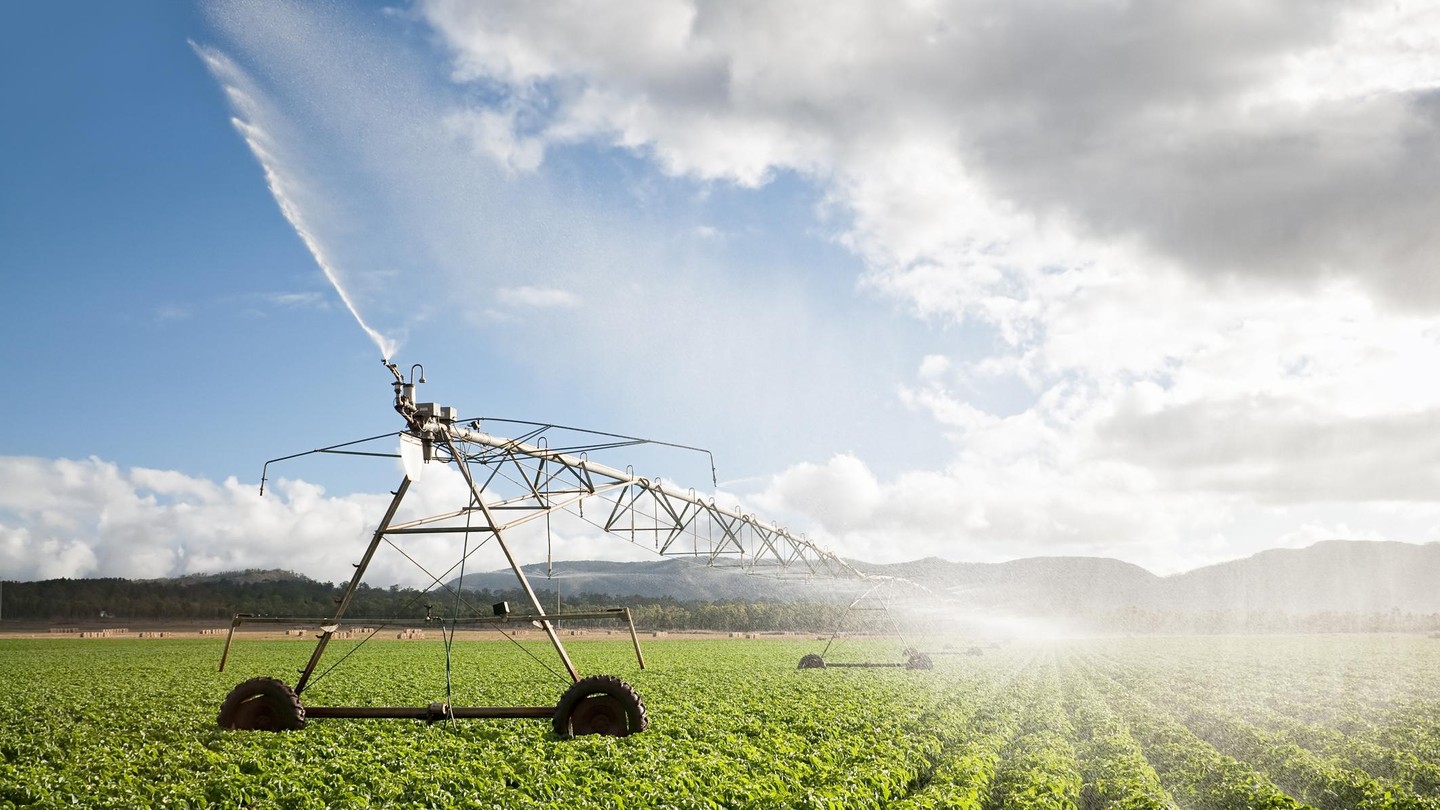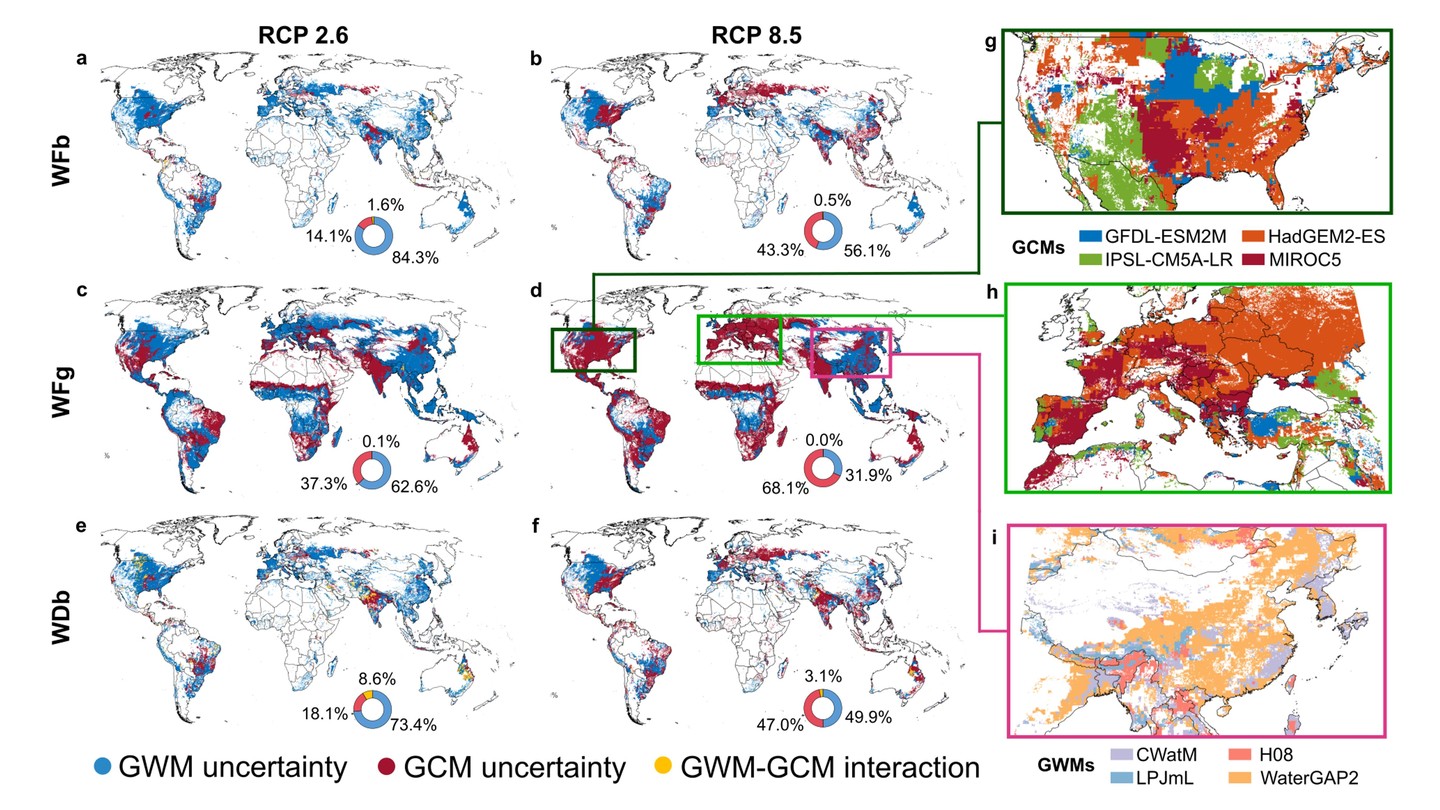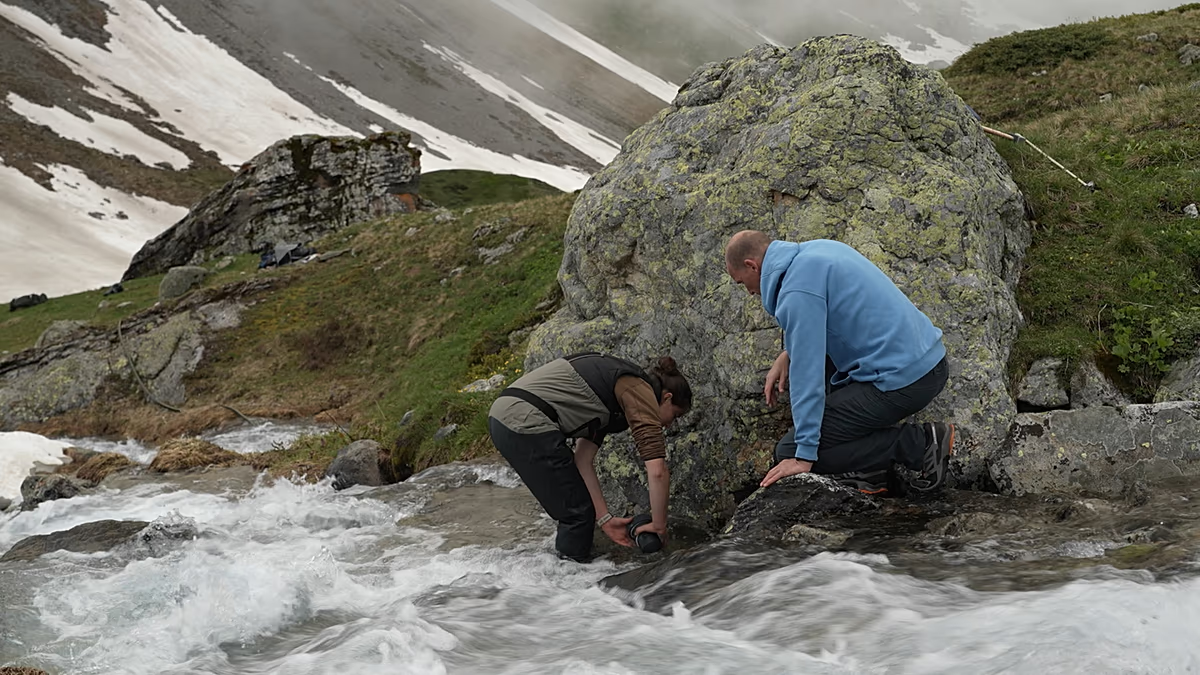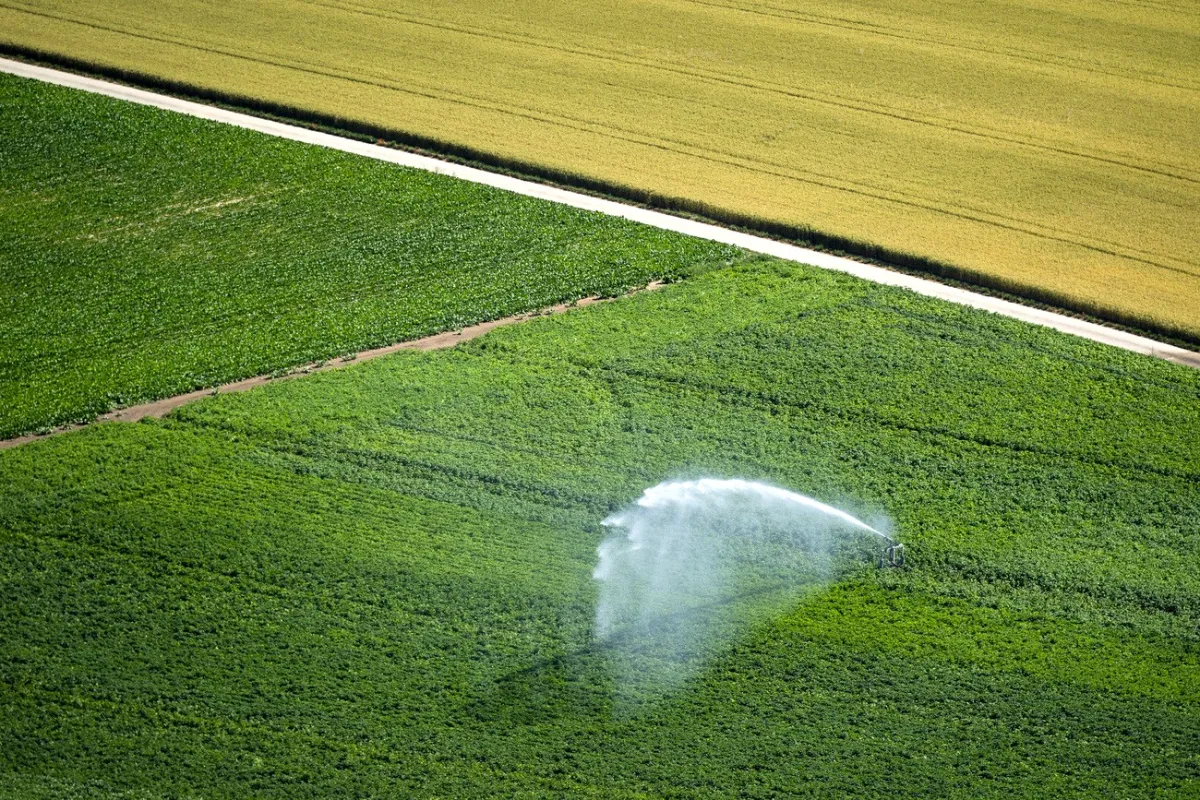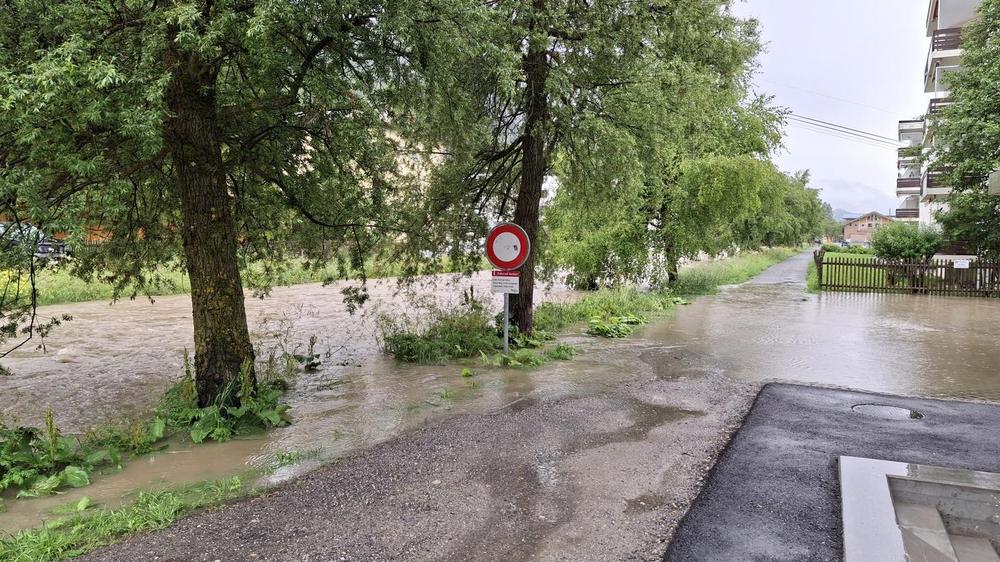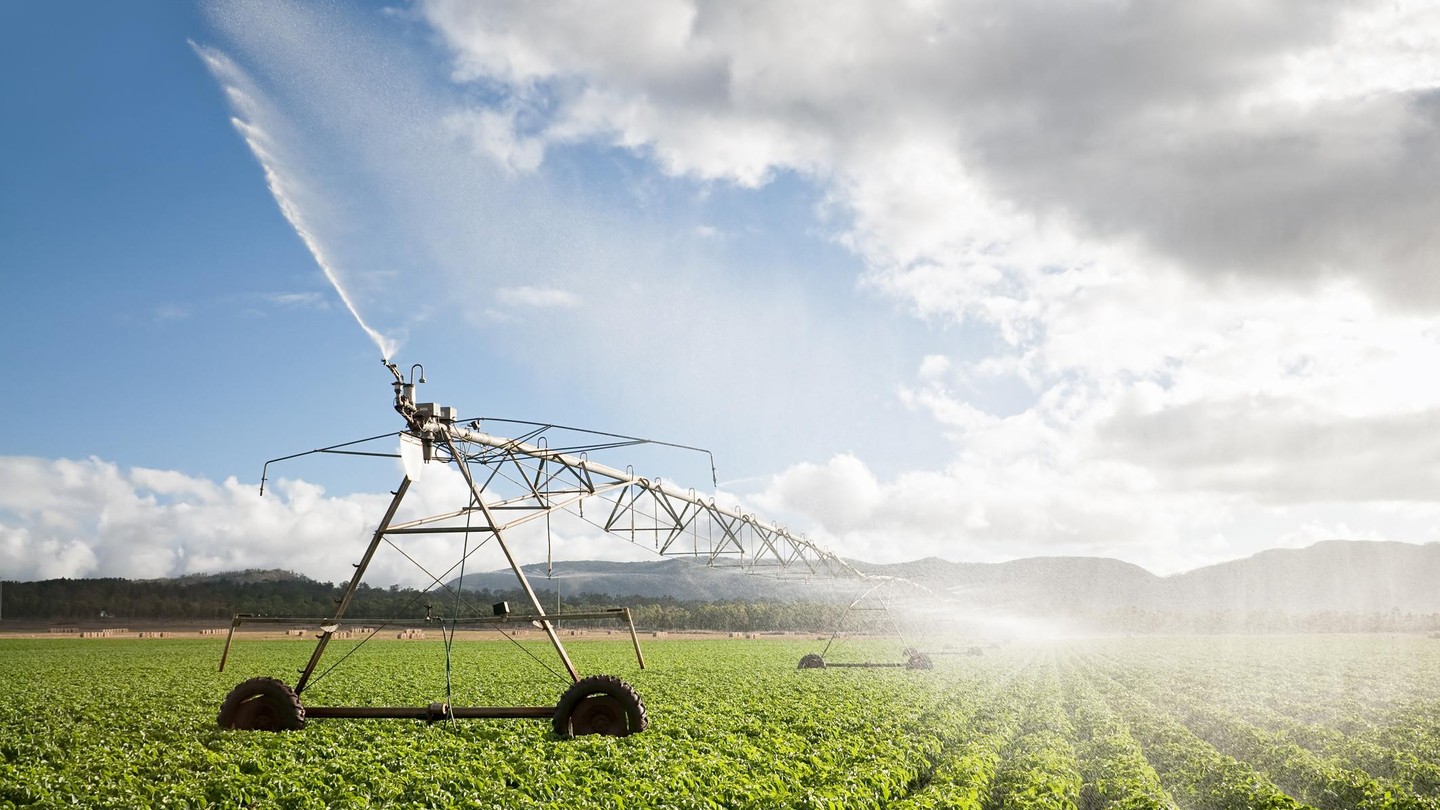
EPFL researchers developed a method to quantify how uncertainty in climate and hydrological models affects estimates of future crop water needs and sustainability.A new notification of the weather pops up warning of yet another heatwave across Switzerland. With this being the third in just over a month, it is a reminder that heatwaves are becoming more frequent and intense, amplifying the risk of severe droughts and increasing uncertainty in future water availability. As a result, decision-makers increasingly depend on reliable projections.The problem is that different climate and hydrological models can produce substantially different projections. To assess the implications of these differing estimates, a team of EPFL researchers led by Sara Bonetti, Tenure Track Assistant Professor at the Laboratory of Catchment Hydrology and Geomorphology, combined multiple global models and quantified how uncertainty propagates into estimates of crop water requirements and water-use sustainability.The study, published in Nature Communications Earth and Environment, found that by the end of the century, projected global green water footprints (rainwater stored in the soil and consumed by crops) could vary by as much as 18% across models, while projected blue water footprints (irrigation water withdrawn from rivers and aquifers) could vary by as much as 51%. Bonetti notes that although uncertainty cannot be eliminated, quantifying it can help decision-makers account for the broader range of plausible future conditions.Balancing water resourcesWeather projections rely on a range of climate and hydrological models that provide valuable information on climatic patterns and crop water needs. However, these models can differ significantly regarding predictions in rainfall amounts and water availability. “In many cases, it is still common practice to rely on a single model,” notes Bonetti. “This should change.”Planning based on the results of a single model may either overestimate or underestimate future irrigation needs. “If you plan assuming lower irrigation needs than those that eventually materialize, then water allocations may prove insufficient, but if you plan for much higher irrigation than necessary, you risk wasting water,” says Bonetti.Uncertainty was even greater for blue water sustainability, a measure of how quickly rivers and aquifers can replenish the water withdrawn for irrigation, ranging from 250% to 451% depending on the climate scenario and model combination.This is particularly important because water resources must be shared among multiple sectors and uses. Water is not only used for agriculture; it is also essential for hydropower generation, drinking, and ecosystem preservation. Efficient water management therefore requires balancing the available resources among these competing demands. “Uncertainty in future irrigation demand directly translates into uncertainty in these different competing needs,” explains Bonetti. “Water planning should thus be robust across a range of plausible climate and hydrological futures.”Switzerland: a complex hydrological systemAlthough the study is global, its findings have direct relevance for Switzerland, where more frequent summer droughts are expected to increase irrigation demands.Switzerland’s hydrology is especially complex, as its seasonal dynamics are shaped by a variety of mountain processes, including glacier melt and snow dynamics. These factors make future projections particularly uncertain under climate change. “The complexity of Switzerland’s hydrology makes it especially important to account for uncertainty when assessing future water needs and availability,” says Bonetti.Towards higher-resolution regional modelsBonetti and her team are now working on more detailed regional models to assess not only water use but also soil health and the effects of irrigation and fertilizer management on crop yields. “We aim to develop a comprehensive, location-specific view and determine how agricultural systems can best adapt,” says Bonetti. Such insights could help policymakers and farmers develop targeted adaptation strategies and build more resilient agricultural systems in a changing climate.
Managing agricultural water under uncertainty
EPFL researchers developed a method to quantify how uncertainty in climate and hydrological models affects estimates of future crop water needs and sustainability.
592 words~3 min read