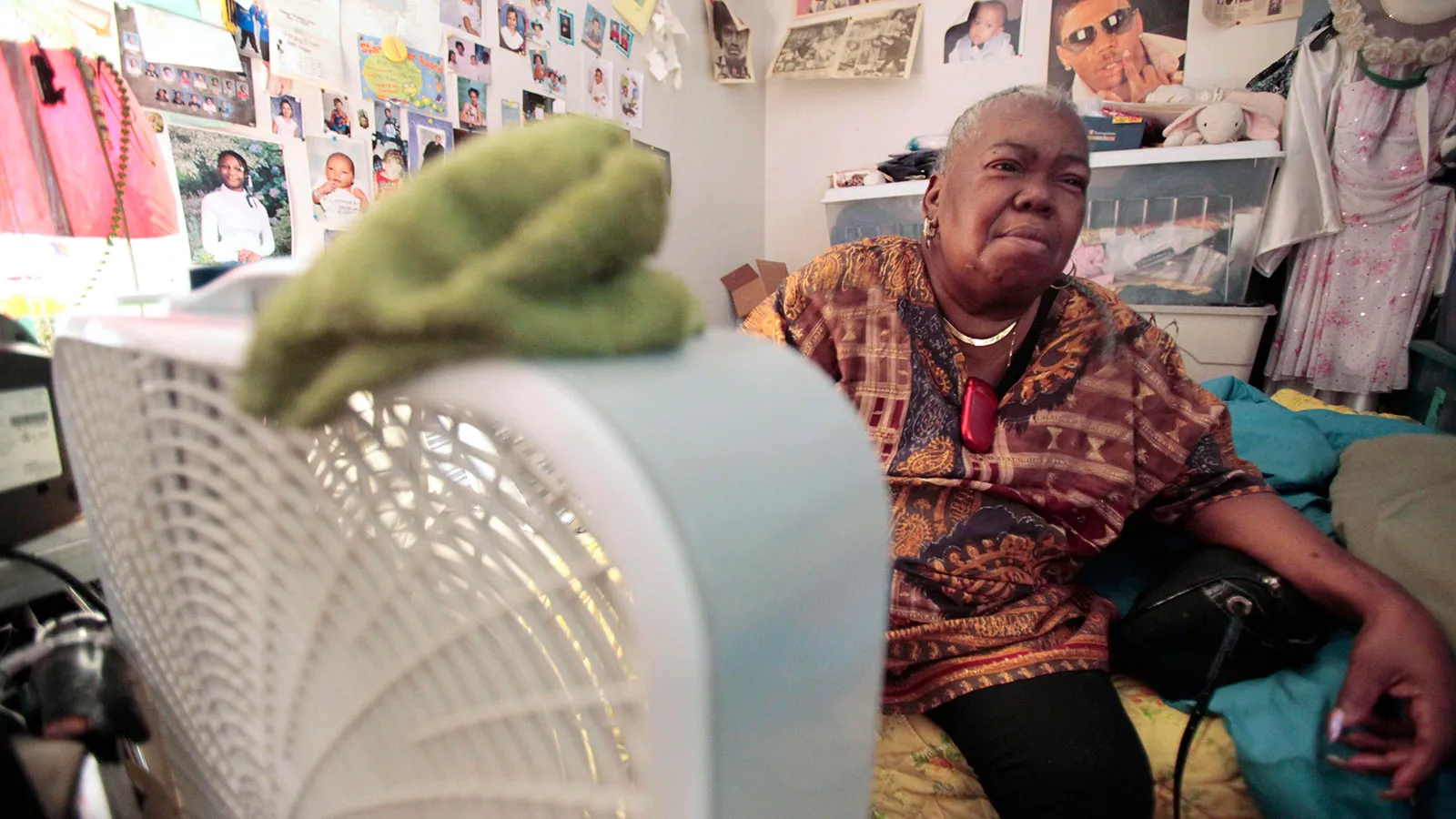
Maintaining safe indoor temperatures is essential for human health and well-being, yet millions of U.S. households struggle to keep their homes warm enough in winter or cool enough in summer. These challenges are often invisible from the outside, but they shape daily life: families ration heat to avoid high bills, renters navigate landlord-controlled thermostats, and many households face difficult trade-offs between comfort, safety, and affordability. As climate extremes intensify, understanding how people actually manage indoor temperatures becomes increasingly important.
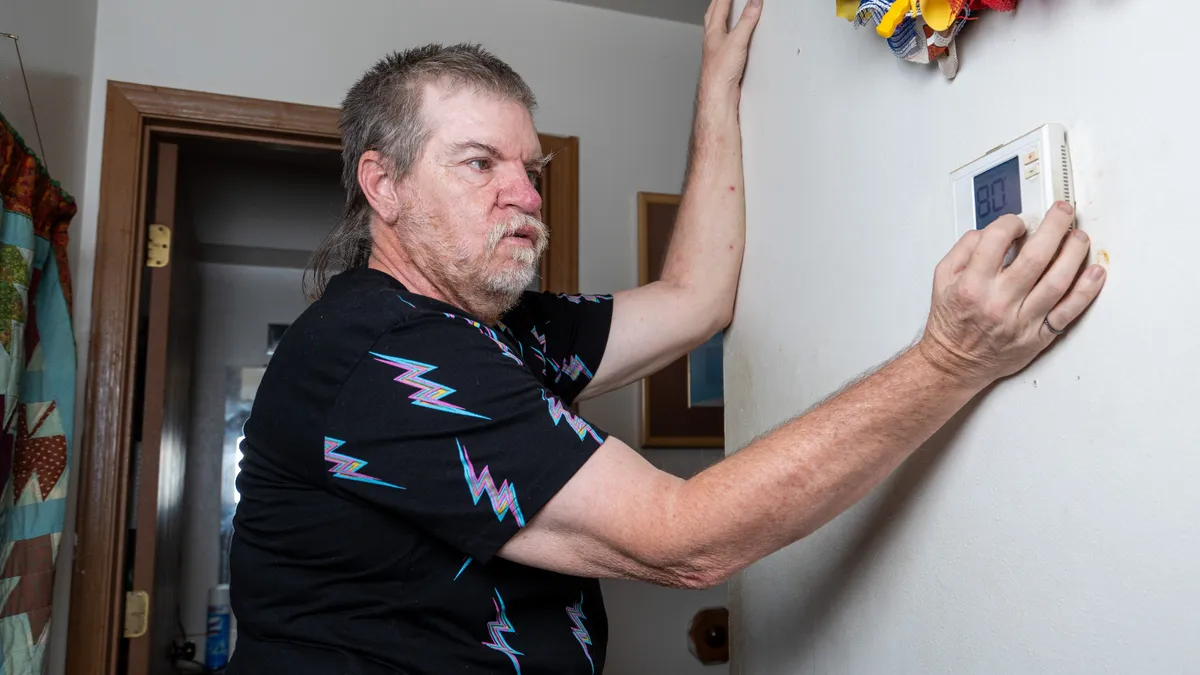
A new study from the Georgia Institute of Technology and Carnegie Mellon University shows that the way households use their thermostat plays a larger role in shaping indoor temperatures than the type of thermostat they own.
Researchers find that those who set one fixed temperature or manually adjust their thermostats tend to keep their homes warmer in winter and cooler in summer, compared households with automated smart thermostat technologies. These patterns, while often rooted in habit or necessity, can increase energy use and raise costs for families.
“In the past, many energy utilities have assumed that people set their thermostats where they want them to be. But this misses the lack of control that some households have when it comes to their thermostats,” said Destenie Nock, assistant professor of civil and environmental engineering and engineering and public policy. “It also misses the lack of access to thermostat technology in a lot of low-income homes.”