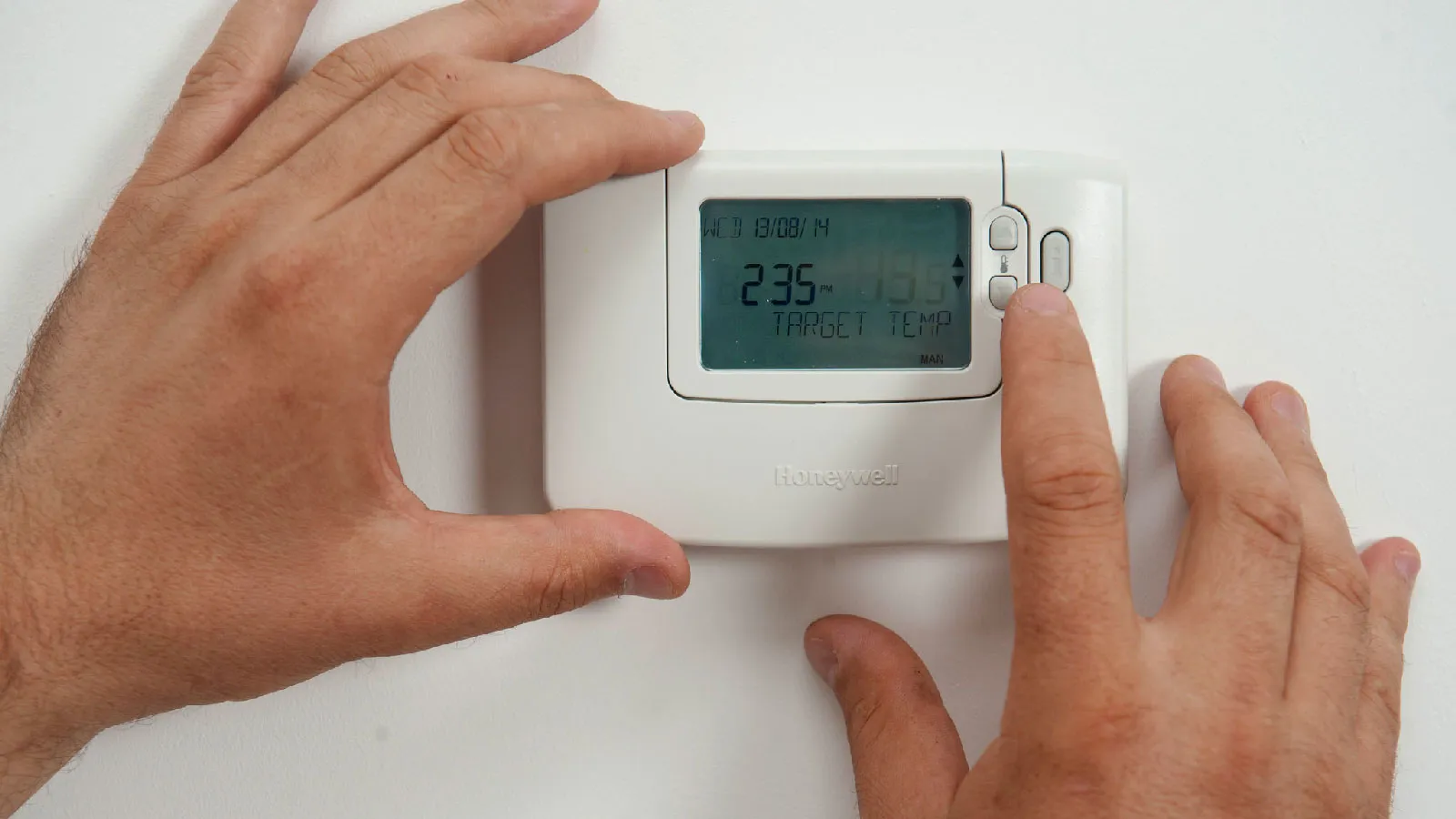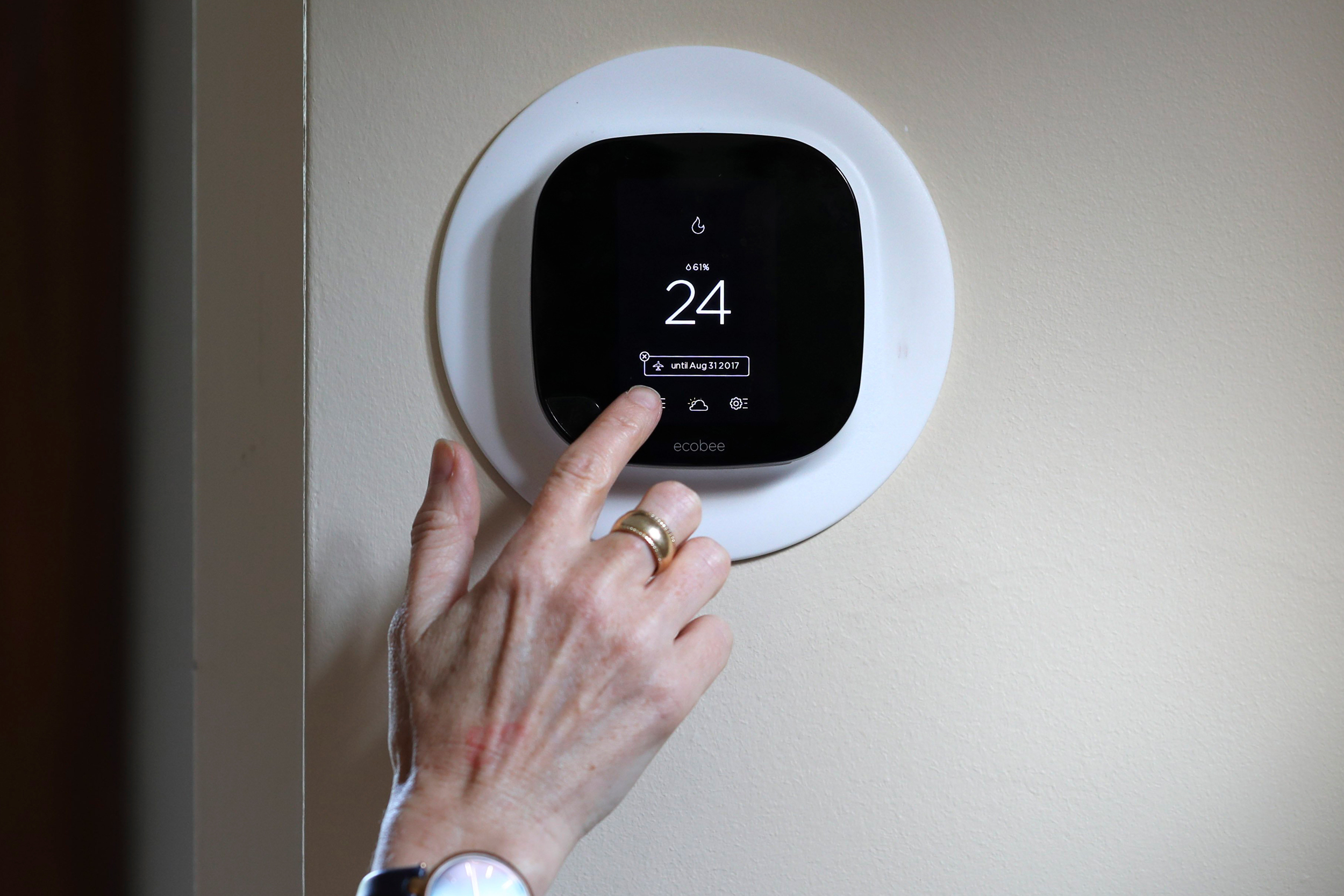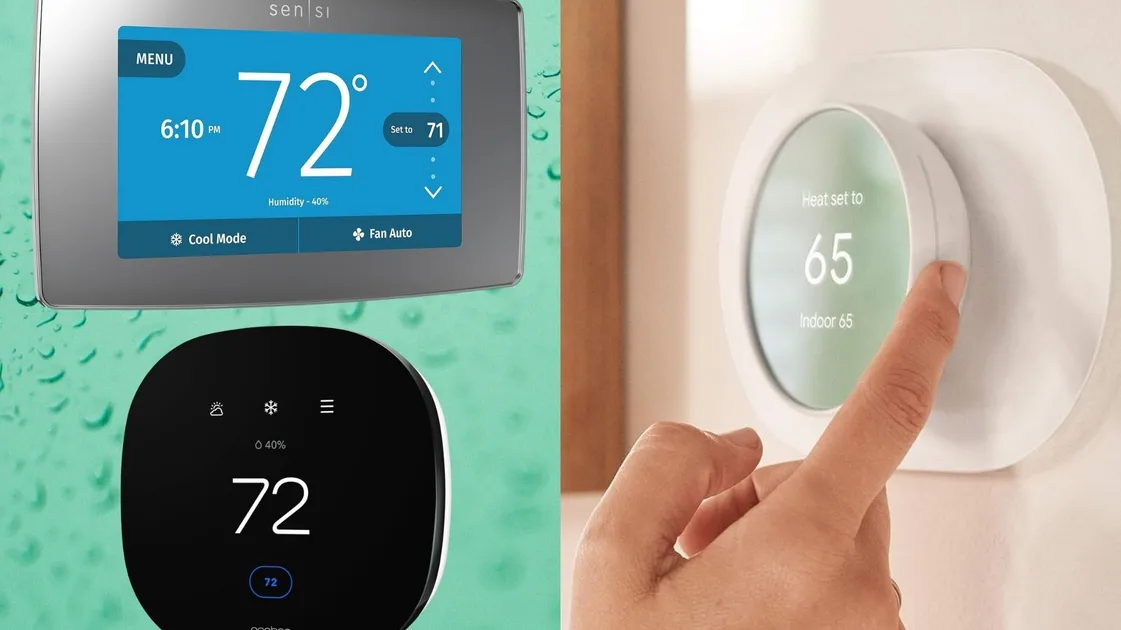
For decades, utilities have used smart thermostats to reduce strain on the grid when electricity consumption is super-high. Paying customers to let utilities turn down air conditioning on hot summer afternoons or electric heating on cold winter mornings is called demand response, and it’s delivering gigawatts of valuable grid relief today.
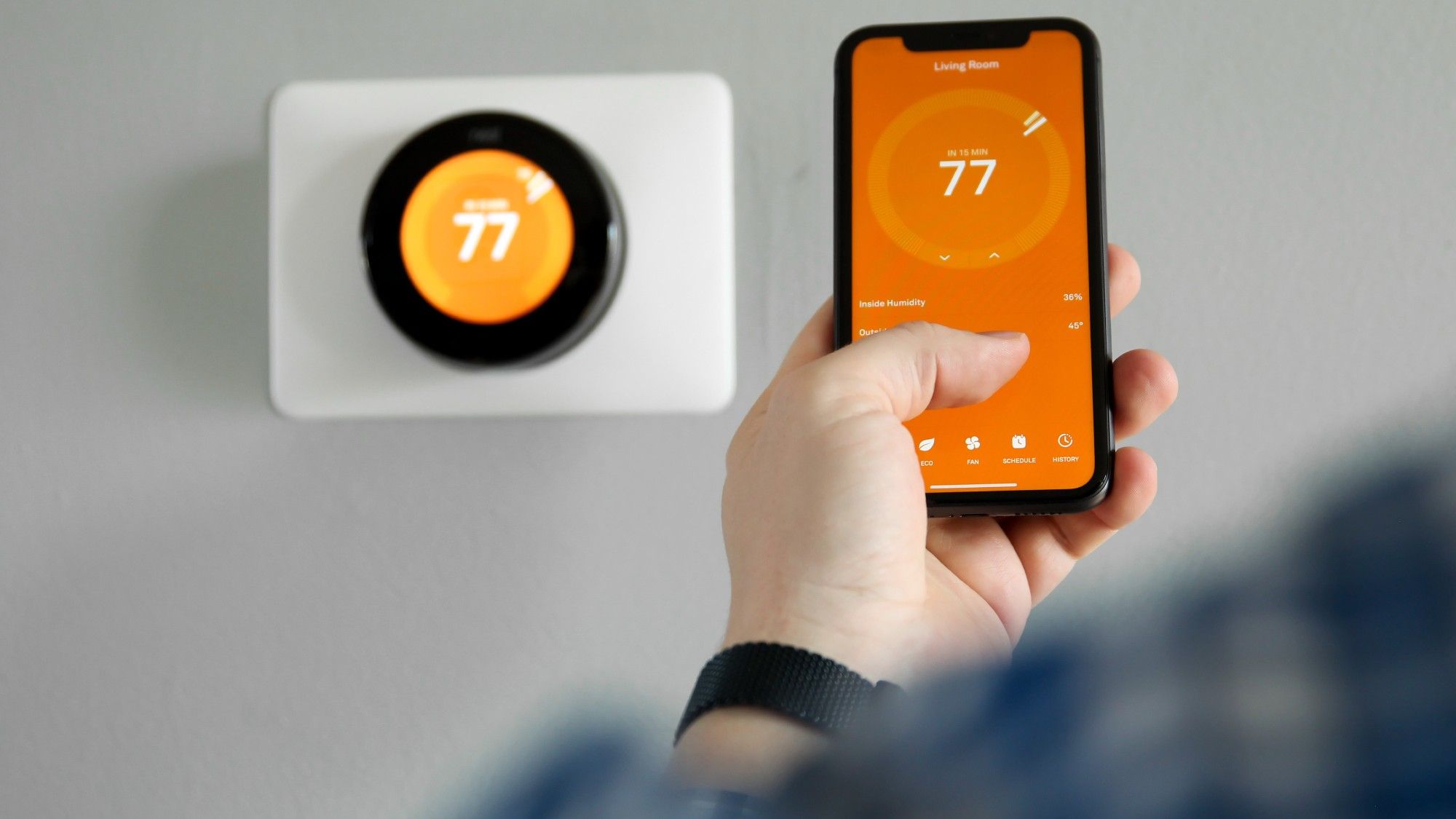
But millions more of these smart thermostats are shifting households’ temperatures on a daily basis — and not on behalf of utilities. Instead, the owners of these devices have agreed to let smart thermostat companies modify their temperature settings to avoid costly peak power rates, or to use more clean energy and less dirty energy.
While this energy shifting has largely been invisible to them, some utilities are now gathering data on how these under-the-radar systems could be leveraged to avoid costly infrastructure upgrades or to burn less fossil fuels. Put simply, the more smart thermostats that utilities can recruit to lower peak demand, the less they have to run dirty power plants and the fewer wires and poles they need to transport electrons.
Big Arizona utility Salt River Project is one early mover on this front. Last year, it worked with smart thermostat firm Renew Home to see how thousands of the company’s thermostat-equipped customers in and around the Phoenix area could reduce strain on the grid. Those thermostats belonged to households that opted into Renew Home’s Energy Shift program, which lets the company automatically adjust their temperature settings throughout the day. Nationwide, about 5 million customers representing 4 gigawatts of capacity have signed on to that initiative.