As the energy transition continues to shift the focus from fossil fuels to climate-friendly alternatives, adopting clean energy technologies could revolutionize the way we heat and cool our homes. From skyrocketing energy bills to inadequate indoor temperatures, energy insecurity is a growing concern among millions of households, suggesting the need for a new approach to improve indoor comfort.
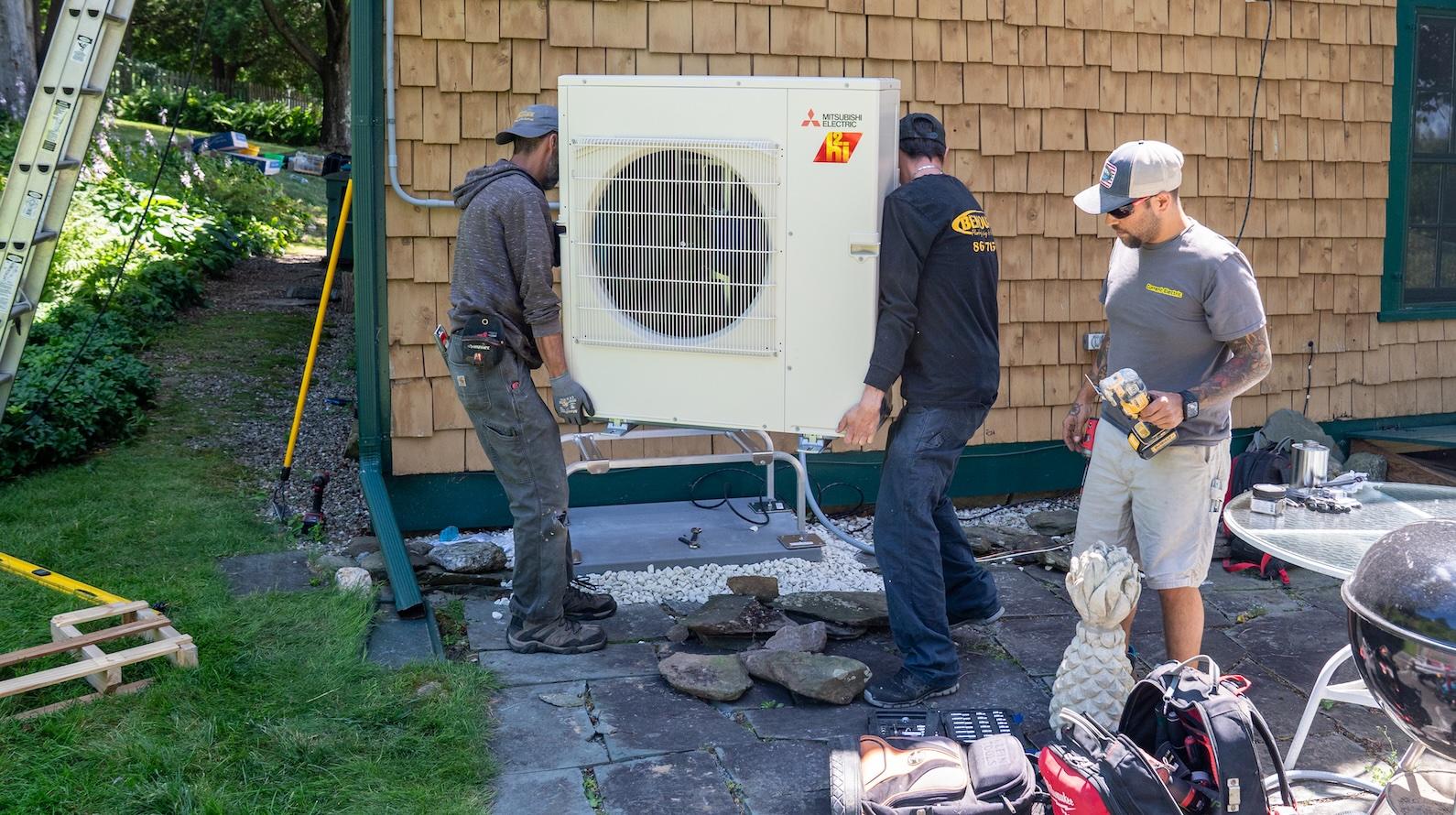
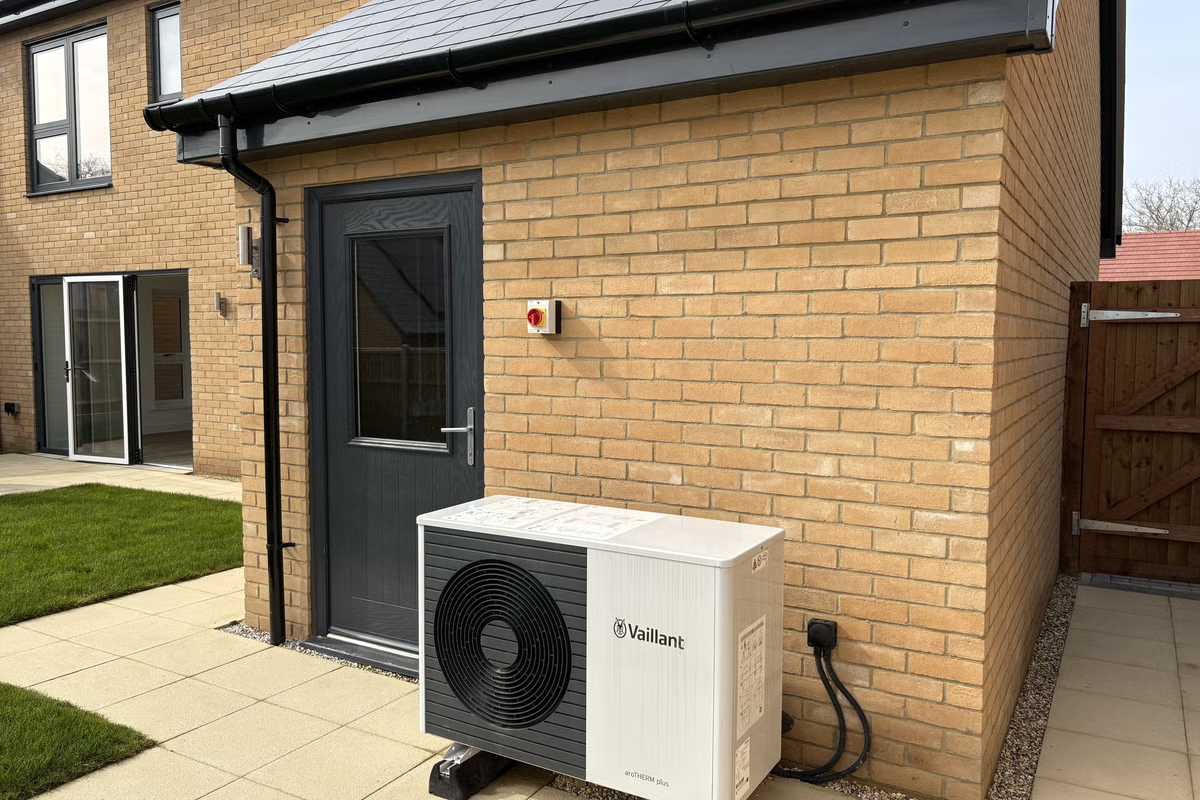
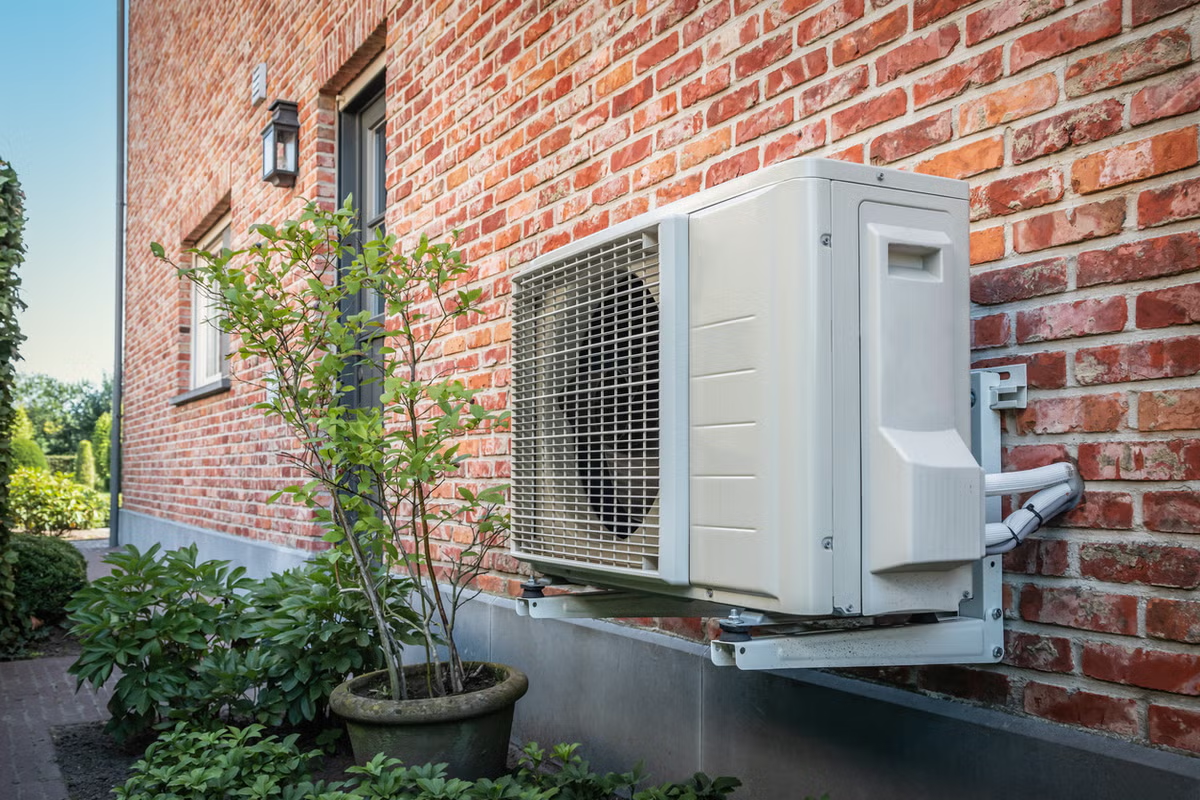
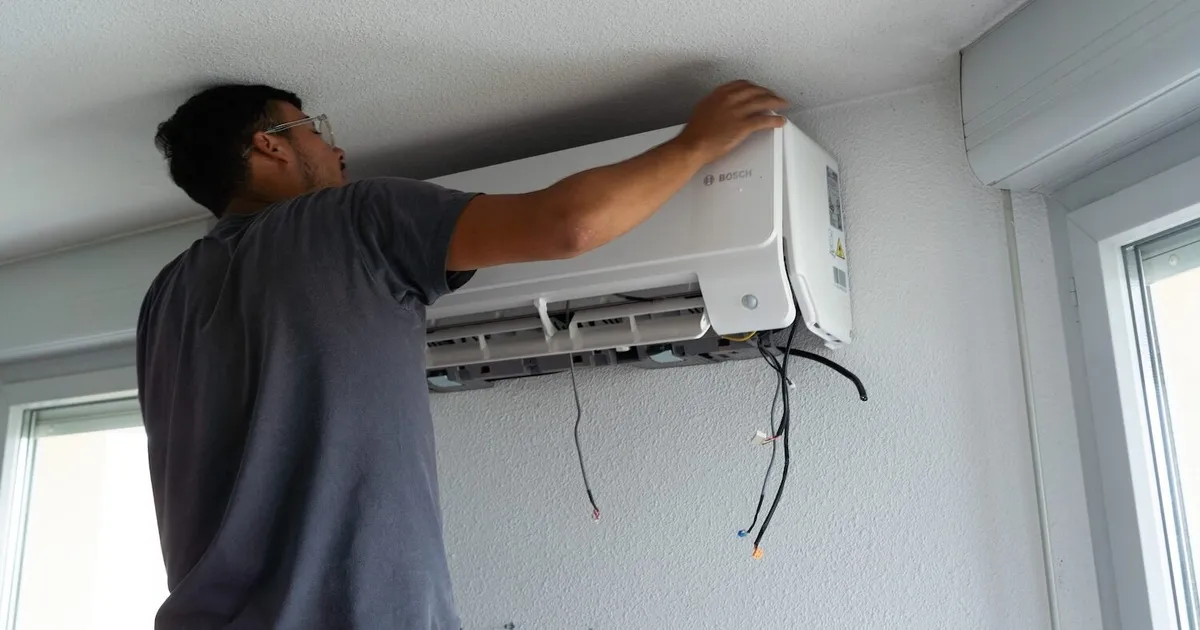
Heat pumps are an emerging technology that have the potential to alleviate energy insecurity and reduce household energy expenses. Instead of generating heat, heat pumps work by transferring thermal energy between the inside and outside of a home.
In a new study published in Nature Energy, researchers from Carnegie Mellon University and the University of Maryland examined the relationship between heat pump adoption and household energy insecurity using electricity records from 8,656 households in Phoenix, Arizona. By employing a thermal comfort index (the temperature at which individuals turn on their heating or cooling system), the researchers found that households with heat pumps initiate cooling at nearly one degree Celsius lower than those without and consume less electricity per degree of temperature increase.