May 22, 2026 | 12:05 pm
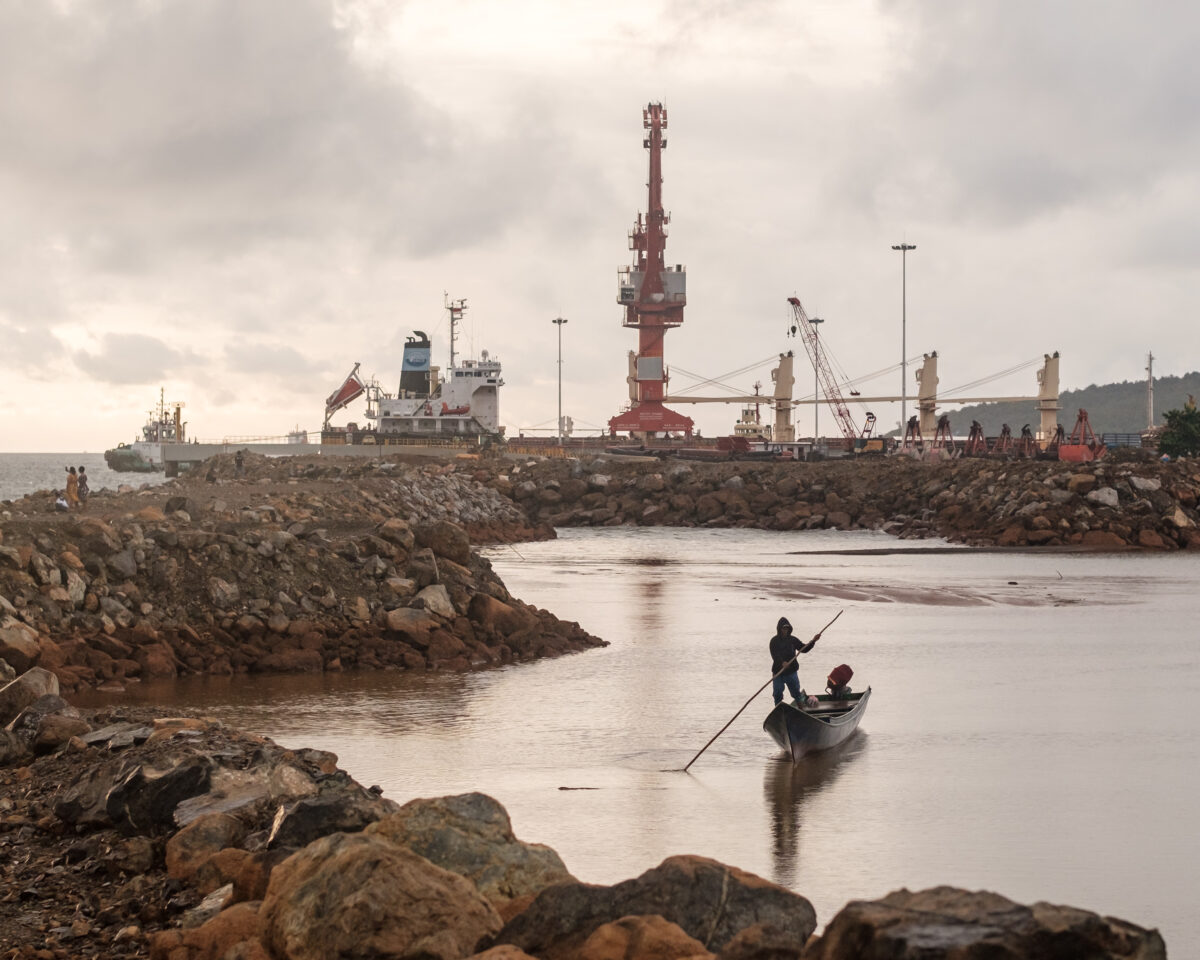
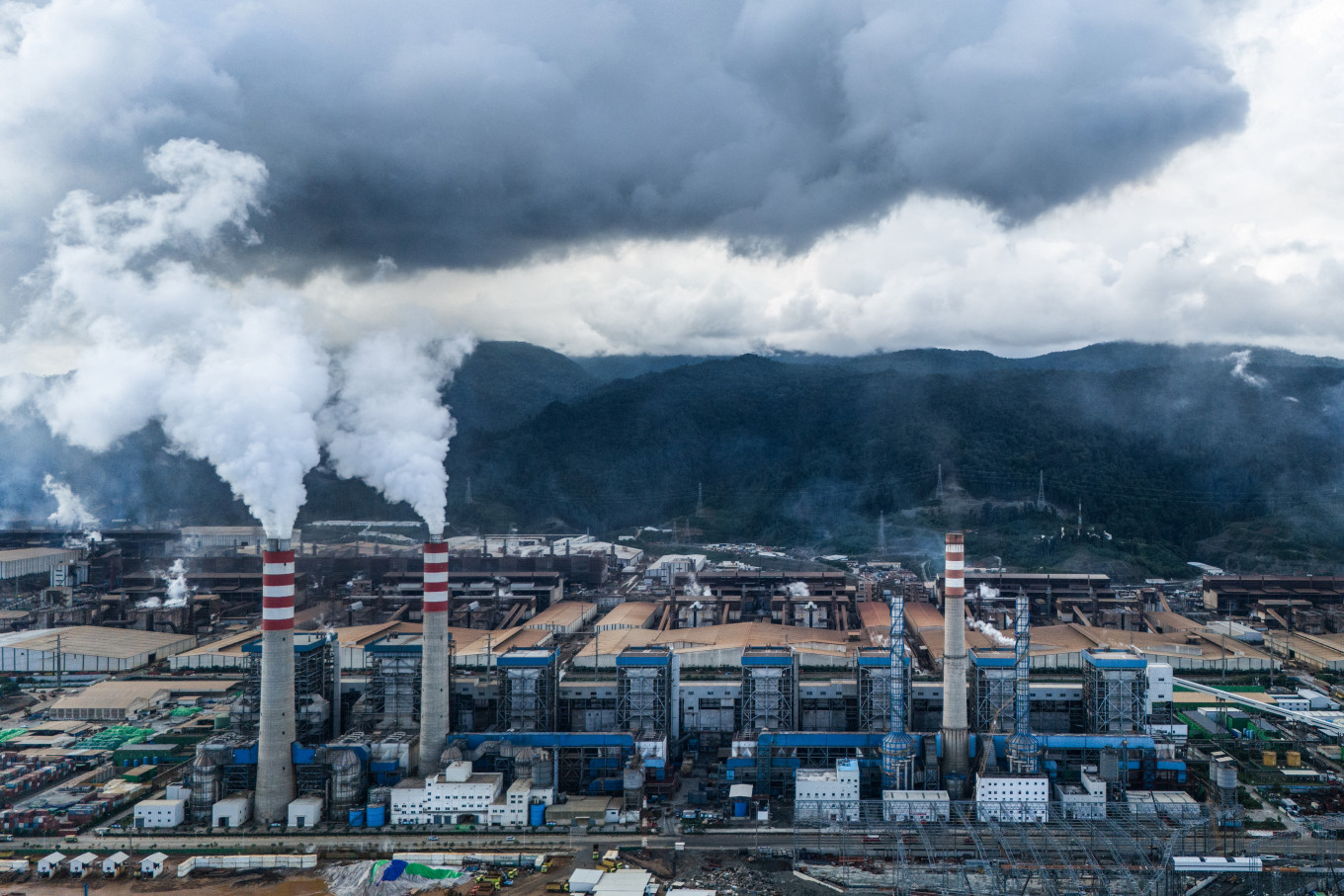
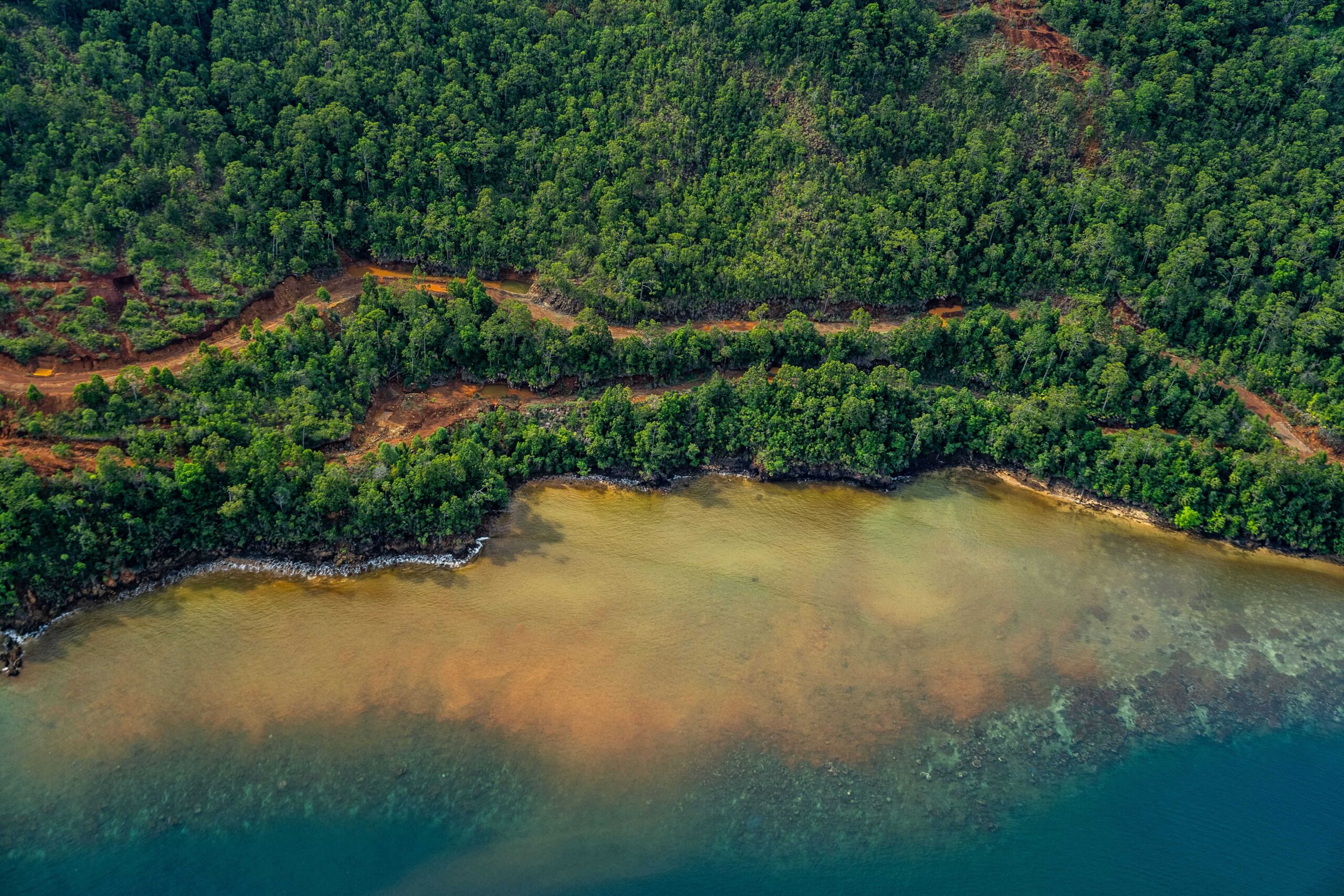
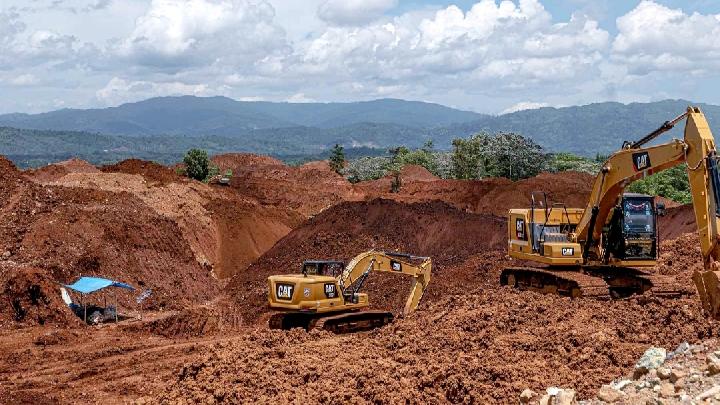
The development of the Pomalaa Block nickel smelter industrial zone is suspected of causing environmental damage. It is just the beginning of what is to come.THE ecological damage experienced by communities living along the Oko-Oko River in Kolaka Regency, Southeast Sulawesi, adds to the growing narrative of the devastating impact of downstream mining projects in Indonesia. The root of the problem is a latent issue: development policies that encourage maximum investment while ignoring environmental and social concerns.As of the end of April 2026, mud deposits remained in the rice paddies and fields belonging to residents of Oko-Oko village, Pomalaa subdistrict. The mud was brought in by floods in November 2025. At least 247 hectares of agricultural land in Oko-Oko, as well as Lamedai in Tanggetada subdistrict, suffered crop failure.Flooding is certainly not a new phenomenon in Pomalaa. However, mudslides of this severity have become increasingly frequent in the region since the Indonesia Pomalaa Industrial Park (IPIP) project began in 2023. In partnership with Huayou Group and Ford Motor Company, Vale Indonesia aims to establish the industrial park as a hub for nickel ore mining and processing supply chain in the Pomalaa Block. This mining concession area owned by Vale spans 20,279 hectares and cuts across the Oko-Oko River basin.When looking at the numbers alone, this megaproject, designated as a national strategic project (PSN), holds considerable promise for boosting the economy. The project is claimed to attract Rp181.5 trillion worth of investment and create at least 10,000 jobs.However, even before the economic benefits had trickled down to the community, the residents of Oko-Oko and Lamedai were already suffering losses.The implications of the project are also felt by communities along the Pomalaa coast. Muddy sediment from land clearing and mining activities has spread to the mouth of the Oko-Oko River. The Bajau people living in the coastal area of Hakatutobu village are not only seeing their sea grow increasingly murky, but are also breathing in dust from the project.Yet, the impact already felt by the residents of Pomalaa is just the beginning. IPIP has not become fully operational. Referring to other nickel mining hubs, such as those in Central Sulawesi and North Maluku, the establishment of a smelter industrial zone will be followed by a surge in land-clearing activities for mining. Pressure is also mounting in the social and labor sectors due to the explosive growth in the number of people arriving from other regions and countries.Studies by research institutions have consistently shown that, since its inception a decade ago, the downstream mining program has not been proven to improve welfare or reduce poverty in project locations. The mining sector’s contribution to the macro-economy has indeed increased. However, the lion’s share of that economic pie is enjoyed by investors and does not trickle down to grassroots communities.Communities around nickel project sites are instead faced with rising living costs due to environmental pollution and land degradation. Residents of Morowali, Central Sulawesi, are experiencing increased medical visits for respiratory issues. In Central Halmahera, North Maluku, residents are struggling to access clean water. Now, farmers in Oko-Oko are forced to spend more money because they have to apply fertilizers twice or thrice a year to prevent their rice paddies from declining in productivity.Pomalaa is clearly not the only or the last case in the story of the “curse” afflicting regions rich in natural resources. Instead of correcting its course, President Prabowo Subianto’s administration has continued and compounded upon his predecessor’s misguided development policies. What a disaster.Read the Complete Story in Tempo English Magazine