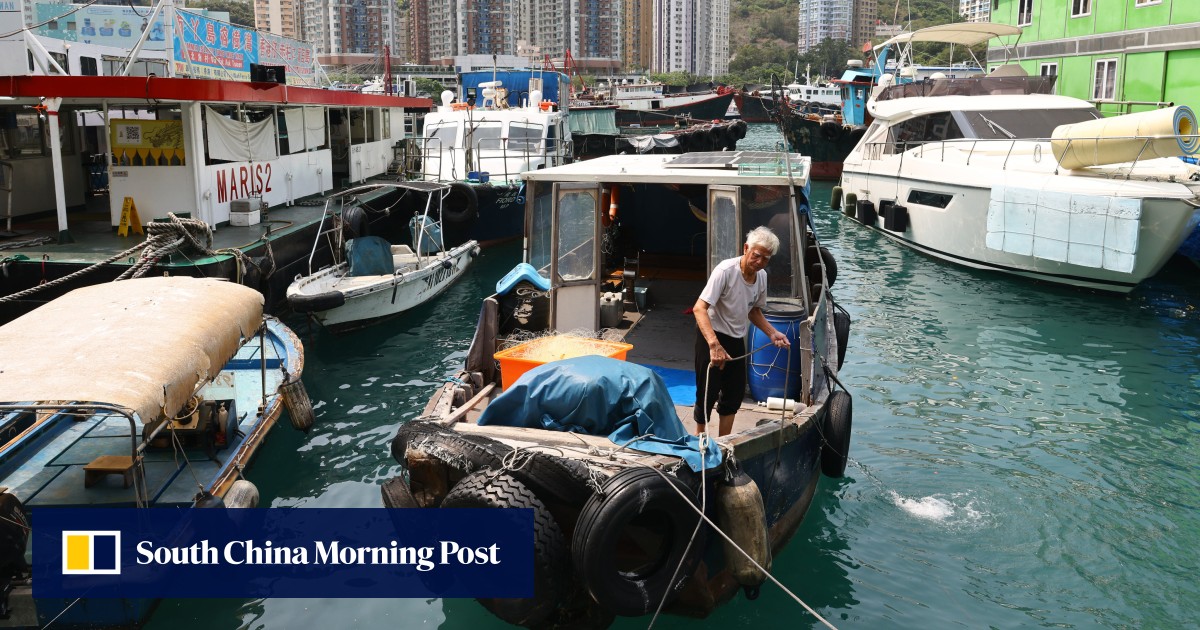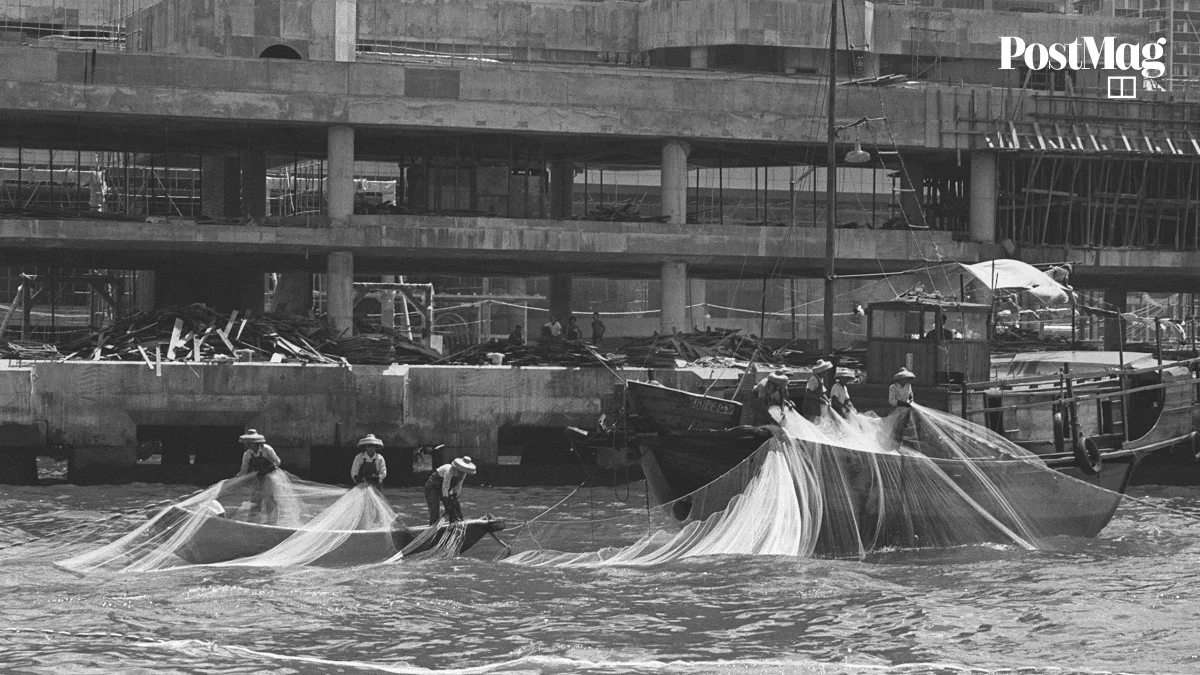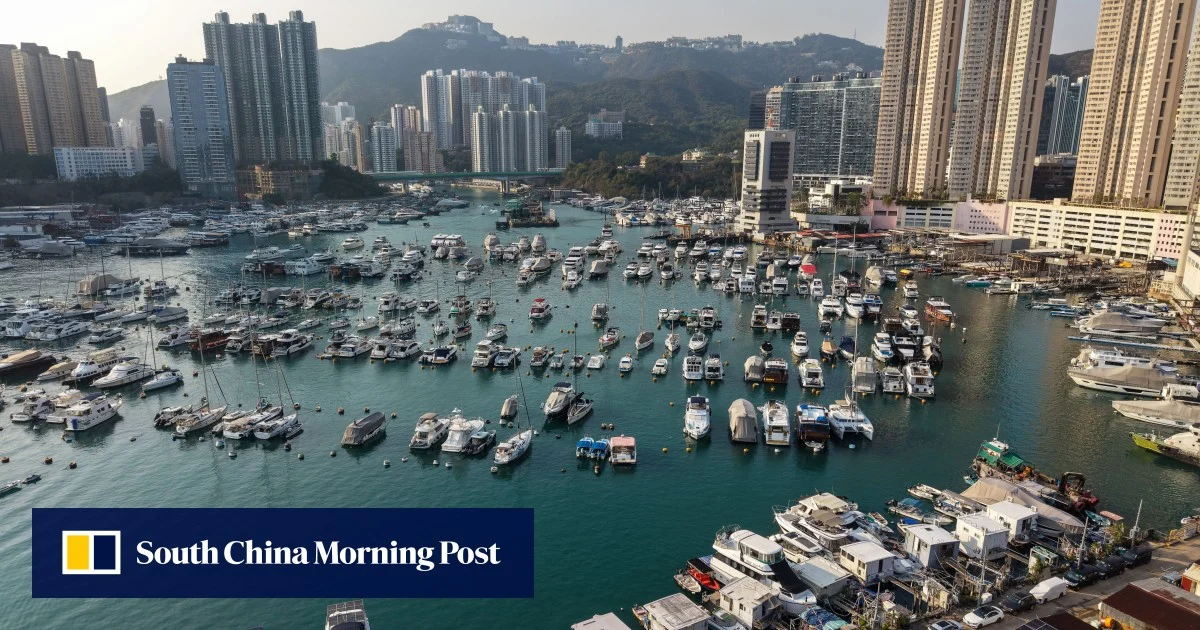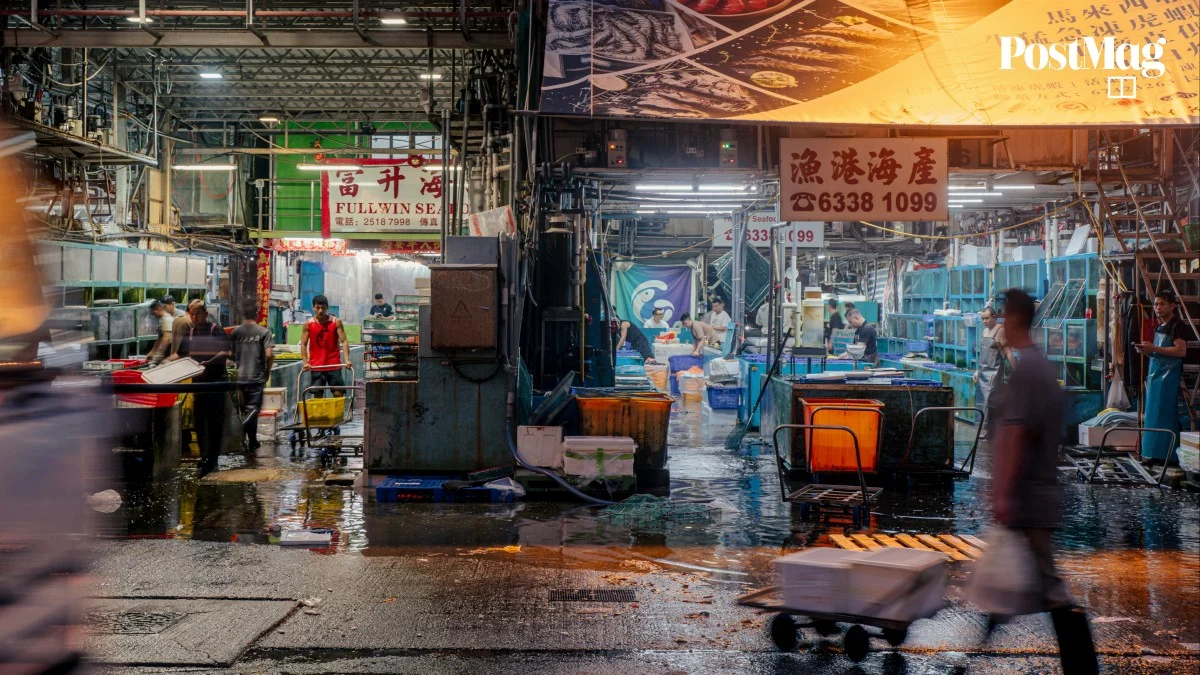
At 5am, the Aberdeen Wholesale Fish Market – the oldest and largest in town – is not for the public. It’s a maze of fluorescent lights, flooded floors and shouted Cantonese, where deals are made in half-sentences and the morning’s best catch disappears before the city wakes. At this hour, Hong Kong’s finest kitchens are still dark, their chefs still fast asleep.Fishermen and workers at Aberdeen Wholesale Fish Market offload the morning’s fresh catch at 4am. Photo: Alexander MakInstead, there is Peter Kam, 38, a self-taught fish aficionado with a near-mystical read on gills and gloss. His company, Peter Seafood, has been supplying the restaurants that dominate the city’s awards lists for more than a decade. His discerning hands shop for chefs who insist on live catches despite the rising costs – the very chefs whose exacting standards are keeping a depleted local fishing industry above water.Kam steps over the wet concrete floor, his pace brisk. Behind him, a troupe of chefs: Manav Tuli of Leela, Leung Chun-wah of Racines and Paolo Olivieri of Dieci, who are shadowing Kam and his right-hand man, Gabe Chan – an ex-Noma stagiaire turned seafood buyer – to witness what chefs normally only see dead, prepped and delivered in an icy styrofoam box.“Come look at this blue-lobster tank,” Kam calls over his shoulder, already speed-walking in his wellies while the chefs, in trainers, scramble behind him. The tank is one of many, stacked like a living seafood library, humming with aerators and the faint electric crackle of life-support systems. “Just this tank […] probably costs tens of thousands already.”A fresh lobster at Peter Seafood in Aberdeen. Photo: Alexander MakWe lose Tuli twice in the labyrinth of the market. Each time, he finds us again by following the sound of Kam’s booming voice as he’s on the phone with a supplier or client. The market itself is its own obstacle course: we move as a group by jumping onto baskets in a precarious game of hopscotch, trying to keep our ankles above the waterline. By all accounts, we are fish out of water, dodging vendors with hand trolleys who pause only to say a quick hello to Kam.Chan grins at the awkwardness with which we navigate the narrow, soaked paths between the tanks. “It’s already a relatively dry day; the water level gets up to my calf sometimes.” At one stall, he glances at a crate, mutters a quick conversion from catties to kilos and gives us a price we can understand.Public access to the Aberdeen Wholesale Fish Market is hard to come by, but this guided visit, led by Kam and Chan just days before a fishing moratorium comes into force, is not a one-off. Chan does this three or four times a week now, mostly at the request of chefs, who come to see what’s in season, to understand how the market operates and to plan menus around what’s actually available.On the Aberdeen Wholesale Fish Market tour are (from left) Leung Chun-wah, executive chef and co-owner of Racines; Gabe Chan, seafood buyer and sales marketing executive at Peter Seafood; Manav Tuli, chef-owner of Leela; Paolo Olivieri, founder and executive chef of Dieci; and Peter Kam, owner and director of Peter Seafood. Photo: Alexander MakStarting on May 1, the annual fishing moratorium in the South China Sea, introduced in 1999, halts most fishing operations for three-and-a-half months to conserve fish stock. This year, 70 to 80 per cent of Hong Kong’s fishing fleet was reportedly grounded before the ban even took effect, forced ashore prematurely by a severe fuel crisis. At this bustling wholesale market, however, the impact is barely visible. A few local crustacean species will disappear for now, but replacements arrive easily from overseas. The real strain, Chan later reveals, is felt by the fishermen at the pier, not the traders in the aisles.
Discover Aberdeen’s fish market secrets with Hong Kong’s top chefs
PostMag gains rare entry into Aberdeen’s Wholesale Fish Market with the men who supply many of Hong Kong’s Michelin-starred kitchens and the chef who helm them – just days before the annual fishing moratorium.
642 words~3 min read