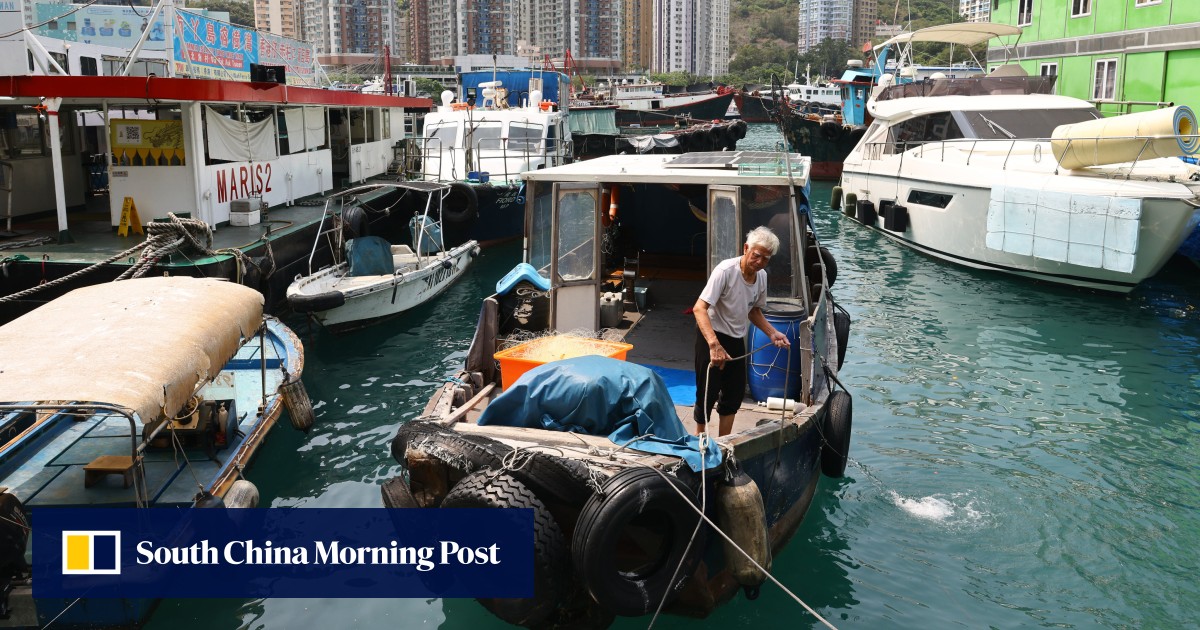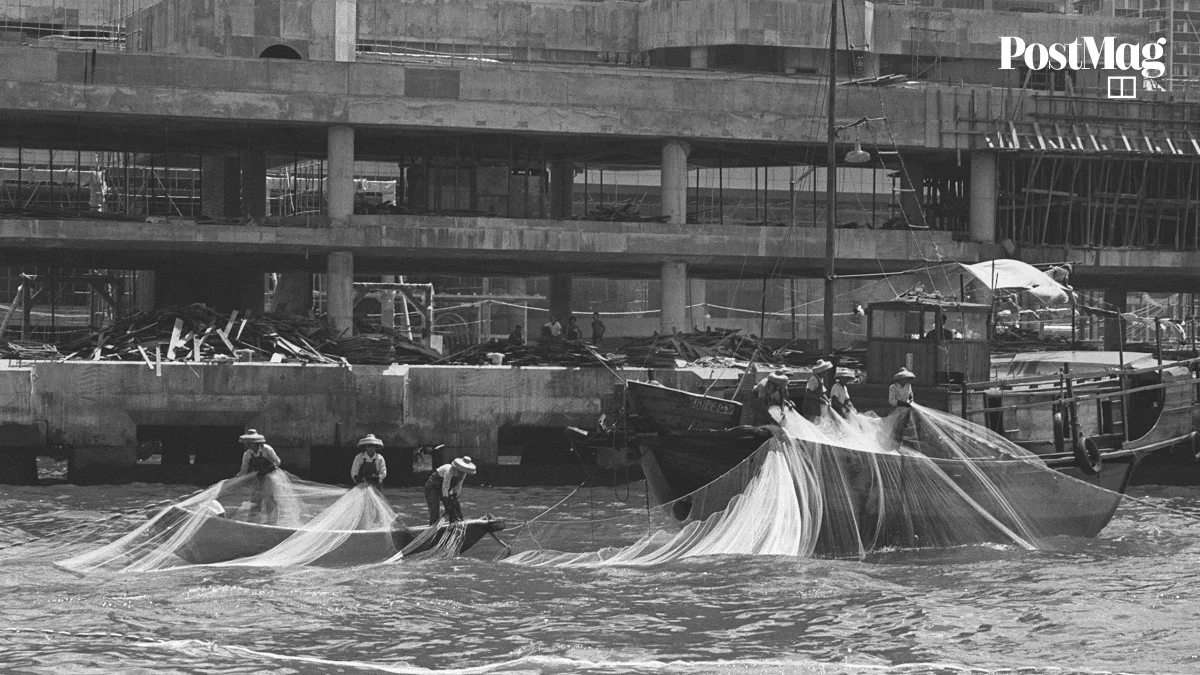
For generations, life in Hong Kong was shaped by the sea. From the 1950s, traditional wooden boats with sails were gradually replaced by engine-driven trawlers as the industry modernised and expanded its reach across the South China Sea.As Hong Kong grew, land-reclamation projects, overfishing and a rise in seafood imports from overseas reshaped the local industry, bringing new challenges to fishing communities.Despite these shifts, residents in places such as Aberdeen, Cheung Chau, Lamma Island and Tai O continue to live as “water people”, keeping seafaring traditions alive in a rapidly changing city. This heritage is also kept alive at the city’s busy wholesale fish markets, where early-morning sales continue to supply the freshest catch to restaurants and shops across the territory.Here’s a look back at how South China Morning Post photographers have captured the way of life of Hong Kong’s fishermen and their communities.A catch is assessed at Lei Yue Mun fishing village, in 1967. Photo: SCMP ArchivesA fruitful haul in Lok Ma Chau, on the border between mainland China and Hong Kong, in 1972. Photo: SCMP ArchivesBritain’s Prince Philip, Duke of Edinburgh, at the Aberdeen Fish Market during his 1959 visit to Hong Kong. Photo: SCMP ArchivesKennedy Town Fish Market, in 1976. Photo: SCMP Archives
In pictures: Hong Kong’s fishing industry through the years
Commercial fishing was once much more integral to the city’s way of life, as SCMP photographers documented.
206 words~1 min read