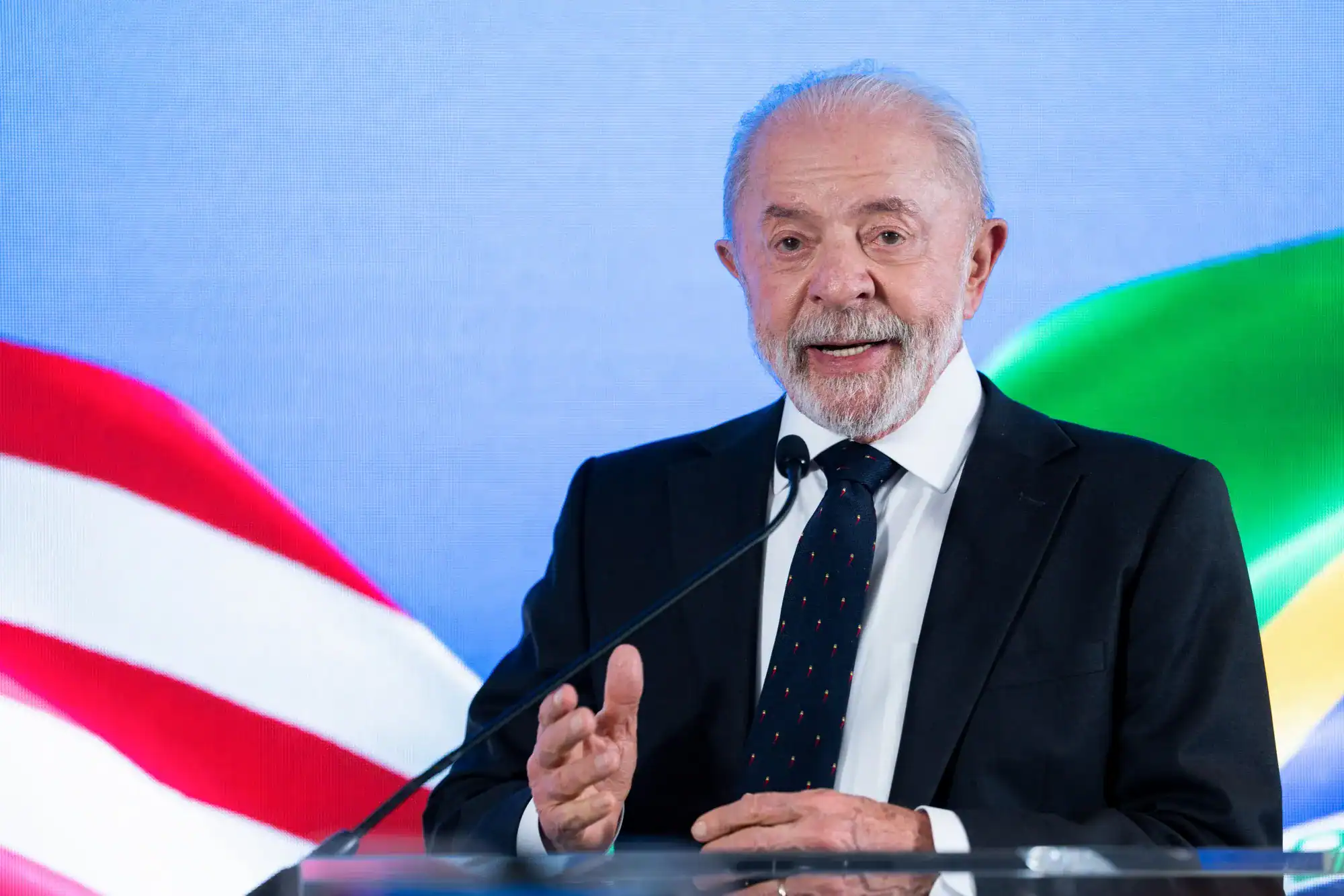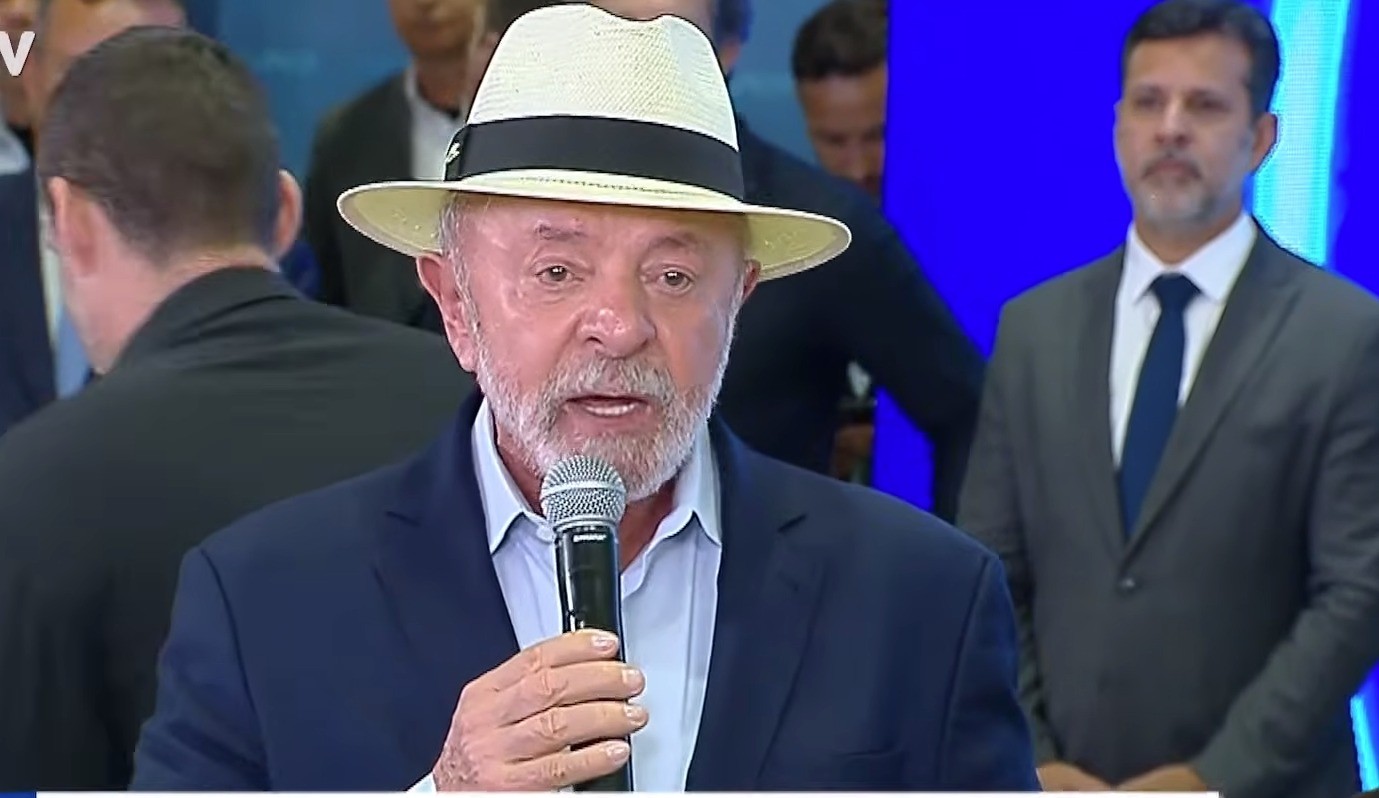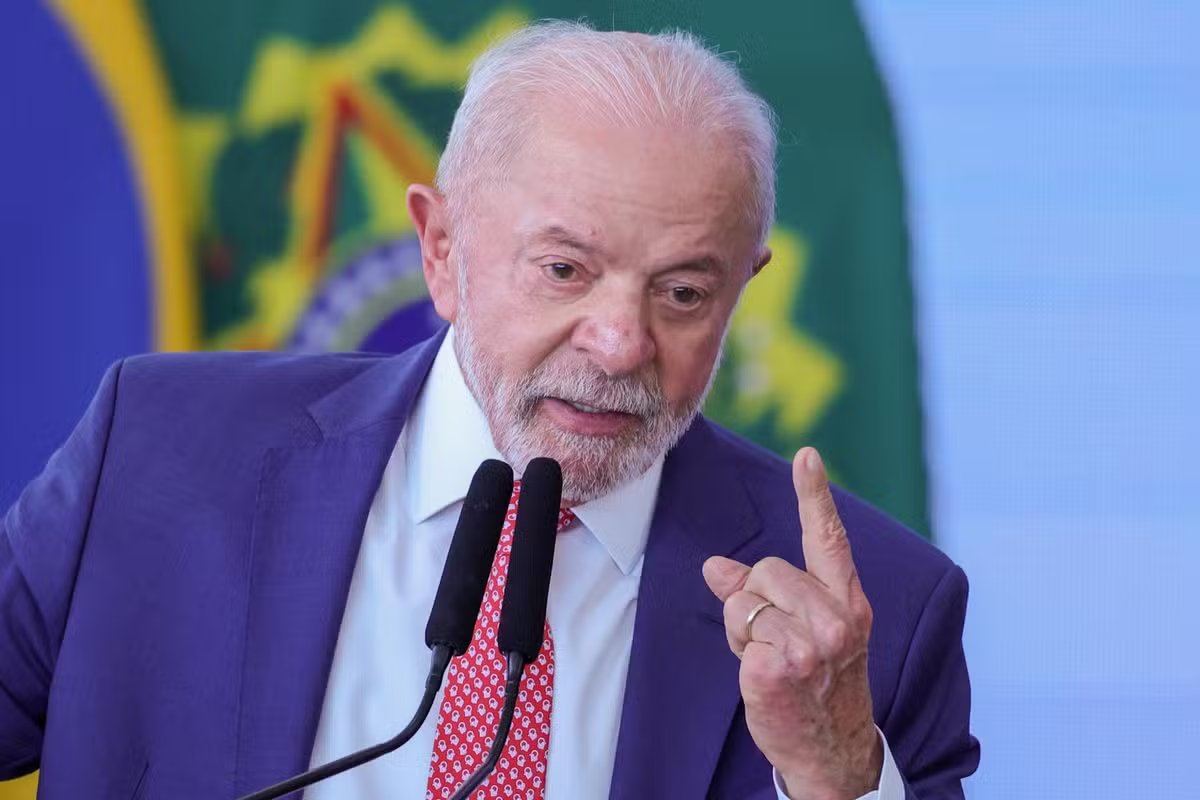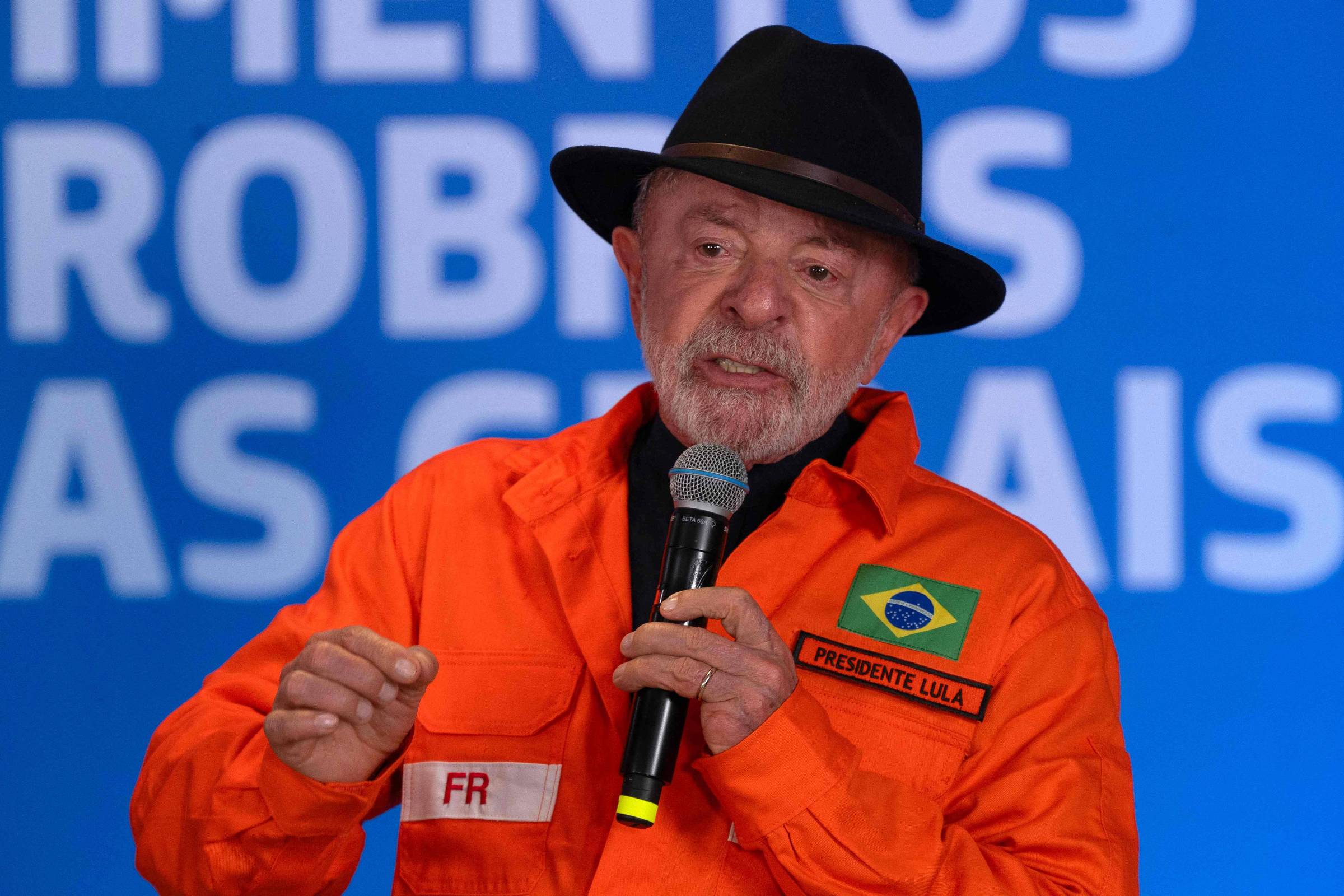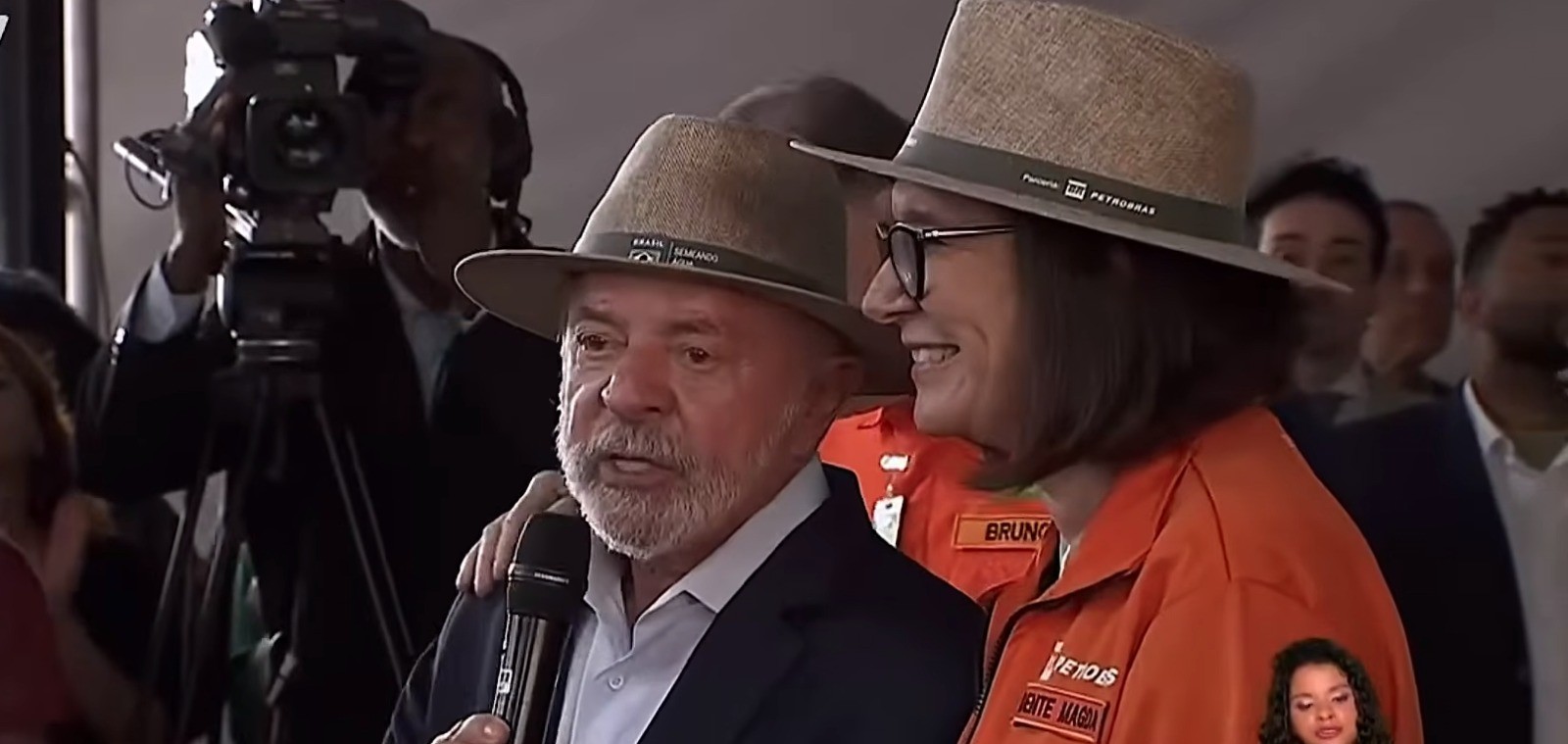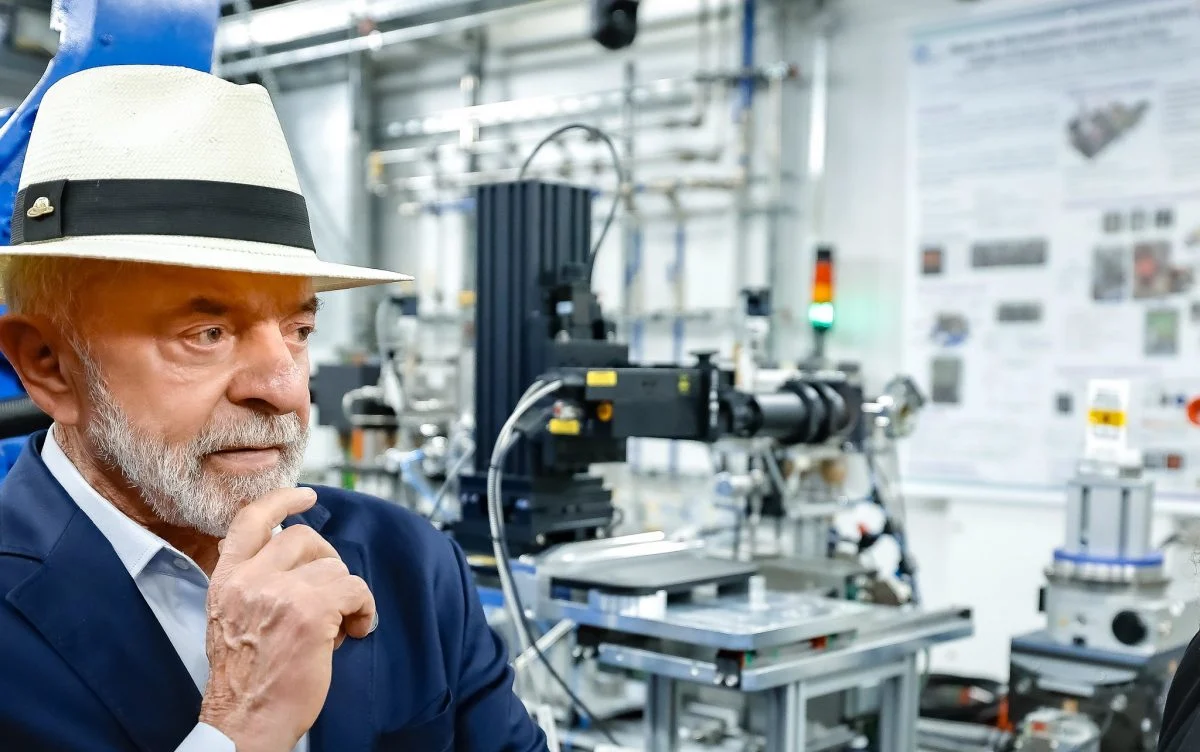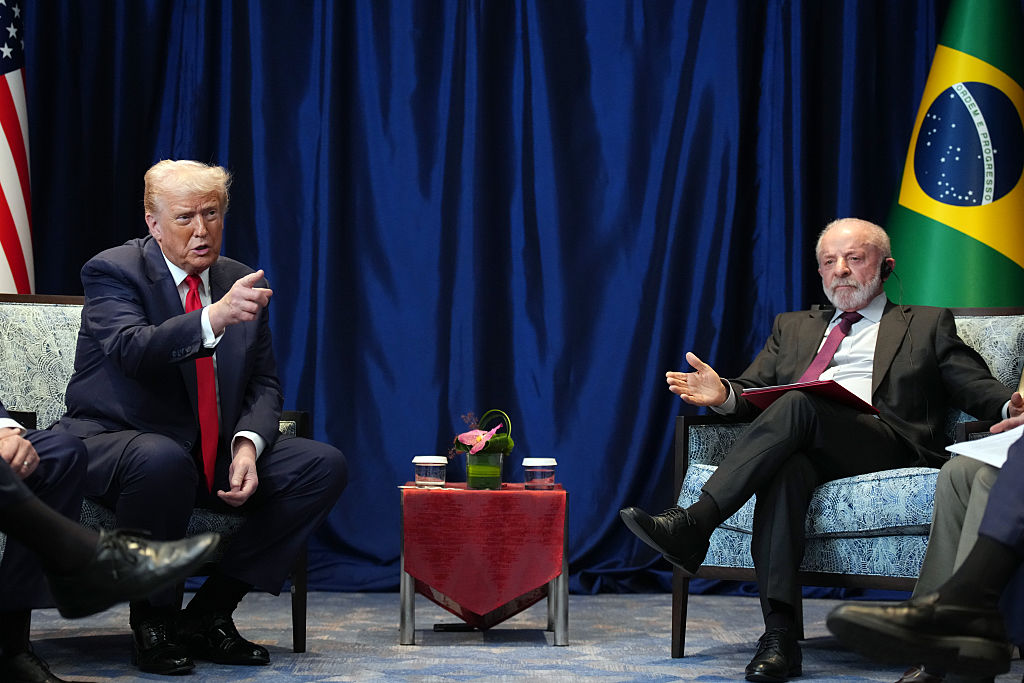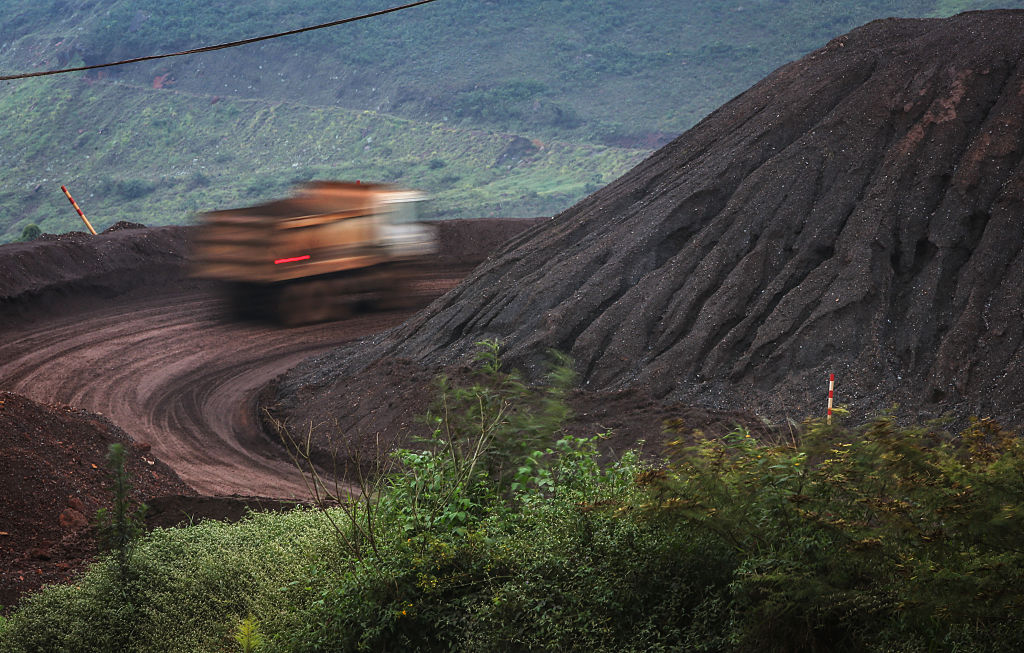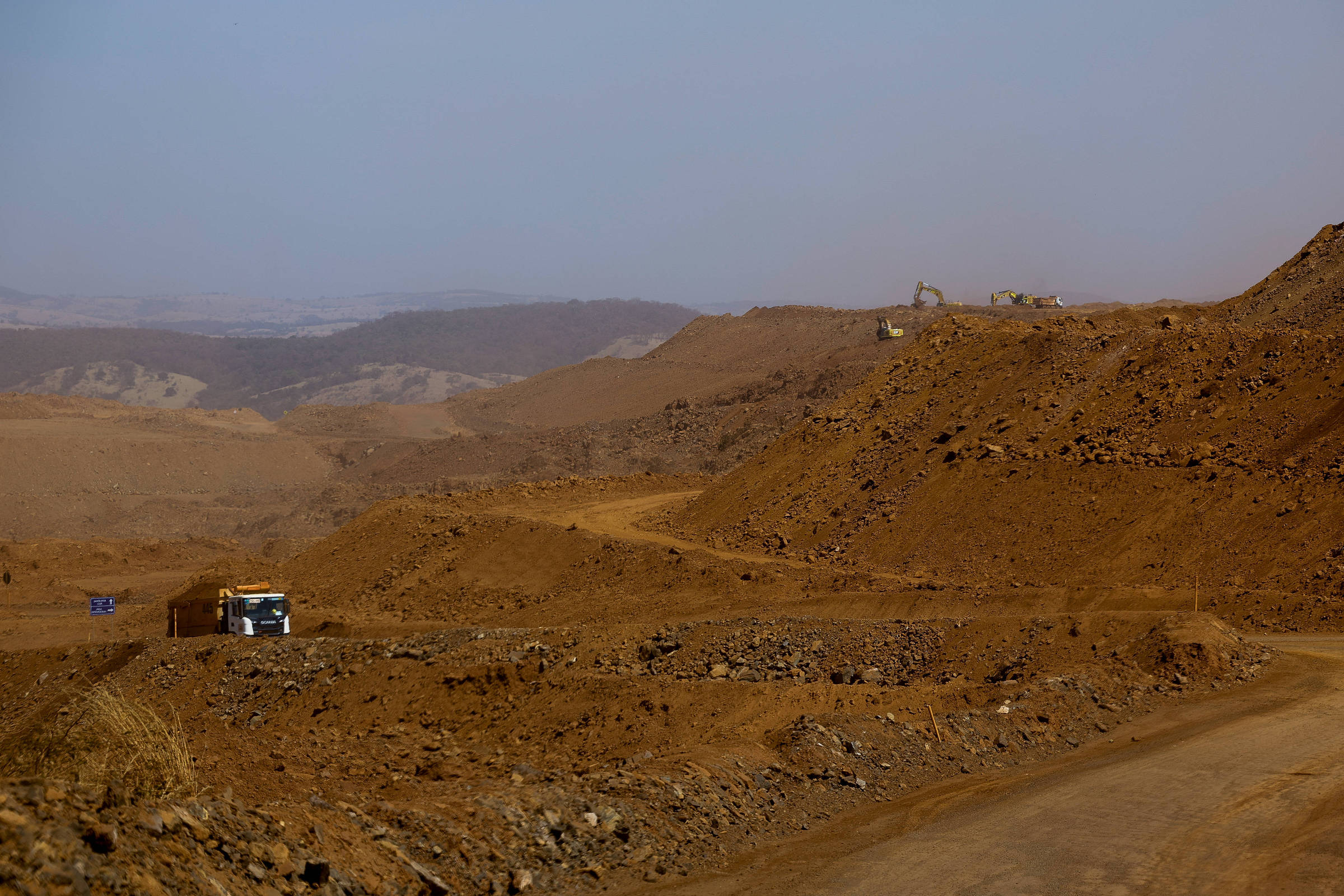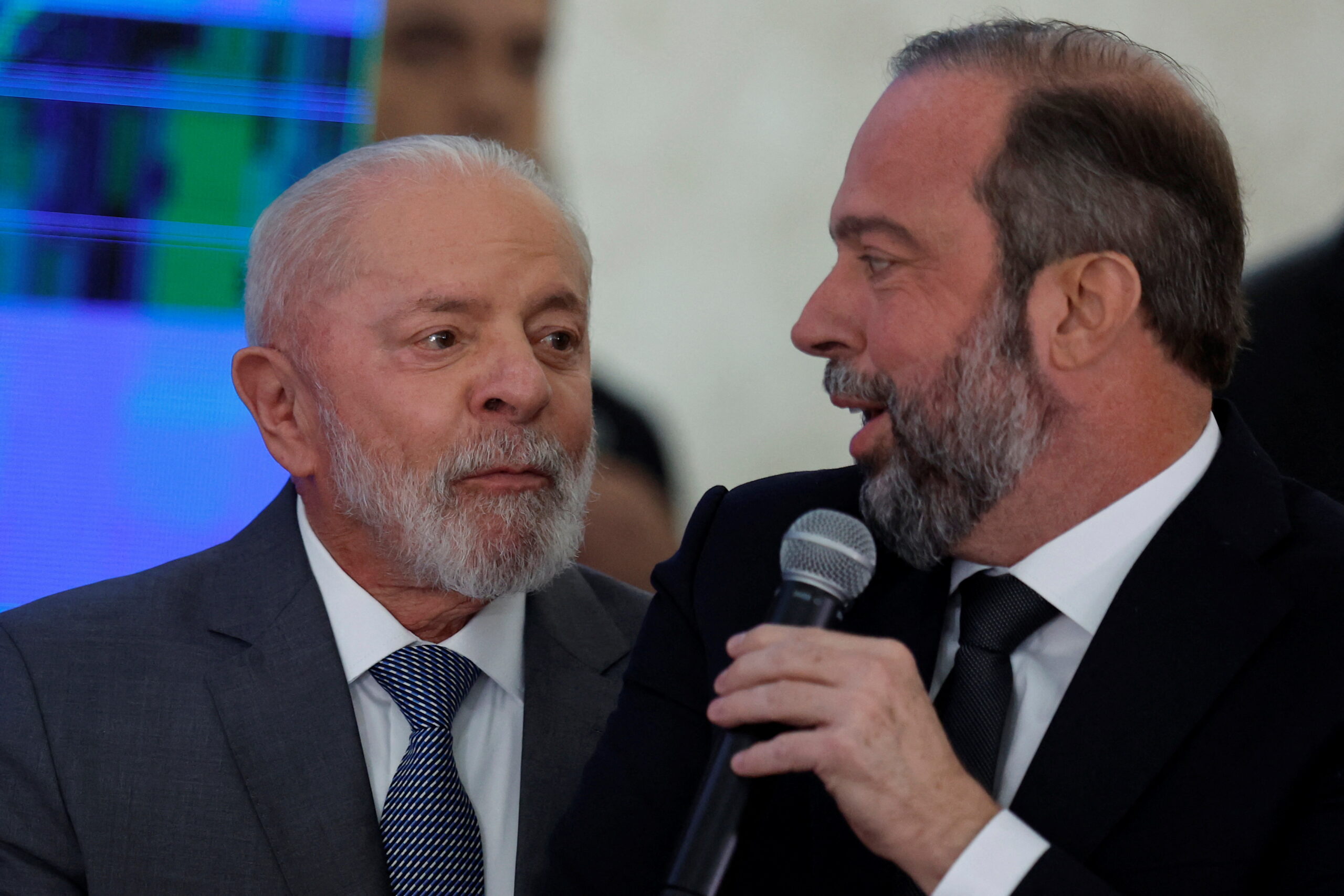
Brazilian President Luiz Inácio Lula da Silva has explicitly linked oil exploration and rare-earth mining to Brazil's national sovereignty, declaring that the country’s subsoil resources must be used to drive domestic industrialization rather than enrich foreign nations. Speaking at Petrobras’(NYSE:PBR) giant refinery, Refinaria de Paulínia (Replan), in São Paulo, Lula emphasized that Brazil must actively extract its natural resources in a bid to secure its geopolitical and economic future. Defying foreign and environmental pressures, Lula has aggressively defended oil exploration in the Equatorial Margin, a highly prospective offshore region in northern Brazil considered the country's next pre-salt frontier. The president has insisted that Brazil must responsibly occupy and explore the area and warned that external powers--specifically referencing U.S. President Donald Trump--could challenge the region's security or try to influence it. Lula announced R$37 billion (~$7.4 billion) in Petrobras investments through 2030, targeting exploration and production expansion, port infrastructure (particularly at the Port of Santos) and modernization of refining capacities. A portion of the funding will be dedicated to decarbonization, including biorefining and producing renewable diesel and aviation kerosene. The investments are expected to generate approximately 38,000 direct and indirect jobs. Related: Japan’s Crude Imports from Middle East Slump to Lowest on RecordThe president reiterated that the state-controlled company must remain a public asset, serve as the country’s premier energy giant and utilize oil revenue to subsidize domestic fuel costs during international crises. The Brazilian government has been utilizing surplus oil and gas revenues to mitigate the impact of global supply shocks on Brazilian consumers, including specific federal subsidies for diesel and gas to cushion against oil price spikes. Last month, the Lula administration halted the divestment of key Petrobras assets and announced billions in new, broader investments (including sustainable energy) to cement its status as a national champion.A key highlight of Lula’s speech was his government’s rare earths roadmap.Brazil holds the world's second-largest rare-earth reserves, but has only mapped ~30% of its territory. Addressing the global race for critical minerals--vital for electronics, electric vehicles, and defense technology--Lula outlined a framework for foreign partnerships. The president declared that Brazil has "no vetoes and no preferences", saying that companies from the United States, China, Germany, France or Japan are all welcome to invest. However, there’s a catch: all processing and refining of rare earths must happen on Brazilian soil. Lula has explicitly renounced what is widely considered the historical colonial model of exporting raw minerals only to import high-value manufactured goods.Two weeks ago, Lula and Trump held discussions regarding American investment in Brazil's critical minerals and rare earth elements. Lula made it clear to the Trump administration that Brazil refuses to repeat historical extraction cycles where raw materials are simply shipped abroad, adding that foreign partners are expected to provide technology transfer and keep high-value processing operations local.Several U.S. entities are actively making moves in the space, including USA Rare Earth's (NASDAQ:USAR) proposed $2-billion acquisition of Serra Verde, currently Brazil’s only commercial-scale rare earths company.Ahead of the Lula-Trump meetings, Brazil's lower house passed the National Policy on Critical and Strategic Minerals (PNMCE), which includes ~$1 billion in tax credits and a ~$2 billion guarantee fund to aggressively boost domestic processing.At first glance, it might appear like a glaring ideological contradiction that a left-wing leader like Lula defends oil and gas development, particularly in sensitive ecological areas like the Amazon's Equatorial Margin. After all, the president has positioned Brazil as an international leader in climate change and pledged to halt deforestation.Critics, including some progressive politicians and international scientists, have argued that this "progressive denialism" is nonsensical. However, there’s a method to Lula’s madness. Lula has consistently argued that Brazil must extract and utilize its oil reserves to fund its transition to a clean energy economy, saying that the country cannot afford to simply give up oil wealth when those funds are needed for development and the clean energy transition. Brazil’s Equatorial Margin is the country's most promising new offshore oil frontier, estimated to hold between 10 billion and 30 billion barrels of recoverable reserves. Indeed, experts predict that the reservoirs will mirror the massive discoveries made in neighboring Guyana and Suriname. With Brazil's current pre-salt production expected to peak and decline by 2030, this new frontier is deemed vital for national energy security.Lula has also repeatedly defended his fossil fuel ambitions by leaning heavily into national sovereignty, arguing that foreign powers or corporations might encroach on them if Brazil fails to explore these reserves responsibly. Finally, as someone with roots in the Brazilian labor movement, Lula has historically viewed state-controlled oil wealth as a vital engine for job creation, poverty alleviation and funding public services.By Alex Kimani for Oilprice.comMore Top Reads From Oilprice.comIndonesia Tightens Grip on Key Commodity ExportsThree Supertankers Carrying 6 Million Barrels Exit Strait of HormuzUK Eases Some Russian Oil Sanctions as Fuel Prices Soar
Brazil’s Lula Doubles Down On Oil And Rare Earths As Brazil’s Strategic Future | OilPrice.com
President Lula is tying Brazil’s oil and rare-earth development directly to national sovereignty, arguing that the country must use its natural resources to drive domestic industrialization.
804 words~4 min read