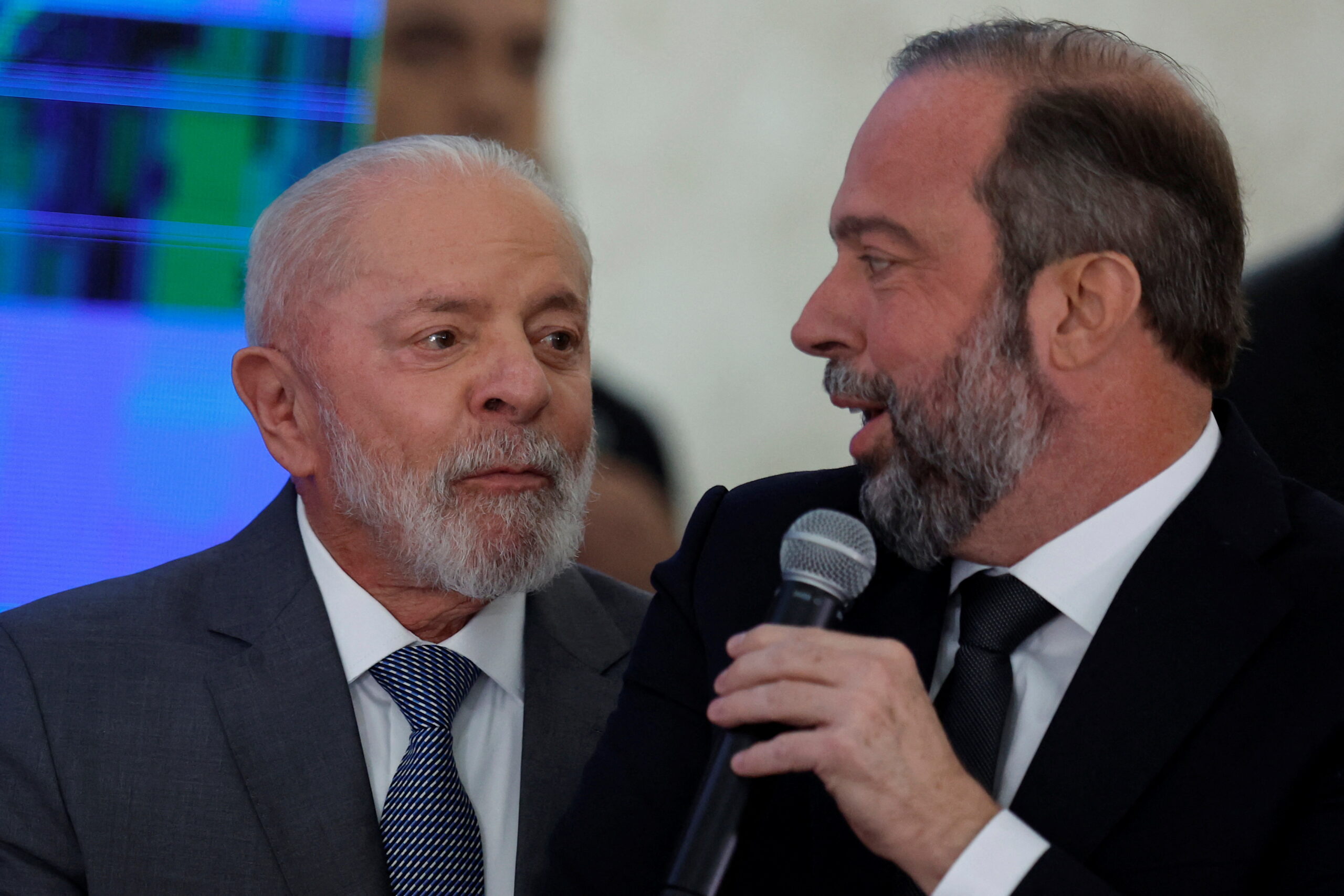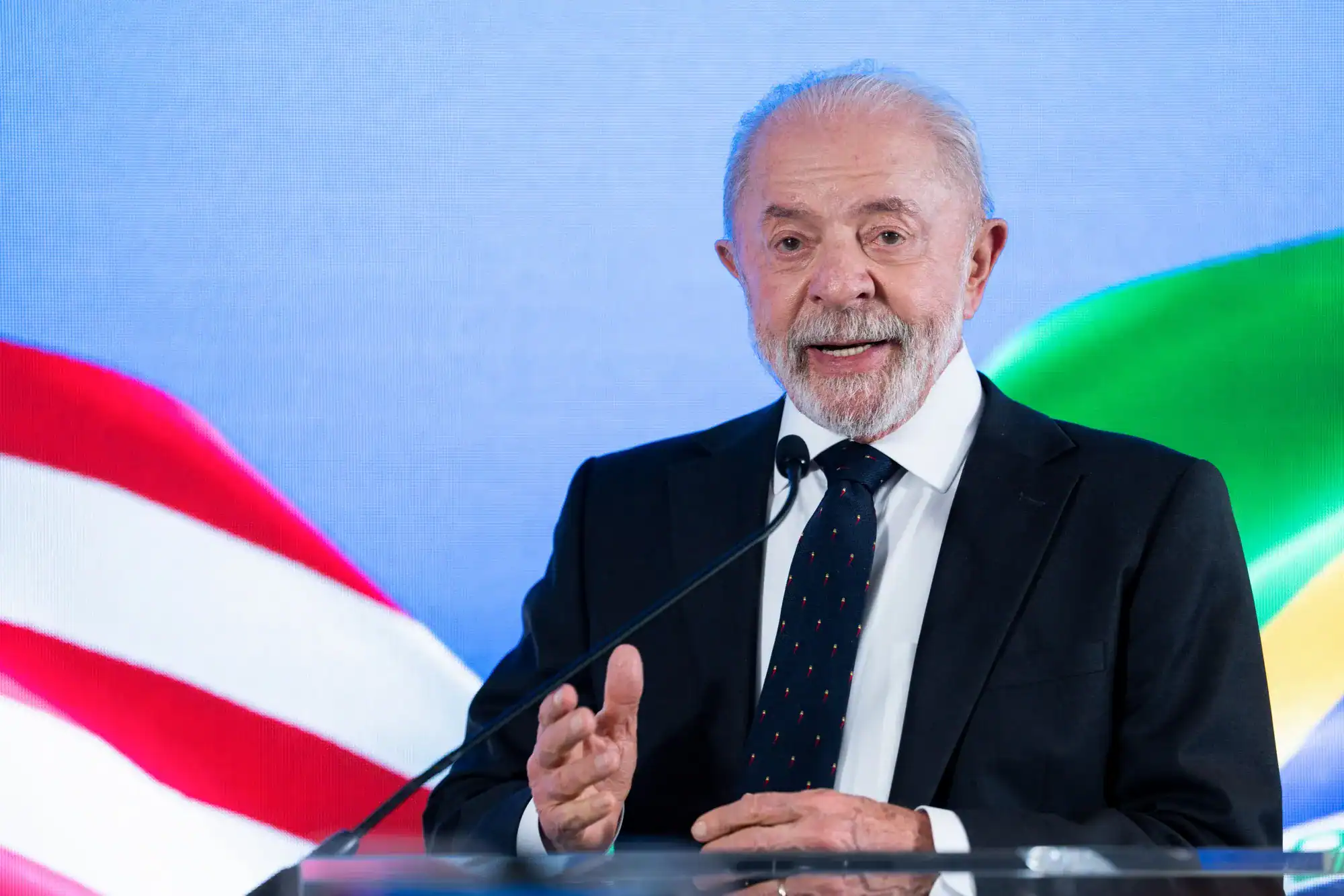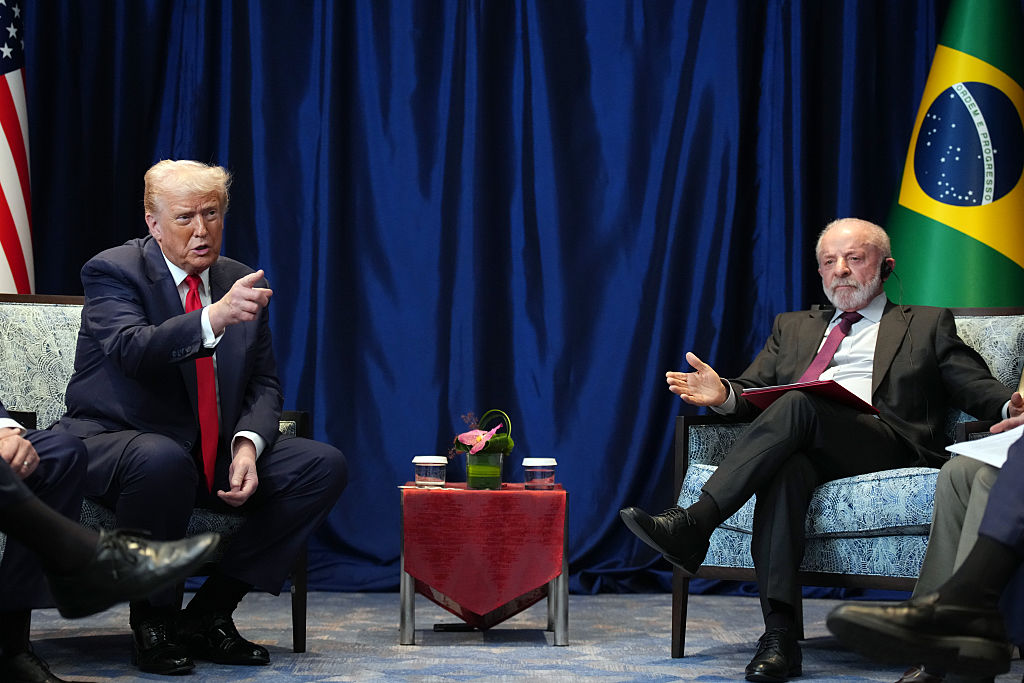
SÃO PAULO—Rare earths are universally recognized as key to the global energy transition. But they also appear to have accomplished something almost as momentous: bringing Donald Trump and Luiz Inácio Lula da Silva together.
Indeed, when the presidents of the United States and Brazil abruptly put their months-long conflict aside and began negotiating starting this September, a shared interest in rare earths was seen as one of the main reasons.
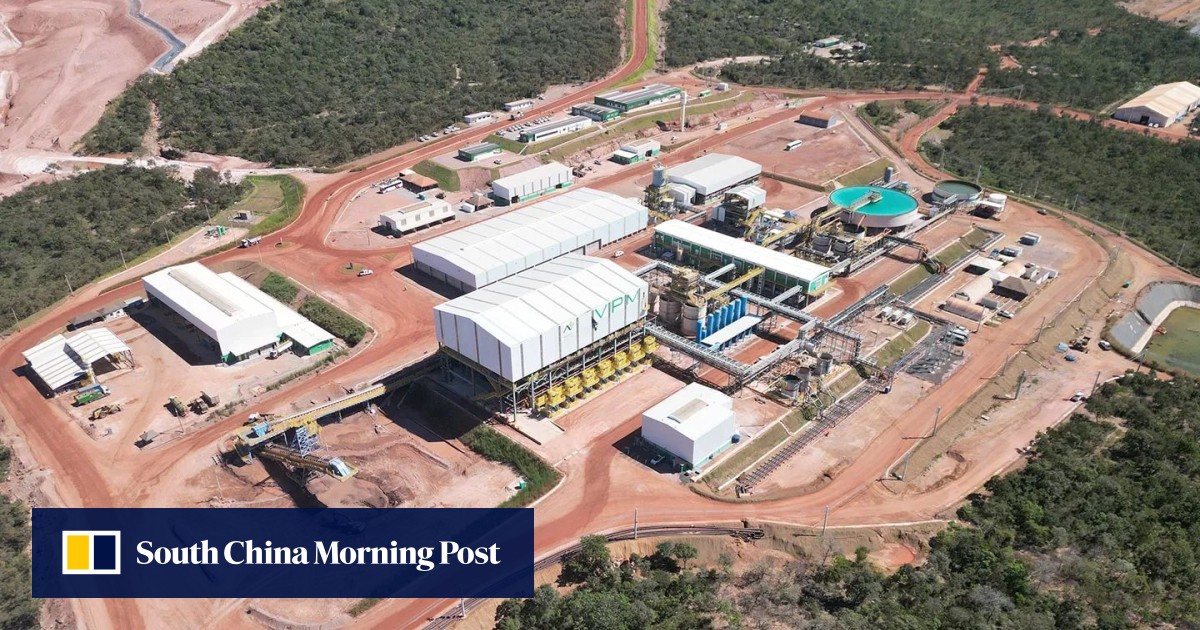
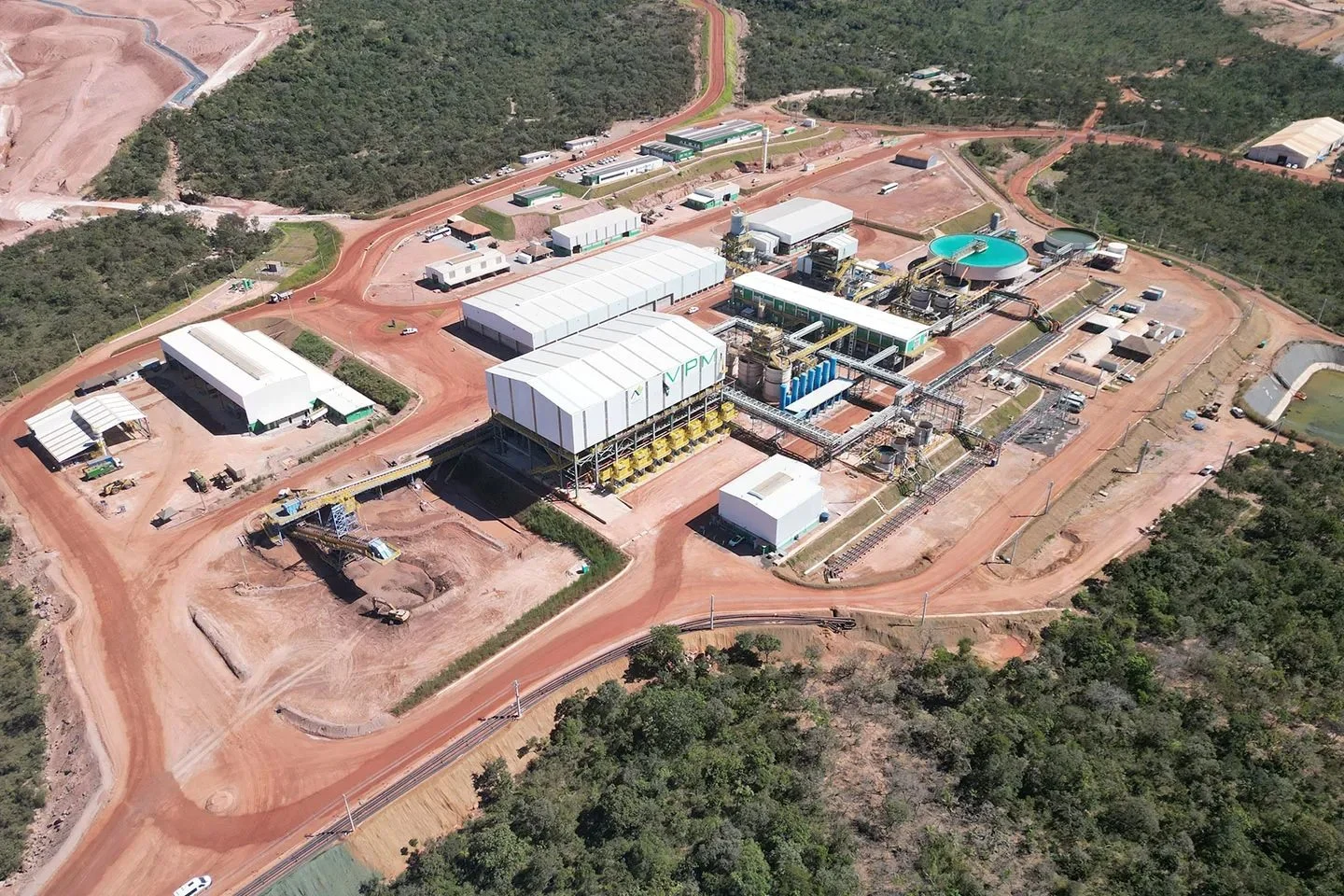
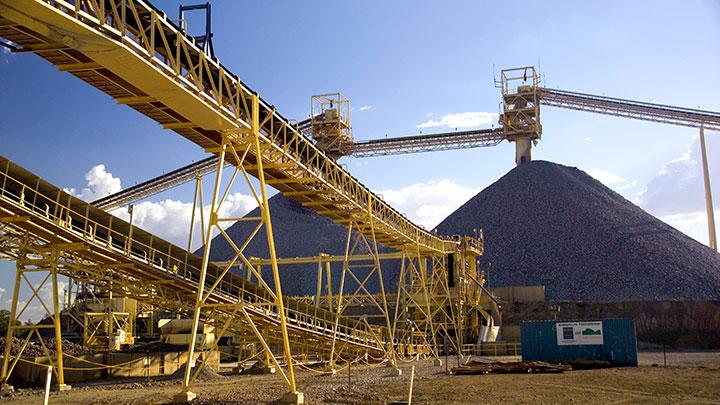
Brazil has the world’s second-largest proven reserves of rare earths behind China, but has struggled to develop them due to a lack of capital and expertise. The U.S. has stepped up its search for rare earths after China threatened to withhold the materials earlier this year.
The question now facing both countries is: Can they reach a mutually beneficial deal?
Recent events added fresh momentum. Last week in Washington, Brazilian and U.S. officials—including representatives from the Inter-American Development Bank, the U.S. Commerce Department and Brazil’s Ministry of Mines and Energy—formally reopened their critical minerals dialogue, with rare earths at the center. According to public readouts, both sides signaled interest in joint ventures and technical cooperation to accelerate Brazil’s capacity to extract and process rare earths, while the U.S. emphasized the urgency of diversifying supply chains away from China. The meeting was described as the clearest indication yet that Brasília and Washington are prepared to move from political alignment to practical, investment-oriented collaboration on the issue.