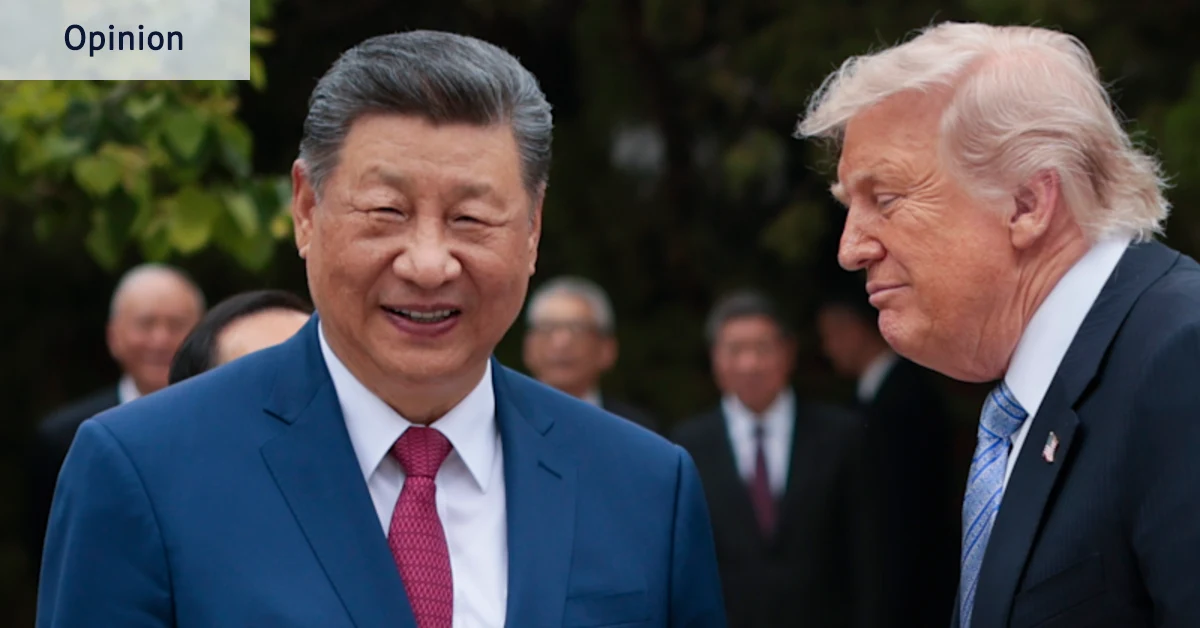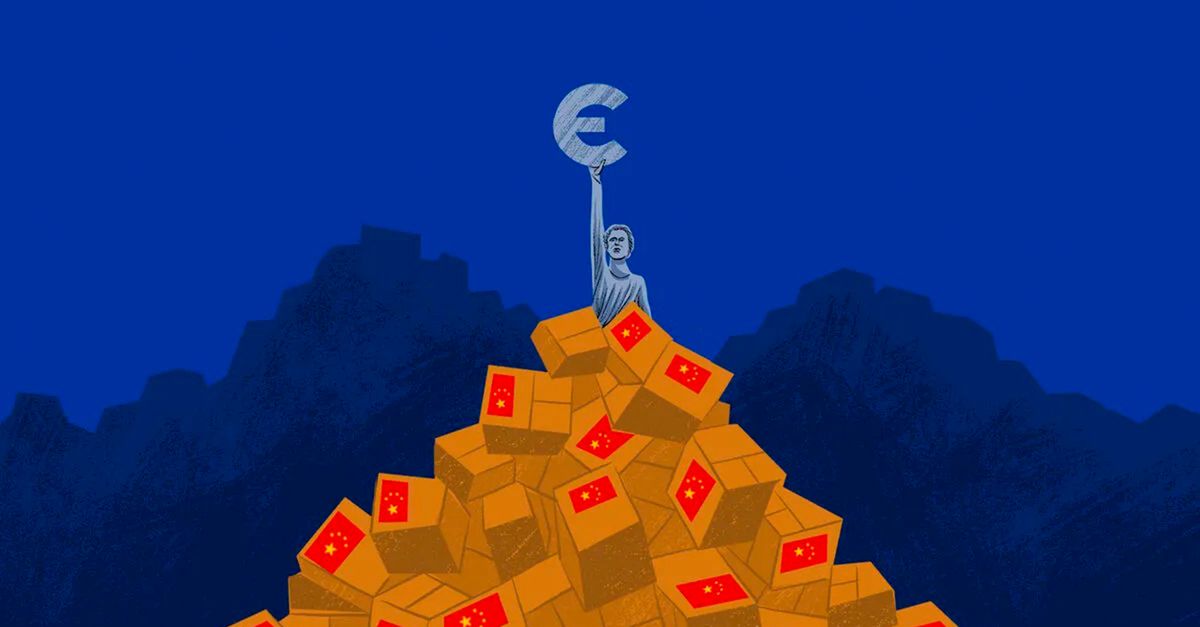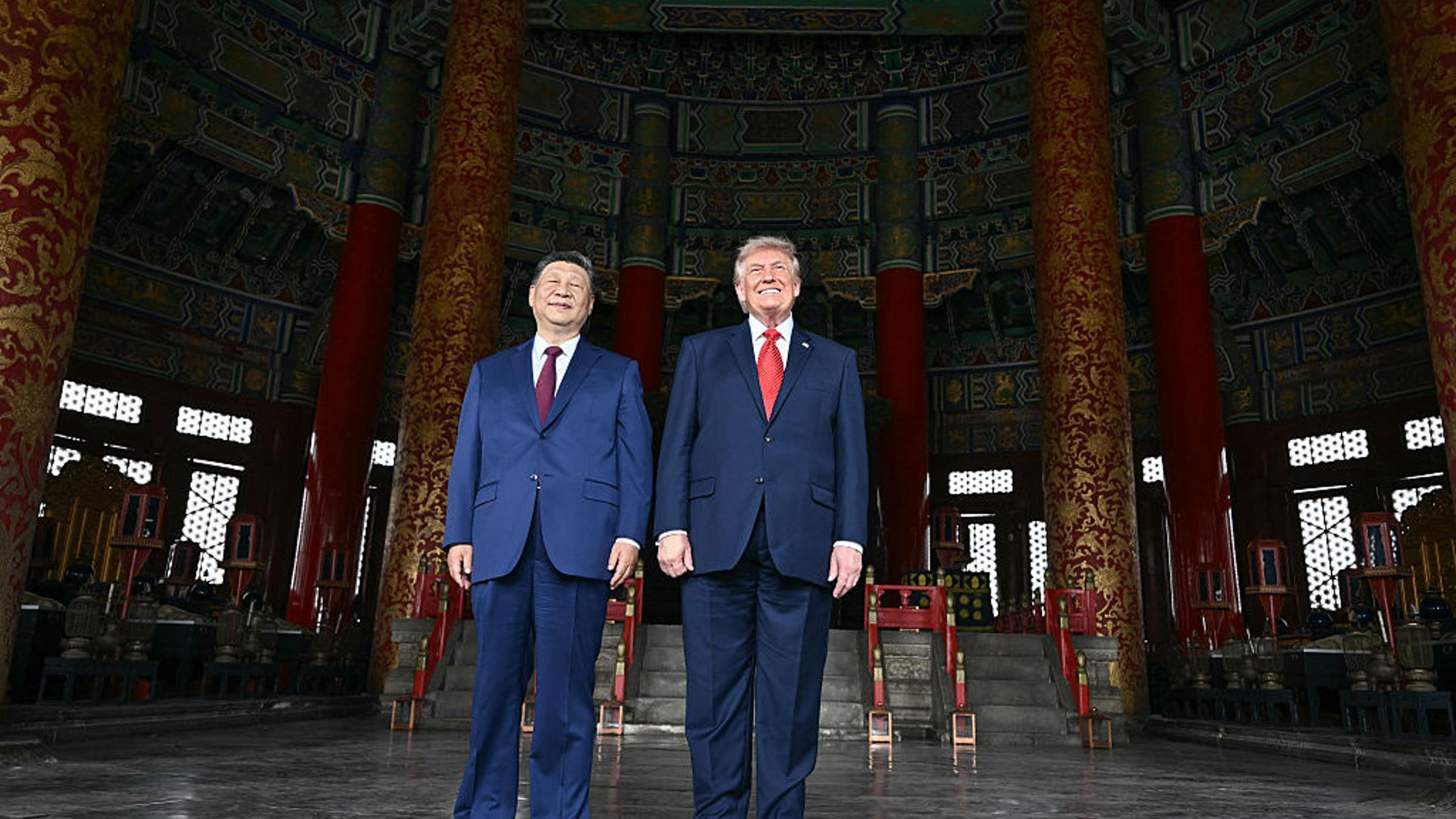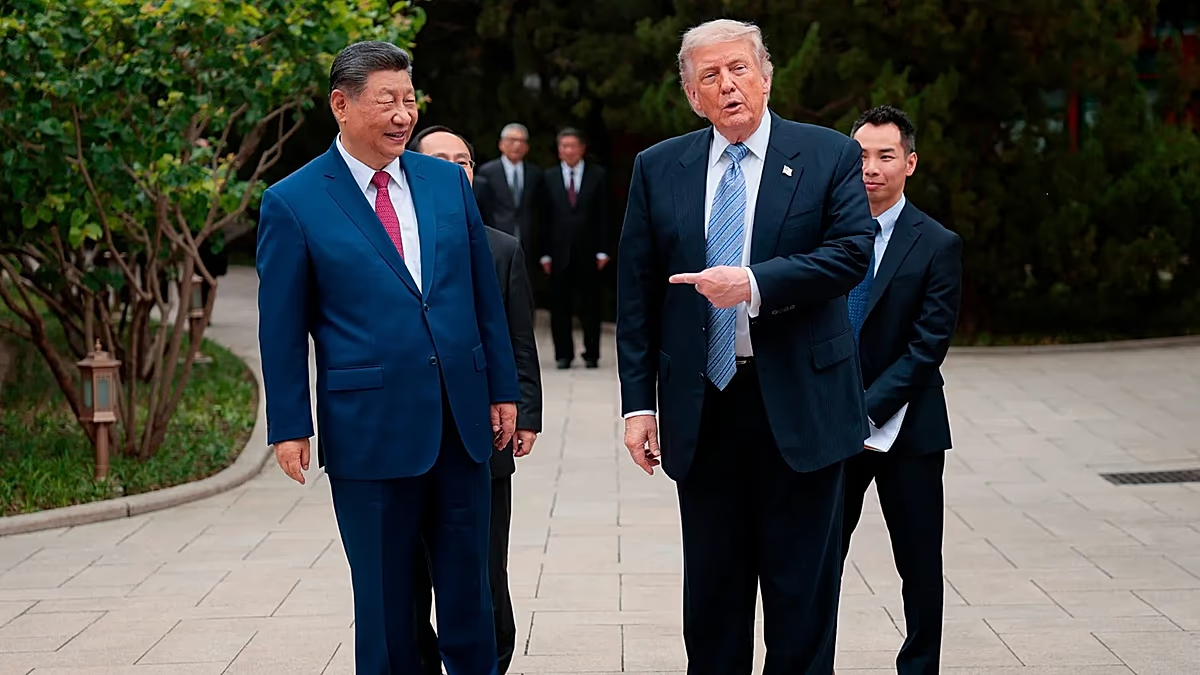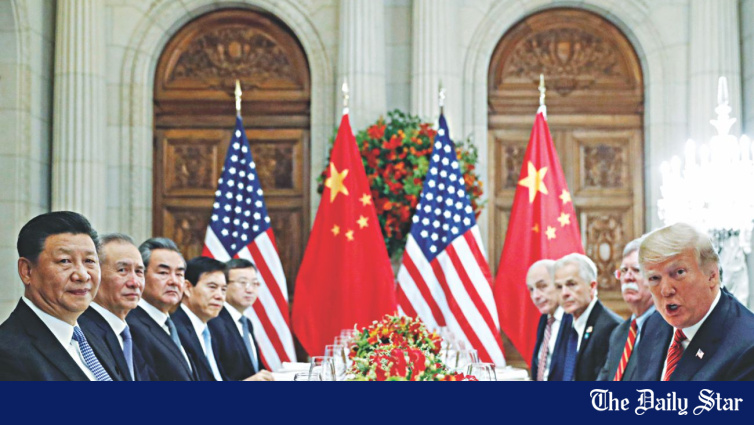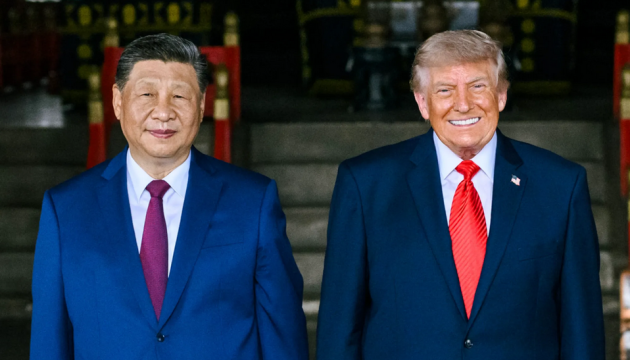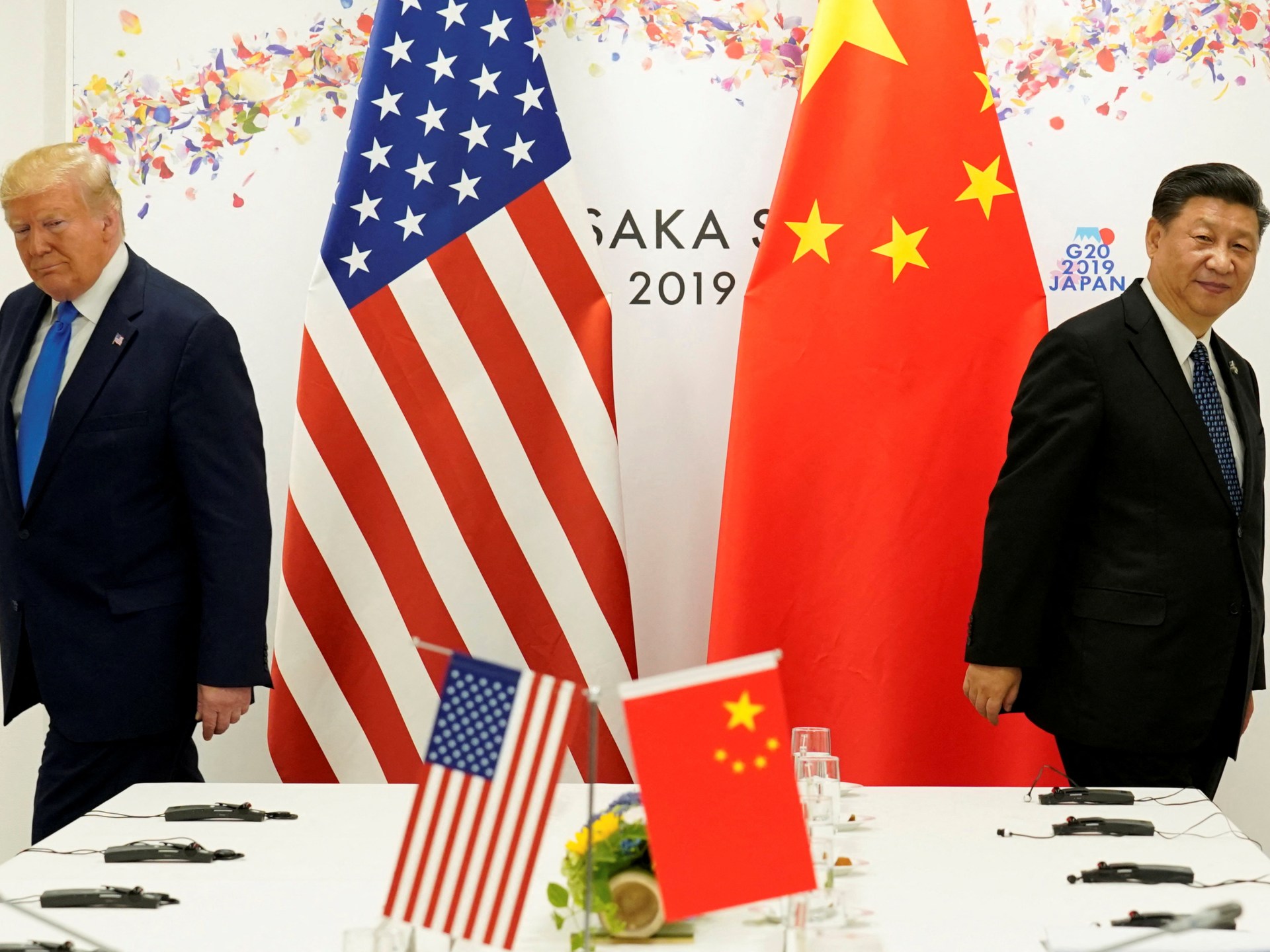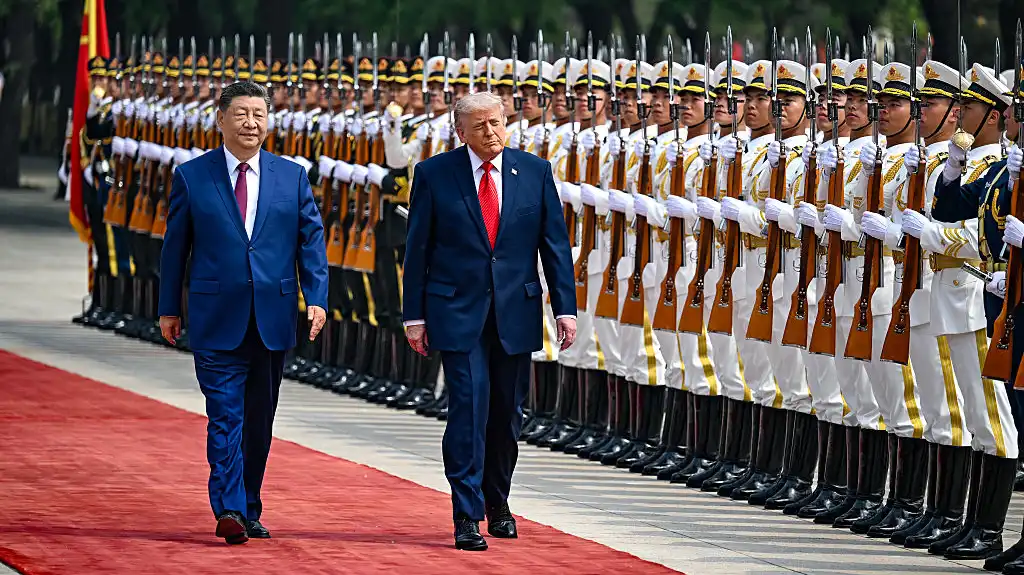
Last week, President Donald Trump and Chinese President Xi Jinping met in Beijing to discuss a range of issues, including trade tensions. And while the outcome of that meeting didn’t result in any concrete trade deals, more talks appear to be in the offing.The thing is, this summit is just the latest episode of a trade war that’s now been going on for eight years. And between that, and the president’s attempts to tariff most U.S. trade partners, trade wars seem to be everywhere.In their new book, “How to Win a Trade War: An Optimistic Guide to an Anxious Global Economy,” Chad Bown, senior fellow at the Peterson Institute for International Economics, and Soumaya Keynes, columnist at the Financial Times, make the the case that the best course of action is just to fight trade wars better. They spoke with “Marketplace” host Kai Ryssdal about their book. The follow is a transcript of their conversation.Kai Ryssdal: Would one of you please, just so we all have the same definition here, tell me what a trade war is?Book cover. Courtesy Simon & SchusterSoumaya Keynes: Yeah, well, that's a big question. I think most people think of trade wars as Trump-style tariff attacks, and what we are saying is that trade wars are much broader than that, right? So trade wars involve parties weaponizing trade flows, using trade to coerce other actors, make others do what they want. It's a scary world out there.Ryssdal: I was told, Chad Bown, that one cannot win a trade war, and yet here you and Soumaya are having written a whole book about it. Help me out here.Chad Bown: Well, I was actually one of the people who used to say such a thing.Ryssdal: I think you said it to me on this program.Bown: Actually, I think I have. But that was the old world, and unfortunately we're in a new one now where we have to fight a trade war. You're not allowed to say I don't want to play in this game, and given that, the way to win is to do the best that you can. Sometimes that's to minimize your wounds, but we think there's actually more opportunities there than that, that you can actually do better if you actually learn how to fight.Ryssdal: Well, go on, one of you, because we all know that trade wars are not great, and it's not going great.Keynes: Yeah, so there are essentially two big trade wars happening right now. You've got the trade war that President Trump started on everyone, but then you've also got the slower burn trade war that China is essentially fighting with the rest of the world, and this is essentially what Trump is distracting from. By fighting trade wars with everyone else, he's distracting from that big problem. So, step one of winning a trade war is identify the right trade war. But also logistics win real wars, right? And so, winning a trade war means doing the prep, means identifying where you're weak, identifying where you're strong. Considering all the weaponry — so stockpiling, giving companies handouts — in this world of economic conflict, we have to consider these weapons because that's the world we're in. Everyone else is fighting dirty, and so unfortunately, we've got to learn how to as well.Ryssdal: Chad, does it ever strike you, or does it ever occur to you how amazing it is that we're here. You're a guy who spent his whole life on trade and trade policy, right, in academia and in the government, and here you are now, literally in the middle of a trade war.Bown: It's at some level a little bit surreal. We've thought so hard about how it is that you actually do need to use things like subsidies into industrial policy, stockpiling, and tariffs to get yourself out of these situations. It is a little bit weird to realize that, yeah, I'm now saying this, but it's the reality that we're now in. And China is really a big part of this story, and these are some of the tools that you have to figure out how to use effectively when you're going to engage with China in a trade war.Ryssdal: So let's go back before [the first Trump administration], right, before the original steel and aluminum tariffs. In the previous 40-ish, maybe 80-ish years. It's, it's not like global trade was great, but there were rules, and there were things that people did and didn't do, and it kind of seems like they don't apply anymore, right?Keynes: Yeah, and I think that's for a couple of reasons, right? I mean, the obvious one is that President Trump is not a rule-abiding guy. It's not his personality type, but also we've got China's system, and there are certain aspects of it that are just not really compatible with the rules that we have now. The rules of the trading system are supposed to constrain the way that governments give money to their companies, to give them handouts, to give them a competitive advantage. Now, the problem is that the way China gives out subsidies is incredibly opaque, incredibly hard to pin down, and so those old rules just didn't work. And for a while we tried, but we just have to accept the world we're in right now.Ryssdal: Chad, I don't want to go too deep on the great man theory of history, but you and Soumaya had a piece in the New York Times the other day about the recent summit between President Trump and President Xi, and you two said, basically I'm paraphrasing, and correct me if I'm wrong, this is never going to work with those two guys in charge.Bown: They're not seeking to get to a solution on this problem, and so what we argued is you probably do need to have a different approach between these two economies. And one of it is to recognize that, especially on the case of the Chinese side, they have built up so much market dominance in manufacturing sectors, we all know now these examples of rare earths and permanent magnets that U.S. companies are reliant on to be able to make things here at home, that you have to do something about that, right? You need to reduce those dependencies somehow. And right now, those two players, they've got a short-term truce. We're not going to raise tariffs on you if you'll give us some of those rare earths and permanent magnets, but they haven't come to a resolution between themselves allowing us to reduce that dependency on the United States side. What we would propose is a way to actually tackle that kind of problem, to prevent it from spilling up and escalating in a way that it did really last year, which was the root of some of the problems in the relationship between the two countries.Keynes: Just to jump on that, you know, in an ideal situation, the U.S. would say, "Look, we are going to borrow less money. We're going to do policies at home. That means that the trade deficit would fall. The Chinese would spend a bit more themselves, they would import a bit more, but for that to happen, both Trump and Xi would need to have personality transplants. It's not going to happen, and so again, we can't wish that we were in that perfect world. We've got to be pragmatic, and maybe the best we can do is manage the fallout as these two leaders, or you know, countries, really, thinking about the longer term, are trying to reduce that overdependencies on each other.Ryssdal: OK, so look, not to quibble with the choice of the subtitle here, the book is called "How to Win a Trade War: An Optimistic Guide to an Anxious Global Economy." When do we get to the optimistic part?Keynes: Yeah, this is my confession. Okay, so I think it is optimistic in that we're really not trying to throw up our hands and say, oh, isn't it all terrible, and you know, woe is me. There are things you can do. There are ways to fight a trade war better. Where we are a bit pessimistic is how long it's gonna take to get to something stable, right? And that could take a really long time. If you look back at the 20th century, it took decades. It took the Second World War to persuade people that actually we need some kind of stable system. And you know, fingers crossed that we don't need that again.Ryssdal: Chad Bown, you get the last word. Decades and decades, that's a bit daunting.Bown: It is, but again, I'm with Soumaya. We have to be optimistic about this. We do have a lot of lessons from economic evidence, from history, about how to manage the challenges that we are facing right now, how to do things better, and that's where some of the optimism comes from. Right now, I think we're in a place where we're not doing that well. We can do it better. Here's a guide to show us the way.
If trade wars are the new normal, how can we fight them better?
In their new book, co-authors Chad Bown and Soumaya Keynes make the case that in a global economy where trade wars are everywhere, the best thing to do is learn how to fight them.
1,529 words~7 min read