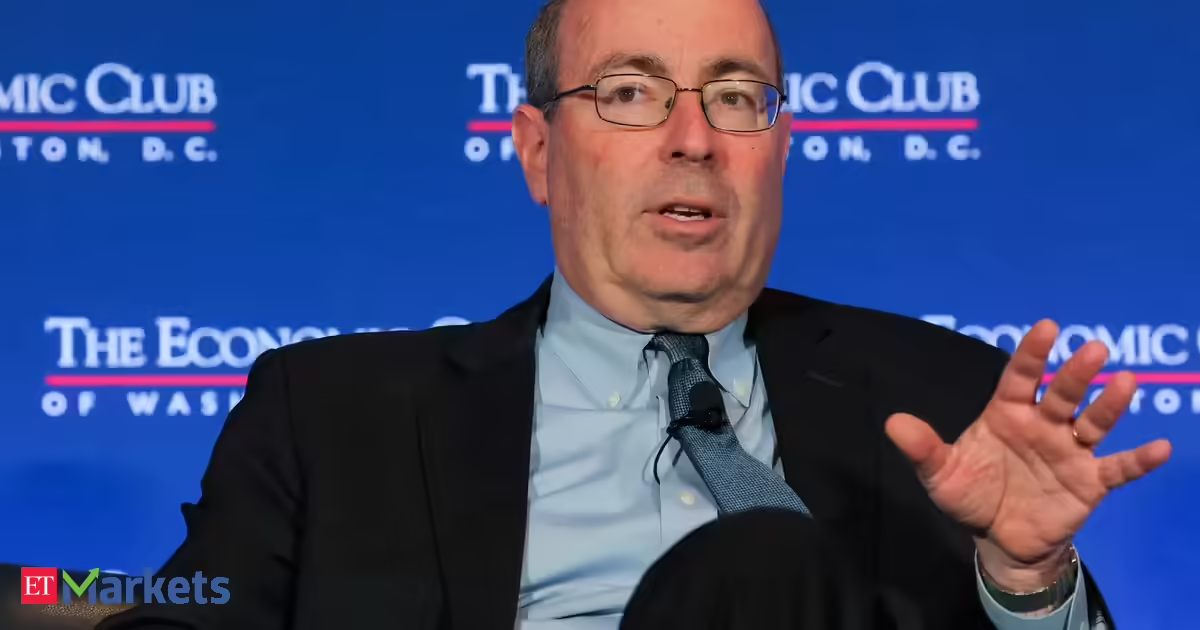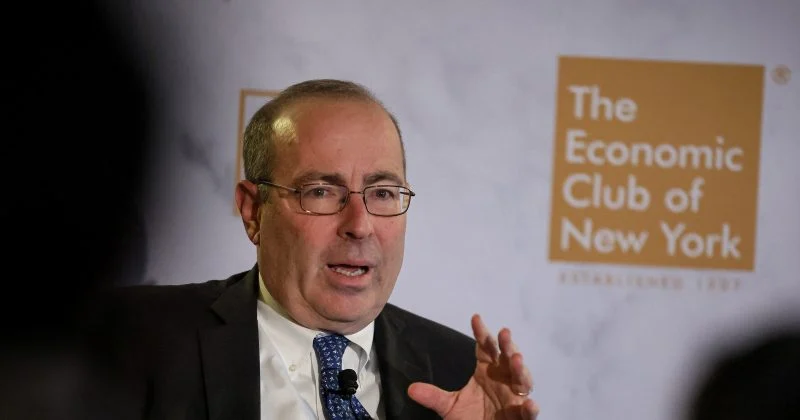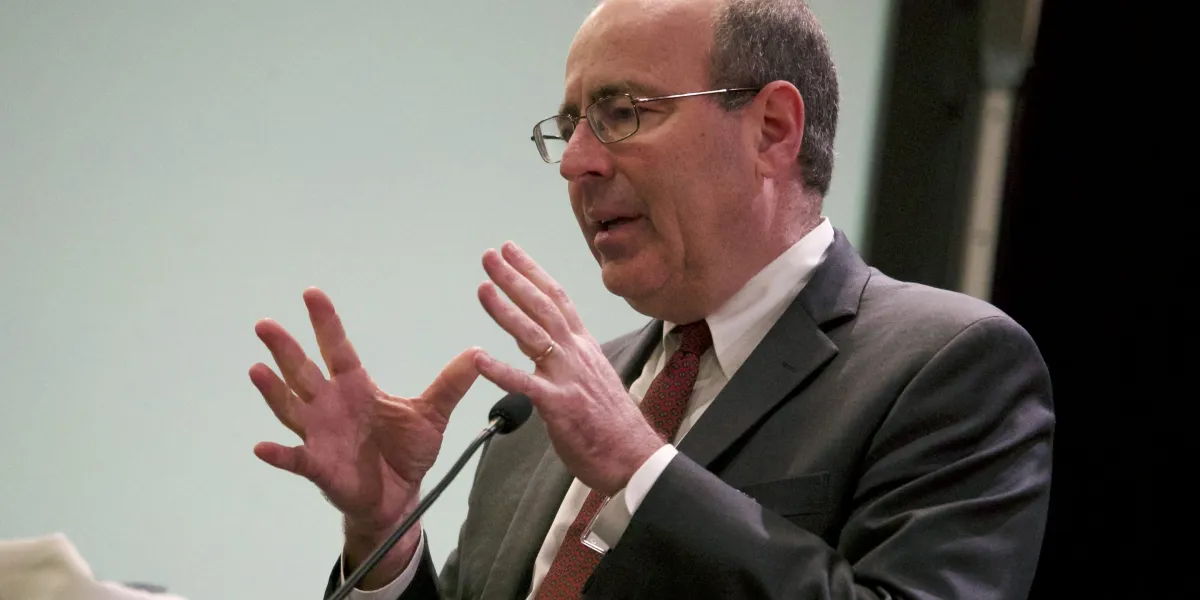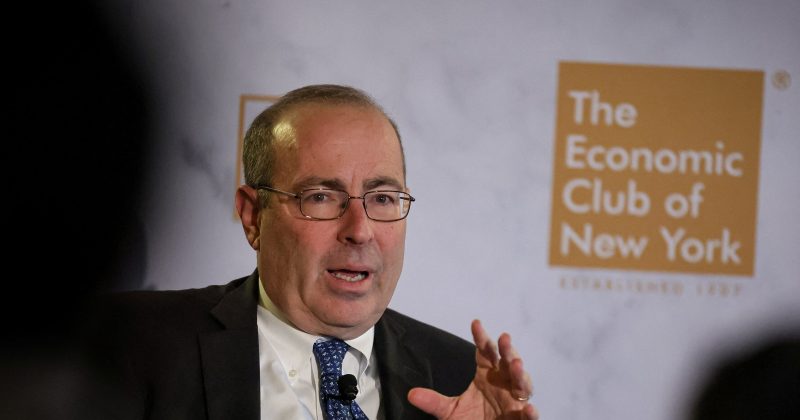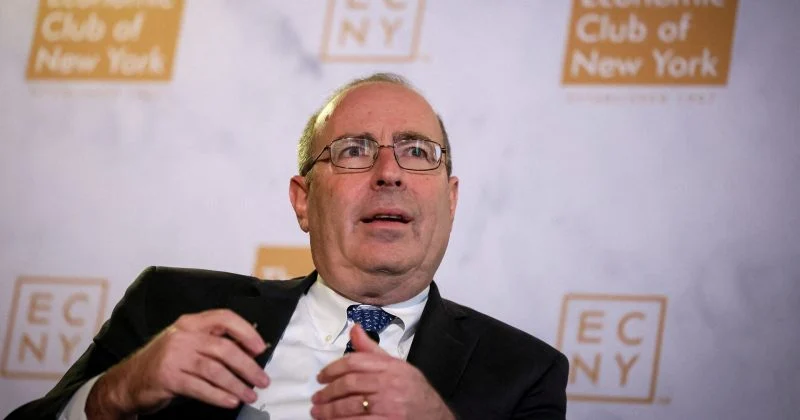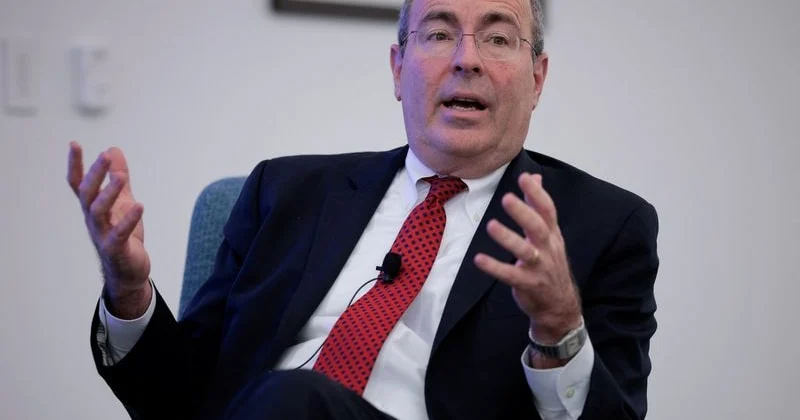
The Federal Reserve has spent decades building credibility around a single number: 2% inflation. Thomas Barkin, president of the Federal Reserve Bank of Richmond, just told the world that number is under siege.
Speaking in Raleigh, North Carolina on May 21, Barkin laid out a blunt assessment of where things stand. Headline PCE inflation sat at 3.5% year-over-year as of March 2026, with core PCE at 3.2%. That 2% target? Inflation has been running above it for more than five years now.
The supply shock pile-up
Barkin ticked through the list: the COVID-19 pandemic scrambled global supply chains. Russia’s invasion of Ukraine sent energy and food prices spiraling. The collapse of Silicon Valley Bank rattled financial markets. Tariff changes reshuffled trade flows. And more recently, conflicts in the Middle East have pushed energy prices higher again, feeding directly into near-term inflation expectations.
That internalization is exactly what Barkin is worried about. When companies stop assuming inflation will come back down, they price accordingly. When workers expect higher costs, they demand higher wages. When inflation expectations drift upward, the Fed’s anchor, the shared belief that prices will stay stable, starts to slip.