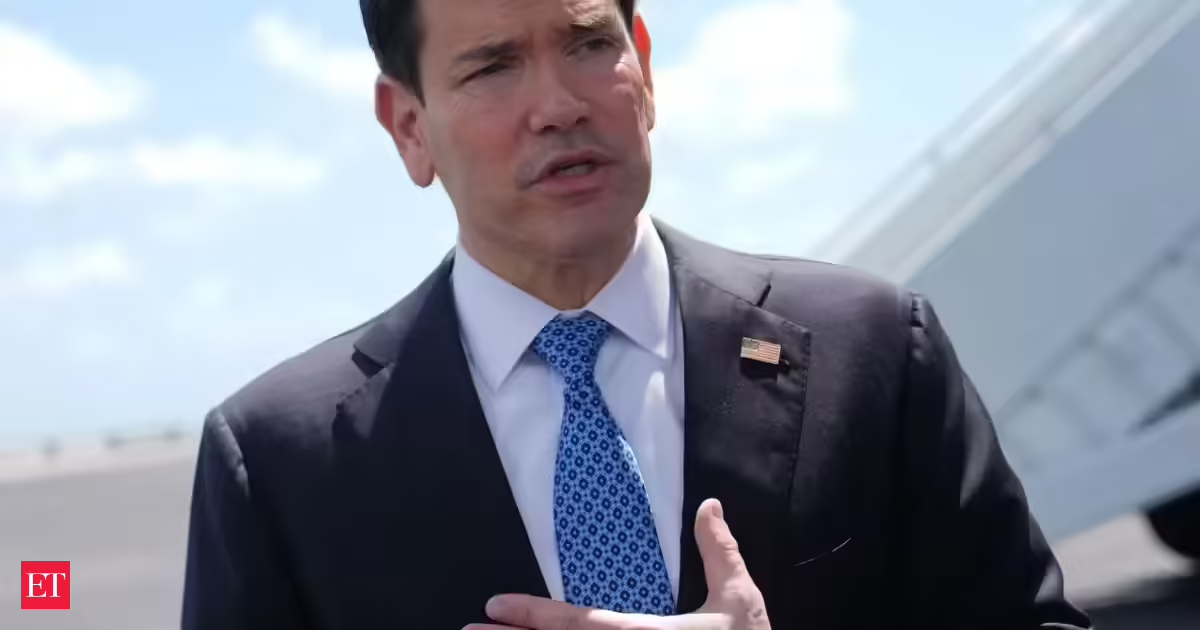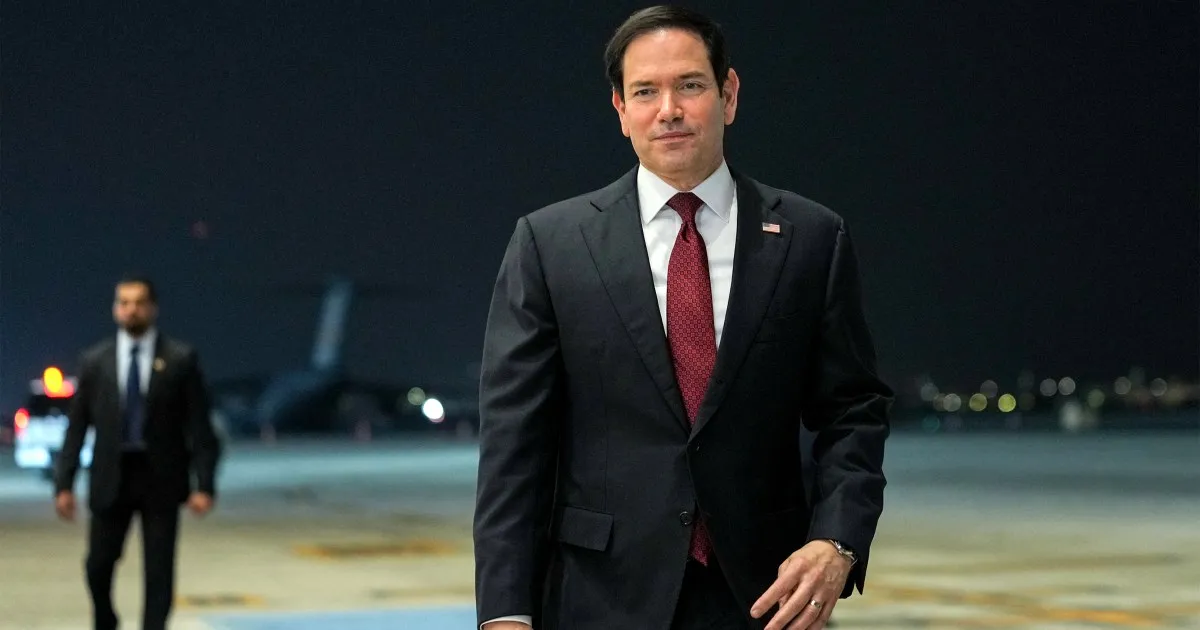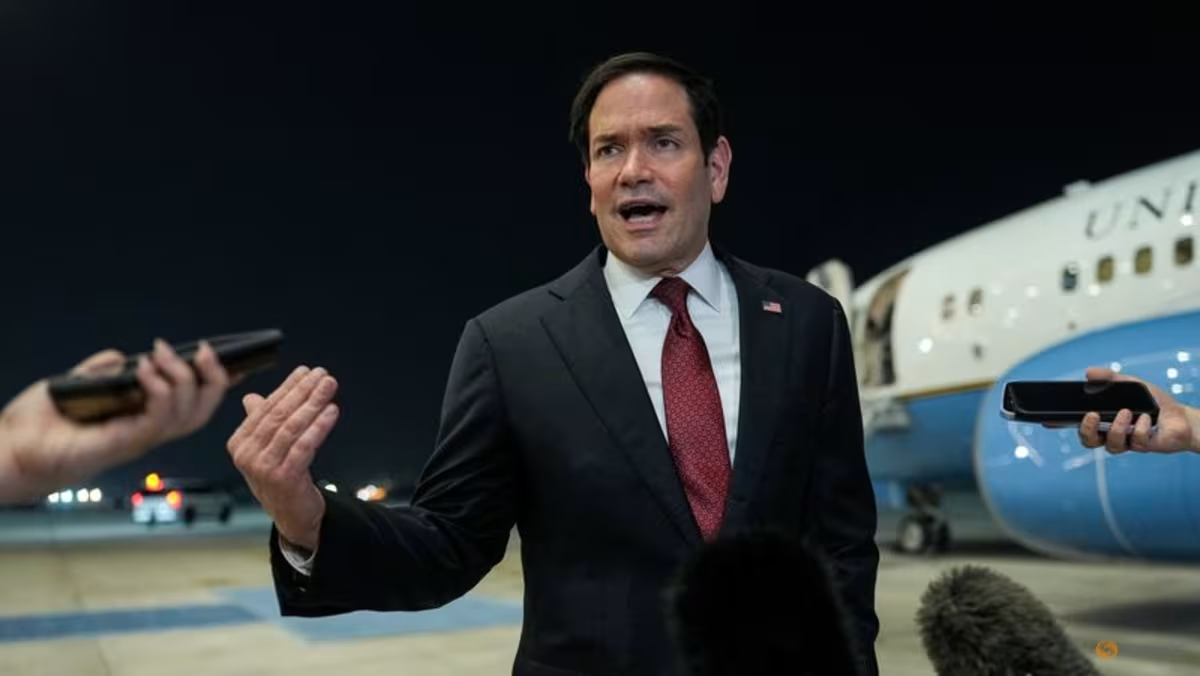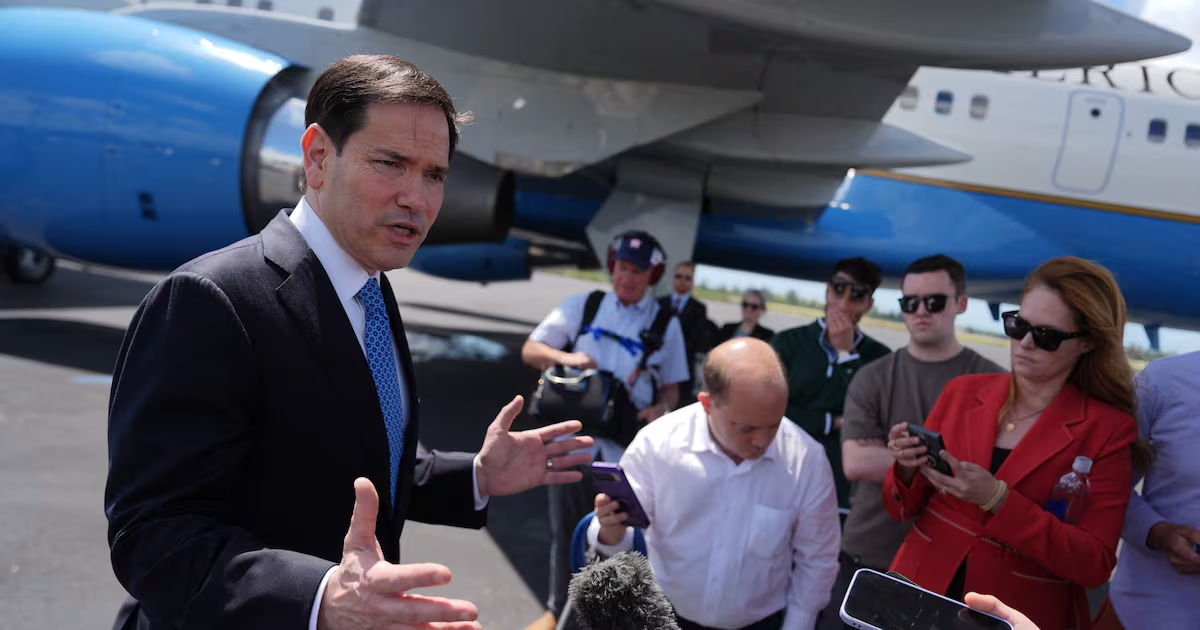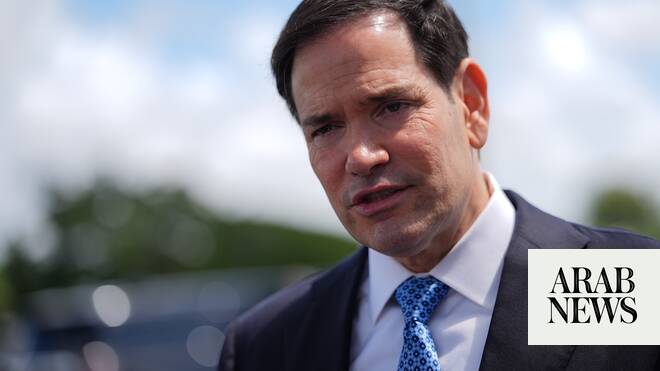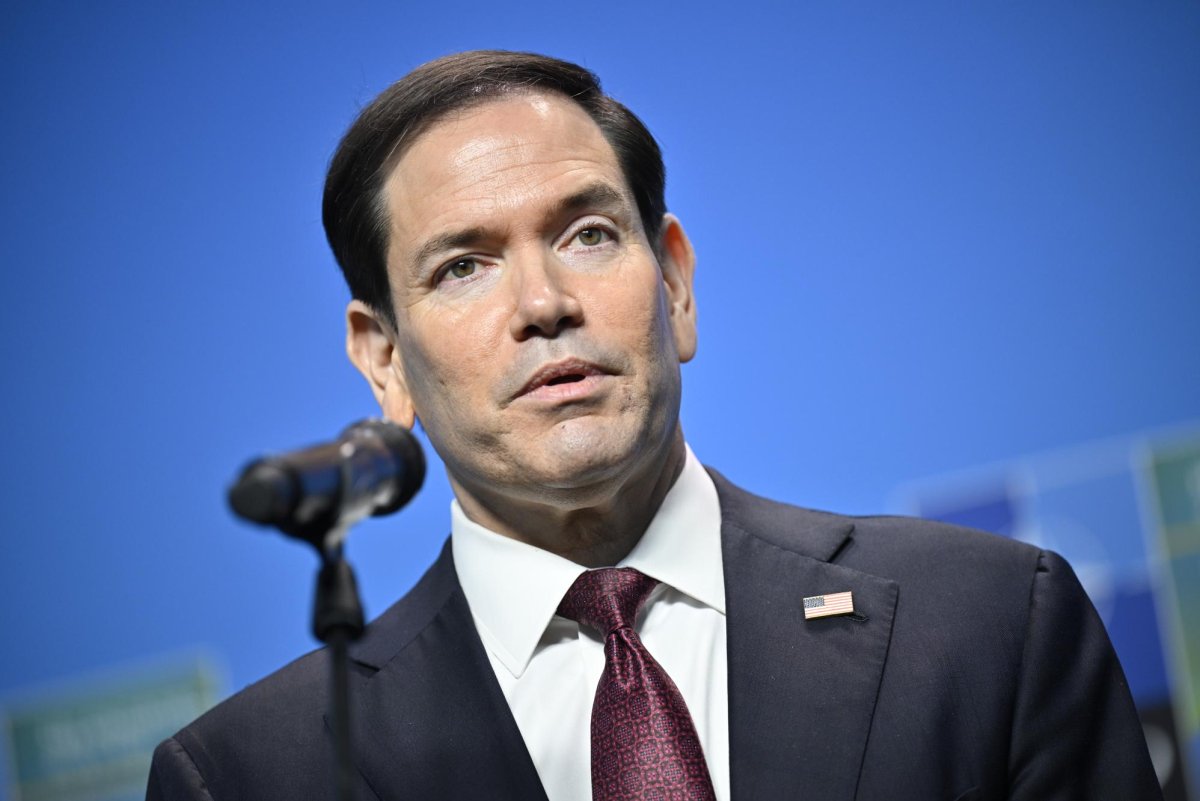
US Secretary of State Marco Rubio drew a hard line on Thursday, declaring that any Iranian tolling system in the Strait of Hormuz would effectively torpedo diplomatic negotiations between Washington and Tehran. “No one in the world is in favor of the tolling system. It can’t happen,” Rubio told reporters.
Here’s why this matters beyond the geopolitics: Iran isn’t just shaking down tankers for cash. It’s reportedly accepting Bitcoin, Tether’s USDT stablecoin, and Chinese yuan as payment, making this one of the first known instances of a nation-state using digital assets to impose transit fees at a globally critical waterway.
What Iran is actually doing in the Strait
Since mid-March 2026, Iran’s Islamic Revolutionary Guard Corps has been running what amounts to a mandatory clearance-and-escort regime for vessels passing through the Strait of Hormuz. Think of it as a toll booth in the middle of the ocean, except the toll collector has missiles.
The fees work out to roughly $1 per barrel of oil. For a large tanker, that translates to payments of up to $2 million per transit.