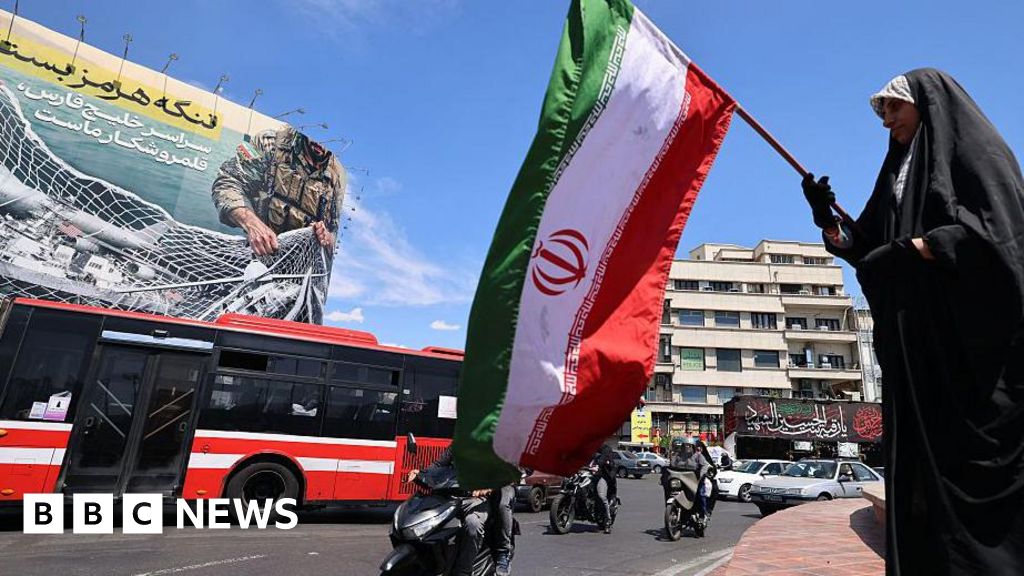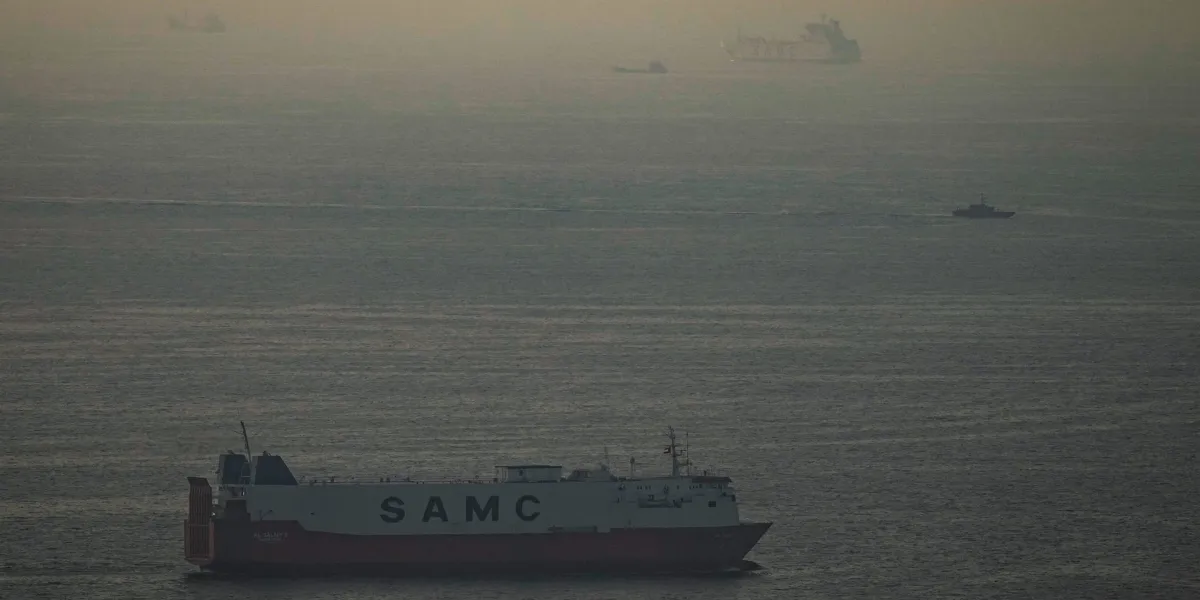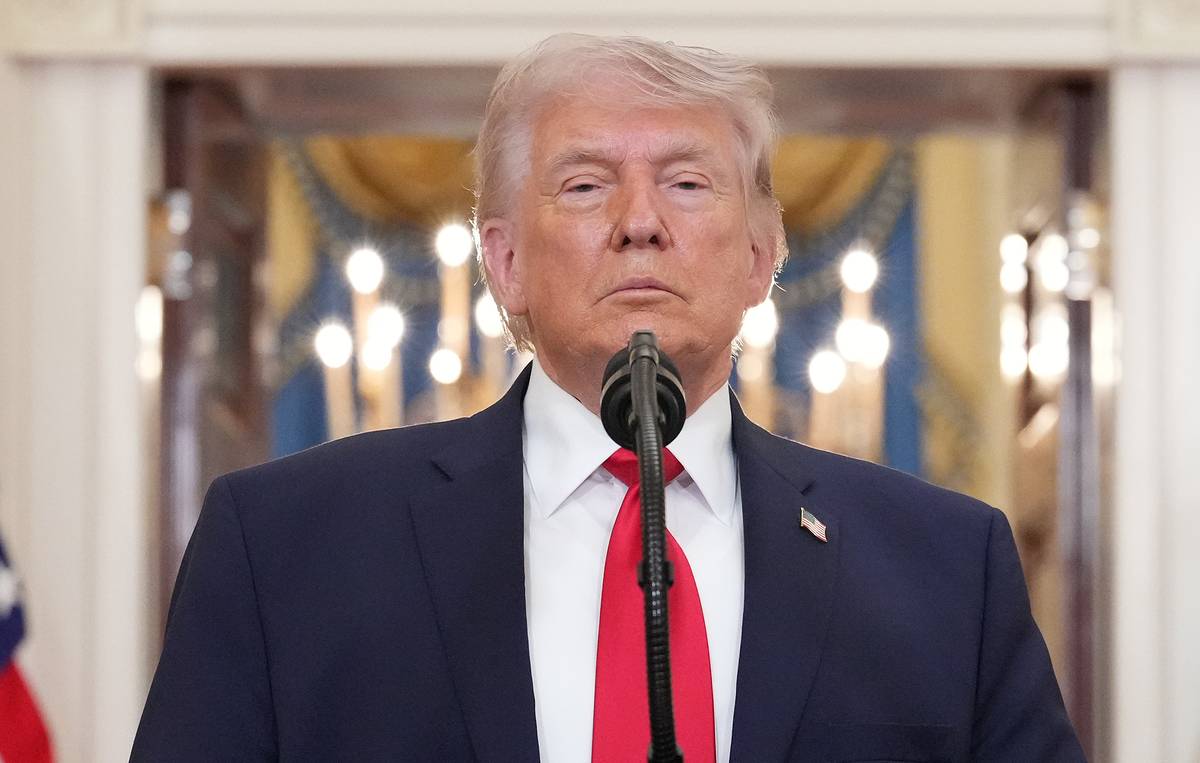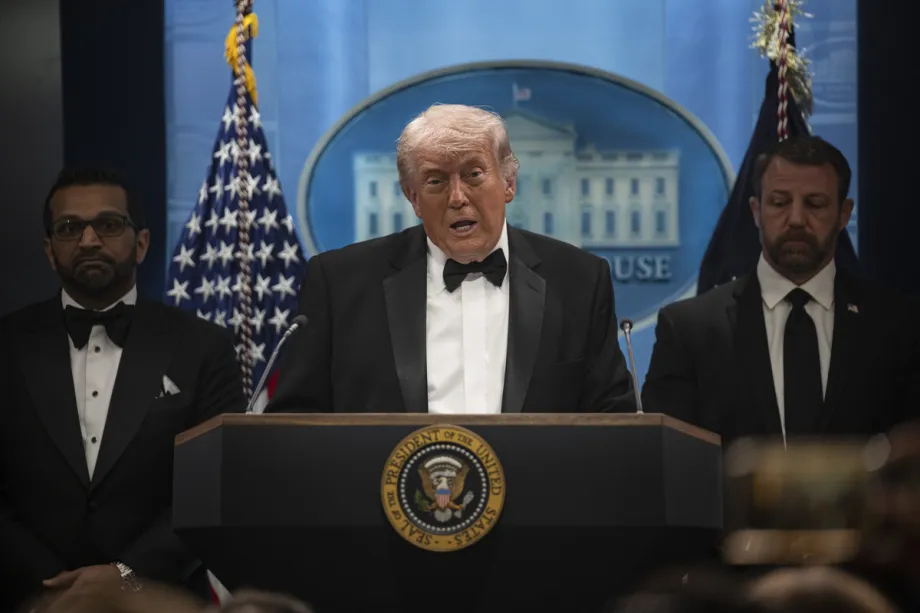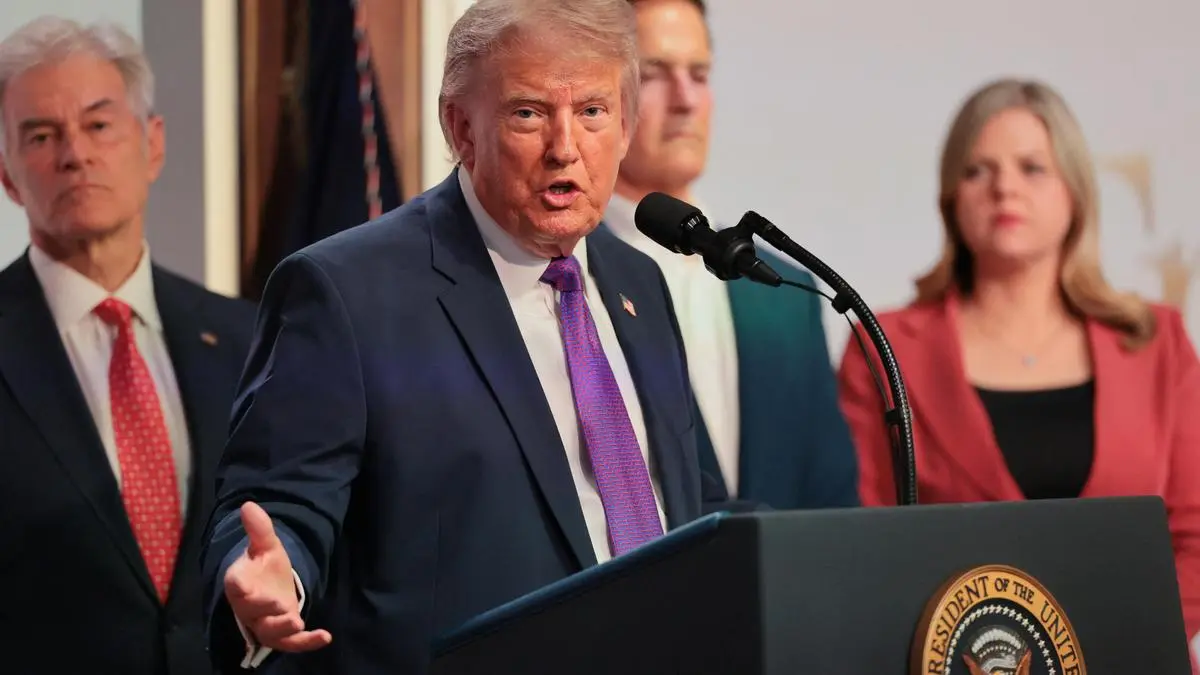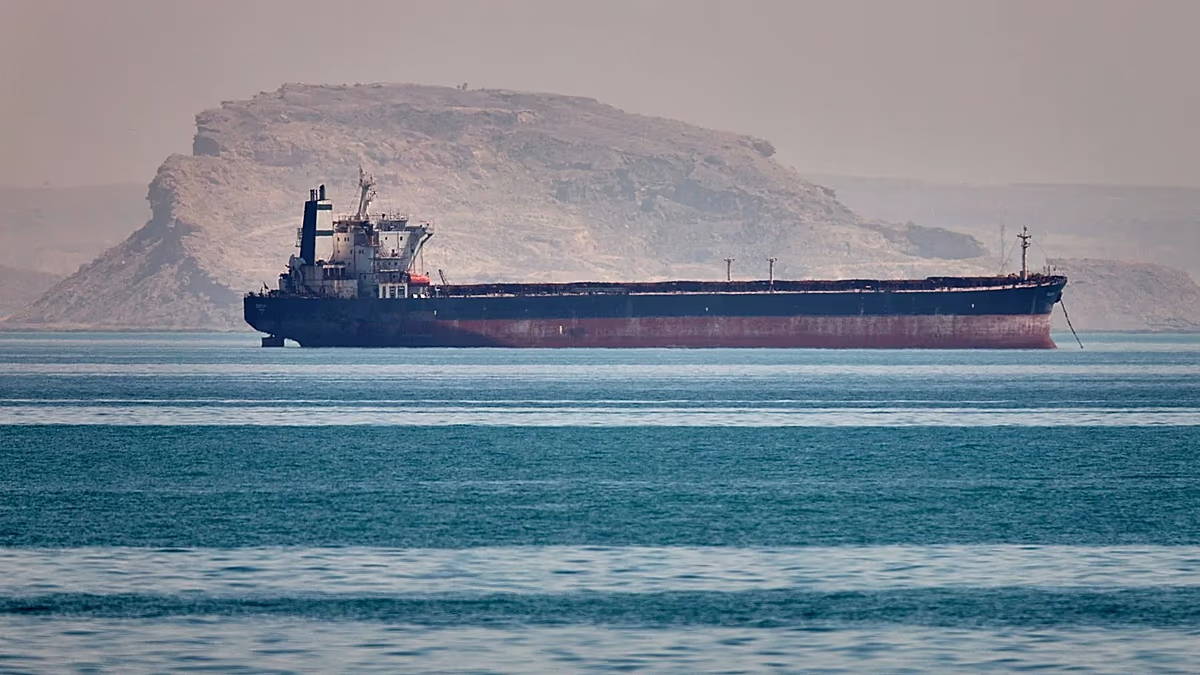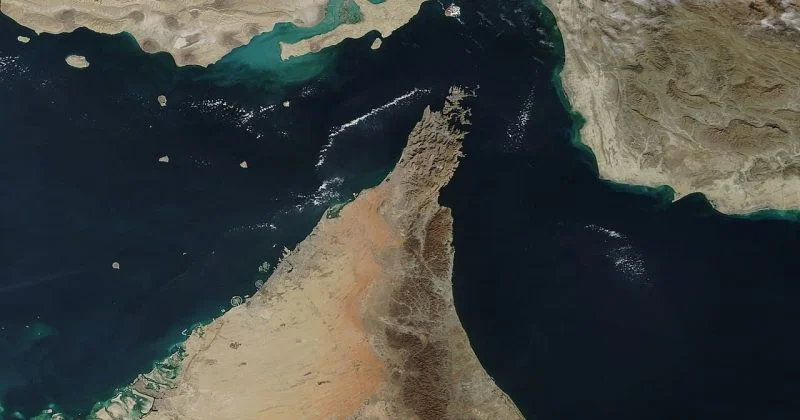
The Islamic Republic of Iran created the Persian Gulf Strait Authority to collect tolls for ships seeking to transit the Strait of Hormuz’s international waters. The normal toll? $2 million. The Islamic Revolutionary Guard Corps reportedly controls the Authority.That matters because the U.S. designates the Revolutionary Guards in its entirety as a terrorist group. This means that any country paying tolls on behalf of its ships is financing terrorism and should be subject to sanctions. At the same time, with Pakistani mediation, President Donald Trump’s negotiating team is negotiating with Mohammad-Bagher Ghalibaf, the speaker of the parliament and an ambitious four-time presidential loser best known to Iranians for his combination of ambition and corruption. Ghalibaf, however, is not the only would-be power broker in the Islamic Republic; indeed, it is not clear he holds any sway among the Iranians whose adverse actions Trump seeks to change.Beyond nominal U.S. allies pumping funds into the coffers of the Islamic Revolutionary Guard Corps, the Trump team has not explained whether Ghalibaf controls the Strait Authority. If he does not, there is a huge problem in Trump’s strategy. Absent an active supreme leader — and there remains no proof-of-life for nominal Supreme Leader Mojtaba Khamenei, who has not been seen since his appointment — there are multiple Revolutionary Guards factions and power brokers; it is unclear whether any single one can deliver his competitors.
Trump needs a tougher Iran negotiating strategy
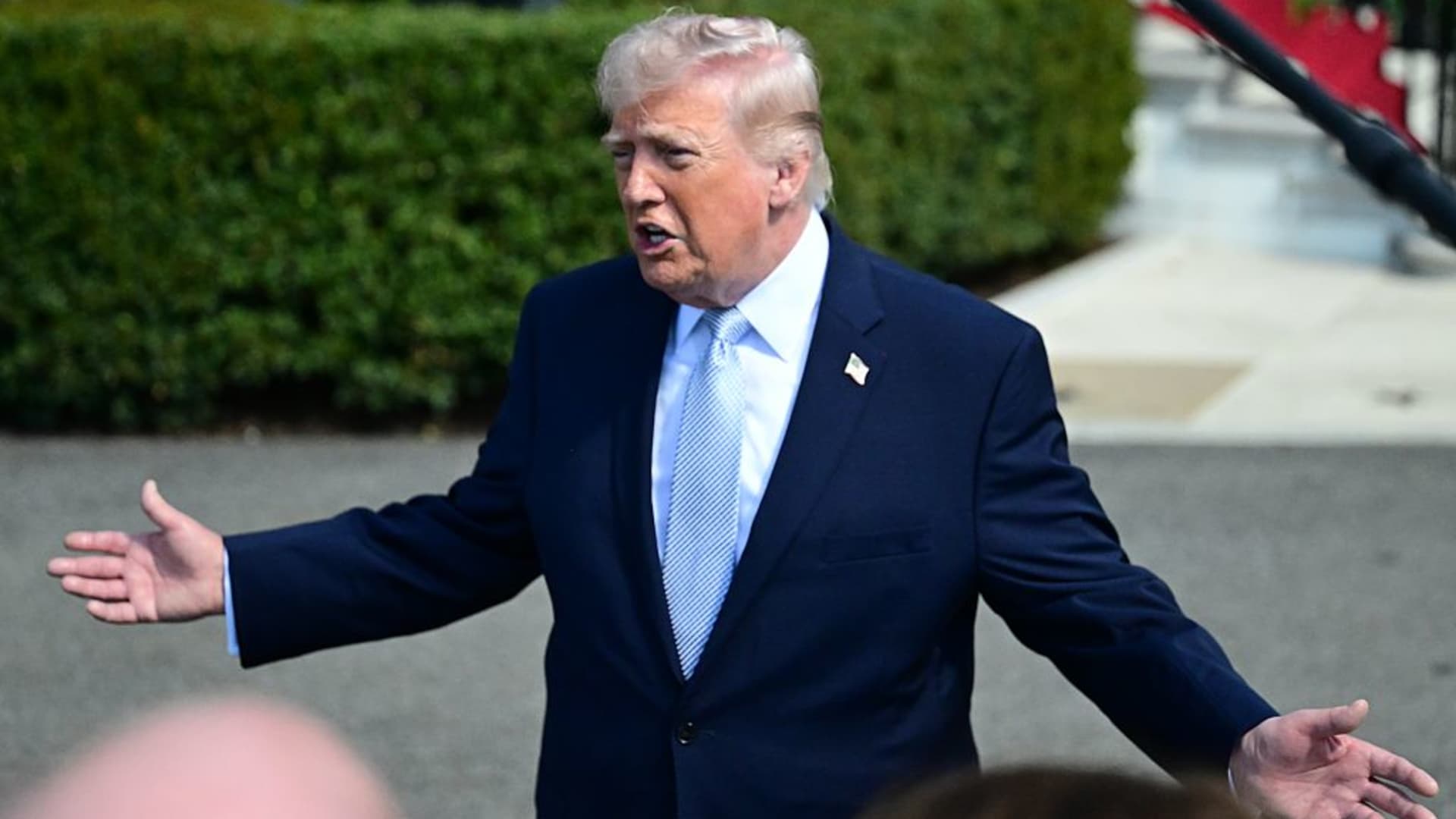
President Donald Trump needs to refocus his Iran negotiating strategy on the people either stopping progress or willing to make a deal.
666 words~3 min read