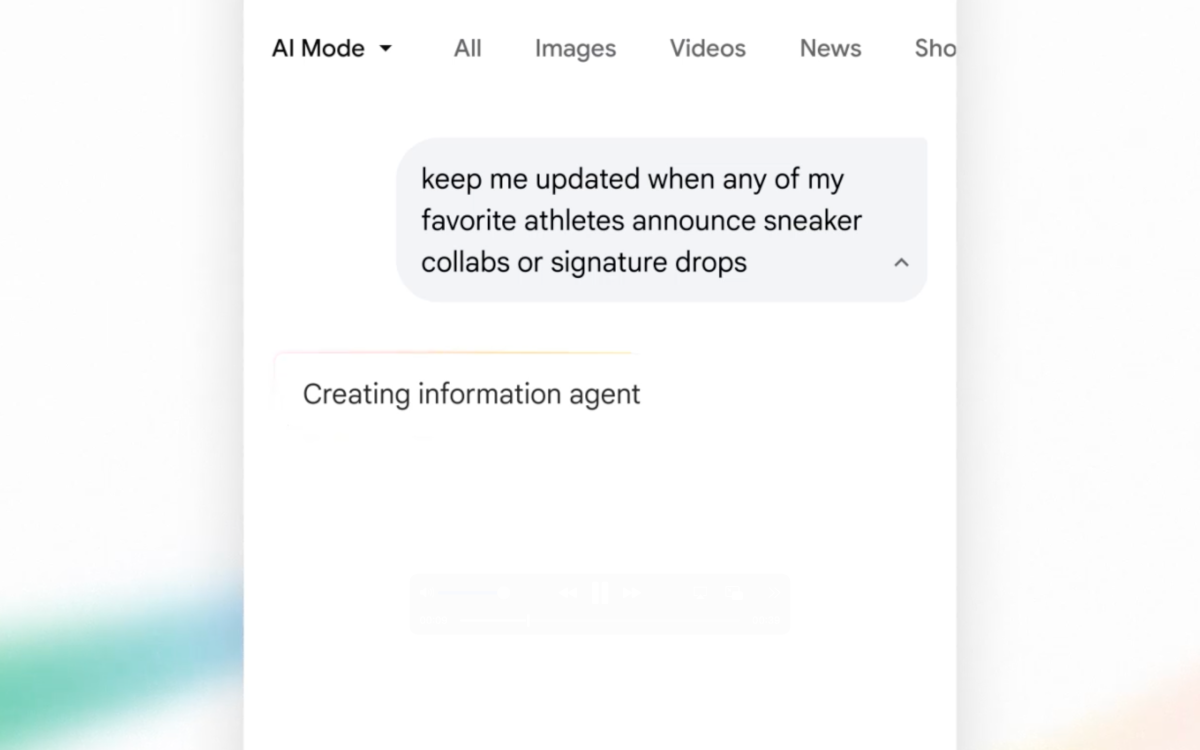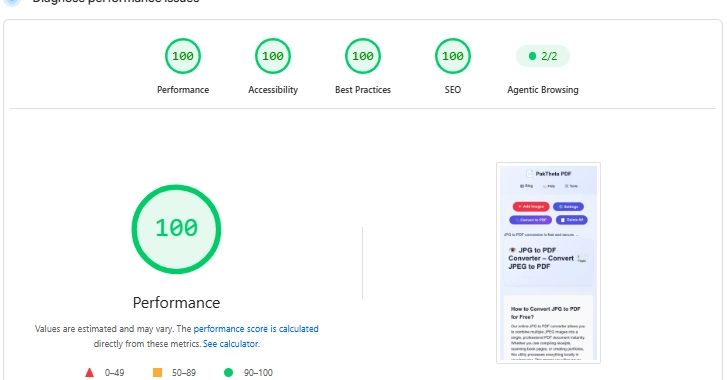
Google is testing how well websites handle AI agents through a new experimental category called "Agentic Browsing" in its Lighthouse analysis tool. The category is based on proposed standards and isn't final yet. It still matters for users, because agents are supposed to reliably fill out forms, make bookings, or compare products down the line, provided pages are built to be machine-readable.
Unlike classic Lighthouse tests, there's no score from 0 to 100. You just get a ratio of passed checks. The audit covers integration of Google's own WebMCP API, which lets developers expose logic and forms specifically to agents, the accessibility tree as the core data model for machines, visual stability via Cumulative Layout Shift (CLS), and whether an llms.txt file is present.
Airbnb passes only one of three Agentic Browsing checks in Lighthouse: the accessibility tree isn't well-formed, the llms.txt fetch failed, and all WebMCP audits come back as not applicable.
Google itself considers that last one pointless for AI search, and it sits at the heart of the hype around supposedly necessary optimization for generative search engines. To prep for the alleged agent era, Google tells developers to use semantic HTML, proper ARIA labels, and as few layout shifts as possible.