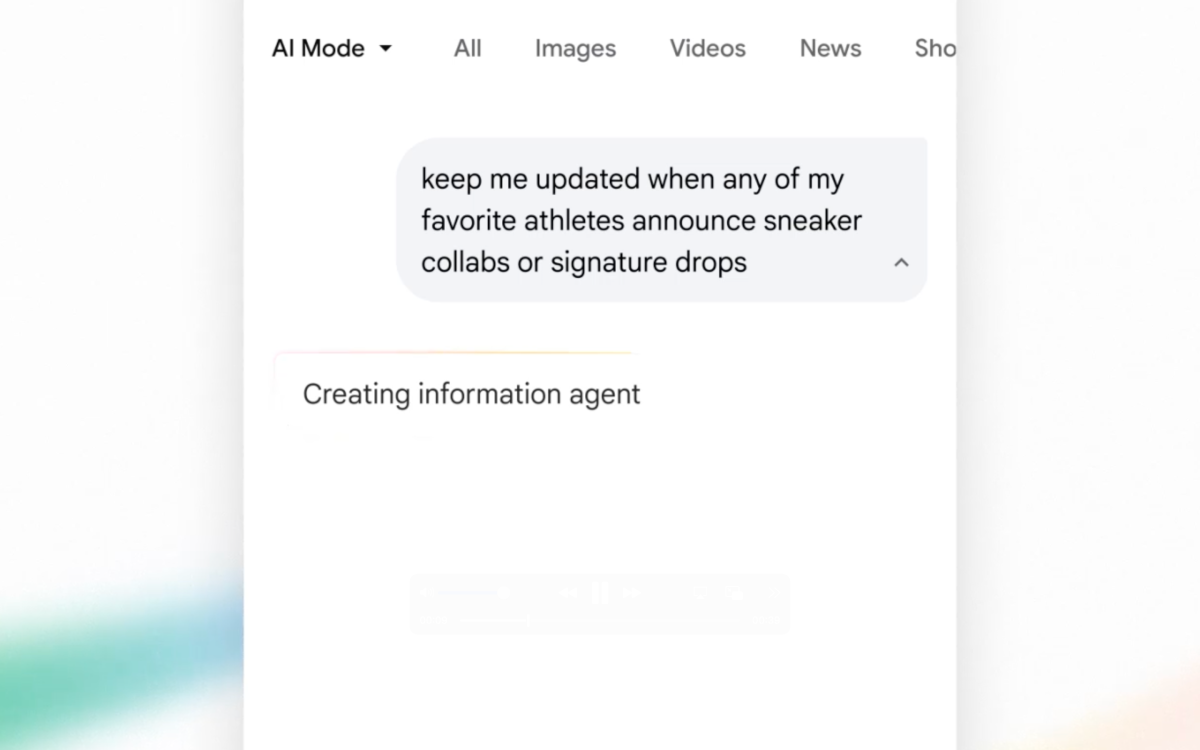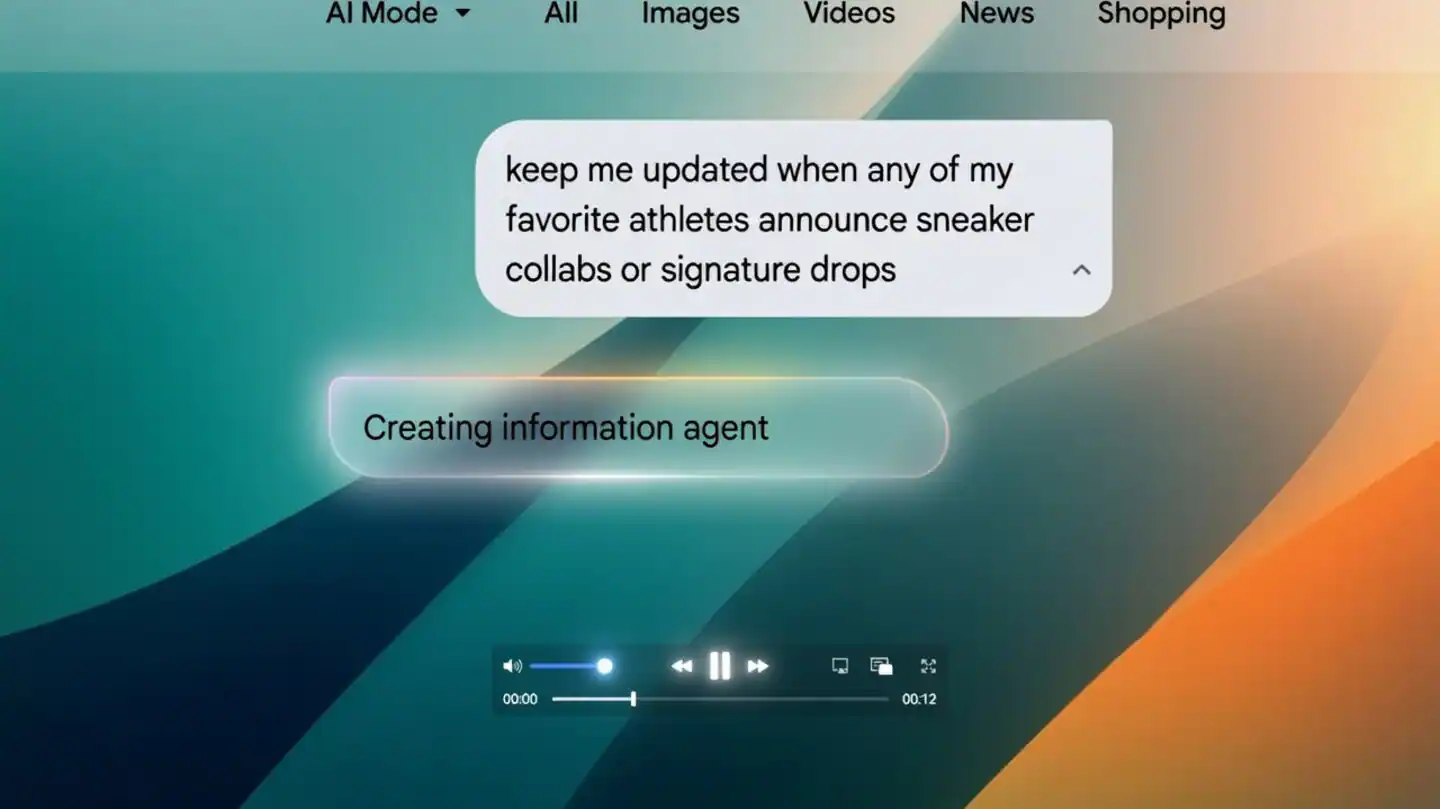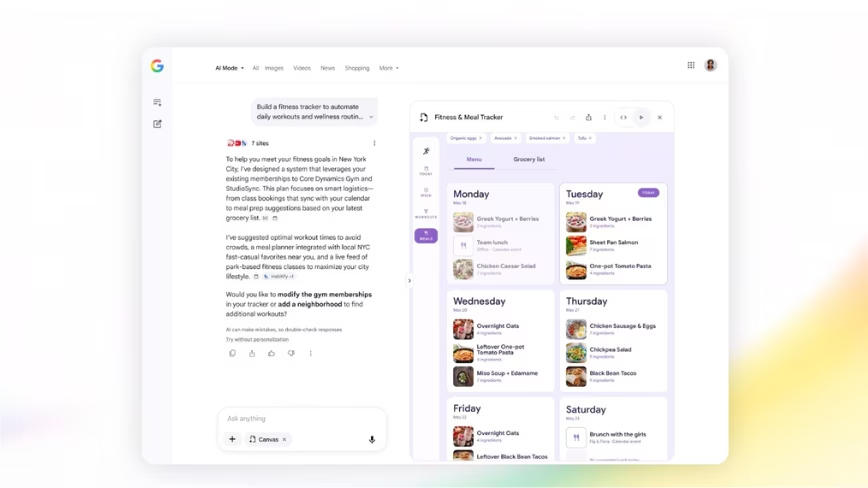
At its annual developer conference a few days ago, Google unveiled something called information agents, a feature that will be built into Search to monitors the web on your behalf. This bots feature will continuously scavenge the web for updates you’ve told it to watch for. It sounds genuinely useful, and it probably is. But it also raises serious questions around user privacy, web traffic and concentration of data on one platform.For starters, this type of an agentic feature works best when the user gives the agent a lot of details about themselves. To monitor housing listings on your behalf, it needs your location preferences, budget, family size, commute constraints, and timeline. If you want it to plan your travel and stay during a vacation, you will end up sharing your personal and financial details with the bot.The simple rule with these agents is that the more you tell it, the better it works. That means Google will be able to build a more intimate profile about you.The company already sits across your search history, Gmail, Calendar, Maps, Chrome, YouTube, and Android. Information agents are designed to sit at the intersection of all of those applications, connecting them in a way that’s different from what any single Google product does today.Data and privacyIn that process of connecting multiple applications, these agents will pick several bits of data from the user, which in turn can be used as feed for the massive ad tech industry.A prompt to an agent for a specific type of house in a particular area will include details about financial position and location details. And this information will very likely be stored indefinitely.In terms of what people ask AI agents, we have only scratched the surface. As more use cases emerge, people may end up sharing a lot more sensitive, personally identifiable data like religious and political views, sexual orientation, medical history, and financial behaviour.At this point, it is unclear how Google plans to use this data and how long it will keep it on its systems. The company has said, when it comes to agentic commerce and payments, that buyers’ data will not be shared with the sellers. But that’s a narrow assurance for a significant issue.Google is not the only player in this race as other AI companies are building similar personal intelligence systems. But, Google is unrivalled when you look at the company’s comprehensive data infrastructure.Web traffic will accelerateApart from data management and user privacy concerns, information agents can also accelerate automated traffic on the internet.According to the Thales 2026 Bad Bot Report, bots now account for 53% of all global web traffic. That means the majority of activity on the internet is no longer human.AI-driven bot attacks specifically surged 12.5x in 2025, and daily blocked bot requests jumped from 2 million to 25 million in a single year, per the report.Information agents will worsen this trend. For instance, a normal Google search triggers one crawl when you hit enter. But an information agent monitoring apartment listings or stock prices triggers potentially hundreds of automated fetches per day, every day, on behalf of every user who sets one up.Now, multiply that across millions of Google AI subscribers and you have an enormous, continuously crawling load placed on third-party websites that never agreed to host it.For publishers, this could be brutal as the traffic from AI-driven searches will hardly lead to click-throughs. They will have to carry the server costs of being crawled as their content gets harvested and synthesised into answers. This could potentially lead to publishers blocking Google’s crawlers entirely — a change that could degrade the quality of agents themselves.In the hands of fewThe feature also deepens Google’s position in the AI market. If you build a sophisticated set of agents monitoring your housing search, financial watchlist, and health queries, all running inside Google’s ecosystem on Google’s models with data in Google’s infrastructure, switching away from Google becomes a genuinely costly exercise.There’s a liability question too. If a Google information agent nudges you toward a financial opportunity and you act on it and lose money, no regulatory framework currently exists for a recourse. The agents are framed as assistants, not advisors.And then there’s who gets access in the first place. Information agents launch exclusively for Google AI Pro and Ultra subscribers, meaning wealthier users get persistent AI scouts monitoring the web on their behalf while everyone else searches manually.If these agents become as consequential as Google is suggesting, that will widen the informational divide.Others are in the raceGoogle is not alone in building persistent, always-on agents. Perplexity already offers autonomous multi-model agents on its top tier. Microsoft has embedded monitoring agents across Outlook, Teams, and SharePoint. Meta is building ambient AI into WhatsApp, Instagram, and Facebook.Every major AI company is converging on the same model: agents that watch the world for you, indefinitely.That means data accumulation, web scraping, and publisher revenue erosion. So ,the question isn’t whether to accept them from Google specifically, but whether anyone has a plan for what the internet looks like when it’s mostly machines talking to machines.
Google’s new ‘Information Agents’ are a privacy and web infrastructure problem
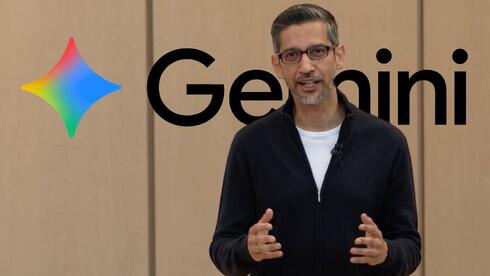
At its annual developer conference a few days ago, Google unveiled something called information agents
850 words~4 min read