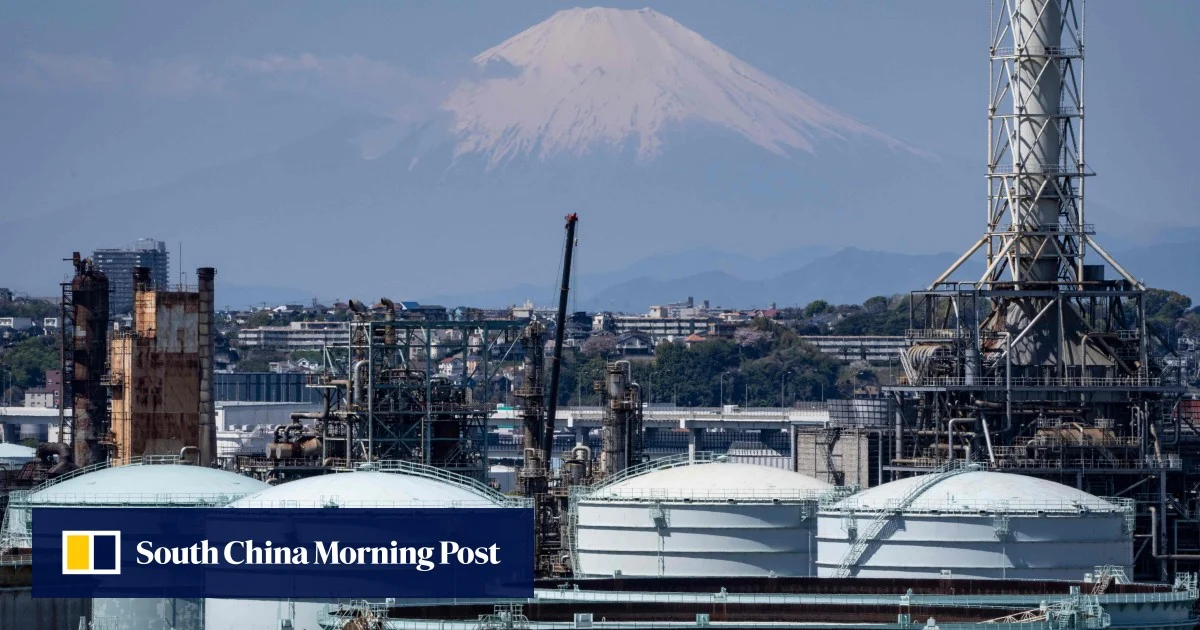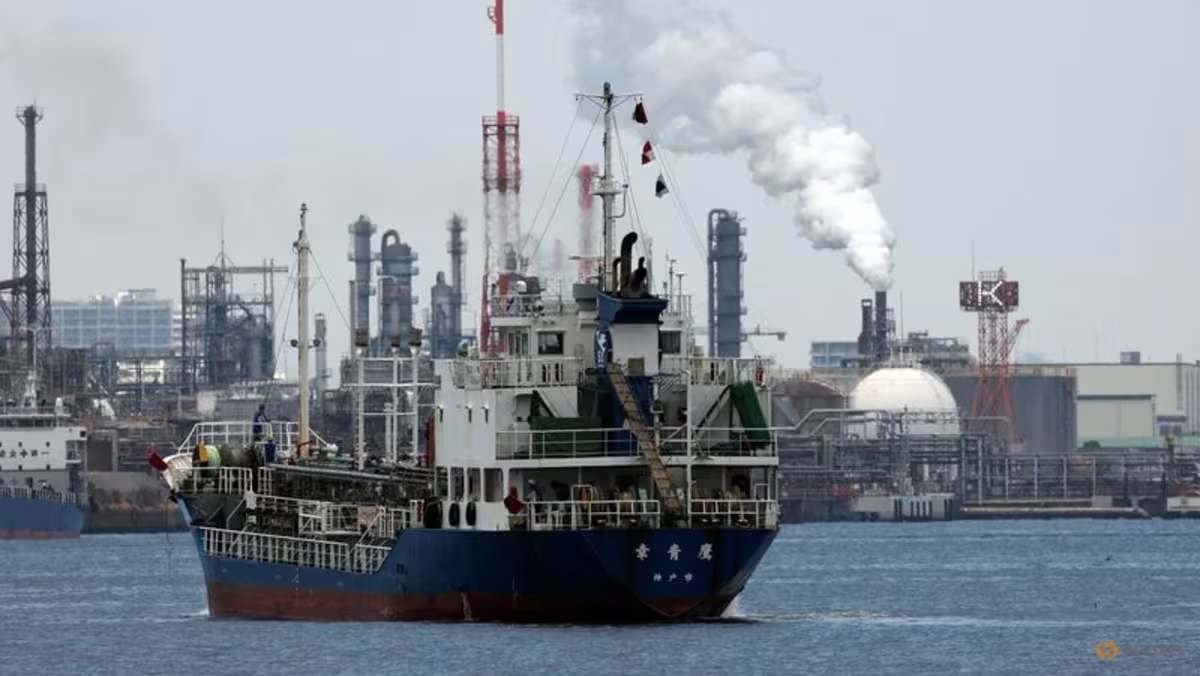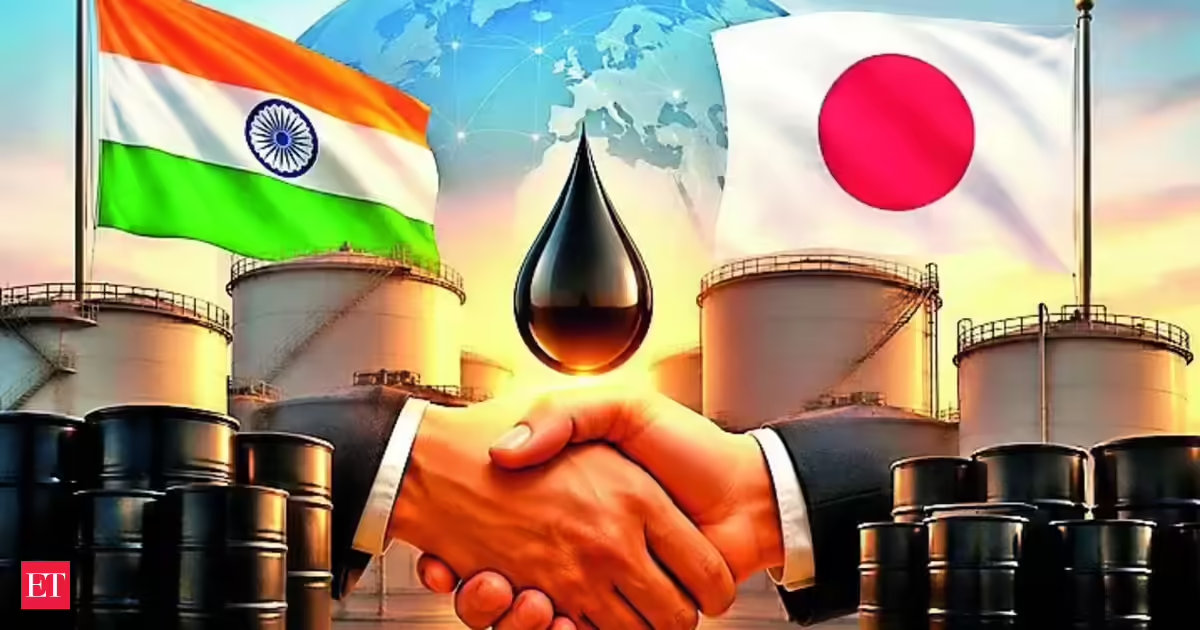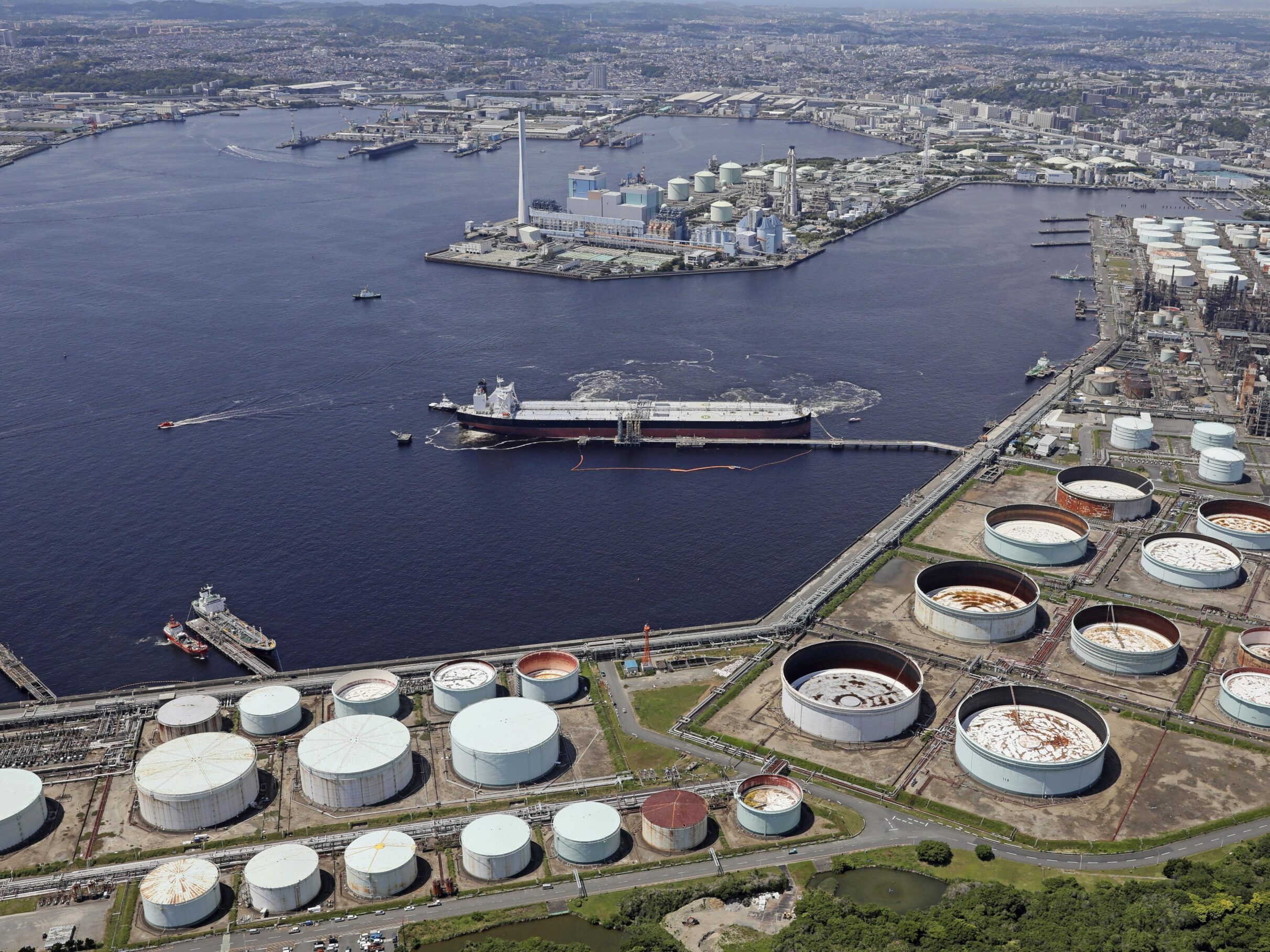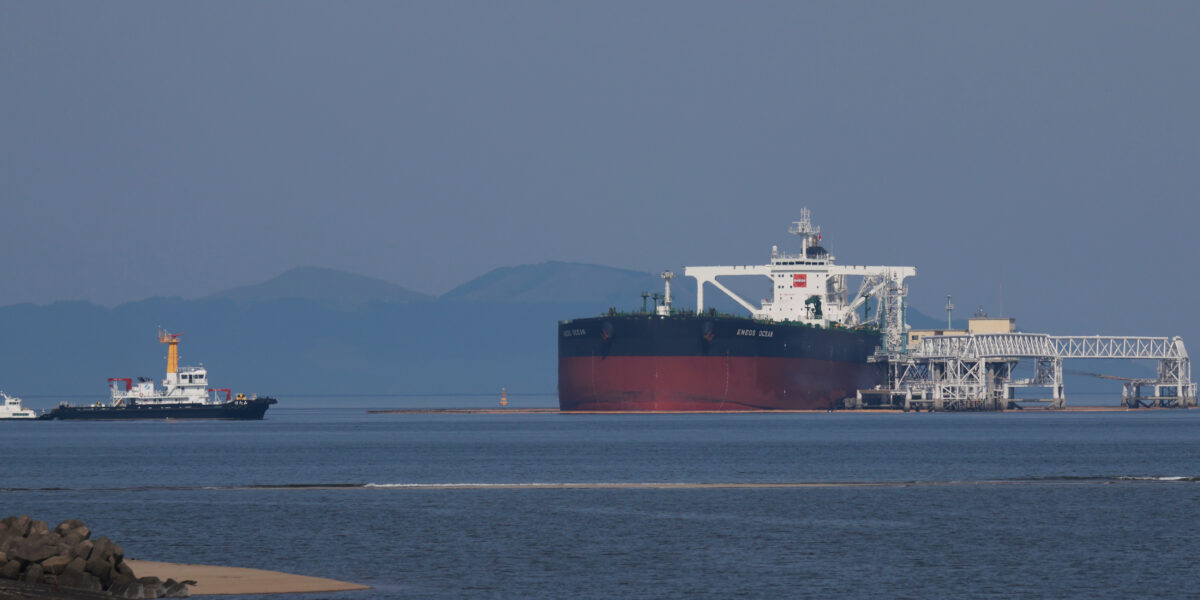
Japan’s vast oil stockpiles are often cited as a quiet success of energy security policy. Built in the aftermath of the 1970s oil shocks, the system combines state reserves, mandatory private holdings and joint storage with producers, amounting to well over 200 days of supply. By international standards, this is more than sufficient. Yet the US–Iran war has revealed an uncomfortable truth — Japan’s oil reserves are robust, but not decisive.
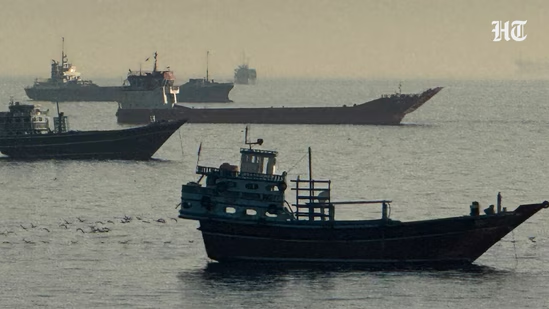
The vulnerability lies in geography. Around 80–90 per cent of Japan’s crude imports pass through the Strait of Hormuz. The waterway has long been a geopolitical pressure point and Iran has repeatedly disrupted traffic in response to US sanctions or military pressure. Tanker seizures and attacks have shown how quickly tensions can escalate into supply risks. For Japan, despite having no direct stake in the conflict, the consequences would still be immediate.
In such scenarios, strategic reserves function as a buffer. They buy time — weeks or months during which governments can stabilise domestic markets, coordinate internationally and seek alternative supplies. They also calm market psychology, reducing the risk of panic-driven price spikes. But this is also the limitation — reserves mitigate shocks but do not remove them. If disruption in the Persian Gulf were prolonged, stockpiles would eventually be depleted, leaving Japan exposed to the same structural constraints as before.