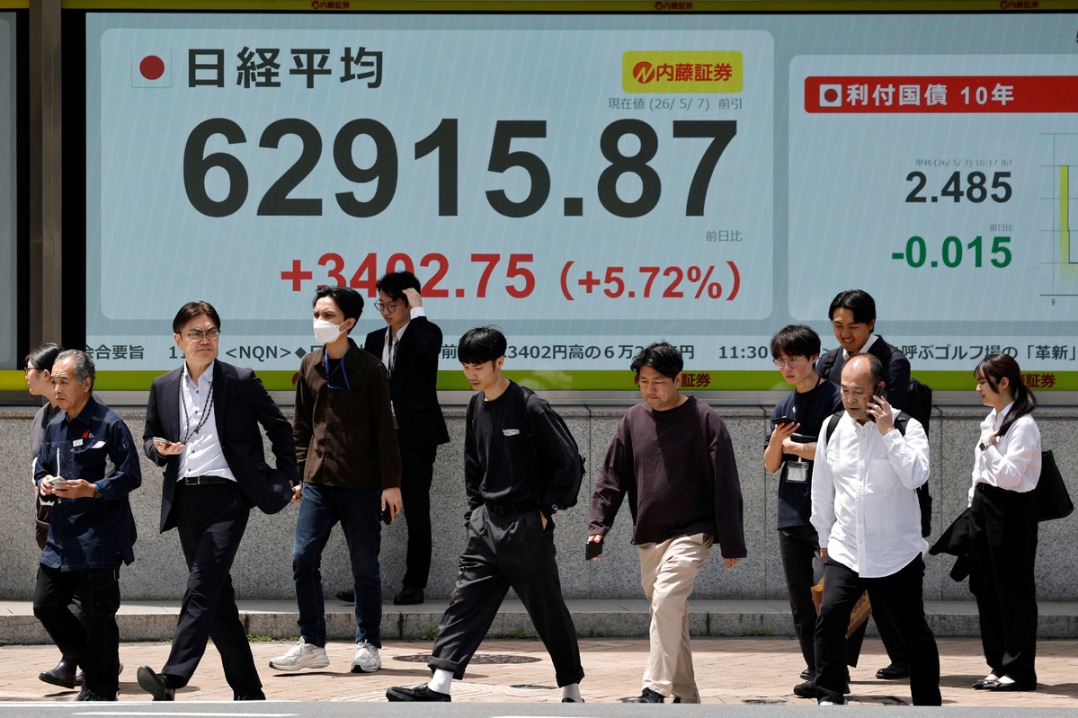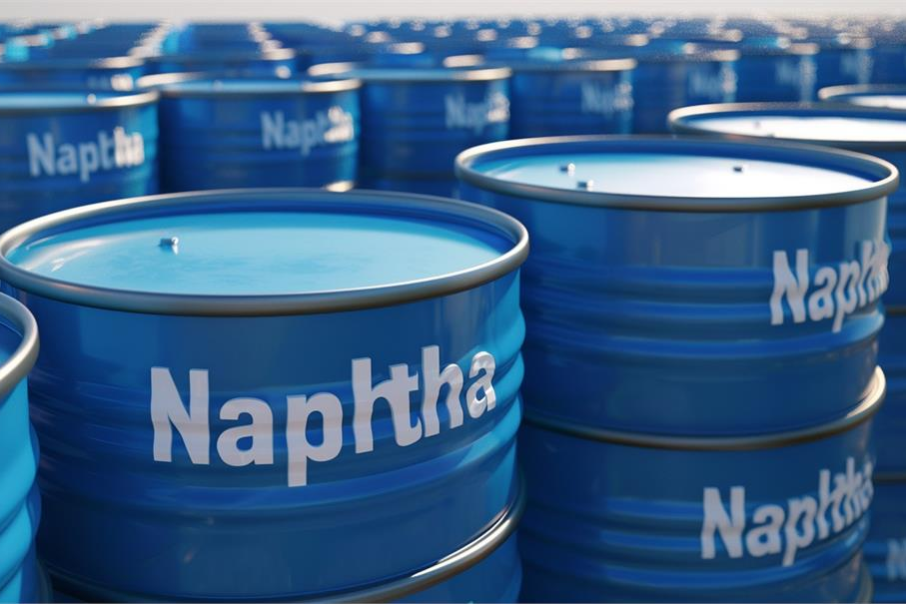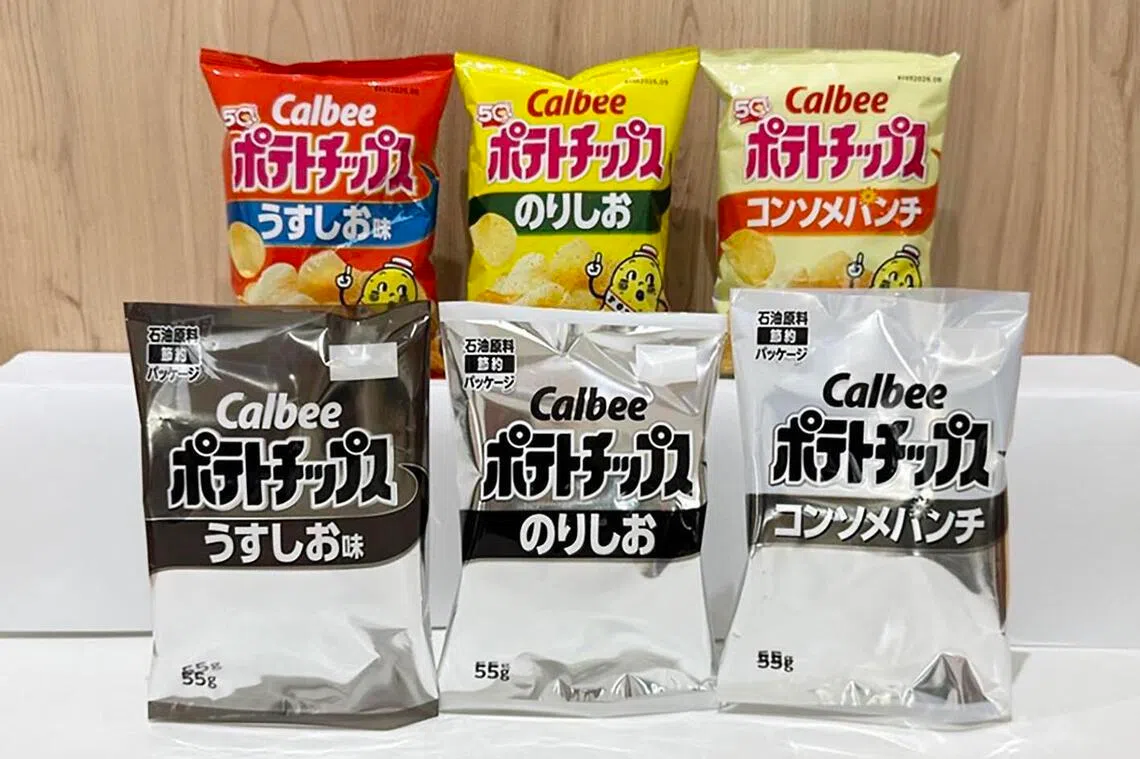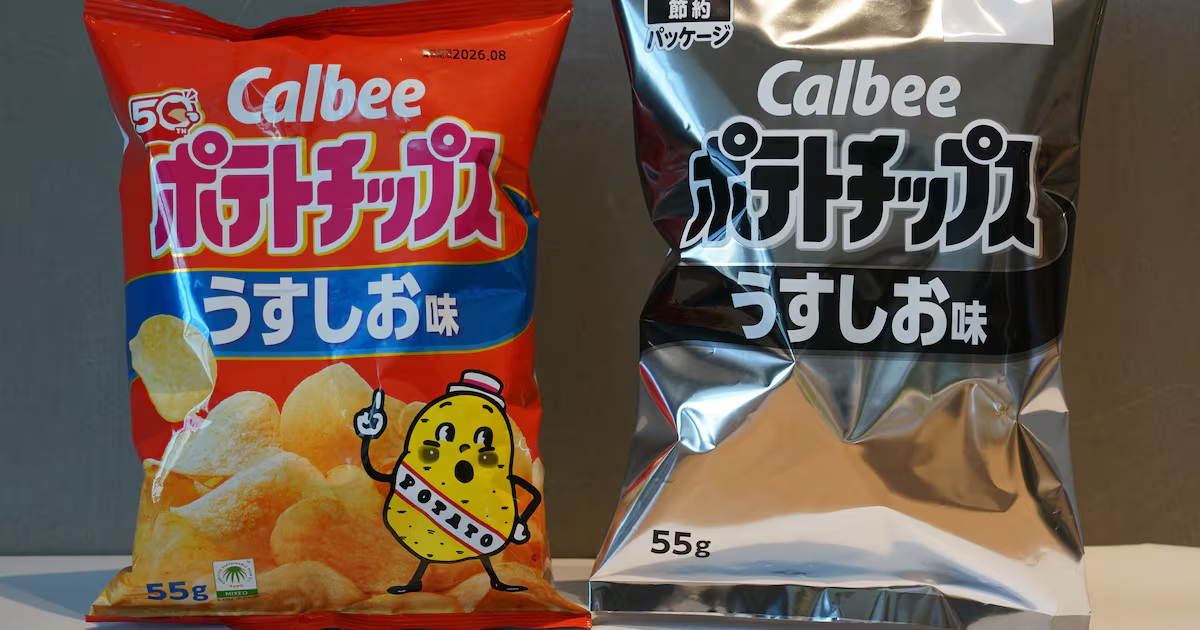
Japan’s government is fighting to cushion the economic impact of the Middle East war, as the shortage of oil sends inflation rising, with the crisis threatening to undermine prime minister Sanae Takaichi’s wide poll lead.Amid it all, new polling shows that Japan has seen a surge in concern over shortages of naphtha, a crude-oil product that is used to make a wide variety of other products.But why the concern about a product that few had heard of just several months ago?What is naphtha?Commonly used to refer to a range of highly flammable liquid mixtures derived from oil (and other sources), it is used in the production of petrol, but also a wide range of materials including plastics, insulation foam, adhesives, medical supplies such as syringes, and printing ink solvents. Naphtha is used in manufacturing all around the world, but Asia is particularly vulnerable to the current disruption as it constitutes the largest market for exports of the product from the Middle East. Why is the Japanese public worried about something it didn’t know existed a few months ago?Pronounced “nafusa” in Japanese, the word recently began appearing in news reports about the impact that the Strait of Hormuz blockade was having on supply chains. But it was the announcement by Japan’s biggest snack maker – Calbee – on May 12th that the colourful packaging of its flagship potato chips were going monochrome that brought home the seriousness of the geopolitical fallout. Data shows that Japan’s wholesale inflation accelerated in April at the fastest pace in three years, with the price of naphtha spiking 79.4 per cent.Bags of Calbee potato crisps with a new black and white design to replace the existing orange and yellow versions. Photograph: Kazuhiro Nogi/AFP/Getty Images While Japan has significant national stockpiles of petrol, there have been suggestions the government is playing down the risk of disruption to other industries. Japanese television networks and newspapers have been running segments and articles explaining what naphtha is and how shortages could affect everyday life.A Kyodo News poll over the weekend found more than 70 per cent of respondents had expressed concern about supplies of Naphtha being disrupted. What is the Japanese government doing in response?Japan sources more than 90 per cent of its oil from the Middle East and so is very sensitive to the current supply problems.After Calbee announced it was switching to black and white packaging, the government’s deputy chief cabinet secretary was forced to reassure the public that adequate supplies of naphtha for ink had been secured after questions from the media. Takaichi has also made multiple statements insisting that Japan is finding alternative sources for oil and resisted making the calls to reduce consumption that some of Japan’s Asian neighbours have been forced to issue.But the lack of naphtha is already reported to be hitting plastic production, leading environment minister Hirotaka Ishihara on Friday to echo the assurances previously made on ink supplies: “We have secured the necessary supply of garbage bags. Please remain calm and avoid panic buying.”Japanese media have also reported that, in contrast to government claims, supply chain disruptions are already being felt in sectors such as construction, dry cleaning, food processing and paint production.The conflict in Iran has disrupted global energy markets, sending oil and gas prices surging. Photograph: Nicolas Koutsokostas/NurPhoto/Getty Images Is it affecting the prime minister’s popularity?The cabinet’s approval rate did fall 2.5 percentage points to 61.3 per cent in the poll released Sunday by Kyodo News. But that should be seen in the context of a decline from very high poll numbers in the honeymoon after her landslide election victory in February. It is unclear just how much impact the Middle East crisis is having and how much responsibility the public believes Takaichi bears for the situation. More than 70 per cent of those surveyed said the government should call on the public to conserve energy. – The Guardian
‘Please avoid panic buying’: Japan gripped by fears of a naphtha shortage. What is it?
Little-known oil product at the heart of a supply crunch grips public attention as Middle East turmoil pushes up prices and rattles Japan’s economy
650 words~3 min read